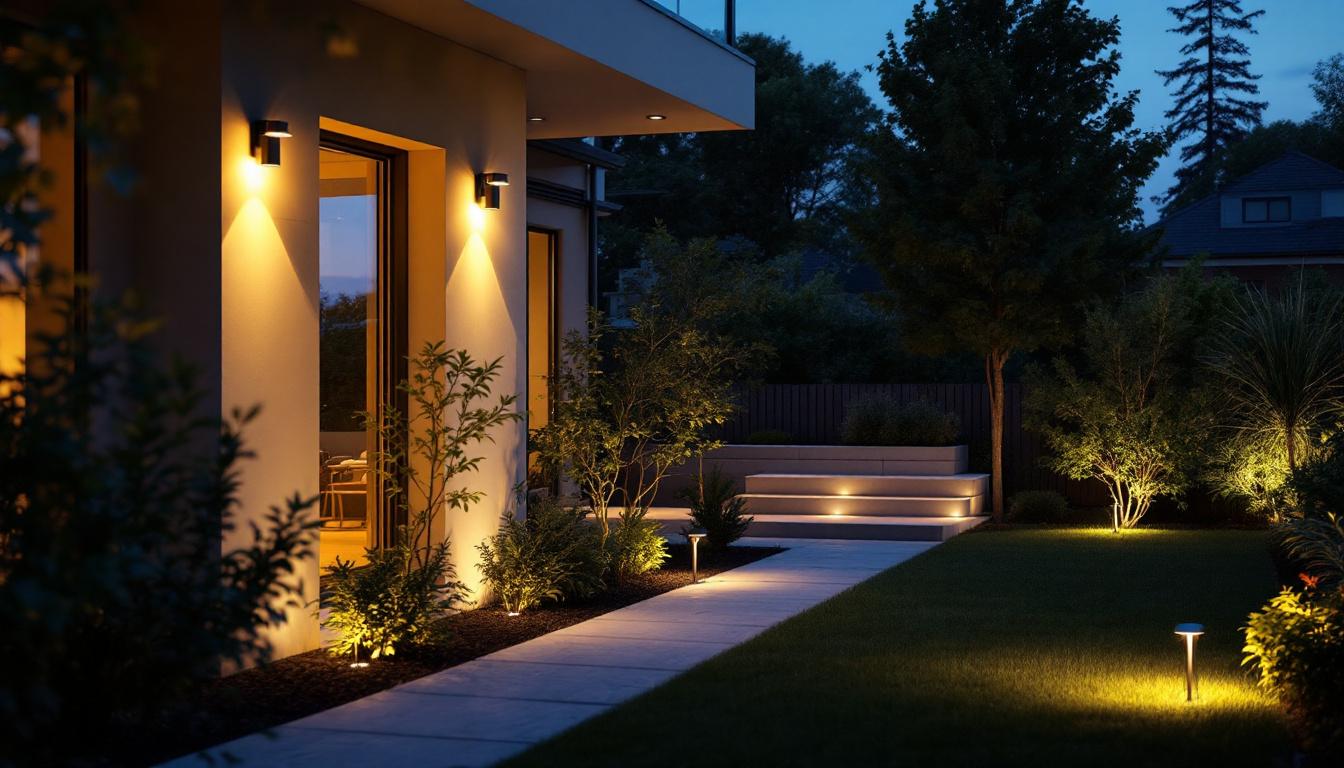
Understanding the Importance of Outdoor Lighting
Outdoor lighting is more than just a functional necessity; it is a critical element that enhances safety, security, and aesthetics in residential, commercial, and public spaces. For lighting contractors, mastering the art and science of outdoor lighting is essential to delivering projects that satisfy clients and comply with regulations. Properly designed and installed outdoor lighting can transform a space, highlight architectural features, and create inviting environments while minimizing energy consumption and light pollution.
Statistics show that well-lit outdoor areas reduce crime rates by up to 20%, underscoring the importance of effective lighting in security applications. Additionally, with growing emphasis on sustainability, contractors must adopt energy-efficient solutions such as LED technology and smart controls to meet client expectations and regulatory requirements.
Moreover, outdoor lighting plays a pivotal role in enhancing the usability of outdoor spaces after dark. Parks, pathways, and patios become more accessible and enjoyable when illuminated correctly, encouraging community engagement and outdoor activities. Thoughtfully placed lighting can guide visitors safely through a space, ensuring that they can navigate without fear of tripping or encountering hazards. This increased accessibility can lead to a greater sense of community and well-being, as people feel more comfortable enjoying their surroundings at night.
In addition to safety and usability, outdoor lighting can significantly impact the aesthetic appeal of a property. By utilizing techniques such as uplighting, downlighting, and accent lighting, contractors can create dramatic effects that highlight landscaping, sculptures, or architectural details. Seasonal lighting displays, such as festive string lights or lanterns, can also add charm and character, making outdoor spaces more inviting for gatherings and events. As homeowners and businesses increasingly seek to create unique and memorable experiences, the role of outdoor lighting as a design element becomes ever more critical.
Key Considerations for Outdoor Lighting Design
Assessing the Site and Client Needs
Before selecting fixtures or planning layouts, a thorough site assessment is crucial. Understanding the environment, including terrain, vegetation, and existing structures, helps identify lighting challenges and opportunities. Contractors should engage clients in discussions about their priorities—whether it’s enhancing curb appeal, improving safety, or creating ambiance—to tailor solutions accordingly. This initial consultation can also reveal the intended use of the space; for instance, a garden may need soft lighting for relaxation, while a sports area requires brighter, more focused illumination. By grasping the nuances of the site and the client’s vision, contractors can create a personalized lighting plan that not only meets functional needs but also resonates with the client’s aesthetic preferences.
Balancing Functionality and Aesthetics
Outdoor lighting must strike a balance between practical illumination and visual appeal. For pathways and driveways, uniform lighting ensures safe navigation, while accent lighting can highlight landscaping or architectural elements. Using layers of light—ambient, task, and accent—creates depth and interest. Lighting contractors should consider fixture placement, beam angles, and color temperature to achieve the desired effect without causing glare or light trespass. Moreover, the choice of materials and styles for fixtures can significantly influence the overall look of the outdoor space. For example, rustic lanterns may complement a country home, while sleek, modern fixtures might be more suitable for contemporary architecture. By thoughtfully integrating these elements, contractors can enhance the overall design while ensuring the space remains functional and inviting.
Energy Efficiency and Sustainability
With energy costs rising and environmental concerns at the forefront, contractors are increasingly adopting energy-efficient lighting solutions. LED fixtures offer significant advantages, including longer lifespan, lower power consumption, and reduced maintenance. Incorporating controls such as timers, motion sensors, and dimmers further optimizes energy use. Additionally, selecting fixtures with appropriate IP ratings ensures durability in outdoor conditions, reducing replacement frequency and waste. Beyond just the fixtures themselves, sustainable practices can extend to the entire lighting design process. For instance, utilizing solar-powered lights can significantly decrease reliance on grid electricity, making them an excellent choice for remote areas or gardens. Furthermore, implementing smart lighting systems that adapt to natural light levels can enhance energy savings while providing optimal illumination throughout the day and night.
Proven Installation Techniques for Outdoor Lighting
Proper Fixture Selection and Placement
Choosing the right fixture is foundational to a successful outdoor lighting project. Lighting contractors must consider factors such as lumens output, beam spread, color rendering index (CRI), and fixture durability. For example, floodlights with wide beam angles are ideal for security lighting, whereas spotlights with narrow beams are better suited for highlighting specific features. Additionally, selecting fixtures that complement the architectural style of the property can enhance the overall aesthetic appeal, creating a cohesive look that integrates seamlessly with the surrounding landscape.
Placement is equally important; fixtures should be installed at heights and angles that maximize coverage while minimizing glare. Using adjustable mounts allows for fine-tuning after installation. Furthermore, incorporating layered lighting—such as ambient, task, and accent lighting—can create depth and interest in outdoor spaces. This technique not only improves visibility but also enhances the mood of the environment, making patios, gardens, and walkways more inviting. Additionally, wiring should be concealed and protected using conduit or underground burial methods to prevent damage and maintain aesthetics.
Ensuring Electrical Safety and Compliance
Outdoor lighting installations must adhere to local electrical codes and standards to ensure safety and reliability. Contractors should use weatherproof connectors, GFCI-protected circuits, and appropriate grounding techniques. Testing for proper voltage, polarity, and fixture operation before finalizing the installation prevents future issues. It’s also advisable to incorporate surge protection devices to safeguard the system against voltage spikes caused by lightning or power surges, further enhancing the longevity and reliability of the installation.
Documentation, including as-built drawings and compliance certificates, is essential for client records and potential inspections. Staying updated on code changes and manufacturer recommendations helps contractors maintain high standards and avoid costly rework. Furthermore, providing clients with a maintenance schedule can help ensure the longevity of the lighting system, including periodic checks on fixture integrity and functionality, which can prevent minor issues from escalating into major repairs.
Integrating Smart Lighting Controls
Smart lighting systems are becoming increasingly popular in outdoor applications. These systems allow remote control, scheduling, and automation, enhancing convenience and energy savings. Lighting contractors should be familiar with various control platforms, including wireless protocols like Zigbee and Z-Wave, and ensure compatibility with existing infrastructure. The integration of smart sensors, such as motion detectors and ambient light sensors, can further optimize energy efficiency by adjusting lighting levels based on real-time conditions, ensuring that lights are only on when needed.
Installation of smart controls requires careful planning of network coverage, power supply, and user interface. Providing clients with training and support on system operation maximizes satisfaction and long-term performance. Additionally, offering options for integration with home automation systems can elevate the user experience, allowing clients to control their outdoor lighting alongside other smart home features, such as security cameras and HVAC systems. This holistic approach not only enhances usability but also adds significant value to the property.
Maintenance Best Practices for Outdoor Lighting Systems
Routine Inspection and Cleaning
Outdoor lighting fixtures are exposed to weather, dirt, and insects, which can degrade performance over time. Regular inspections help identify issues such as burnt-out bulbs, corrosion, or damaged wiring. Cleaning lenses and fixtures restores light output and prevents overheating.
Contractors should advise clients on maintenance schedules and offer service contracts to ensure ongoing system reliability. Using high-quality, weather-resistant fixtures reduces maintenance frequency and costs.
Troubleshooting Common Issues
Common problems in outdoor lighting include flickering, dimming, or complete failure. These issues often stem from loose connections, voltage fluctuations, or damaged components. A systematic troubleshooting approach—checking power sources, wiring integrity, and fixture condition—enables quick diagnosis and repair.
Documenting repairs and upgrades helps track system health and informs future maintenance decisions. Lighting contractors who provide prompt and effective troubleshooting build trust and repeat business.
Emerging Trends and Technologies in Outdoor Lighting
Advancements in LED and Solar Lighting
LED technology continues to evolve, offering higher efficiency, improved color quality, and innovative form factors. Lighting contractors should stay informed about new products that provide better performance at competitive prices. Solar-powered outdoor lighting is also gaining traction, especially in remote or off-grid locations, reducing installation complexity and operational costs.
Human-Centric and Adaptive Lighting
Human-centric lighting focuses on enhancing well-being by mimicking natural light patterns and adjusting color temperature throughout the day. Adaptive lighting systems use sensors and AI to respond dynamically to environmental conditions and user presence, optimizing comfort and energy use. These cutting-edge approaches are becoming valuable differentiators for contractors aiming to deliver state-of-the-art solutions.
Addressing Light Pollution and Environmental Impact
Awareness of light pollution and its impact on ecosystems is increasing. Lighting contractors are adopting shielded fixtures, downward-directed lighting, and appropriate brightness levels to minimize skyglow and disruption to wildlife. Compliance with “dark sky” initiatives not only benefits the environment but also enhances client reputation and community relations.
Conclusion: Mastering Outdoor Lighting for Success
For lighting contractors, excelling in outdoor lighting requires a blend of technical expertise, creative design, and commitment to quality. By understanding client needs, applying proven installation techniques, embracing energy-efficient and smart technologies, and maintaining systems proactively, contractors can deliver outstanding results that enhance safety, beauty, and sustainability.
Staying current with industry trends and regulatory changes ensures that contractors remain competitive and capable of meeting evolving demands. Ultimately, mastering outdoor lighting translates into satisfied clients, strong professional reputations, and thriving businesses.
Illuminate Your Projects with LumenWholesale
Ready to elevate your outdoor lighting projects with the highest quality products at the best value? Look no further than LumenWholesale. Our extensive selection of spec-grade lighting products is designed to meet the needs of the most discerning contractors. With unbeatable wholesale prices and the convenience of free shipping on bulk orders, you can ensure your outdoor lighting installations stand out for their excellence and sustainability. Don’t let middleman markups dim your project’s potential. Choose LumenWholesale for a seamless blend of quality, affordability, and convenience. Discover our premium lighting solutions and take advantage of the best value in wholesale lighting by visiting Wholesale Lighting at the Best Value today.