Introduction to Solar Powered Flood Lights in Outdoor Applications
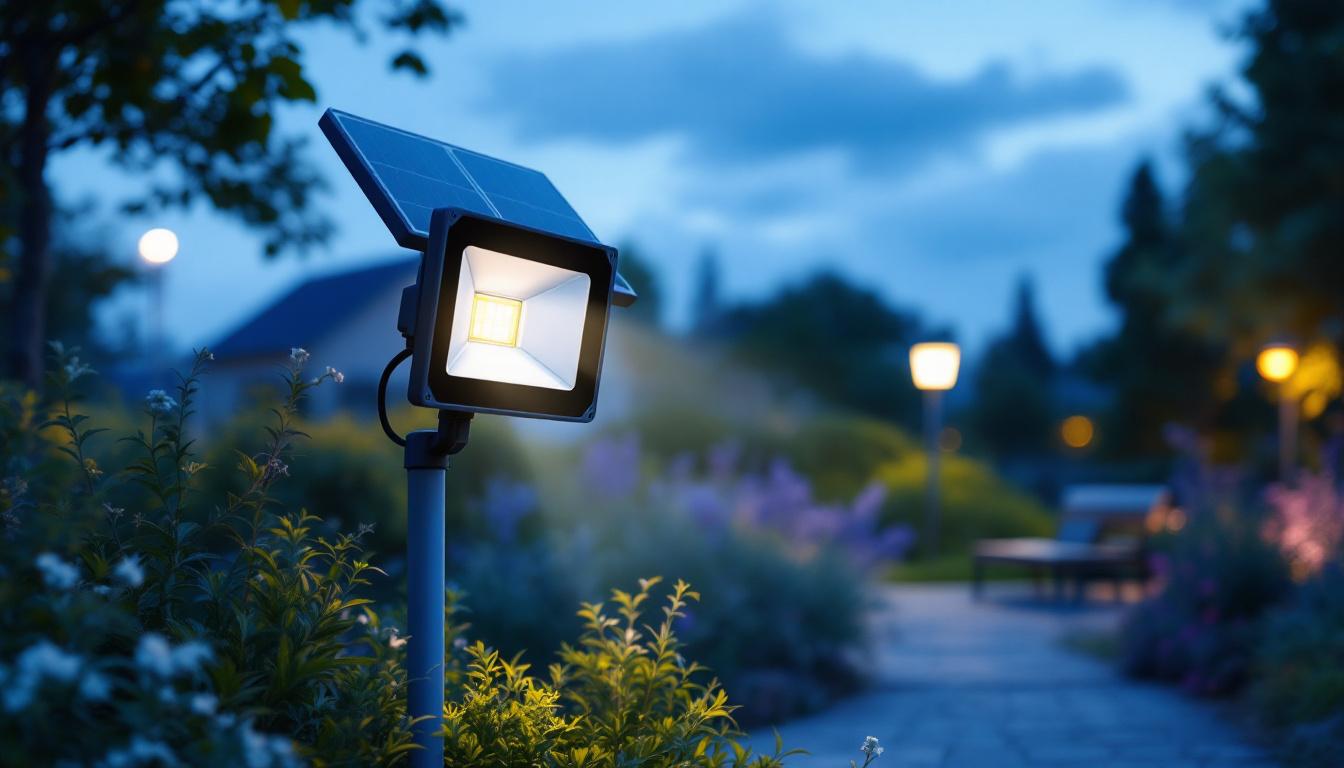
Solar powered flood lights have become increasingly popular in outdoor lighting projects due to their energy efficiency, ease of installation, and environmental benefits. For lighting contractors, understanding the compliance requirements associated with these fixtures is crucial to ensure safety, functionality, and adherence to local regulations.
As the demand for sustainable lighting solutions grows, solar flood lights offer a compelling alternative to traditional wired lighting systems. However, their unique characteristics—such as integrated photovoltaic panels, battery storage, and LED technology—introduce specific compliance considerations that contractors must navigate.
One of the primary advantages of solar powered flood lights is their ability to operate independently of the electrical grid, making them ideal for remote locations or areas where conventional wiring is impractical. This independence not only reduces installation costs but also minimizes the risk of electrical hazards, which can be a significant concern in outdoor settings. Furthermore, the incorporation of advanced LED technology ensures that these lights provide bright, high-quality illumination while consuming significantly less energy compared to traditional incandescent or halogen bulbs. This energy efficiency not only lowers operational costs but also contributes to a reduced carbon footprint, aligning with global sustainability goals.
Moreover, the versatility of solar flood lights allows them to be used in a variety of applications, from illuminating pathways and gardens to enhancing security around commercial properties. Many modern solar flood lights come equipped with motion sensors and adjustable brightness settings, which can further enhance their functionality and efficiency. As contractors explore these options, they must also consider factors such as battery capacity, charging times, and the impact of local weather conditions on performance. Understanding these elements will help ensure that the chosen solar flood lights meet the specific needs of the project while complying with relevant standards and regulations.
Key Compliance Areas for Solar Powered Flood Lights
Electrical Safety Standards
One of the primary concerns when installing any lighting system is electrical safety. Solar powered flood lights, although often low voltage, still require adherence to electrical codes to prevent hazards such as electric shock, short circuits, or fire. Contractors should ensure that all components meet recognized standards such as UL (Underwriters Laboratories) or ETL (Electrical Testing Laboratories) certification.
Additionally, the installation must comply with the National Electrical Code (NEC) or the equivalent local electrical codes, which cover aspects like wiring methods, grounding, and protection against moisture. Since solar flood lights are typically installed outdoors, IP (Ingress Protection) ratings are also critical to confirm that the fixtures can withstand weather conditions without compromising safety. It’s also advisable to conduct regular maintenance checks to ensure that all connections remain secure and that the integrity of the wiring is intact, as environmental factors can lead to wear and tear over time.
Environmental and Energy Regulations
Solar lighting systems are often subject to environmental regulations that encourage or mandate the use of renewable energy sources. Contractors should be familiar with local incentives, rebates, or mandates that promote solar technology integration. Compliance with energy efficiency standards, such as those established by the Department of Energy or regional energy authorities, ensures that the installed systems meet minimum performance criteria.
Moreover, the disposal and recycling of solar batteries must adhere to environmental guidelines. Proper handling of lithium-ion or lead-acid batteries used in solar flood lights is essential to prevent environmental contamination and comply with hazardous waste regulations. In addition, contractors should educate clients about the importance of sustainable practices, such as choosing solar lights with longer lifespans and lower environmental impact, which can contribute to a greener future and reduce overall carbon footprints.
Building and Zoning Codes
Outdoor lighting installations, including solar powered flood lights, must conform to building and zoning codes that regulate fixture placement, brightness levels, and light pollution. These codes aim to balance effective illumination with community standards and environmental protection.
Lighting contractors should verify setback requirements, maximum lumen outputs, and permissible mounting heights to avoid violations. In some jurisdictions, dark sky ordinances limit the amount of upward or horizontal light spill, which can influence fixture selection and aiming strategies. Furthermore, understanding the local community’s aesthetic preferences can also guide the choice of fixtures, ensuring that the solar flood lights blend seamlessly into the environment while providing adequate illumination for safety and security. Engaging with local stakeholders during the planning phase can help mitigate potential objections and foster community support for solar initiatives.
Technical Considerations for Compliance
Photovoltaic Panel Specifications
The photovoltaic (PV) panels integrated into solar flood lights must meet specific performance and durability standards. Contractors should select panels with proven efficiency ratings and certifications such as IEC 61215 or IEC 61730, which attest to the panel’s quality and safety.
Proper orientation and mounting of the PV panels are also compliance factors. Panels should be installed to maximize solar exposure while adhering to structural codes and avoiding shading from nearby objects. Incorrect installation can reduce system effectiveness and potentially violate warranty or regulatory requirements. Furthermore, the angle of inclination is crucial; panels should ideally be tilted to capture the maximum amount of sunlight throughout the year, which may vary based on geographical location. Regular maintenance checks can help ensure that panels remain clean and free from debris, optimizing their performance and longevity.
Battery and Energy Storage Compliance
Energy storage is a critical component of solar powered flood lights. Batteries must comply with safety standards such as UL 2054 for household and commercial batteries or IEC 62133 for portable rechargeable cells. These standards address risks related to overheating, leakage, and mechanical damage.
Contractors should ensure that battery enclosures are weatherproof and ventilated as required, and that wiring connections are secure and protected. Proper labeling and documentation of battery specifications and handling instructions are often mandated by local authorities. Additionally, the choice of battery technology—such as lithium-ion versus lead-acid—can significantly impact the overall efficiency and lifespan of the solar flood light system. Lithium-ion batteries, for instance, offer higher energy density and longer cycle life, making them a popular choice for modern solar applications. It is also essential to consider the environmental impact of battery disposal and recycling, ensuring compliance with local regulations regarding hazardous materials.
LED Lighting and Photometric Requirements
LED modules used in solar flood lights must meet photometric standards to ensure adequate illumination without excessive glare or light trespass. Compliance with standards such as IES LM-79 for photometric testing provides assurance of light distribution and intensity.
Additionally, contractors should consider color temperature and color rendering index (CRI) to meet client expectations and regulatory guidelines. Some areas may restrict certain color temperatures to reduce light pollution or enhance visibility. The selection of LED technology can also influence energy efficiency; for example, using high-efficacy LEDs can significantly lower energy consumption while still providing sufficient brightness. Furthermore, implementing smart control systems, such as motion sensors or timers, can optimize energy use by adjusting light levels based on real-time conditions, thereby extending battery life and reducing operational costs. This integration of technology not only enhances compliance but also promotes sustainability in lighting solutions.
Installation Best Practices for Compliance
Site Assessment and Planning
Before installation, a thorough site assessment is essential. Contractors should evaluate solar access, potential obstructions, and environmental conditions that could affect system performance and compliance. This includes checking for shading from trees, buildings, or other structures that could reduce solar panel efficiency.
Planning also involves verifying local code requirements, obtaining necessary permits, and coordinating with utility providers if grid-tied systems or hybrid configurations are involved.
Proper Mounting and Wiring Techniques
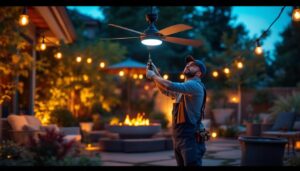
Compliance with mounting guidelines ensures the longevity and safety of solar flood lights. Panels and fixtures must be securely attached to withstand wind loads and other environmental stresses. Wiring should be routed in a manner that protects against physical damage and moisture intrusion.
Contractors should use approved connectors and conduit where required, and ensure that all electrical connections are tight and corrosion-resistant. Grounding and bonding practices must follow code to prevent electrical faults.
Testing and Documentation
After installation, comprehensive testing verifies that the system operates safely and effectively. This includes checking electrical continuity, battery charging and discharging cycles, and light output levels. Documentation of test results, product certifications, and installation details supports compliance audits and client records.
Providing clients with operation and maintenance manuals, warranty information, and safety guidelines is also a best practice that can prevent future compliance issues.
Common Compliance Challenges and How to Overcome Them
Dealing with Variable Weather Conditions
One challenge in solar lighting compliance is accounting for variable weather conditions that impact solar panel performance. Contractors should design systems with adequate battery capacity and energy management controls to maintain illumination during extended cloudy periods or seasonal changes.
Using adaptive lighting controls and energy-efficient LEDs can help meet lighting requirements without compromising compliance during low solar input times.
Navigating Local Code Variations
Lighting contractors often face differing regulations between municipalities or regions. Staying informed about local amendments to national codes is essential. Establishing relationships with local permitting authorities and participating in industry forums can provide valuable insights and updates.
Utilizing software tools that integrate code requirements into design and installation workflows can also reduce the risk of non-compliance.
Managing Battery Safety and Disposal
Handling batteries safely throughout their lifecycle is a compliance imperative. Contractors should implement protocols for safe storage, installation, and eventual disposal or recycling of batteries in accordance with environmental regulations.
Partnering with certified battery recycling programs and educating clients on proper battery maintenance can mitigate risks and ensure regulatory adherence.
The Future of Compliance in Solar Powered Outdoor Lighting
As technology advances, compliance requirements for solar powered flood lights will continue to evolve. Emerging standards around smart lighting controls, grid integration, and cybersecurity may become relevant for contractors to consider.
Staying current with industry trends, participating in professional development, and collaborating with manufacturers will help lighting contractors maintain compliance and deliver high-quality, sustainable outdoor lighting solutions.
Conclusion
For lighting contractors, understanding the multifaceted compliance landscape surrounding solar powered flood lights is essential to successful project execution. From electrical safety and environmental regulations to technical specifications and installation best practices, each aspect plays a critical role in ensuring safe, efficient, and code-compliant outdoor lighting.
By staying informed and proactive, contractors can leverage the benefits of solar technology while meeting regulatory demands, ultimately contributing to greener, safer, and more effective outdoor lighting environments.
Illuminate Your Projects with LumenWholesale
Ready to elevate your lighting projects with the most efficient and compliant solar powered flood lights? Look no further than LumenWholesale for all your lighting needs. Our extensive selection of spec-grade lighting products is designed to meet the highest industry standards, ensuring you deliver safe, efficient, and code-compliant solutions to your clients. With unbeatable wholesale prices and the convenience of free shipping on bulk orders, you can trust LumenWholesale to provide premium lighting without the premium price tag. Don’t let hidden fees dim your project’s potential. Choose LumenWholesale for Wholesale Lighting at the Best Value and brighten your professional offerings today.