Understanding Recessed Bulbs: Fundamentals for Lighting Contractors
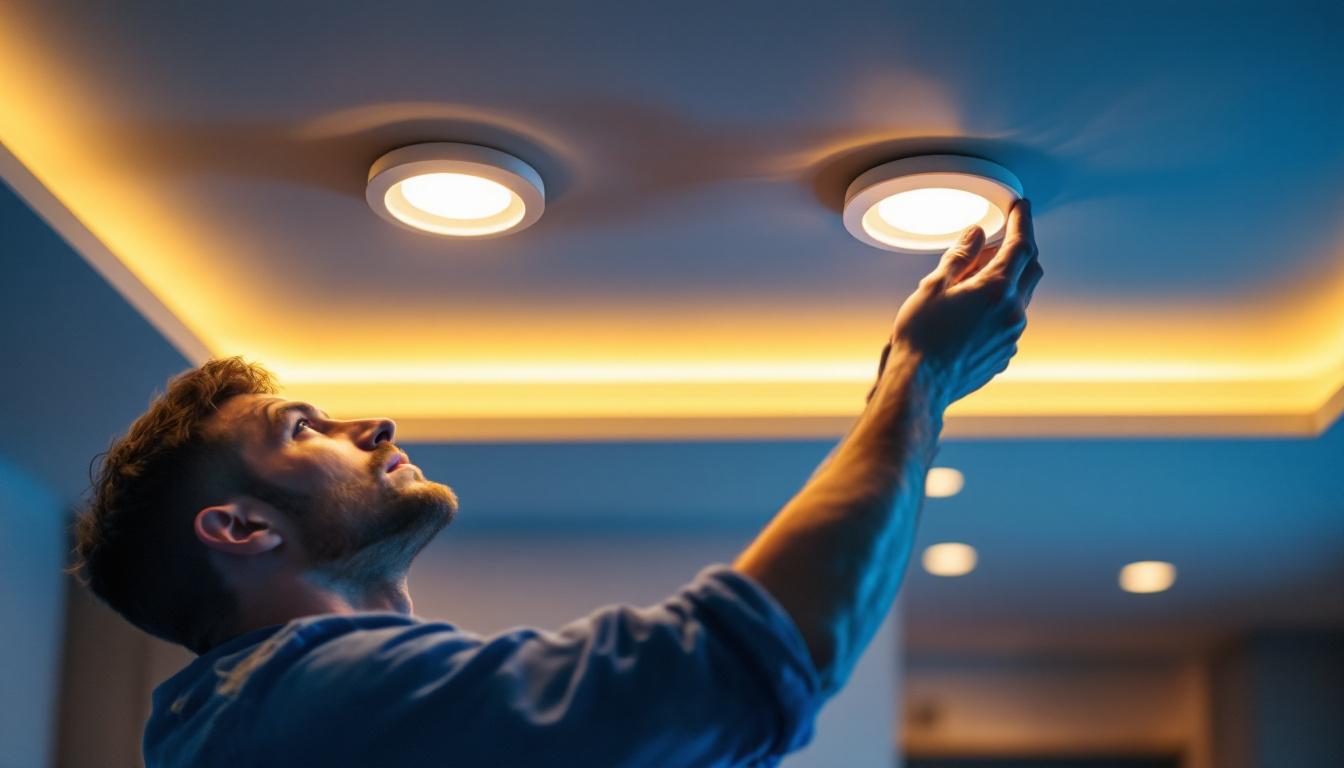
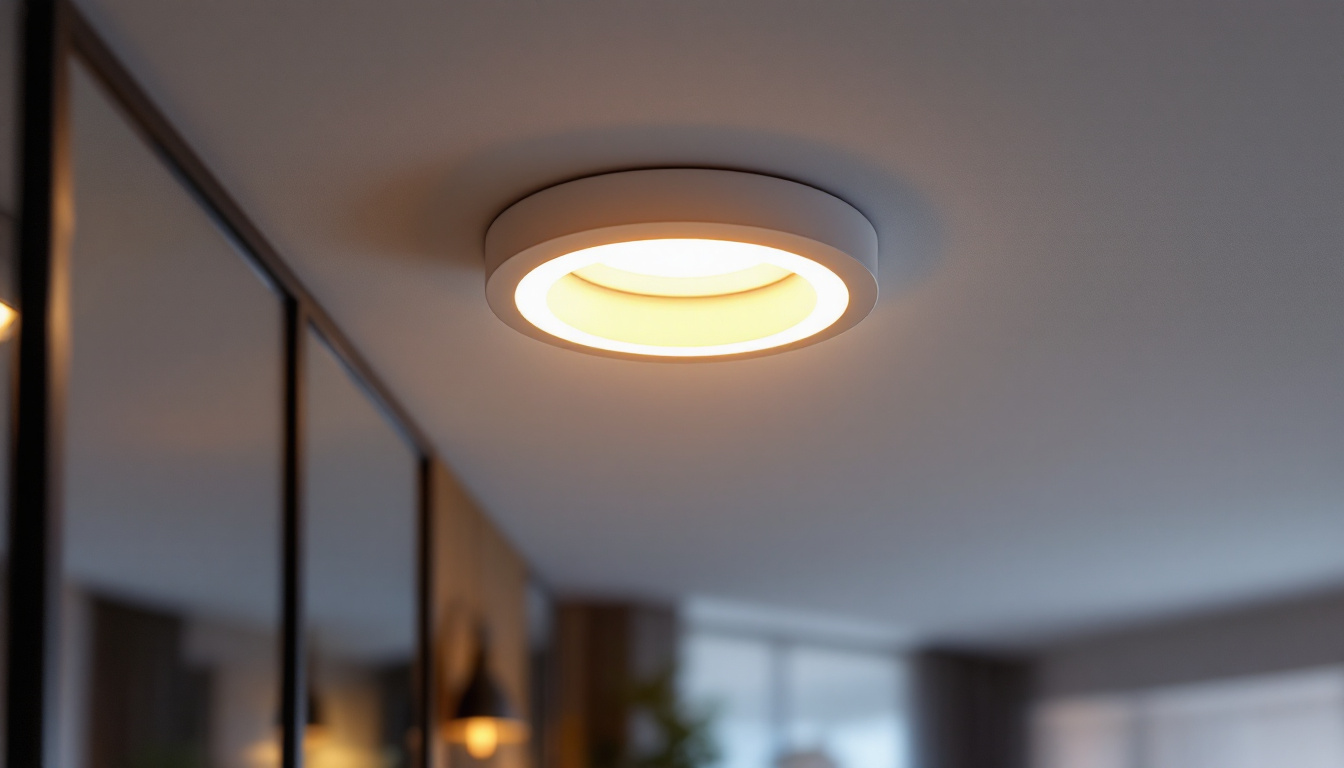
Recessed bulbs, often referred to as can lights or downlights, are a staple in modern lighting design. Their sleek, unobtrusive appearance makes them ideal for both residential and commercial applications, providing focused illumination without cluttering the ceiling space. For lighting contractors, mastering the nuances of recessed lighting is essential to delivering high-quality installations that meet client expectations and comply with safety standards.
At their core, recessed bulbs are housed within a cylindrical fixture installed into the ceiling cavity. This design directs light downward, creating a clean and minimalist aesthetic while offering versatile lighting options. Understanding the different types of recessed bulbs, their specifications, and installation requirements forms the foundation of effective recessed lighting projects.
Types of Recessed Bulbs and Their Applications
Lighting contractors should be familiar with the variety of recessed bulbs available, including LED, halogen, and incandescent options. LED recessed bulbs have become the industry standard due to their energy efficiency, longevity, and reduced heat output. In contrast, halogen and incandescent bulbs, while less common today, may still be used in specific scenarios where color rendering or dimming performance is prioritized.
Each bulb type comes with different base sizes, wattage ratings, and beam angles, influencing the overall lighting effect. For example, narrow beam angles are ideal for accent lighting, highlighting architectural features or artwork, whereas wider beam angles provide general illumination for larger spaces. Additionally, the choice of bulb can significantly impact the overall energy consumption of a project; for instance, opting for LED bulbs can lead to substantial savings on electricity bills over time, making them a more sustainable choice for environmentally conscious clients.
Key Specifications and Standards
Contractors must pay close attention to specifications such as lumen output, color temperature, and dimmability. Lumen output determines brightness, with recessed bulbs typically ranging from 400 to over 1000 lumens depending on the application. Color temperature, measured in Kelvins, affects the ambiance—warm white (2700K-3000K) is common in residential settings, while cooler temperatures (3500K-5000K) suit commercial or task lighting.
Compliance with safety standards, including UL listing and IC (Insulation Contact) ratings, is critical. IC-rated fixtures can safely come into contact with insulation, preventing fire hazards. Non-IC fixtures require clearance from insulation, which impacts installation methods and material choices. Furthermore, understanding the importance of proper installation techniques, such as ensuring the correct depth and spacing between fixtures, can enhance the effectiveness of the lighting design and prevent potential issues such as light leakage or uneven illumination.
Moreover, lighting contractors should also consider the integration of smart technology into recessed lighting systems. Smart recessed bulbs can be controlled via mobile apps or voice commands, allowing for customizable lighting scenarios that can adapt to different moods or activities. This added layer of functionality not only enhances user experience but also positions contractors as forward-thinking professionals who are attuned to the latest trends in home automation and energy management.
Installation Best Practices for Recessed Bulbs
Proper installation techniques are vital to ensure safety, functionality, and aesthetic appeal. Lighting contractors must navigate challenges such as ceiling material variations, insulation presence, and electrical code requirements.
Planning and Layout Considerations
Effective recessed lighting begins with a well-thought-out plan. Contractors should collaborate with designers or clients to determine the desired lighting effect—whether ambient, task, or accent lighting. Spacing is crucial; a general rule is to space fixtures approximately half the ceiling height apart to achieve even illumination.
Consideration of fixture placement relative to room features such as walls, furniture, and architectural elements enhances the lighting design. For example, placing fixtures closer to walls can reduce shadows and highlight textures, while avoiding direct glare into occupants’ eyes. Additionally, it’s essential to consider the color temperature of the bulbs being used, as warmer tones can create a cozy atmosphere, while cooler tones are better suited for workspaces or areas requiring focus.
Furthermore, the use of dimmers can significantly enhance the versatility of recessed lighting. By allowing users to adjust the brightness according to the time of day or activity, dimmers can transform a space from functional to intimate with just a flick of a switch. This adaptability is especially beneficial in multi-purpose rooms where different lighting scenarios may be required throughout the day.
Electrical and Safety Protocols
Adhering to the National Electrical Code (NEC) and local regulations is non-negotiable. Contractors must ensure circuits are properly rated for the load, and wiring is installed with appropriate gauge and insulation. Junction boxes should be accessible and secure, and all connections must be made with approved connectors.
When working with IC-rated fixtures, insulation can be installed directly over the housing, enhancing energy efficiency by reducing heat loss. For non-IC fixtures, maintaining clearance from insulation is mandatory to prevent overheating. Additionally, using airtight trims helps minimize air leakage, contributing to building energy conservation. It’s also wise to incorporate surge protection devices, especially in areas prone to electrical storms, to safeguard the lighting system against voltage spikes that could damage the fixtures or wiring.
Moreover, before starting the installation, conducting a thorough assessment of the existing electrical system is crucial. This includes checking for any outdated wiring or potential hazards that could complicate the installation process. Ensuring that the electrical panel can handle the additional load from the recessed lighting is also a key consideration, as this can prevent future issues related to circuit overloads.
Installation Techniques for Different Ceiling Types
Drywall ceilings are the most common and straightforward for recessed lighting installation. Contractors typically cut precise holes using hole saws or drywall cutters, then secure the housing with mounting brackets or clips. In suspended ceilings, specialized fixtures designed to integrate with ceiling tiles are necessary.
For retrofit projects, where existing fixtures are replaced with recessed lighting, contractors must evaluate the ceiling cavity depth and electrical accessibility. Shallow ceilings may require low-profile or shallow-mount housings, while deep cavities allow for standard fixtures with greater flexibility in bulb selection. Additionally, it’s important to consider the aesthetic implications of the ceiling type; for instance, in a vaulted ceiling, strategically placed recessed lights can accentuate the height and architectural beauty of the space.
In homes with exposed beams or unique architectural features, adjustable or gimbal recessed fixtures can provide targeted lighting that highlights these elements. This not only enhances the visual appeal but also creates a dynamic interplay of light and shadow, adding depth to the overall design. For spaces with varying ceiling heights, using a combination of fixed and adjustable fixtures can help achieve a cohesive lighting scheme that adapts to the room’s layout and function.
Optimizing Performance and Longevity of Recessed Bulbs
Ensuring recessed bulbs perform optimally over their lifespan involves selecting the right components and implementing maintenance strategies.
Choosing Quality Components
High-quality bulbs and fixtures not only enhance lighting quality but also reduce maintenance costs. Contractors should source products from reputable manufacturers that offer warranties and meet industry standards. LED bulbs with integrated heat sinks prolong lifespan by effectively dissipating heat, a common cause of premature failure.
Trims and baffles also play a role in performance. Reflective trims can increase light output, while baffles reduce glare and improve visual comfort. Selecting trims that complement the bulb type and fixture housing ensures consistent light distribution.
Maintenance and Troubleshooting
Regular inspection of recessed lighting systems helps identify issues such as flickering, dimming, or discoloration early. Common causes include loose connections, incompatible dimmers, or bulb degradation. Lighting contractors should educate clients on proper dimmer compatibility with LED bulbs and recommend periodic cleaning to prevent dust accumulation, which can affect heat dissipation.
In commercial settings, implementing scheduled maintenance protocols can extend system life and maintain energy efficiency. Documenting fixture locations and specifications aids in efficient troubleshooting and replacement when necessary.
Energy Efficiency and Sustainability Considerations
With increasing emphasis on energy conservation, lighting contractors must integrate sustainable practices into recessed lighting projects.
Leveraging LED Technology
LED recessed bulbs consume significantly less energy compared to traditional incandescent or halogen bulbs, often reducing energy use by up to 75%. Their long lifespan—sometimes exceeding 25,000 hours—also decreases replacement frequency and waste. Contractors should prioritize LED solutions to meet client demands for eco-friendly and cost-effective lighting.
Additionally, LEDs offer superior controllability, enabling integration with smart lighting systems and occupancy sensors. These technologies optimize energy use by adjusting light levels based on occupancy or daylight availability.
Compliance with Energy Codes and Incentives
Many jurisdictions mandate energy-efficient lighting through building codes such as ASHRAE 90.1 or the International Energy Conservation Code (IECC). Lighting contractors must stay informed about these requirements to ensure compliance and avoid costly rework.
Furthermore, various utility companies and government programs offer incentives or rebates for installing energy-efficient lighting. Contractors can assist clients in navigating these programs, adding value to their services and encouraging sustainable choices.
Advanced Techniques and Innovations in Recessed Lighting
Staying abreast of emerging technologies and installation methods empowers lighting contractors to deliver cutting-edge solutions.
Smart Lighting Integration
Smart recessed bulbs and fixtures allow for remote control, scheduling, and scene setting through mobile apps or voice assistants. This capability enhances user experience and energy management. Contractors should familiarize themselves with compatible systems and installation requirements to offer these advanced options.
Adjustable and Gimbal Fixtures
Adjustable recessed fixtures, including gimbal trims, provide directional lighting flexibility. This feature is particularly valuable in retail or gallery environments where lighting needs may change frequently. Incorporating these fixtures requires precise installation to ensure smooth movement and secure positioning.
Low-Profile and Shallow-Mount Solutions
Innovations in fixture design have produced low-profile housings suitable for shallow ceilings or retrofit applications. These solutions expand the possibilities for recessed lighting in challenging spaces, allowing contractors to meet diverse client needs without compromising aesthetics or performance.
Conclusion: Mastering Recessed Bulbs for Professional Excellence
For lighting contractors, expertise in recessed bulbs encompasses technical knowledge, meticulous installation, and a commitment to energy efficiency and innovation. By understanding the types of bulbs, adhering to best practices, and embracing new technologies, contractors can deliver lighting solutions that enhance spaces, satisfy clients, and contribute to sustainable building practices.
Continuous education and adaptation to evolving industry standards ensure that lighting contractors remain competitive and capable of addressing the complex demands of modern lighting projects. Recessed bulbs, when expertly handled, are not merely fixtures but integral elements of a well-crafted lighting design strategy.
Get Your Premium Recessed Bulbs at LumenWholesale
Ready to elevate your lighting projects with the highest quality recessed bulbs? Look no further than LumenWholesale, where we provide lighting contractors with spec-grade lighting products at unbeatable wholesale prices. Say goodbye to local distributor markups and hello to our extensive selection that meets rigorous industry standards. With LumenWholesale, you’ll enjoy the convenience of bulk buying with free shipping, ensuring you get the best value without any hidden fees. Enhance your professional excellence with our reliable, high-performance lighting solutions. Wholesale Lighting at the Best Value is just a click away.