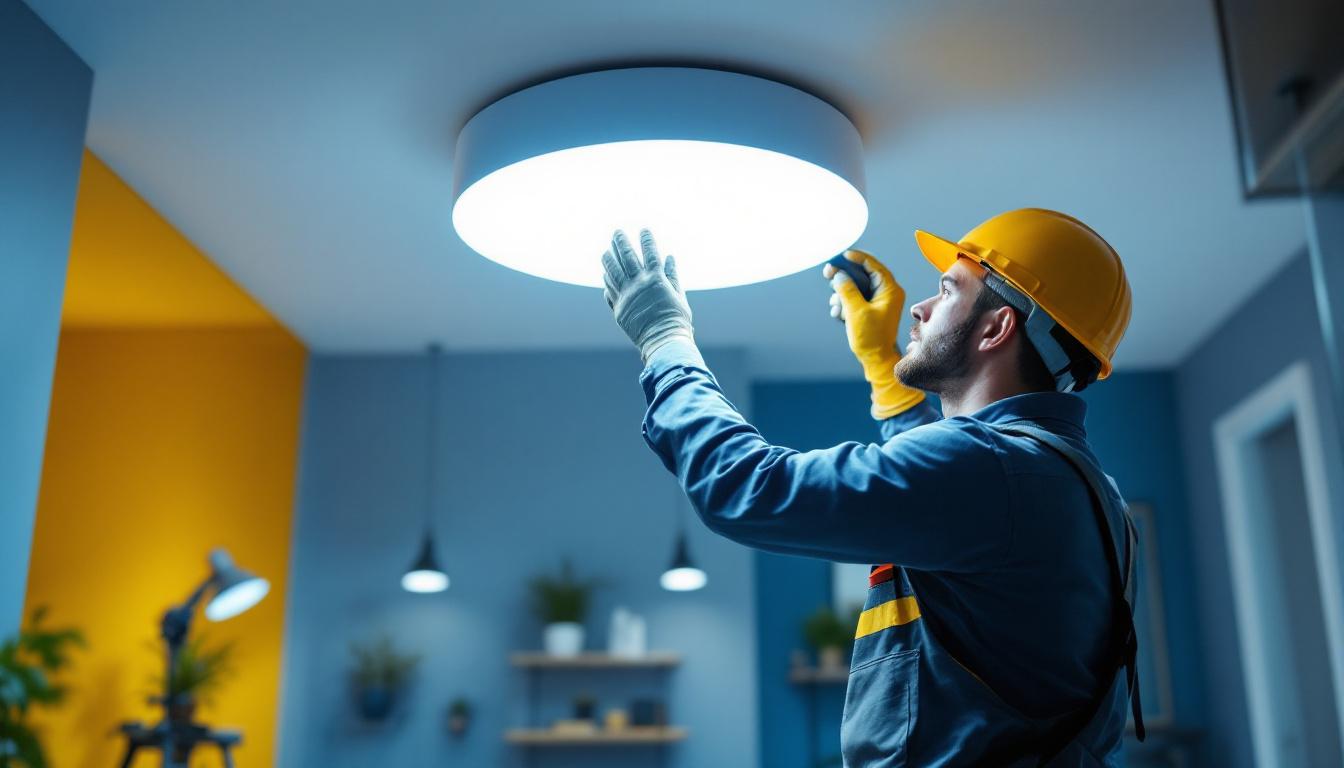
As the world of lighting continues to evolve, contractors are increasingly tasked with integrating smart technology into their designs. Basic ceiling lights are no longer just functional fixtures; they can be transformed into smart lighting solutions that enhance both aesthetics and functionality. This article explores various hacks and strategies for lighting contractors looking to upgrade their offerings and provide clients with modern, efficient lighting solutions.
Understanding Smart Lighting Technology
Smart lighting technology has revolutionized how we approach lighting design. It encompasses a range of products and systems that allow for remote control, automation, and customization of lighting environments. For lighting contractors, understanding these technologies is crucial to delivering value to clients.
What is Smart Lighting?
At its core, smart lighting refers to lighting systems that can be controlled remotely, often via a smartphone app or smart home system. This technology allows users to adjust brightness, color temperature, and even create schedules for when lights should turn on or off. By integrating smart lighting into basic ceiling fixtures, contractors can offer clients improved energy efficiency and convenience. Furthermore, many smart lighting solutions are compatible with voice-activated assistants, allowing users to control their lighting with simple voice commands, adding another layer of accessibility and ease of use.
Benefits of Smart Lighting for Clients
Clients can enjoy numerous benefits from smart lighting installations. These include enhanced energy efficiency, as smart systems can automatically adjust based on occupancy or time of day. Additionally, smart lighting can improve security by allowing homeowners to simulate occupancy when they are away. Finally, the ability to customize lighting settings can significantly enhance the ambiance of a space, making it more inviting and functional. Beyond these practical advantages, smart lighting can also contribute to mental well-being; studies have shown that appropriate lighting can influence mood and productivity. For instance, warmer tones can create a cozy atmosphere for relaxation, while cooler tones can enhance focus and alertness during work hours.
Integration with Smart Home Ecosystems
Smart lighting technology seamlessly integrates with broader smart home ecosystems, allowing for a cohesive and interconnected living experience. Homeowners can synchronize their lighting with other smart devices, such as thermostats and security cameras, creating a holistic approach to home automation. For example, smart lights can be programmed to turn on when a security camera detects movement, enhancing safety and providing peace of mind. Moreover, integration with smart home hubs enables users to create complex routines that align with their daily activities, such as dimming lights during movie nights or brightening them for morning routines. This level of integration not only adds convenience but also elevates the overall user experience, making everyday tasks more enjoyable and efficient.
Choosing the Right Fixtures
The selection of ceiling fixtures is a critical step in the installation of smart lighting. Not all fixtures are created equal, and choosing the right ones can make a significant difference in the overall effectiveness of the lighting system. The right fixtures not only enhance the aesthetic appeal of a room but also play a vital role in energy efficiency and functionality, ensuring that the lighting meets the specific needs of each space.
Types of Ceiling Fixtures
There are various types of ceiling fixtures available, including flush mounts, pendant lights, and chandeliers. Each type offers unique advantages and can be suited for different spaces. For instance, flush mounts are ideal for low ceilings and provide a clean look, while pendant lights can add a decorative element to dining areas or kitchens. Additionally, recessed lighting is another popular option that can create a sleek and modern feel, allowing for a more open and unobtrusive design. This type of fixture is particularly effective in living rooms or hallways, where a subtle yet effective light source is desired.
Compatibility with Smart Technology
When selecting fixtures, it is essential to ensure they are compatible with smart technology. Many manufacturers now offer smart ceiling lights that come with built-in connectivity features. For contractors, this means fewer complications during installation and a more streamlined experience for clients. Furthermore, smart fixtures often come equipped with features such as adjustable brightness, color temperature control, and even integration with voice-activated assistants. This allows homeowners to customize their lighting experience to suit their mood or activity, whether it’s a cozy dinner party or a focused work session. The ability to control lighting remotely through smartphone apps also adds a layer of convenience, making it easier to manage energy consumption and enhance security through automated lighting schedules.
Installation Hacks for Smart Lighting
Efficient installation is key to a successful smart lighting project. Here are some practical hacks that can help contractors streamline their processes and improve outcomes.
Pre-Installation Planning
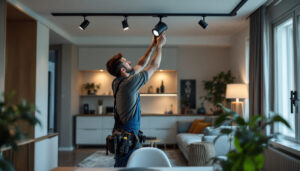
Before beginning any installation, thorough planning is essential. This includes assessing the space, determining the best locations for fixtures, and understanding the client’s needs. Creating a detailed plan can help avoid common pitfalls and ensure a smooth installation process.
Utilizing Smart Switches
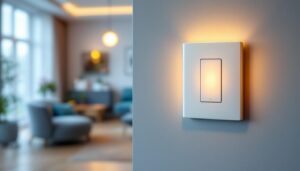
In addition to smart bulbs, smart switches can significantly enhance the functionality of basic ceiling lights. These switches allow for control over multiple fixtures from a single point, making it easier for clients to manage their lighting. Installing smart switches can also simplify the integration of existing fixtures into a smart home system.
Wiring Considerations
Proper wiring is crucial for any lighting installation, but it becomes even more important with smart lighting. Contractors should ensure that the wiring can support the additional load that smart devices may require. Additionally, using low-voltage wiring for smart systems can reduce energy consumption and improve safety.
Enhancing User Experience with Automation
Automation is one of the standout features of smart lighting systems. By incorporating automation, contractors can significantly enhance the user experience for their clients.
Creating Lighting Scenes
One of the most appealing aspects of smart lighting is the ability to create customized lighting scenes. These scenes can be programmed to adjust brightness and color temperature based on various activities, such as reading, entertaining, or relaxing. Contractors can work with clients to develop scenes that suit their lifestyle, making the lighting more functional and enjoyable.
Integrating with Smart Home Systems
Many clients may already have smart home systems in place, such as Amazon Alexa or Google Home. Ensuring that the lighting system integrates seamlessly with these platforms can enhance the overall experience. Contractors should familiarize themselves with various smart home ecosystems to provide tailored solutions that meet client needs.
Energy Efficiency and Sustainability
As energy efficiency becomes a priority for many homeowners, contractors can leverage smart lighting to promote sustainable practices. Understanding energy consumption and how smart lighting can reduce it is essential for modern contractors.
Using LED Technology
LED lights are a staple in smart lighting solutions due to their energy efficiency and longevity. By encouraging clients to switch to LED fixtures, contractors can help them save on energy bills while reducing their carbon footprint. Additionally, many smart LED bulbs offer features like dimming and color changing, which can further enhance energy savings.
Monitoring Energy Usage
Some smart lighting systems come equipped with energy monitoring features that allow users to track their consumption in real-time. This data can be invaluable for clients looking to understand their energy usage patterns and make informed decisions about their lighting. Contractors can highlight these features during the sales process to demonstrate the long-term benefits of smart lighting.
Future Trends in Smart Lighting
The smart lighting industry is constantly evolving, and staying ahead of trends can give contractors a competitive edge. Here are some emerging trends that are shaping the future of smart lighting.
Human-Centric Lighting
Human-centric lighting focuses on creating environments that support human well-being. This includes adjusting lighting based on the time of day to mimic natural light patterns. As awareness of the importance of circadian rhythms grows, contractors can position themselves as experts in human-centric lighting solutions.
Integration with IoT Devices
The Internet of Things (IoT) is expanding rapidly, and lighting is becoming an integral part of this network. Smart lighting systems that can communicate with other IoT devices—such as thermostats, security cameras, and appliances—offer enhanced functionality and convenience. Contractors who understand how to integrate these systems will be well-positioned for future projects.
Marketing Smart Lighting Services
As demand for smart lighting continues to rise, effective marketing strategies are essential for contractors looking to attract new clients. Here are some tips for promoting smart lighting services.
Showcase Successful Projects
One of the most effective ways to market smart lighting services is by showcasing successful projects. Before-and-after photos, client testimonials, and case studies can demonstrate the value of smart lighting solutions. Creating a portfolio that highlights these projects can be a powerful tool in attracting new clients.
Educate Clients on Benefits
Many clients may not fully understand the benefits of smart lighting. Providing educational resources, such as blog posts, videos, or workshops, can help demystify the technology and illustrate its advantages. By positioning themselves as knowledgeable experts, contractors can build trust and encourage clients to invest in smart lighting solutions.
Conclusion
Basic ceiling lights can be transformed into sophisticated smart lighting solutions with the right approach. By understanding smart technology, choosing the right fixtures, and employing effective installation techniques, lighting contractors can enhance their offerings and provide clients with modern, efficient lighting options. As the industry continues to evolve, staying informed about trends and marketing strategies will ensure long-term success in the competitive lighting market.
Upgrade Your Lighting Projects with LumenWholesale
Ready to take your lighting installations to the next level? At LumenWholesale, we provide you with the cutting-edge, spec-grade lighting products you need to create smart, efficient, and beautiful spaces. Our commitment to quality and affordability means you can access the best lighting solutions at wholesale prices, with the convenience of free shipping on bulk orders. Elevate your lighting projects with the reliability and performance of our products. Discover the value we offer and make LumenWholesale your go-to source for all your lighting needs. Wholesale Lighting at the Best Value