Understanding the MR16 Light Fixture: Fundamentals for Lighting Contractors
The MR16 light fixture has become a staple in the lighting industry, especially for contractors specializing in residential and commercial installations. Known for its compact size and versatility, the MR16 lamp is a multifaceted tool that offers excellent directional lighting, energy efficiency, and aesthetic appeal. For lighting contractors, understanding the technical specifications, applications, and installation nuances of MR16 fixtures is essential to delivering high-quality results that meet client expectations.
At its core, the MR16 refers to a multifaceted reflector lamp with a diameter of 2 inches (16 eighths of an inch, hence the name). These fixtures typically use low-voltage halogen or LED bulbs, which provide bright, focused illumination. The design allows for precise beam control, making MR16 fixtures ideal for accent, task, and display lighting. This precision is particularly valuable in retail environments, galleries, and hospitality settings where highlighting specific features or products is crucial.
Key Technical Specifications
Lighting contractors should be familiar with the electrical and physical characteristics of MR16 fixtures. Traditionally, MR16 lamps operate on 12 volts, requiring a transformer to step down the standard line voltage. This low-voltage operation enhances safety and allows for smaller fixture sizes. However, with the advent of LED technology, some MR16 lamps now operate directly on line voltage or use integrated drivers, simplifying installation.
Another important consideration is the beam angle, which can range from narrow spotlights (around 10 degrees) to wide floodlights (up to 60 degrees). Selecting the appropriate beam angle depends on the lighting objective—whether it’s highlighting a piece of artwork or providing general illumination. Additionally, the color temperature of MR16 bulbs can vary significantly, typically ranging from warm white (around 2700K) to cool white (up to 5000K). This range allows contractors to tailor the lighting to create specific moods or enhance the visual appeal of a space. For instance, warm white light can create a cozy atmosphere in residential settings, while cooler temperatures are often preferred in commercial spaces to promote alertness and productivity.
Moreover, the versatility of MR16 fixtures extends beyond their functional capabilities. They come in various finishes and styles, allowing for seamless integration into diverse design aesthetics. From sleek modern designs to more traditional fixtures, MR16 lamps can complement a wide range of interior styles. This adaptability makes them a favorite choice among architects and interior designers, who appreciate their ability to blend form and function. Furthermore, the energy efficiency of LED MR16 options not only reduces electricity costs but also contributes to sustainability efforts, appealing to environmentally conscious clients. As such, contractors who are knowledgeable about the latest MR16 technologies and trends can provide valuable insights to their clients, helping them make informed decisions that align with their vision and budget.
Installation Best Practices for MR16 Fixtures
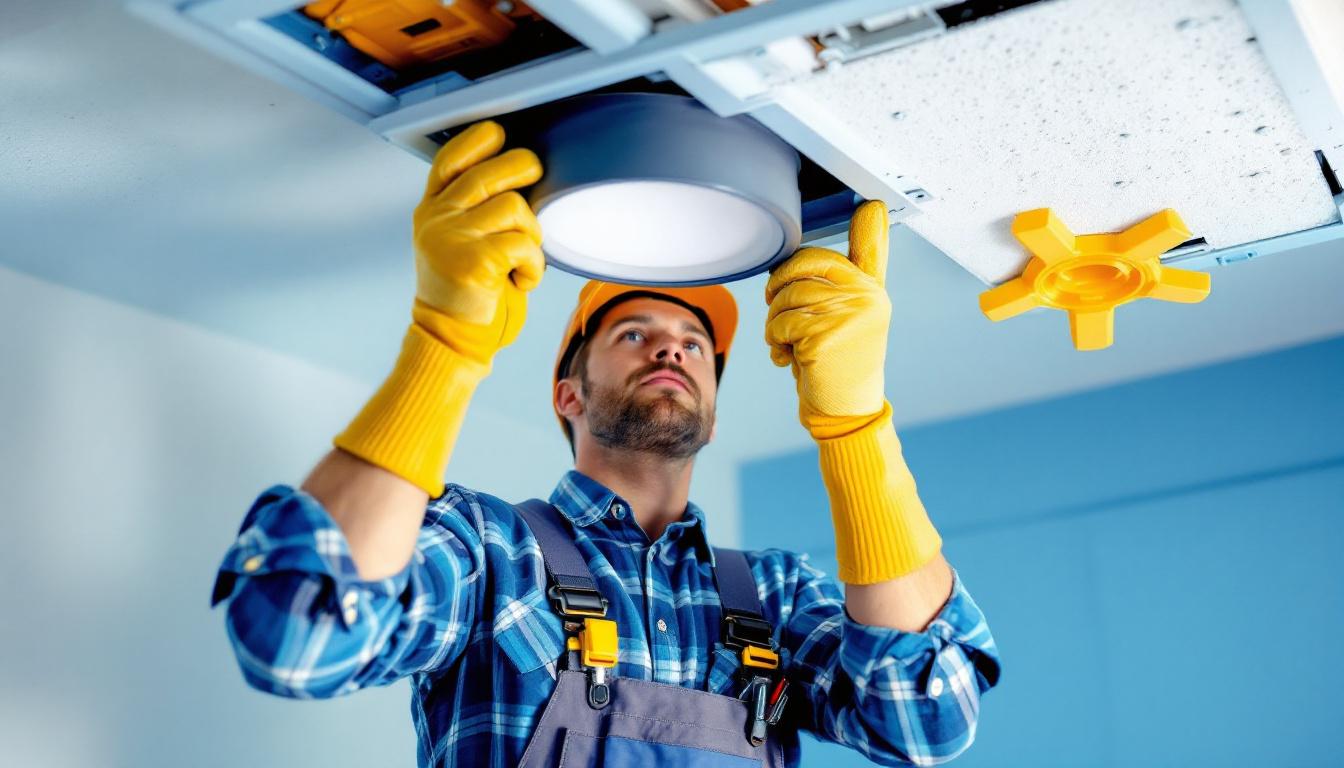
Proper installation is critical to ensuring the longevity and performance of MR16 light fixtures. Lighting contractors must adhere to best practices that address electrical safety, fixture placement, and compatibility with existing systems.
Transformer Selection and Wiring Considerations
Because many MR16 lamps operate on low voltage, selecting the correct transformer is a fundamental step. Contractors should calculate the total wattage of all MR16 lamps on a circuit and choose a transformer with a capacity that exceeds this load by at least 20% to prevent overheating and premature failure. Additionally, transformers come in magnetic and electronic varieties, each with pros and cons. Electronic transformers are more energy-efficient and compact, but they may cause flickering with certain dimmers. Magnetic transformers are more robust but bulkier and less efficient.
Wiring must comply with local electrical codes and standards. Using the correct gauge wire minimizes voltage drop, which can cause dimming or flickering. For runs longer than 20 feet, upsizing the wire gauge is recommended. Proper grounding and secure connections are essential to avoid electrical hazards. Furthermore, it’s advisable to use stranded wire for flexibility, especially in tight spaces, as it can facilitate easier routing and connections. Contractors should also consider the use of heat-resistant wire insulation in areas where high temperatures may be a concern, ensuring that the wiring remains safe and functional over time.
Fixture Placement and Mounting Techniques
MR16 fixtures are often recessed or surface-mounted. When installing recessed MR16 downlights, contractors should ensure that the fixture housing is compatible with ceiling materials and insulation. IC-rated housings are necessary when fixtures come in contact with insulation to prevent fire hazards. Additionally, maintaining adequate clearance around the fixture allows for heat dissipation, which is especially important for halogen lamps. It’s also beneficial to consider the spacing of recessed fixtures; a common guideline is to place fixtures approximately 4 to 6 feet apart to achieve even lighting without excessive shadows.
Surface-mounted MR16 fixtures require secure mounting brackets and careful alignment to achieve the desired beam direction. Adjustable trims offer flexibility in directing light, but contractors should verify that the fixture’s rotation and tilt mechanisms operate smoothly without compromising the fixture’s stability. Moreover, when selecting the location for surface-mounted fixtures, it’s essential to consider the height of the ceiling and the intended use of the space. For instance, in areas with higher ceilings, fixtures may need to be positioned closer together to maintain effective illumination levels. Additionally, using dimmers in conjunction with MR16 fixtures can enhance the ambiance of a space, allowing for customizable lighting that adapts to various activities and moods.
Energy Efficiency and LED Retrofits
The lighting industry is rapidly evolving, with energy efficiency becoming a top priority for contractors and clients alike. MR16 fixtures, traditionally halogen-based, are increasingly being retrofitted with LED equivalents that offer significant energy savings and longer service life.
Advantages of LED MR16 Lamps
LED MR16 lamps consume up to 80% less energy than halogen counterparts while delivering comparable or superior light output. They generate less heat, reducing cooling loads in interior spaces. Additionally, LEDs have lifespans that can exceed 25,000 hours, minimizing maintenance and replacement costs.
From a lighting quality perspective, LED MR16s offer a range of color temperatures, from warm white to daylight, enabling contractors to tailor lighting schemes to client preferences. High Color Rendering Index (CRI) LED lamps enhance color accuracy, which is critical in retail and hospitality environments.
Challenges and Solutions in LED Retrofits
Despite their benefits, LED retrofits present unique challenges. Compatibility with existing transformers is a common issue; many electronic transformers designed for halogen lamps may not operate correctly with LED loads, causing flickering or failure to start. Lighting contractors should test LED lamps with the installed transformers or recommend replacing transformers with LED-compatible models.
Another consideration is beam quality. Some early LED MR16 lamps produced uneven or harsh light patterns, but recent advancements have improved optics to deliver smooth, well-defined beams. Contractors should select LED lamps from reputable manufacturers and verify photometric data to ensure performance meets project requirements.
Maintenance and Troubleshooting for MR16 Lighting Systems
Effective maintenance practices extend the life of MR16 lighting systems and ensure consistent performance. Lighting contractors often provide ongoing support to clients, making troubleshooting skills essential.
Common Issues and Their Causes
Flickering is one of the most frequent complaints with MR16 fixtures. Causes include incompatible dimmers, faulty transformers, loose wiring, or bulb degradation. Contractors should systematically isolate the issue by testing components individually and verifying compatibility.
Another common problem is premature bulb failure. Halogen MR16 lamps are sensitive to oils and dirt on the glass surface, which can cause hotspots and reduce lifespan. Proper handling with gloves or clean cloths during installation is critical. LED MR16s, while more durable, can fail due to overheating if ventilation is inadequate.
Routine Maintenance Recommendations
Regular inspection of wiring connections and transformer operation helps prevent unexpected outages. Cleaning fixtures and replacing bulbs before the end of their rated life can maintain optimal light quality. For LED systems, firmware updates or driver replacements may be necessary in advanced smart lighting setups.
Compliance and Safety Considerations
Lighting contractors must ensure that MR16 installations comply with all relevant safety codes and standards. Adherence to regulations not only protects clients but also mitigates liability risks.
Regulatory Standards and Certifications
MR16 fixtures and lamps should carry certifications such as UL, ETL, or CE marks, indicating compliance with safety and performance standards. Contractors should verify that all components used in a project meet these certifications.
In addition, energy codes such as those from the International Energy Conservation Code (IECC) or local jurisdictions may mandate minimum efficiency levels or restrict the use of certain halogen lamps. Staying informed about these requirements enables contractors to recommend compliant solutions.
Safe Handling and Disposal
Halogen MR16 lamps contain halogen gases and should be handled carefully to avoid breakage. Contractors should educate clients on safe replacement procedures and proper disposal methods. LED lamps, while containing no hazardous gases, may include electronic components requiring recycling according to e-waste regulations.
Conclusion: Elevating MR16 Installations Through Expertise
For lighting contractors, mastery of MR16 light fixtures is a valuable asset that enhances the quality and efficiency of their work. By understanding the technical details, adhering to best installation practices, embracing energy-efficient LED technology, and maintaining rigorous safety standards, contractors can deliver superior lighting solutions that satisfy client needs and stand the test of time.
As lighting technology continues to evolve, ongoing education and adaptation will enable contractors to remain at the forefront of the industry, leveraging MR16 fixtures to create compelling, efficient, and safe lighting environments.
Get Your MR16 Lighting Solutions at LumenWholesale
Ready to elevate your lighting projects with the best MR16 fixtures on the market? Look no further than LumenWholesale. Our commitment to providing contractors with top-quality, spec-grade lighting products at unbeatable wholesale prices sets us apart. With LumenWholesale, you can access an extensive selection of premium lighting that meets the highest industry standards, ensuring reliable, high-performance lighting for every project. Plus, enjoy the convenience of bulk buying with free shipping and no hidden fees. Don’t compromise on quality or value—choose LumenWholesale for the perfect blend of quality, affordability, and convenience. Discover our exceptional range and take advantage of the best value in wholesale lighting by visiting Wholesale Lighting at the Best Value today.