Introduction to Landscaping Lighting and Its Importance
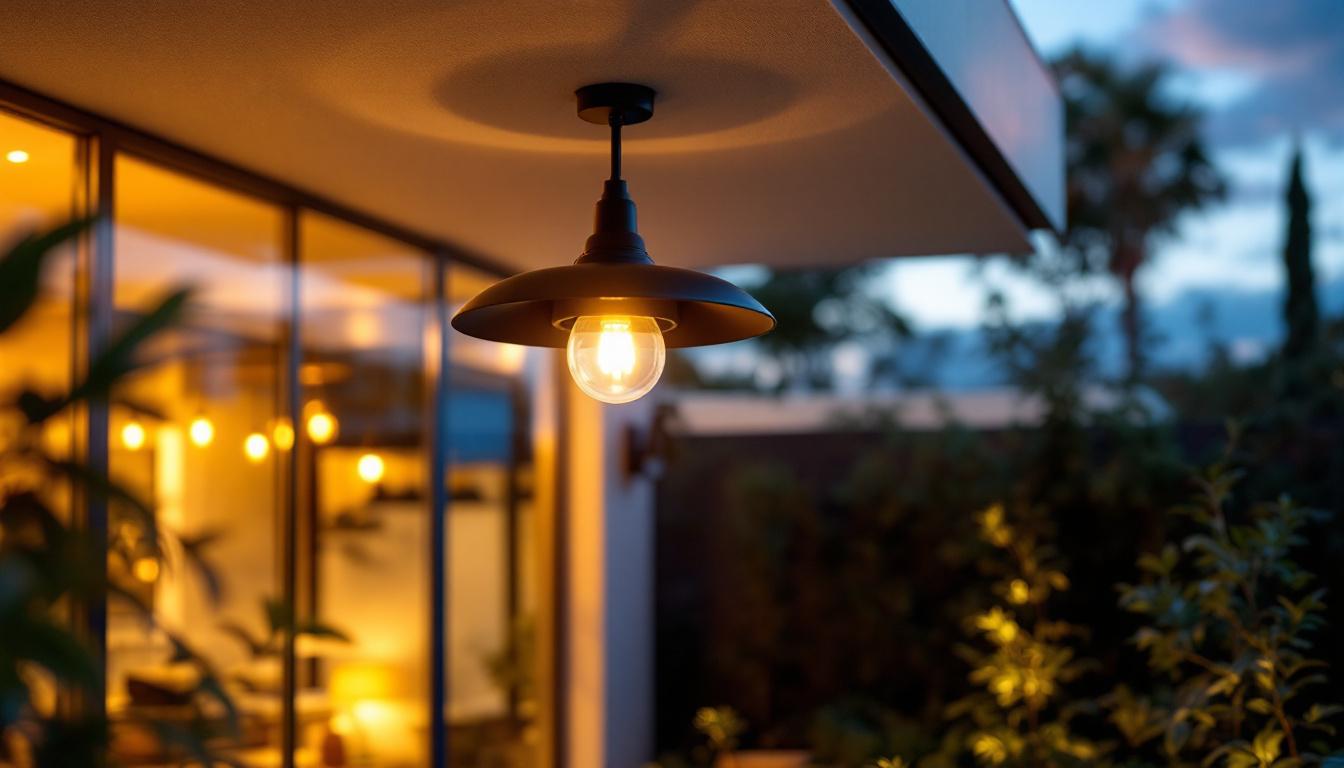
Landscaping lighting has evolved from a mere decorative element to a critical component in outdoor design and safety. For lighting contractors, understanding the nuances of landscape lighting not only enhances the aesthetic appeal of outdoor spaces but also significantly improves operational efficiency. This article explores how strategic use of lights for landscaping can streamline workflows, reduce costs, and elevate client satisfaction.
As outdoor spaces become more complex and clients demand more sophisticated lighting solutions, contractors must adapt by integrating efficient lighting technologies and smart installation practices. The right lighting choices can transform a simple garden into a captivating nighttime environment while optimizing energy consumption and maintenance efforts.
Moreover, the integration of smart technology into landscaping lighting systems has opened up a world of possibilities for both contractors and homeowners. With the advent of smart lighting controls, users can easily adjust brightness levels, set timers, and even change colors to suit different moods or occasions, all from the convenience of their smartphones. This level of customization not only enhances the user experience but also promotes energy efficiency by allowing for precise control over lighting usage. Additionally, the ability to automate lighting schedules can significantly reduce the wear and tear on fixtures, extending their lifespan and minimizing maintenance costs.
Furthermore, the strategic placement of landscape lighting can greatly enhance safety and security around residential and commercial properties. Well-lit pathways, driveways, and entry points deter potential intruders while guiding guests safely through outdoor spaces. The use of motion-sensor lights can further enhance security by illuminating areas only when movement is detected, thus conserving energy when the space is unoccupied. By prioritizing safety through thoughtful lighting design, contractors can not only meet client expectations but also build a reputation for reliability and professionalism in their services.
Understanding the Role of Lighting Contractors in Landscaping Projects
Scope of Work and Challenges
Lighting contractors play a pivotal role in the successful implementation of landscaping lighting projects. Their responsibilities include designing lighting layouts, selecting appropriate fixtures, managing electrical installations, and ensuring compliance with safety standards. These tasks require a blend of technical expertise and creative vision. Moreover, lighting contractors must stay updated on the latest trends in landscape lighting technology, such as energy-efficient LEDs and smart lighting systems, which can enhance both the aesthetic appeal and functionality of outdoor spaces.
One of the primary challenges contractors face is balancing client expectations with practical constraints such as budget, terrain, and environmental factors. Additionally, outdoor lighting systems must be durable and weather-resistant, which demands careful product selection and installation techniques. The choice of materials, for instance, can significantly impact the longevity and performance of the lighting fixtures. Contractors often have to educate clients about the importance of investing in high-quality products to avoid frequent replacements and maintenance issues. Furthermore, they must navigate local regulations and zoning laws that may affect the placement and intensity of outdoor lighting, ensuring that their designs comply with community standards.
Impact on Project Timelines and Costs
Efficient lighting solutions directly influence project timelines and costs. Poorly planned lighting installations can lead to extended labor hours, increased material waste, and costly reworks. Conversely, well-designed lighting systems reduce installation complexity and minimize troubleshooting, allowing contractors to complete projects on schedule and within budget. A proactive approach to project management, including thorough site assessments and detailed planning, can significantly mitigate potential delays. Additionally, contractors often collaborate closely with landscape architects and designers to integrate lighting seamlessly into the overall landscape design, which not only enhances visual appeal but also ensures that all elements of the project are harmonized from the outset.
Moreover, the integration of advanced technologies such as automated controls and smart home systems can further streamline the installation process. By incorporating features like motion sensors, timers, and remote access, contractors can create lighting solutions that are not only energy-efficient but also user-friendly. This technological integration can lead to long-term savings for clients, as well as increased satisfaction with the final product. As contractors navigate the complexities of landscaping projects, their ability to adapt to new technologies and evolving client needs will be crucial in delivering successful outcomes.
How Modern Landscaping Lights Enhance Contractor Efficiency
Energy-Efficient LED Technology
LED lighting has revolutionized the landscaping industry by offering superior energy efficiency and longevity compared to traditional incandescent or halogen bulbs. For contractors, LED lights reduce the frequency of replacements and maintenance visits, which translates into time and cost savings.
Moreover, LEDs generate less heat, allowing for safer installations near plants and delicate materials. Their compact size and versatility enable contractors to create intricate lighting designs without compromising durability or performance. The ability to choose from a wide range of color temperatures also allows for tailored lighting schemes that can enhance the aesthetic appeal of any landscape, from warm, inviting tones to cooler, more modern hues. This adaptability not only elevates the visual impact of outdoor spaces but also helps in creating specific moods or themes, making it easier for contractors to meet diverse client preferences.
Smart Lighting Controls and Automation
Integrating smart controls such as timers, dimmers, and motion sensors allows contractors to offer clients customizable lighting experiences while optimizing energy use. Automation reduces manual intervention, enabling lighting systems to operate efficiently with minimal oversight.
For example, motion-activated lights can enhance security while conserving power by illuminating areas only when needed. Remote control capabilities also facilitate easier adjustments and troubleshooting, reducing the need for on-site visits. Additionally, many smart lighting systems can be integrated with home automation platforms, allowing homeowners to control their outdoor lighting through smartphones or voice commands. This level of convenience not only appeals to tech-savvy clients but also opens up new avenues for contractors to offer value-added services, such as ongoing support and system upgrades, further solidifying long-term client relationships.
Modular and Pre-Wired Lighting Systems
Pre-wired and modular lighting components simplify the installation process, allowing contractors to assemble and deploy systems faster. These solutions reduce wiring errors and improve safety by standardizing connections.
By minimizing on-site customization, contractors can focus on fine-tuning the lighting design rather than dealing with complex electrical setups. This approach also supports scalability, enabling easy future upgrades or expansions. Furthermore, the use of modular systems allows for greater flexibility in design, as contractors can easily swap out components or add new fixtures as client needs evolve. This adaptability not only enhances the contractor’s efficiency but also ensures that the final lighting solution remains relevant and functional over time, ultimately leading to higher client satisfaction and repeat business.
Best Practices for Lighting Contractors to Maximize Efficiency
Comprehensive Site Assessment and Planning
Thorough site evaluation is essential to identify optimal fixture placement, power source locations, and potential obstacles. Contractors who invest time in detailed planning can anticipate challenges and reduce unexpected delays.
Using digital tools such as landscape design software and 3D modeling enhances visualization and communication with clients, ensuring alignment on project goals before installation begins.
Choosing Durable and Weather-Resistant Fixtures
Outdoor lighting fixtures must withstand exposure to moisture, temperature fluctuations, and physical impact. Selecting products with appropriate IP ratings and robust construction materials ensures longevity and reduces maintenance demands.
Contractors should also consider corrosion-resistant finishes and sealed wiring connections to prevent electrical issues caused by environmental factors.
Efficient Wiring and Power Management
Optimizing wiring layouts minimizes material usage and reduces voltage drop, which can affect light performance. Contractors should employ low-voltage systems where possible to enhance safety and energy efficiency.
Incorporating centralized power supplies and surge protection devices safeguards the lighting system from electrical faults, extending its lifespan and reliability.
Regular Maintenance and Client Education
Providing clients with maintenance guidelines and scheduling periodic inspections helps preserve lighting quality and functionality. Contractors who offer maintenance services build long-term relationships and generate repeat business.
Educating clients on the benefits of energy-efficient lighting and smart controls encourages responsible usage, further enhancing system efficiency and sustainability.
Case Studies Demonstrating Efficiency Gains in Landscaping Lighting
Residential Garden Lighting Project
A lighting contractor implemented an LED-based landscape lighting system with smart controls for a residential garden. By replacing traditional halogen fixtures with LEDs and integrating motion sensors, the contractor reduced energy consumption by over 60% and cut installation time by 30% due to modular components.
The client reported enhanced nighttime ambiance and security, while the contractor benefited from streamlined installation and reduced follow-up maintenance visits.
Commercial Park Lighting Upgrade
In a large public park, a contractor upgraded aging lighting infrastructure to a networked LED system with centralized control. This upgrade allowed for remote monitoring and scheduling, improving operational efficiency and reducing energy costs by nearly 50%.
The project also included weather-resistant fixtures and optimized wiring layouts, resulting in fewer outages and maintenance interventions.
The Future of Landscaping Lighting for Contractors
Emerging Technologies and Trends
Advancements such as solar-powered fixtures, adaptive lighting that responds to environmental conditions, and integration with smart city infrastructure are shaping the future of landscaping lighting. Contractors who stay abreast of these trends can offer cutting-edge solutions that appeal to environmentally conscious clients.
Additionally, augmented reality (AR) tools for design visualization and drone-assisted site surveys are poised to enhance planning accuracy and installation efficiency.
Environmental and Regulatory Considerations
Increasing emphasis on sustainability and compliance with lighting ordinances requires contractors to adopt eco-friendly practices. Utilizing low-impact lighting designs that minimize light pollution and energy use aligns with regulatory requirements and community expectations.
Contractors who proactively address these considerations position themselves as responsible professionals and gain a competitive advantage in the market.
Conclusion
Lights for landscaping represent more than aesthetic enhancements; they are strategic tools that improve efficiency for lighting contractors. By leveraging energy-efficient technologies, smart controls, and best installation practices, contractors can streamline operations, reduce costs, and deliver superior results to clients.
Staying informed about industry advancements and adopting a holistic approach to design, installation, and maintenance will ensure that lighting contractors remain competitive and successful in an evolving market. Ultimately, efficient landscaping lighting solutions benefit contractors, clients, and the environment alike.
Upgrade Your Lighting Game with LumenWholesale
Ready to elevate your landscaping projects with the most efficient lighting solutions on the market? Look no further than LumenWholesale, where we provide contractors with the highest quality, spec-grade lighting products at unbeatable wholesale prices. Say goodbye to local distributor markups and hello to superior lighting that meets the highest industry standards. With our hassle-free bulk buying and free shipping, you’ll enjoy premium lighting at the best value — all without hidden fees or compromises. Don’t miss out on the perfect blend of quality, affordability, and convenience. Wholesale Lighting at the Best Value is just a click away. Transform your lighting approach with LumenWholesale today.