Understanding Sensor Flood Lights: A Foundation for Success
Sensor flood lights have become a staple in both residential and commercial lighting projects. Their ability to provide illumination only when needed saves energy and enhances security. However, the technology behind these lights, while straightforward, requires careful consideration to avoid costly errors during installation and specification.
For lighting contractors, grasping the nuances of sensor flood lights is essential. These fixtures combine a powerful light source with motion or presence sensors, typically using technologies like passive infrared (PIR), microwave, or ultrasonic detection. Each sensor type has distinct characteristics that influence performance and suitability for different environments.
Why Sensor Choice Matters
Choosing the right sensor type is the first critical step. PIR sensors detect heat and movement, making them ideal for outdoor use where temperature differences are clear. Microwave sensors emit radio waves and detect motion through reflections, which can penetrate certain materials, sometimes causing false triggers. Ultrasonic sensors use sound waves, but they are less common in flood lighting due to sensitivity issues.
Misunderstanding these differences can lead to frequent false activations or failure to detect legitimate movement. This not only frustrates end-users but can also increase maintenance calls and damage your professional reputation. Additionally, the placement of these sensors is crucial; a well-placed sensor can maximize coverage and minimize blind spots. For instance, positioning a PIR sensor too close to a heat source, like an air conditioning unit, may cause it to trigger unnecessarily, while placing it in a shaded area can hinder its effectiveness.
Moreover, the integration of smart technology into sensor flood lights has opened new avenues for customization and control. Many modern systems allow users to adjust sensitivity settings, duration of illumination, and even integrate with home automation systems. This flexibility not only enhances user experience but also allows for tailored solutions that meet specific security needs. For example, a homeowner may prefer a longer activation time when they are home, while a business may require shorter bursts of light to deter trespassers without disturbing nearby residents.
Common Pitfalls in Sensor Flood Light Projects
Despite the apparent simplicity of sensor flood lights, contractors often encounter avoidable mistakes that inflate costs and extend project timelines. Recognizing these pitfalls upfront can save significant headaches.
Improper Sensor Placement and Coverage
One of the most frequent errors is incorrect sensor positioning. Sensors must cover the intended detection zones without blind spots. For example, mounting a sensor too high or in a corner might reduce its effective range or cause it to miss critical areas.
Consider the environment carefully. Trees, shrubs, or nearby heat sources like air conditioners can interfere with sensor performance. A sensor aimed directly at a busy road may trigger constantly due to passing vehicles, wasting energy and irritating occupants. Additionally, the angle of the sensor is crucial; if it’s not tilted correctly, it may not detect motion from all directions, leading to gaps in security coverage.
Overlooking Environmental Factors
Environmental conditions can drastically affect sensor flood light operation. Rain, fog, or dust accumulation on sensors can impair detection. Extreme temperatures may also impact sensor sensitivity.
Contractors should specify fixtures rated for the local climate and ensure proper sealing against moisture and debris. Regular maintenance schedules must be communicated to clients to preserve long-term functionality. This includes not only cleaning the sensors but also checking the integrity of the wiring and connections, which can degrade over time due to exposure to the elements. Furthermore, understanding seasonal changes can help in adjusting the sensitivity settings of the sensors, ensuring optimal performance throughout the year.
Ignoring Light Pollution and Glare
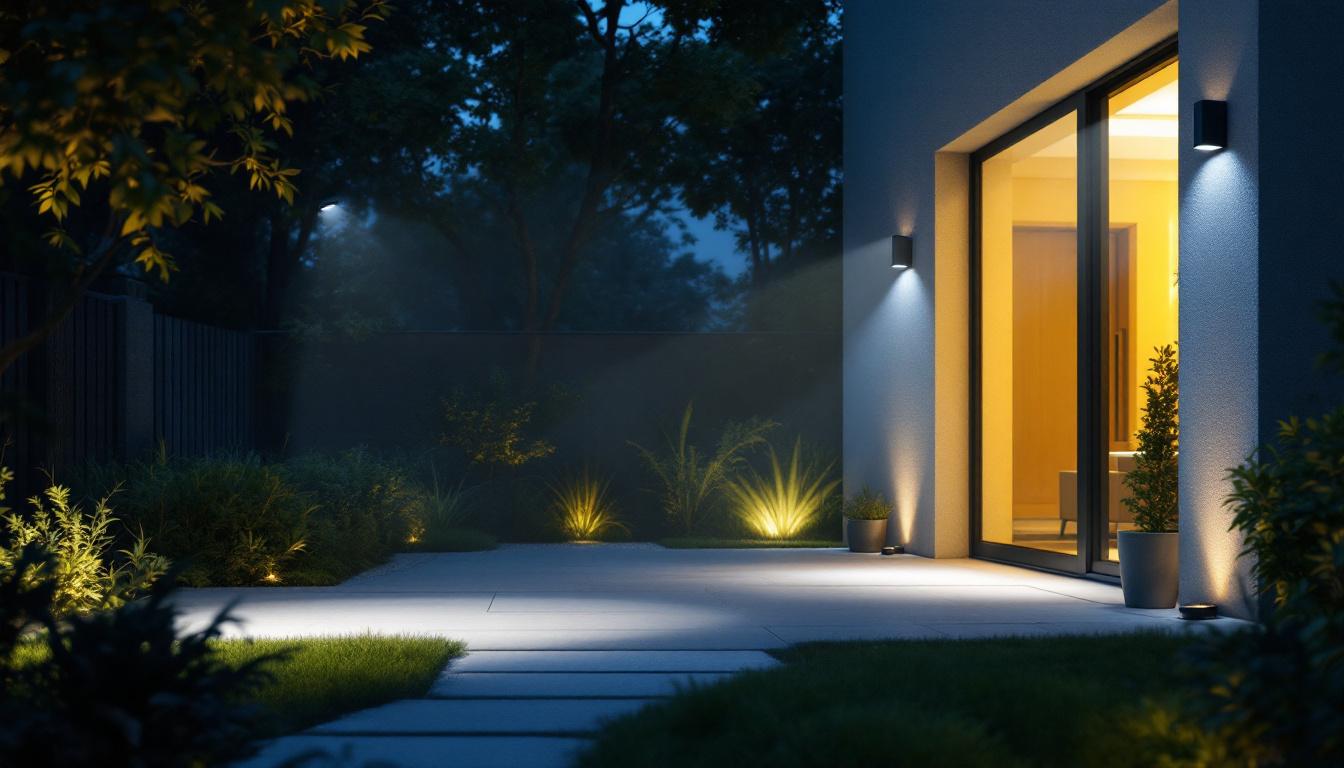
Flood lights with sensors are powerful, but without careful planning, they can contribute to light pollution or create glare that disrupts neighbors or drivers. This can lead to complaints, legal issues, or the need for costly adjustments.
Using shields, adjusting beam angles, and selecting appropriate brightness levels are crucial steps. Compliance with local lighting ordinances is non-negotiable and should be verified during project planning. Moreover, educating clients on the importance of responsible lighting can foster community goodwill and reduce the likelihood of disputes. It may also be beneficial to incorporate smart technology that allows for dimming or adjusting the lights based on ambient light levels, further mitigating the impact on the surrounding environment. By taking these proactive measures, contractors can enhance the effectiveness of their installations while promoting sustainable practices in lighting design.
Specifying the Right Sensor Flood Light for Each Project
Choosing the correct fixture goes beyond sensor type. It involves evaluating lumens output, color temperature, power source, and integration capabilities.
Balancing Brightness and Energy Efficiency
LED technology dominates the sensor flood light market due to its efficiency and longevity. However, specifying the right lumen output is key. Too bright, and the light wastes energy and causes glare; too dim, and it fails its security purpose.
Contractors should assess the area size, mounting height, and intended use to determine the optimal brightness. Energy-efficient models with adjustable output can provide flexibility and cost savings over time. Additionally, incorporating dimming features can enhance energy savings, allowing lights to automatically adjust based on ambient light levels or specific time schedules. This not only reduces energy consumption but also prolongs the lifespan of the fixtures, making it a win-win for both the environment and the budget.
Color Temperature and Its Impact
Color temperature affects not only aesthetics but also visibility and comfort. Cooler temperatures (5000K and above) offer crisp, bright light that enhances security perception but can be harsh. Warmer temperatures (around 3000K) create a softer ambiance but may reduce contrast.
Choosing the right color temperature depends on the project’s context. For security-focused installations, cooler light is often preferred. For residential or mixed-use areas, a balance may be necessary to avoid discomfort. Furthermore, it’s essential to consider how different color temperatures can influence human behavior; studies have shown that warmer lights can promote relaxation, while cooler lights can enhance alertness. This understanding can guide the selection process, ensuring that the lighting not only serves its functional purpose but also contributes positively to the environment.
Power Options and Smart Integration
Sensor flood lights come with various power options, including hardwired, solar-powered, and battery-operated models. Each has pros and cons related to installation complexity, reliability, and maintenance.
Smart lighting integration is increasingly important. Fixtures compatible with building automation systems or remote control apps offer enhanced functionality and client appeal. Specifying such options can differentiate your service but requires familiarity with the technology and potential troubleshooting. Moreover, the integration of sensors that can detect motion, temperature, or even air quality can elevate the utility of flood lights beyond mere illumination. For instance, a sensor that adjusts lighting based on the presence of people not only enhances security but also contributes to energy savings, making the installation more attractive to environmentally-conscious clients. As the market evolves, staying updated on the latest advancements in smart technology will be crucial for contractors aiming to provide cutting-edge solutions.
Installation Best Practices to Prevent Rework
Even the best-specified sensor flood light can fail to perform if installed incorrectly. Following proven installation guidelines avoids costly callbacks and enhances client satisfaction.
Pre-Installation Site Survey
Conducting a thorough site survey before installation is indispensable. Documenting potential obstacles, sources of interference, and mounting options ensures the chosen fixtures will operate as intended.
Discussing client expectations and usage patterns during this phase helps tailor the solution effectively. For example, understanding peak activity times can guide sensor sensitivity settings. Additionally, evaluating the surrounding environment, such as nearby trees or buildings that may obstruct light, is crucial. This proactive approach not only helps in selecting the right fixtures but also in determining the optimal placement to maximize coverage and efficiency.
Proper Wiring and Mounting Techniques
Secure mounting prevents sensor misalignment caused by wind or vibration. Wiring should comply with electrical codes and be protected from environmental damage.
Testing sensor detection zones before finalizing installation can catch issues early. Adjustments at this stage are far less expensive than post-installation fixes. Moreover, using high-quality connectors and weatherproof enclosures can significantly enhance the longevity of the installation. It’s also beneficial to consider future maintenance access; ensuring that fixtures are not only securely mounted but also reachable for servicing can save time and effort down the line.
Calibration and Sensitivity Adjustment
Most sensor flood lights allow sensitivity and time-delay adjustments. Setting these parameters correctly reduces false triggers and ensures lights remain on for an appropriate duration.
Contractors should educate clients on how these settings affect operation and provide guidance for future adjustments if needed. Furthermore, demonstrating the impact of various settings during the installation can empower clients to make informed decisions about their lighting needs. This educational aspect fosters a sense of ownership and satisfaction, as clients feel more connected to their lighting solution and confident in managing it effectively. Additionally, offering a follow-up service or check-in after installation can help address any concerns and reinforce the quality of the installation process.
Maintenance and Client Education: Keys to Longevity
Long-term performance depends on regular maintenance and informed users. Neglecting these aspects can result in premature failures and dissatisfaction.
Routine Inspection and Cleaning
Sensor lenses can accumulate dirt, spider webs, or water spots that degrade performance. Scheduling periodic cleaning preserves detection accuracy.
Inspecting for physical damage or corrosion, especially in harsh environments, prevents unexpected outages.
Client Training and Documentation
Providing clients with clear instructions on sensor flood light operation, including how to adjust settings and troubleshoot common issues, empowers them and reduces service calls.
Offering maintenance checklists and contact information for support builds trust and encourages proactive care.
Conclusion: Investing in Expertise Pays Off
Sensor flood lights are powerful tools in lighting projects, but their success depends on informed choices and meticulous execution. Lighting contractors who understand sensor technologies, avoid common mistakes, and prioritize client education will deliver superior results.
Every project is unique. Taking the time to analyze site conditions, specify appropriate fixtures, and follow best installation practices prevents costly errors and enhances reputation. In the competitive lighting market, expertise and attention to detail are the best investments a contractor can make.
Illuminate Your Projects with LumenWholesale
Ready to elevate your lighting projects with sensor flood lights that promise quality and cost-efficiency? Look no further than LumenWholesale. We provide contractors with spec-grade lighting solutions that blend top-tier performance with unbeatable wholesale prices. Say goodbye to middleman markups and hello to a vast selection of industry-standard lighting that won’t let you down. With free shipping on bulk orders, LumenWholesale is your go-to for premium lighting that meets your budget and exceeds expectations. Don’t compromise on quality or value — discover the best in wholesale lighting and make your next project shine with LumenWholesale.