The Evolution of LED Technology and Its Impact on Lighting Contractors
LED light bulbs have revolutionized the lighting industry, offering unprecedented energy efficiency, longevity, and versatility. For lighting contractors, understanding the nuances of LED technology is no longer optional but essential. The shift from traditional incandescent and fluorescent bulbs to LEDs has transformed project specifications, installation practices, and client expectations.
LEDs operate by passing an electrical current through semiconductor materials, producing light with minimal heat generation. This fundamental difference not only reduces energy consumption by up to 80% compared to incandescent bulbs but also extends bulb life dramatically—often lasting 25,000 to 50,000 hours. For lighting contractors, this means fewer replacements and maintenance calls, enhancing client satisfaction and reducing long-term costs.
Moreover, LEDs offer a wide range of color temperatures and dimming capabilities, enabling contractors to tailor lighting solutions to diverse environments, from residential spaces to commercial and industrial facilities. This adaptability has made LED bulbs a staple in modern lighting projects.
In addition to their energy efficiency, LED technology has also paved the way for innovative lighting designs that were previously unattainable with traditional bulbs. The compact size of LEDs allows for creative applications, such as recessed lighting, under-cabinet illumination, and intricate architectural features that enhance the aesthetic appeal of spaces. Lighting contractors can now experiment with various configurations and styles, providing clients with bespoke solutions that reflect their unique tastes and functional needs.
Furthermore, the integration of smart technology with LED lighting has opened up new avenues for contractors. Smart LEDs can be controlled remotely via smartphones or home automation systems, allowing users to adjust brightness, color, and even set schedules for lighting use. This level of control not only boosts convenience but also contributes to energy savings, as users can optimize their lighting based on occupancy and time of day. For lighting contractors, staying abreast of these advancements is crucial, as clients increasingly seek out smart solutions that enhance their living or working environments while promoting sustainability.
Understanding LED Compatibility with Dimmer Switches
Why Compatibility Matters
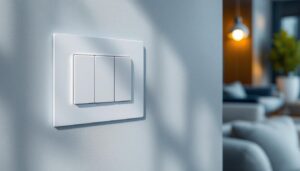
One of the most critical considerations for lighting contractors is the compatibility between LED bulbs and dimmer switches. Unlike incandescent bulbs, which dim smoothly with traditional dimmers, LEDs require specialized dimmers designed to handle their electronic drivers. Using incompatible dimmers can result in flickering, buzzing, reduced dimming range, or even damage to the bulb or switch.
Ensuring compatibility is vital not only for optimal performance but also for client satisfaction and safety. Lighting contractors must be well-versed in the technical specifications of both LEDs and dimmers to recommend and install the correct combinations. This knowledge helps avoid common pitfalls that can lead to frustrating experiences for homeowners, such as unexpected light behavior or the need for costly replacements. Furthermore, educating clients on the importance of using compatible products can enhance their understanding and appreciation of the technology behind modern lighting solutions.
Types of Dimmers Suitable for LEDs
Modern dimmer switches designed for LED lighting typically utilize trailing-edge (electronic low voltage) technology. These dimmers provide smoother dimming curves, quieter operation, and better energy efficiency. In contrast, leading-edge dimmers, which were standard for incandescent bulbs, often cause issues with LEDs.
Additionally, some LED-compatible dimmers offer advanced features such as programmable dimming levels, remote control, and integration with smart home systems. Lighting contractors should evaluate project requirements carefully to select dimmers that balance functionality, cost, and ease of installation. Moreover, the rise of smart lighting technology has introduced a plethora of options that can be controlled via smartphone apps or voice commands, allowing homeowners to customize their lighting experience to fit their lifestyle. This trend not only enhances convenience but also promotes energy savings by enabling users to adjust lighting levels based on their needs throughout the day.
Installation Best Practices for LED Bulbs and Dimmer Switches
Pre-Installation Assessment
Before installation, lighting contractors should conduct a thorough assessment of the existing electrical infrastructure and lighting requirements. This includes verifying the voltage, load capacity, and wiring compatibility of dimmer switches with the selected LED bulbs.
It is also advisable to test LED bulbs with the intended dimmer switches in a controlled setting to identify any potential issues such as flickering or limited dimming range. This proactive approach prevents costly callbacks and enhances project reliability. Additionally, contractors should consider the specific needs of the space being illuminated, such as the desired ambiance and functionality, which can greatly influence the choice of LED products and dimmer types. For instance, in a home theater setup, a dimmer that allows for smooth transitions between brightness levels can significantly enhance the viewing experience.
Wiring and Safety Considerations
Proper wiring is crucial when installing dimmer switches with LED bulbs. Contractors must ensure that the dimmer switch is rated for the total wattage of all connected LED bulbs, keeping in mind that LED wattage is typically much lower than incandescent equivalents, which can affect dimmer performance.
Grounding and neutral wire connections should be handled meticulously, following local electrical codes and manufacturer guidelines. Incorrect wiring not only compromises dimmer functionality but also poses safety hazards. It is also important to consider the installation environment; for example, in areas with high humidity, such as bathrooms or kitchens, using dimmer switches rated for damp locations can prevent moisture-related issues that could lead to electrical failures. Furthermore, educating clients about the importance of using surge protectors can safeguard their lighting systems against power surges, extending the lifespan of both the bulbs and the dimmers.
Addressing Common Installation Challenges
Some common challenges include dealing with mixed lighting loads, where both LED and incandescent bulbs are present on the same circuit, and addressing compatibility issues with older dimmer models. Lighting contractors should educate clients on the benefits of upgrading to LED-compatible dimmers and provide clear explanations for any necessary changes.
Moreover, contractors may encounter situations where the existing wiring is not suitable for modern dimmer switches, necessitating rewiring or the installation of additional circuits. It is essential to communicate these potential challenges to clients upfront, along with the associated costs and timeframes. Providing clients with a range of options, including smart dimmers that can be controlled via mobile apps or voice commands, can also enhance their overall satisfaction by offering them greater control over their lighting environment. By staying informed about the latest advancements in lighting technology, contractors can better serve their clients and ensure that installations meet both current and future needs.
Benefits of LED and Dimmer Integration for Clients
Energy Efficiency and Cost Savings
Integrating LED bulbs with compatible dimmer switches offers substantial energy savings. Dimming LEDs reduces power consumption proportionally, allowing clients to lower electricity bills while extending bulb life. This dual benefit appeals strongly to both residential and commercial clients seeking sustainable solutions. In fact, studies have shown that using dimmers with LED lighting can lead to energy savings of up to 40%, making it an attractive option for those looking to reduce their carbon footprint. Additionally, many utility companies provide rebates or incentives for energy-efficient upgrades, further enhancing the financial appeal of this integration.
Enhanced Ambiance and Control
Dimmers enable precise control over lighting levels, creating customizable ambiance for different activities and moods. For hospitality, retail, and residential projects, this flexibility enhances user experience and adds value to the space. For instance, in a restaurant setting, adjustable lighting can transform the atmosphere from bright and lively during peak hours to soft and intimate for evening dining. Similarly, in retail environments, the ability to highlight specific products through targeted lighting can significantly influence customer behavior and purchasing decisions. This adaptability not only elevates the aesthetic appeal but also allows clients to tailor their environments to suit various occasions, making their spaces more inviting and functional.
Reduced Maintenance and Environmental Impact
Long-lasting LEDs combined with dimmers that prevent overuse reduce the frequency of bulb replacements, minimizing maintenance efforts and waste. This aligns with growing environmental consciousness among consumers and businesses. Furthermore, the reduction in waste extends beyond just bulbs; fewer replacements mean less packaging and transportation emissions associated with new products. As companies and individuals increasingly prioritize sustainability, integrating LED technology with dimmers positions them as environmentally responsible choices. Moreover, the longevity of LED bulbs contributes to a decrease in hazardous waste, as traditional incandescent and fluorescent bulbs often contain materials that require special disposal methods. This holistic approach to lighting not only benefits the clients financially but also supports broader environmental goals, making it a win-win situation for all stakeholders involved.
Emerging Trends and Innovations in LED and Dimmer Technologies
Smart Lighting Systems
Smart LED bulbs and dimmer switches are increasingly popular, offering wireless control via smartphones, voice assistants, and automation platforms. Lighting contractors can leverage these technologies to provide cutting-edge solutions that enhance convenience and energy management.
Human-Centric Lighting
Advancements in tunable white LEDs and dynamic dimming allow lighting to mimic natural daylight patterns, supporting human circadian rhythms. This innovation is gaining traction in office, healthcare, and educational environments, presenting new opportunities for contractors to design health-conscious lighting systems.
Integration with Building Management Systems
LED lighting and dimmers are now commonly integrated into comprehensive building management systems (BMS), enabling centralized control, monitoring, and optimization. Contractors specializing in commercial and industrial projects should consider these integrations to meet client demands for smart, efficient buildings.
Conclusion: Mastering LED and Dimmer Solutions for Lighting Contractors
LED light bulbs and compatible dimmer switches are indispensable tools for modern lighting contractors. Mastery of their technical aspects, installation best practices, and emerging trends empowers contractors to deliver superior lighting solutions that meet client expectations for efficiency, aesthetics, and sustainability.
Staying informed about product innovations and maintaining rigorous quality standards will ensure that contractors remain competitive in a rapidly evolving industry. Ultimately, the successful integration of LEDs and dimmers not only enhances project outcomes but also contributes to a more sustainable and comfortable built environment.
Illuminate Your Projects with LumenWholesale
Ready to elevate your lighting projects with the efficiency, aesthetics, and sustainability that your clients demand? Look no further than LumenWholesale for all your LED light bulbs and dimmer switch needs. Our spec-grade lighting products are designed to meet the highest industry standards, ensuring you deliver not just a solution, but an experience. With unbeatable wholesale prices and the convenience of free shipping on bulk orders, we make it easy to access premium lighting without the premium price tag. Don’t let middleman markups dim your project’s potential. Choose LumenWholesale for the best value in wholesale lighting. Wholesale Lighting at the Best Value