Introduction to Outside Lanterns for Posts
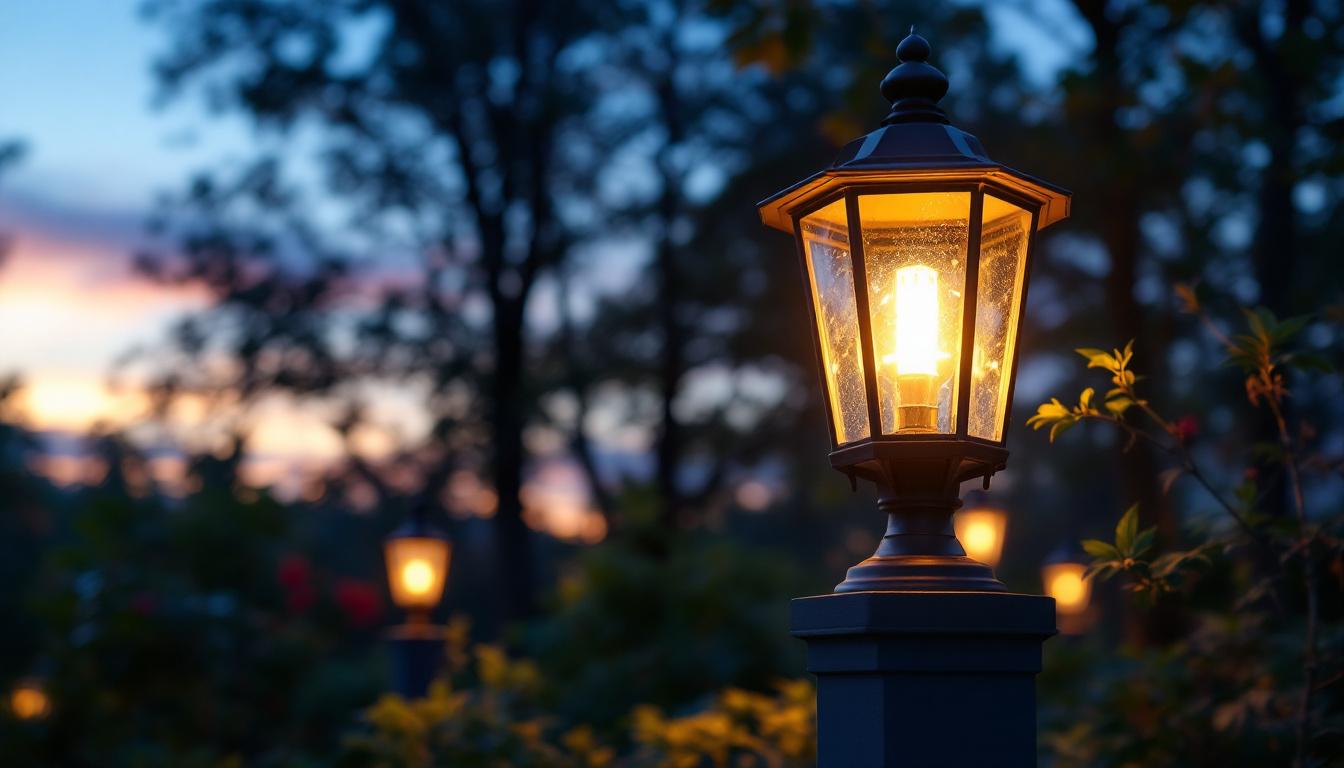
Outside lanterns for posts have become a staple in both residential and commercial outdoor lighting design. They provide not only illumination but also serve as architectural accents that enhance curb appeal, improve safety, and increase property value. For lighting contractors, understanding the nuances of selecting, installing, and maintaining these fixtures is essential to delivering quality results that satisfy clients and comply with industry standards.
In this comprehensive guide, lighting contractors will find best practices tailored specifically to outside lanterns for posts. From choosing the right materials and styles to ensuring proper electrical safety and energy efficiency, this article covers the critical aspects that professionals need to master.
When selecting outside lanterns, contractors should consider the various styles available, such as traditional, contemporary, or rustic designs, which can significantly influence the overall aesthetic of a property. Additionally, the choice of materials—ranging from durable metals like aluminum and brass to weather-resistant plastics—can affect both the longevity and maintenance requirements of the fixtures. It’s also important to assess the wattage and type of bulbs used, as LED options not only offer energy efficiency but also come in a variety of color temperatures to create the desired ambiance.
Installation of outside lanterns requires careful planning, particularly regarding their placement to maximize light distribution while minimizing glare. Contractors should be well-versed in local zoning laws and electrical codes to ensure compliance, as improper installation can lead to safety hazards or legal issues. Furthermore, regular maintenance is crucial for preserving the functionality and appearance of these fixtures; this includes cleaning the glass, checking for rust or corrosion, and replacing bulbs as needed. By prioritizing these elements, contractors can ensure that their installations not only meet client expectations but also stand the test of time in various weather conditions.
Choosing the Right Outside Lanterns for Posts
Material and Durability Considerations
One of the first decisions contractors must make is selecting the appropriate material for outside lanterns. Since these fixtures are exposed to the elements, durability is paramount. Common materials include aluminum, brass, copper, and stainless steel, each with distinct advantages:
- Aluminum: Lightweight and corrosion-resistant, aluminum lanterns are a popular choice for coastal or humid environments. They often come with powder-coated finishes for added protection.
- Brass and Copper: These metals offer a classic, upscale look and develop a natural patina over time, which can be desirable for certain design aesthetics. They are highly durable but typically come at a higher price point.
- Stainless Steel: Known for its strength and resistance to rust, stainless steel is ideal for modern designs and environments with extreme weather conditions.
Contractors should advise clients on the trade-offs between aesthetics, maintenance, and longevity when selecting materials. For instance, while brass and copper may require occasional polishing to maintain their luster, aluminum and stainless steel can often be cleaned with just soap and water, making them more suitable for low-maintenance preferences. Additionally, understanding the local climate can guide the choice; for example, regions with heavy snowfall may benefit from stainless steel’s robustness, while coastal areas might favor aluminum’s resistance to saltwater corrosion.
Style and Design Compatibility
Outside lanterns come in a variety of styles, from traditional to contemporary. The choice should complement the architectural style of the property and the surrounding landscape. For example, lanterns with intricate scrollwork and frosted glass are well-suited for Victorian or colonial homes, while sleek, minimalist designs fit modern or industrial settings.
Lighting contractors should also consider the scale and proportion of the lantern relative to the post and surrounding structures. Oversized lanterns can overwhelm smaller posts, while undersized fixtures may look out of place on large pillars. It’s also important to think about the color and finish of the lanterns in relation to the overall color palette of the home and garden. A well-chosen lantern can serve as a focal point, drawing the eye and enhancing the visual appeal of the outdoor space. Furthermore, integrating lanterns with landscaping elements, such as pathways or garden beds, can create a cohesive look that ties the entire area together.
Lighting Technology and Bulb Types
The evolution of lighting technology has greatly expanded options for outside lanterns. LED bulbs are now the industry standard due to their energy efficiency, long lifespan, and low heat output. Many lanterns are designed to accommodate LED bulbs or come with integrated LED modules.
Contractors should ensure compatibility between the fixture and the bulb type, considering factors such as color temperature, brightness (lumens), and beam angle. Warm white LEDs (2700K to 3000K) are typically preferred for outdoor lanterns as they create a welcoming ambiance without harsh glare. Additionally, smart lighting technology is becoming increasingly popular, allowing homeowners to control their outdoor lighting through mobile apps or voice commands. This not only enhances convenience but also provides opportunities for energy savings through scheduling and dimming features. As outdoor living spaces continue to evolve, the integration of innovative lighting solutions will play a vital role in enhancing both functionality and aesthetic appeal.
Installation Best Practices for Lighting Contractors
Site Assessment and Planning
Before installation, a thorough site assessment is critical. Contractors should evaluate the location of posts, proximity to power sources, and potential obstructions such as trees or architectural features that may cast shadows or block light.
Planning also involves determining the optimal height for mounting the lanterns—generally between 36 and 48 inches above the ground—to maximize both aesthetic appeal and functional illumination.
Electrical Safety and Code Compliance
Compliance with local electrical codes and safety standards is non-negotiable. Lighting contractors must ensure that all wiring is rated for outdoor use, properly grounded, and protected from moisture ingress. Using weatherproof junction boxes and conduit is essential to prevent electrical hazards.
Ground-fault circuit interrupters (GFCIs) should be installed on circuits powering outside lanterns to protect against electrical shock. Additionally, contractors should verify that the fixtures have the appropriate UL or ETL listing for wet or damp locations.
Mounting and Securing Lanterns
Proper mounting techniques are vital to the longevity and stability of outside lanterns. Posts should be structurally sound and capable of supporting the fixture’s weight. Using stainless steel or galvanized hardware helps prevent corrosion over time.
Contractors should also seal all entry points where wiring passes through the post or fixture to prevent water infiltration, which can damage electrical components and reduce fixture lifespan.
Enhancing Functionality and Aesthetics
Lighting Controls and Automation
Incorporating lighting controls such as photocells, timers, or smart home integration can greatly enhance the functionality of outside lanterns. Photocells automatically turn lights on at dusk and off at dawn, improving energy efficiency and convenience.
Smart lighting systems allow homeowners to control outdoor lighting remotely via smartphone apps, set schedules, or integrate with security systems. Lighting contractors should be familiar with these technologies and offer them as value-added options to clients.
Layering Outdoor Lighting
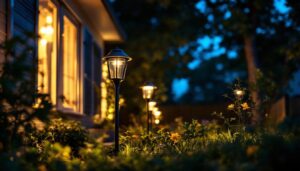
Outside lanterns for posts are often part of a broader outdoor lighting scheme. Contractors should consider how these fixtures interact with other light sources such as pathway lights, spotlights, and landscape lighting.
Layered lighting creates depth and dimension, enhancing both safety and visual appeal. For example, combining post lanterns with low-level pathway lights can guide visitors safely while highlighting architectural features and landscaping.
Maintenance and Longevity
Regular maintenance is key to preserving the appearance and functionality of outside lanterns. Contractors should educate clients on cleaning fixtures with mild soap and water, checking for signs of corrosion or damage, and replacing bulbs promptly.
Using high-quality, weather-resistant fixtures and components reduces maintenance frequency and costs over time. Offering maintenance contracts or seasonal inspections can also be a profitable service for lighting contractors.
Common Challenges and Solutions
Dealing with Harsh Weather Conditions
Outdoor lanterns are exposed to rain, snow, wind, and temperature fluctuations, all of which can affect performance. Selecting fixtures with appropriate IP (Ingress Protection) ratings ensures resistance to dust and water. For example, an IP44 rating or higher is recommended for outdoor post lanterns.
Contractors should also consider wind load when installing lanterns in exposed locations, using reinforced posts or additional bracing if necessary.
Minimizing Light Pollution
Light pollution is a growing concern, especially in residential areas. Lighting contractors should aim to minimize glare and light trespass by selecting lanterns with downward-facing or shielded designs. Using bulbs with appropriate brightness and color temperature also helps reduce skyglow and disturbance to neighbors.
Addressing Electrical Troubleshooting
Common electrical issues include flickering lights, intermittent operation, or complete outages. These problems often stem from loose connections, moisture intrusion, or incompatible components.
Contractors should perform thorough diagnostics, including voltage testing and inspection of wiring and fixtures, to identify and resolve issues efficiently. Using weatherproof connectors and ensuring proper sealing during installation helps prevent future problems.
Conclusion: Elevating Outdoor Spaces with Expert Lantern Installation
Outside lanterns for posts are more than just lighting fixtures; they are integral elements of outdoor design that enhance safety, aesthetics, and property value. For lighting contractors, mastering the best practices in selection, installation, and maintenance is essential to delivering superior results.
By understanding material durability, electrical safety, lighting technology, and client needs, contractors can provide tailored solutions that stand the test of time and environmental challenges. Incorporating modern controls and thoughtful design further elevates the impact of these fixtures, making outdoor spaces inviting and functional.
Ultimately, attention to detail and adherence to industry standards ensure that outside lanterns for posts not only illuminate but also inspire, creating lasting impressions for homeowners and businesses alike.
Illuminate Your Projects with LumenWholesale
Ready to elevate your outdoor lighting projects with the finest selection of outside lanterns for posts? Look no further than LumenWholesale, where we offer spec-grade lighting that combines quality and affordability. Our commitment to providing contractors with superior products at wholesale prices means you can achieve the perfect balance of durability, style, and functionality for your clients. With free shipping on bulk orders, you can stock up on the industry’s best without the worry of hidden costs. Make your next installation shine by choosing Wholesale Lighting at the Best Value with LumenWholesale.