Understanding the Horizontal Plug Outlet
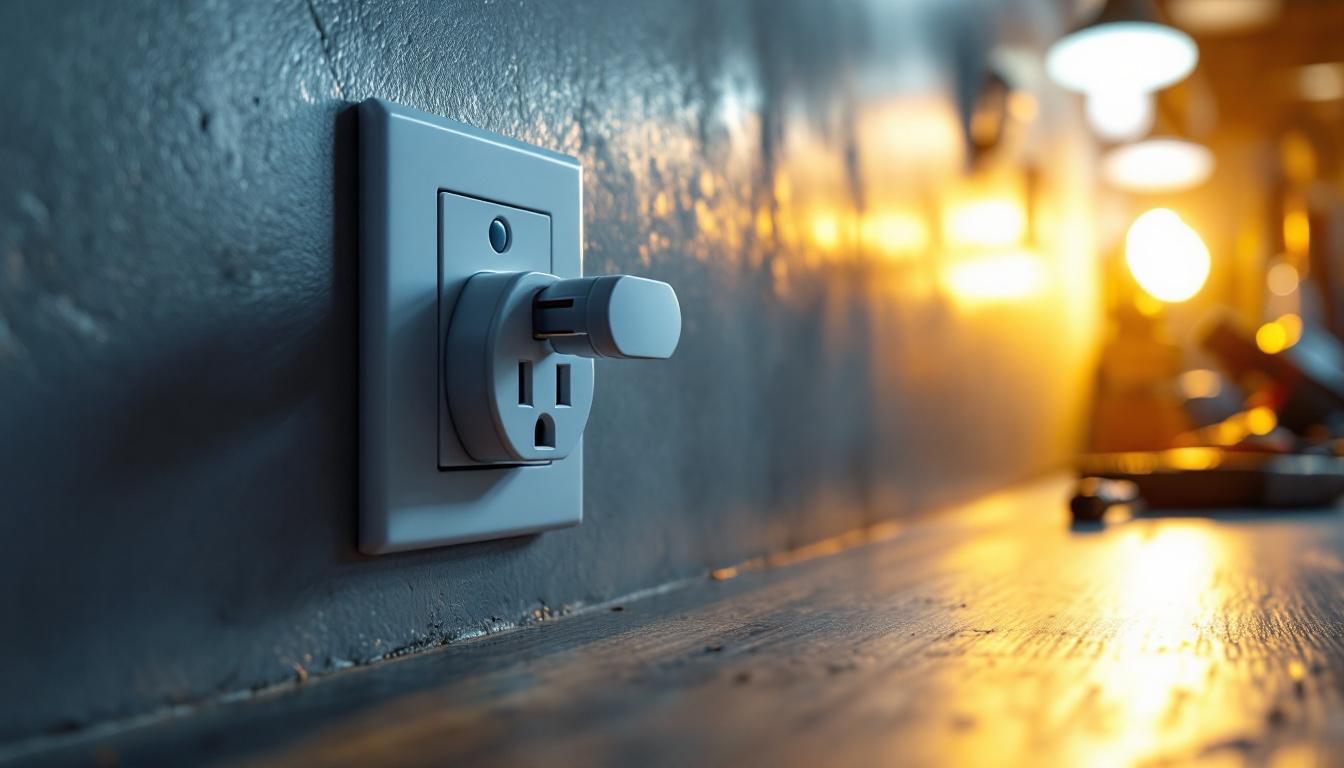
Lighting contractors are constantly seeking innovative solutions that enhance efficiency and reduce costs without compromising quality. One such innovation gaining traction is the horizontal plug outlet. Unlike traditional vertical outlets, horizontal plug outlets are designed with sockets oriented horizontally along the wall surface. This seemingly simple design adjustment offers a range of practical benefits that can translate into significant cost savings for lighting contractors.
At its core, the horizontal plug outlet is engineered to optimize space utilization and improve accessibility. By positioning the sockets horizontally, these outlets allow for easier plug insertion, especially in tight or awkward spaces often encountered in lighting installations. This design can also facilitate better cable management, reducing clutter and potential hazards on job sites.
Moreover, the horizontal orientation of these outlets can enhance the aesthetic appeal of a space. In contemporary design, where minimalism and clean lines are favored, horizontal plug outlets can blend seamlessly into the overall decor, providing a more streamlined look. This subtle yet impactful change can elevate the visual quality of a room, making it more attractive to clients who prioritize design as much as functionality. Additionally, the reduced profile of horizontal outlets can help prevent accidental disconnections, a common issue with vertical outlets that can disrupt lighting setups during events or installations.
Another significant advantage of horizontal plug outlets is their compatibility with modern technology. As more devices become wireless or require less frequent plugging and unplugging, the need for easy access to power sources becomes paramount. Horizontal outlets can accommodate larger plugs and power strips without blocking adjacent sockets, allowing for multiple devices to be connected simultaneously. This feature is particularly beneficial in commercial settings, where multiple lighting fixtures and electronic equipment must be powered efficiently. As the demand for smart lighting solutions continues to rise, the horizontal plug outlet stands out as a forward-thinking option that aligns with the evolving needs of both contractors and end-users.
Cost-Saving Benefits of Horizontal Plug Outlets
Reduced Installation Time
One of the most immediate advantages of horizontal plug outlets is the reduction in installation time. Lighting contractors frequently work within tight schedules, and any method that speeds up the process can lead to substantial labor cost savings. The horizontal orientation allows electricians to plug in devices more quickly and with less effort, particularly when working behind furniture or within confined spaces.
Studies in electrical installation efficiency have shown that even a small reduction in time per outlet can accumulate significantly over the course of a large project. For instance, if a contractor installs hundreds of outlets, saving just a minute per outlet can translate into hours of labor saved, which directly reduces overall project costs. Additionally, the ease of access to these outlets means that future maintenance or upgrades can be performed more swiftly, further enhancing the overall efficiency of the electrical system.
Improved Ergonomics and Safety
Ergonomics plays a crucial role in the efficiency and wellbeing of lighting contractors. Horizontal plug outlets reduce the need for awkward wrist and arm movements during installation and maintenance. This ergonomic advantage minimizes the risk of repetitive strain injuries, which can lead to costly downtime and workers’ compensation claims.
Furthermore, better cable management enabled by horizontal outlets reduces the likelihood of tripping hazards and accidental unplugging. Safer work environments not only protect workers but also reduce liability and insurance costs for contractors. The design of horizontal outlets often allows for better organization of cords, which can help prevent tangling and damage to cables, ultimately extending the lifespan of the electrical components involved.
Enhanced Compatibility with Lighting Fixtures
Many modern lighting fixtures and control systems are designed with horizontal plug configurations in mind. Using horizontal plug outlets can simplify the integration of these fixtures, reducing the need for adapters or additional wiring. This compatibility streamlines the installation process, decreases material costs, and minimizes the risk of electrical faults caused by improper connections.
Moreover, as smart home technology continues to evolve, the demand for versatile and adaptable electrical solutions increases. Horizontal plug outlets are often better suited for accommodating various types of smart lighting systems, which can be crucial for both residential and commercial applications. By providing a more reliable connection for these advanced fixtures, contractors can ensure that their installations not only meet current standards but are also future-proofed against the rapid advancements in lighting technology.
Practical Applications in Lighting Projects
Residential Lighting Installations
In residential settings, horizontal plug outlets offer a discreet and efficient solution for lighting contractors. Homeowners increasingly demand clean, clutter-free aesthetics, and horizontal outlets contribute to this by allowing cables to run neatly along walls or under furniture. This is especially beneficial in living rooms, kitchens, and bedrooms where lighting fixtures are frequently repositioned or upgraded.
For contractors, the ability to install outlets that blend seamlessly with interior design reduces callbacks and increases customer satisfaction, indirectly lowering costs associated with service visits and warranty claims. Additionally, the flexibility provided by horizontal outlets empowers homeowners to experiment with different lighting arrangements, enhancing their ability to create the perfect ambiance for various occasions, from intimate dinners to lively gatherings. The integration of smart lighting solutions with these outlets further elevates the user experience, allowing for remote control and automation that aligns with modern lifestyle demands.
Commercial and Industrial Lighting Projects
In commercial and industrial environments, lighting systems are often more complex and require robust, reliable power connections. Horizontal plug outlets facilitate easier access for maintenance personnel, enabling quicker replacement or adjustment of lighting components. This ease of access can significantly reduce downtime in critical facilities such as hospitals, manufacturing plants, and office buildings.
Moreover, horizontal outlets can support modular lighting systems that are common in commercial spaces, allowing contractors to implement scalable solutions that adapt to evolving client needs without extensive rewiring. The versatility of horizontal outlets also extends to energy efficiency; they can accommodate advanced lighting technologies, such as LED fixtures that not only consume less power but also offer longer lifespans. This adaptability is crucial in environments where energy costs are a significant concern, enabling businesses to optimize their lighting strategies while maintaining compliance with sustainability initiatives. Furthermore, the strategic placement of these outlets can enhance workplace safety by minimizing tripping hazards associated with traditional vertical outlets, creating a more productive and secure environment for employees.
Long-Term Financial Impact on Lighting Contractors
Lower Material and Maintenance Costs
Horizontal plug outlets often require fewer supplementary materials such as extension cords, adapters, or specialized connectors. This reduction in ancillary components not only cuts upfront material expenses but also simplifies inventory management for contractors.
Additionally, the robust design and ease of access associated with horizontal outlets contribute to lower maintenance costs over time. Faulty connections and wear-and-tear issues are easier to identify and address, reducing the frequency and cost of repairs.
Increased Project Competitiveness
Offering installations with horizontal plug outlets can differentiate lighting contractors in a competitive market. The ability to promise faster installation times, safer work environments, and modern, adaptable lighting solutions can attract more clients and justify premium pricing.
Clients often value contractors who prioritize innovation and efficiency, which can lead to repeat business and referrals—both critical factors in sustaining and growing a successful lighting contracting business.
Implementation Considerations for Lighting Contractors
Training and Familiarization
Adopting horizontal plug outlets requires a learning curve for electricians accustomed to traditional vertical outlets. Investing in training ensures that installation crews understand the nuances of horizontal outlet placement, wiring, and safety protocols. Proper training minimizes installation errors that could negate cost savings.
Compliance with Electrical Codes and Standards
Lighting contractors must ensure that horizontal plug outlets comply with local electrical codes and industry standards. While these outlets are generally accepted, variations in regional regulations may require specific certifications or installation practices. Staying informed about code requirements prevents costly rework and legal complications.
Supplier and Product Selection
Choosing reliable suppliers who provide high-quality horizontal plug outlets is essential. Contractors should evaluate product durability, warranty terms, and compatibility with various lighting systems. Partnering with reputable manufacturers can reduce the risk of defective components and enhance overall project quality.
Case Studies Demonstrating Cost Reduction
Mid-Sized Commercial Office Retrofit
A lighting contractor undertaking a retrofit of a mid-sized commercial office building reported a 15% reduction in labor costs by switching to horizontal plug outlets. The ease of access for installation and maintenance allowed the team to complete the project ahead of schedule, saving on labor hours and minimizing disruption to tenants.
Residential Multi-Unit Development
In a multi-unit residential development, the use of horizontal plug outlets enabled streamlined wiring layouts and reduced material waste. The contractor noted a 10% decrease in overall project costs, attributing savings to fewer adapters and simplified cable management. Residents also appreciated the clean installation, leading to positive feedback and increased referrals.
Conclusion
For lighting contractors striving to optimize project efficiency and reduce costs, the horizontal plug outlet presents a compelling solution. Its design benefits extend beyond aesthetics, offering practical advantages in installation speed, safety, compatibility, and long-term maintenance. By embracing this innovation, contractors can enhance their service offerings, improve client satisfaction, and strengthen their competitive position in the market.
Careful implementation, including proper training and adherence to electrical codes, ensures that these benefits are fully realized. As the lighting industry continues to evolve, horizontal plug outlets are poised to become a standard feature in cost-effective, high-quality lighting installations.
Illuminate Your Projects with LumenWholesale
Ready to take advantage of the cost-saving benefits of horizontal plug outlets for your next lighting project? At LumenWholesale, we offer an extensive selection of high-quality, spec-grade lighting products at unbeatable wholesale prices. Say goodbye to inflated markups and hello to reliable, high-performance lighting that meets the highest industry standards. With the convenience of bulk buying, free shipping, and no hidden fees, you can ensure your lighting installations are not only cost-effective but also of premium quality. Elevate your lighting game and experience the best value in wholesale lighting by visiting Wholesale Lighting at the Best Value today.