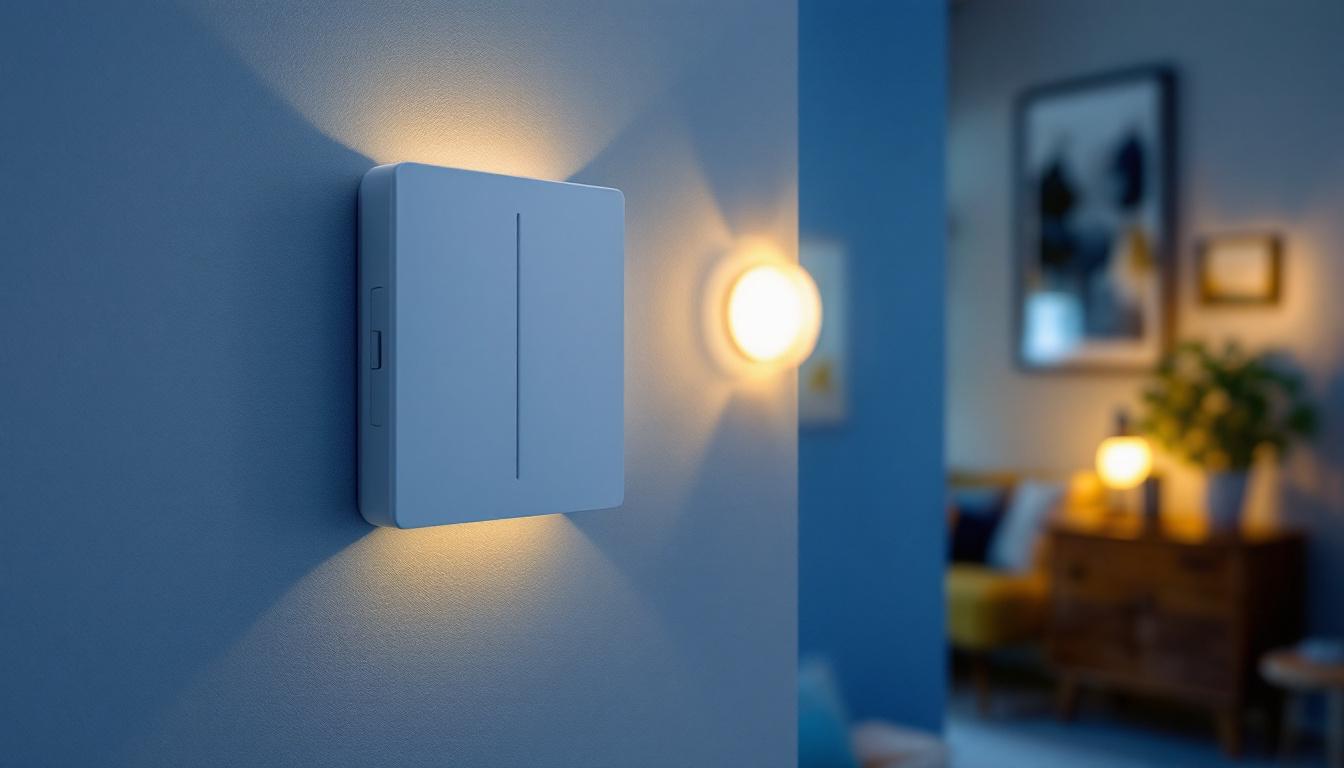
Introduction to Phone Operated Light Switches
In an era where smart technology is revolutionizing home and commercial environments, phone operated light switches have emerged as a pivotal innovation. For lighting contractors, understanding these devices is no longer optional but essential. These switches allow users to control lighting fixtures remotely through their smartphones, offering convenience, energy efficiency, and enhanced security.
As the demand for smart home solutions grows, lighting contractors must familiarize themselves with the technology, installation processes, compatibility issues, and troubleshooting techniques related to phone operated light switches. This article explores these aspects in depth, providing a comprehensive guide tailored specifically for professionals in the lighting industry.
Phone operated light switches utilize Wi-Fi or Bluetooth connectivity to communicate with mobile applications, enabling users to turn lights on or off, dim them, or even set schedules from virtually anywhere. This level of control not only enhances user convenience but also promotes energy conservation by allowing users to ensure that lights are turned off when not in use. Furthermore, many of these switches can integrate with other smart home devices, such as security systems and voice assistants, creating a seamless and interconnected living environment.
Moreover, the installation of phone operated light switches can significantly elevate the aesthetic appeal of a space. Many models come with customizable features, allowing users to select colors and brightness levels that suit their mood or occasion. This adaptability makes them particularly appealing for both residential and commercial settings, where ambiance plays a crucial role in customer experience. As lighting contractors delve into this technology, they will not only enhance their service offerings but also position themselves at the forefront of a rapidly evolving market, ready to meet the diverse needs of their clients.
Understanding the Technology Behind Phone Operated Light Switches
How Phone Operated Light Switches Work
Phone operated light switches typically connect to a home’s Wi-Fi network, allowing users to control their lighting through an app on their smartphone or tablet. These switches replace traditional wall switches and communicate with the user’s device via a dedicated app or through integration with voice assistants like Amazon Alexa, Google Assistant, or Apple HomeKit.
The core technology involves a microcontroller embedded within the switch, which receives commands over the internet or local network. Upon receiving a command, the switch toggles the power supply to the connected light fixture, enabling on/off control or dimming functions. This seamless integration allows users to manage their lighting from anywhere, providing convenience and enhancing energy efficiency. For instance, users can set schedules to turn lights on or off at specific times, optimizing energy usage and contributing to lower electricity bills.
Types of Phone Operated Light Switches
There are several varieties of phone operated light switches, each catering to different needs:
- Wi-Fi Switches: These connect directly to the home’s Wi-Fi network without requiring a hub, making them easy to install and use.
- Zigbee and Z-Wave Switches: These require a compatible smart home hub but offer robust mesh networking capabilities, ideal for larger installations.
- Battery-Powered vs. Hardwired: Some models are battery-operated for ease of installation, while others require hardwiring for continuous power supply and reliability.
Lighting contractors should evaluate the client’s existing infrastructure and preferences when recommending the appropriate type. Additionally, it’s essential to consider the aesthetic aspects of these switches. Many modern designs blend seamlessly with home decor, offering options in various colors and finishes. Some switches even come with customizable LED indicators, allowing homeowners to personalize their experience further. Furthermore, the ability to integrate these switches into broader smart home ecosystems means that users can create complex automation routines, such as having lights dim automatically when a movie starts or brightening when someone enters a room, enhancing both comfort and security.
Benefits of Phone Operated Light Switches for Clients
Enhanced Convenience and Control
One of the most compelling selling points for phone operated light switches is the convenience they offer. Clients can control their lighting from anywhere, whether inside the house, at the office, or on vacation. This remote access eliminates the need to physically interact with switches and can be particularly beneficial for individuals with mobility challenges. Imagine arriving home after a long day at work and being able to turn on the lights from your car, creating a welcoming atmosphere before you even step through the door. Additionally, many systems allow for voice control integration, meaning users can simply speak commands to adjust their lighting without lifting a finger, further enhancing the ease of use.
Energy Efficiency and Cost Savings
Smart lighting solutions contribute significantly to energy savings. Many phone operated switches come with scheduling features, allowing users to set timers or automate lighting based on occupancy or ambient light levels. This reduces unnecessary energy consumption, lowering utility bills and supporting sustainability goals. Furthermore, some advanced models can provide users with real-time energy usage statistics, helping them identify patterns and make informed decisions about their lighting habits. For instance, clients can discover that certain lights are left on longer than necessary and adjust their routines accordingly, maximizing efficiency and minimizing waste.
Improved Security
Phone operated light switches can enhance home and business security by enabling users to simulate occupancy when away. Automated lighting schedules or remote control can deter potential intruders, providing peace of mind to clients. Beyond just scheduling, some systems can be programmed to randomize lighting patterns, making it appear as though someone is home even when the house is empty. This feature can be particularly useful during vacation periods or extended absences. Additionally, many smart lighting systems can integrate with security cameras and alarms, creating a comprehensive security network that alerts users to unusual activity and allows them to respond quickly, ensuring their property remains safe and secure.
Key Considerations for Lighting Contractors
Compatibility with Existing Electrical Systems
Before installation, contractors must assess the client’s existing wiring and electrical setup. Many phone operated switches require a neutral wire for proper operation, which may not be present in older buildings. Identifying this early can prevent installation challenges and additional costs.
Furthermore, understanding the load capacity of the switch is crucial. Some switches are designed for LED or CFL bulbs, while others support incandescent or halogen lighting. Mismatched components can lead to malfunction or damage.
Network Requirements and Security
Since these switches rely on Wi-Fi or other wireless protocols, a stable and secure network is essential. Contractors should advise clients on the importance of a strong Wi-Fi signal in areas where switches will be installed and recommend network security best practices to protect against unauthorized access.
Installation Best Practices
Proper installation is fundamental to ensure safety and functionality. Contractors should follow manufacturer guidelines meticulously, including turning off power at the breaker panel before installation, verifying wiring connections, and testing the switch post-installation.
Additionally, educating clients on app setup and usage enhances user experience and reduces support calls. Providing clear instructions or even a brief demonstration can be highly beneficial.
Common Challenges and Troubleshooting Tips
Connectivity Issues
One of the most frequent problems encountered with phone operated light switches is intermittent connectivity or failure to respond to commands. This can stem from weak Wi-Fi signals, router compatibility issues, or interference from other devices.
Lighting contractors should recommend placing routers strategically and possibly installing Wi-Fi extenders in larger properties. Ensuring firmware and app updates are current can also resolve many connectivity problems.
Integration with Other Smart Devices
Clients often seek to integrate their lighting with other smart home devices such as thermostats, security cameras, or voice assistants. Compatibility issues may arise if devices operate on different protocols or platforms.
Contractors should familiarize themselves with popular ecosystems and advise clients accordingly. Utilizing universal hubs or selecting switches compatible with multiple platforms can streamline integration.
Physical and Electrical Failures
Occasionally, switches may fail due to electrical surges, poor wiring, or component defects. Regular inspection and adherence to electrical codes during installation can mitigate these risks.
In cases of failure, contractors should be prepared to diagnose issues using multimeters and replace faulty units promptly to maintain client satisfaction.
Future Trends and Opportunities for Lighting Contractors
Integration with IoT and Home Automation Systems
The Internet of Things (IoT) continues to expand, and lighting contractors have a unique opportunity to become experts in integrated smart home systems. Phone operated light switches are just one component of a broader ecosystem that includes sensors, cameras, and environmental controls.
By expanding their skill set to encompass these technologies, contractors can offer comprehensive solutions that enhance client value and open new revenue streams.
Advancements in Energy Management
Emerging technologies are enabling more sophisticated energy management through smart lighting. Features such as adaptive lighting that adjusts based on natural light availability or occupancy patterns are becoming more prevalent.
Lighting contractors who stay abreast of these innovations can position themselves as leaders in sustainable and intelligent lighting solutions.
Customization and User Experience Enhancements
Future phone operated light switches are expected to offer greater customization options, including scene setting, color temperature adjustments, and integration with wellness-focused lighting strategies.
Contractors who understand these capabilities can better meet client demands for personalized and health-conscious lighting environments.
Conclusion
Phone operated light switches represent a significant advancement in lighting technology, offering numerous benefits to end-users and presenting exciting opportunities for lighting contractors. Mastery of the technology, installation nuances, and troubleshooting strategies is essential for professionals aiming to excel in the evolving smart lighting market.
By embracing these innovations and continuously updating their knowledge, lighting contractors can deliver superior service, enhance client satisfaction, and secure a competitive edge in the industry.
Get Your Smart Lighting Solutions at LumenWholesale
Ready to elevate your lighting projects with the latest in phone operated light switch technology? Look no further than LumenWholesale for all your smart lighting needs. Our extensive selection of spec-grade lighting products is designed to meet the highest industry standards, ensuring you provide reliable and high-performance lighting solutions to your clients. With unbeatable wholesale prices and the convenience of free shipping on bulk orders, you can trust LumenWholesale to supply premium lighting without hidden fees or compromises. Take advantage of quality, affordability, and hassle-free shopping today by visiting Wholesale Lighting at the Best Value and start transforming spaces with smart lighting that impresses.