Introduction to Wall-Mounted Linear Lighting
Wall-mounted linear lighting has become a pivotal component in modern lighting design, especially within commercial, industrial, and residential environments. For lighting contractors, understanding the benefits and applications of this lighting style is essential not only for aesthetic appeal but also for enhancing safety in various installations.
Linear lighting refers to fixtures that emit light in a continuous line, often characterized by slim, elongated profiles. When mounted on walls, these fixtures provide uniform illumination that can significantly improve visibility and reduce hazards. This article explores how wall-mounted linear lighting contributes to safer spaces, backed by practical insights and industry considerations.
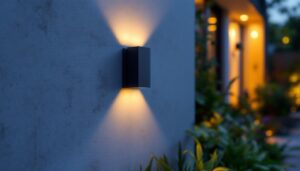
One of the standout features of wall-mounted linear lighting is its versatility in design and application. These fixtures can be seamlessly integrated into various architectural styles, from sleek, modern interiors to more traditional settings. They can be used to highlight artwork, illuminate corridors, or even create ambient lighting in lounges and waiting areas. The ability to customize the length, brightness, and color temperature of the linear fixtures allows designers to tailor the lighting to the specific needs of a space, enhancing both functionality and aesthetic appeal.
Moreover, wall-mounted linear lighting often incorporates energy-efficient technologies such as LED, which not only reduces energy consumption but also extends the lifespan of the fixtures. This is particularly beneficial in commercial settings where lighting is used extensively. Additionally, many modern linear lighting solutions offer smart capabilities, allowing users to control brightness and color remotely or through automated systems. This adaptability makes them an excellent choice for dynamic environments that require flexibility in lighting design, ensuring that spaces can be easily transformed to suit different activities or moods.
The Safety Advantages of Wall-Mounted Linear Lighting
Improved Visibility and Reduced Shadows
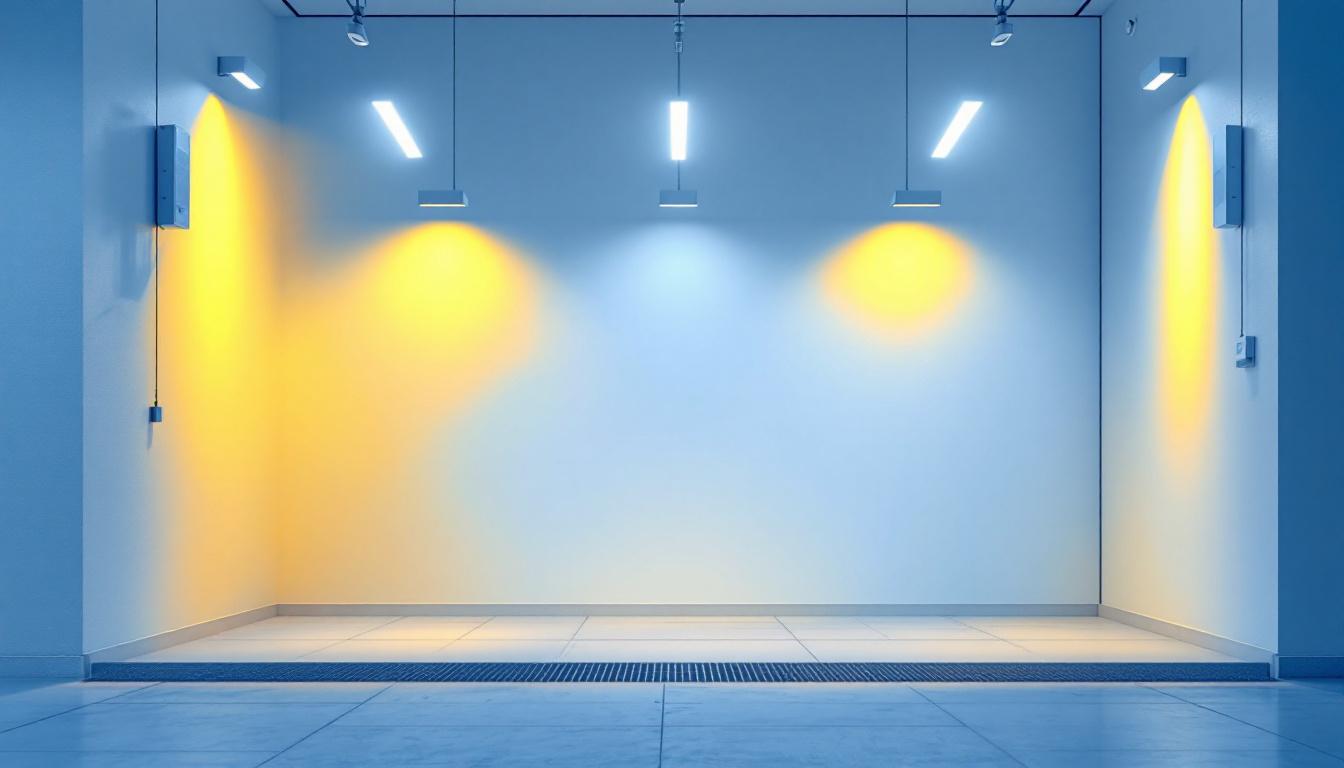
One of the primary safety benefits of wall-mounted linear lighting is its ability to provide consistent, glare-free illumination. Unlike traditional point-source lighting, which can create harsh shadows and uneven light distribution, linear fixtures offer a smooth wash of light across surfaces.
For contractors, this means fewer blind spots and better visibility in critical areas such as stairwells, corridors, and emergency exits. Enhanced visibility helps prevent accidents caused by trips, slips, and falls, which are among the most common workplace injuries. Furthermore, the uniform light distribution reduces eye strain, allowing individuals to see their surroundings more clearly and react swiftly to potential hazards. In environments where quick decision-making is crucial, such as manufacturing floors or healthcare facilities, this clarity can be a significant advantage.
Enhanced Wayfinding and Orientation
Linear lighting installed along walls can serve as a visual guide, helping occupants navigate spaces more intuitively. This is particularly important in large or complex buildings like hospitals, airports, and office complexes where clear directional cues are essential for safety.
By illuminating pathways and highlighting architectural features such as handrails or doorways, wall-mounted linear lighting can reduce confusion during emergencies, facilitating quicker and safer evacuations. Additionally, the strategic placement of these lights can enhance the aesthetic appeal of a space, creating a welcoming atmosphere that encourages movement and exploration. In educational institutions, for example, well-lit hallways can foster a sense of security for students and staff alike, promoting an environment conducive to learning and collaboration.
Compliance with Safety Standards
Many lighting installations must comply with strict safety codes and standards, including those related to emergency lighting and accessibility. Wall-mounted linear lighting often meets or exceeds these requirements by providing adequate illumination levels and uniform light distribution.
Lighting contractors can leverage these fixtures to ensure compliance with regulations such as the Americans with Disabilities Act (ADA) and Occupational Safety and Health Administration (OSHA) guidelines, thereby minimizing liability risks and promoting safer environments. Moreover, the integration of advanced technologies, such as motion sensors and dimming capabilities, can further enhance compliance by ensuring that lighting is only activated when needed, thus conserving energy while maintaining safety. This not only aligns with sustainability goals but also reflects a commitment to creating environments that prioritize the well-being of all occupants, regardless of their mobility or visual capabilities.
Design Considerations for Safety-Focused Installations
Optimal Placement and Mounting Height
Proper placement of wall-mounted linear lighting is critical to maximizing safety benefits. Fixtures should be installed at heights that minimize glare while ensuring that light reaches key areas such as walking surfaces and potential obstacles.
Typically, mounting linear lights between 6 to 8 feet above the floor provides effective illumination without causing discomfort to occupants. Contractors should also consider the spacing between fixtures to maintain consistent light levels and avoid dark patches. In addition to these considerations, the layout of the space plays a significant role in determining the optimal placement of fixtures. For instance, in areas with high foot traffic, such as hallways or staircases, strategic positioning of lights can help guide individuals safely through the environment. Utilizing lighting design software can aid in visualizing different configurations and identifying the most effective placements to enhance safety.
Choosing the Right Color Temperature and CRI
The color temperature and color rendering index (CRI) of linear lighting play significant roles in safety. Cooler color temperatures (around 4000K to 5000K) tend to enhance alertness and visibility, making them suitable for workspaces and public areas.
Additionally, a high CRI (above 80) ensures that colors appear natural and objects are easily distinguishable, which is crucial for identifying hazards or reading signage. Selecting fixtures with appropriate color characteristics helps create environments where safety is prioritized. Furthermore, it is important to consider the psychological effects of color temperature on occupants. Warmer temperatures can create a sense of comfort, while cooler temperatures can promote focus and alertness. Balancing these aspects in different areas of a facility can help cater to the specific needs of each space, thereby enhancing overall safety and productivity.
Durability and Maintenance
Wall-mounted linear lighting fixtures used in safety-critical applications must withstand environmental factors such as dust, moisture, and physical impact. Contractors should opt for fixtures with robust housings and appropriate ingress protection (IP) ratings to ensure longevity and consistent performance.
Moreover, easy maintenance and accessibility are vital for keeping lighting systems operational. Fixtures designed for quick lamp replacement or cleaning reduce downtime, ensuring that safety lighting remains effective over time. In addition to these practical considerations, the choice of materials can also impact the durability of the fixtures. For example, using corrosion-resistant materials in environments prone to moisture can significantly extend the lifespan of the lighting system. Regular maintenance schedules should be established to inspect and service fixtures, ensuring that they remain in optimal condition and continue to provide the necessary illumination for safety-critical areas.
Applications Where Wall-Mounted Linear Lighting Enhances Safety
Emergency and Egress Lighting
In emergency situations, reliable lighting is essential for safe evacuation. Wall-mounted linear lighting can be integrated with emergency lighting systems to provide continuous illumination along exit routes, stairwells, and corridors.
Its uniform light distribution helps occupants quickly identify exit paths, even in power outages or smoke-filled environments. Many linear fixtures are compatible with battery backup systems, ensuring functionality during emergencies.
Industrial and Warehouse Environments
Industrial facilities and warehouses often have complex layouts with heavy machinery, shelving, and narrow aisles. Wall-mounted linear lighting enhances safety by illuminating work zones and walkways clearly, reducing the risk of accidents involving equipment or personnel.
The linear form factor allows for installation in tight spaces where ceiling-mounted fixtures may not be feasible. Additionally, the robust construction of many linear fixtures suits the demanding conditions typical of these environments.
Healthcare and Educational Facilities
Healthcare settings require lighting solutions that support both safety and comfort. Wall-mounted linear lighting provides gentle, consistent illumination that assists patients and staff in navigating hallways and treatment areas safely.
Similarly, in educational institutions, these fixtures improve visibility in corridors and stairwells, helping prevent injuries among students and staff. The ability to integrate with daylight sensors and dimming controls also allows for energy-efficient operation without compromising safety.
Technological Innovations Enhancing Safety in Linear Lighting
Smart Lighting Controls
Advancements in smart lighting technology have introduced features such as motion sensors, daylight harvesting, and programmable dimming. When applied to wall-mounted linear lighting, these controls can enhance safety by ensuring lights are active when needed and adjusting brightness to suit conditions.
For example, motion-activated lighting can illuminate corridors only when occupied, reducing energy consumption while maintaining safety. Additionally, integration with building management systems allows for real-time monitoring and maintenance alerts, preventing fixture failures that could compromise safety.
LED Technology and Energy Efficiency
LEDs have revolutionized linear lighting by offering high efficiency, long lifespan, and superior light quality. Their low heat emission and durability contribute to safer installations, reducing fire risks and maintenance frequency.
For contractors, specifying LED-based wall-mounted linear lighting means delivering solutions that not only improve safety but also reduce operational costs and environmental impact.
Anti-Glare and Diffusion Technologies
Glare can be a significant safety hazard, causing discomfort and impairing vision. Modern linear lighting fixtures incorporate diffusers, lenses, and anti-glare coatings to produce soft, evenly distributed light.
These technologies help maintain visual comfort and reduce eye strain, especially in areas where people need to focus or move quickly. Selecting fixtures with effective glare control is a key consideration for safety-conscious lighting designs.
Best Practices for Lighting Contractors
Thorough Site Assessment
Before installation, conducting a detailed site assessment is essential to identify potential hazards and lighting requirements. Understanding the specific needs of the space allows contractors to design wall-mounted linear lighting layouts that maximize safety and functionality.
Consider factors such as foot traffic patterns, existing light levels, and architectural features to tailor solutions effectively.
Collaboration with Stakeholders
Engaging with building owners, facility managers, and safety officers ensures that lighting installations align with operational goals and regulatory requirements. Collaborative planning helps address safety concerns proactively and fosters long-term satisfaction with the lighting system.
Quality Assurance and Testing
Post-installation testing is critical to verify that lighting performance meets safety standards. Contractors should measure illuminance levels, check for uniformity, and confirm emergency lighting functionality.
Documenting test results and providing maintenance guidelines supports ongoing safety and compliance.
Conclusion
Wall-mounted linear lighting offers numerous safety benefits that make it an indispensable choice for lighting contractors focused on creating secure environments. From improving visibility and wayfinding to complying with safety codes and integrating advanced technologies, these fixtures enhance the overall safety profile of lighting installations.
By carefully considering design parameters, application contexts, and technological options, contractors can deliver lighting solutions that protect occupants and contribute to safer, more efficient spaces.
Illuminate Your Projects with LumenWholesale
Ready to elevate the safety and efficiency of your lighting installations with wall-mounted linear lighting? At LumenWholesale, we provide you with the highest quality, spec-grade lighting products at prices that can’t be beaten. Say goodbye to unnecessary markups and hello to a vast selection of reliable lighting solutions that meet rigorous industry standards. With free shipping on bulk orders, you can trust that you’re getting the best value without any hidden costs. Make your next project shine with confidence and convenience. Explore our wholesale lighting options now and discover the perfect blend of quality, affordability, and service.