Understanding MR16 Lighting: A Foundation for Contractors
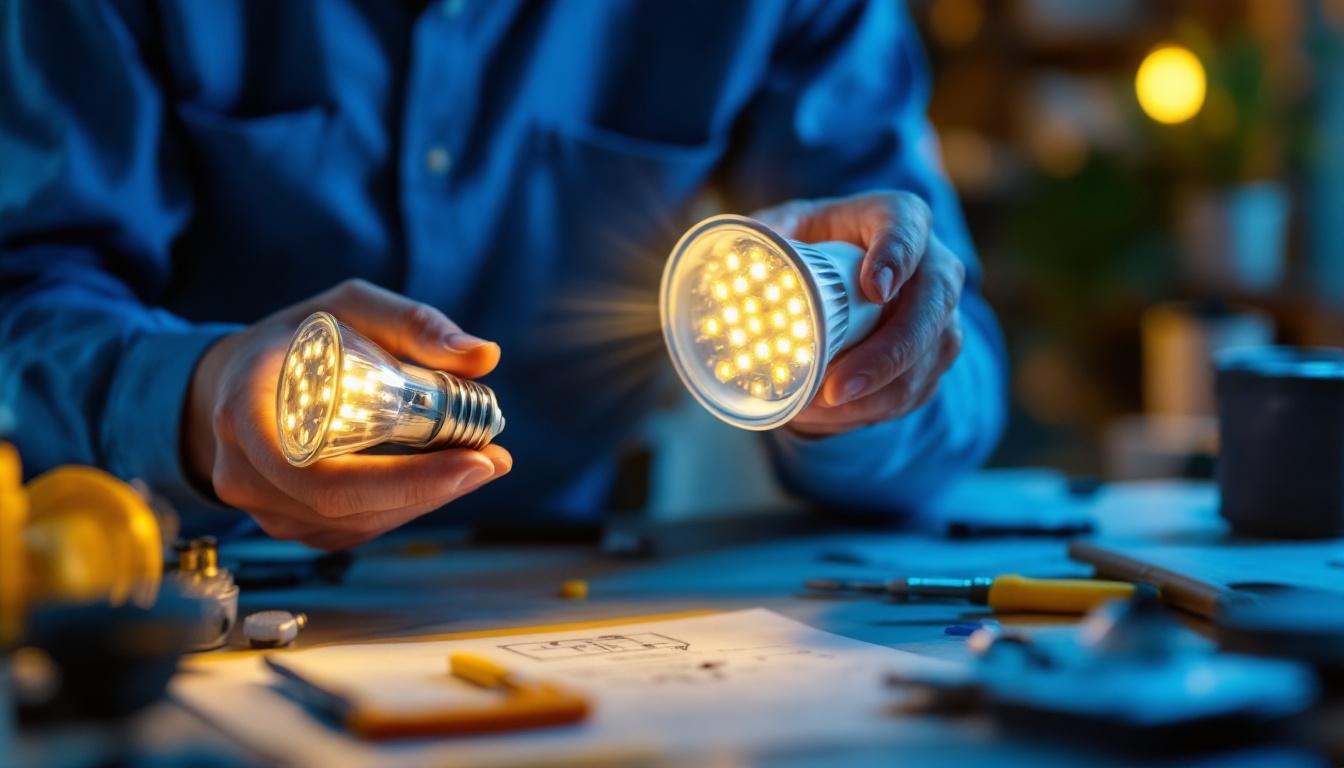
MR16 lamps have long been a staple in residential, commercial, and hospitality lighting applications. These multifaceted halogen bulbs, named for their multifaceted reflector and 2-inch diameter, have provided contractors with a reliable, compact light source that delivers bright, directional illumination. Their popularity stems from their ability to produce crisp, focused beams, making them ideal for accent lighting, display cases, and track lighting systems.
However, as the lighting industry evolves, the limitations of traditional MR16 halogen lamps have become apparent. High energy consumption, short lifespan, and heat generation challenge contractors striving for efficiency and sustainability. Understanding the core characteristics of MR16 lamps is essential before transitioning to LED alternatives, ensuring that lighting professionals can make informed decisions that meet client expectations and regulatory demands.
Technical Characteristics of MR16 Lamps
MR16 lamps typically operate at 12 volts, requiring a transformer to step down from line voltage. They feature a bi-pin base (GU5.3) and emit a warm color temperature ranging from 2700K to 3000K, which is favored for its cozy ambiance. The halogen technology produces a high Color Rendering Index (CRI), often above 90, which means colors appear vivid and natural under its light.
Despite these advantages, the halogen MR16’s inefficiency is notable. They convert much of their energy into heat rather than light, which can lead to heat management issues in enclosed fixtures and increased cooling costs in commercial environments. Additionally, their average lifespan ranges from 2,000 to 4,000 hours, necessitating frequent replacements that increase maintenance expenses.
In contrast, the emergence of LED MR16 lamps has begun to reshape the landscape of lighting design. These modern alternatives not only offer significantly longer lifespans—often exceeding 25,000 hours—but also provide energy savings of up to 80%. This shift not only benefits contractors and clients through reduced operational costs but also aligns with growing environmental concerns, as LED technology minimizes waste and lowers carbon footprints. Furthermore, LED MR16s are available in a variety of color temperatures and beam angles, allowing for greater flexibility in design and application, making them an attractive option for both new installations and retrofits.
Moreover, the advancements in LED technology have led to the development of dimmable options that can seamlessly integrate with existing dimming systems. This feature allows contractors to offer clients enhanced control over their lighting environments, creating spaces that can adapt to different moods and activities. As the demand for smart lighting solutions continues to rise, understanding the compatibility of LED MR16s with smart home systems will also become increasingly important for contractors looking to stay ahead in a competitive market.
The Rise of LED Technology in MR16 Applications
Light Emitting Diode (LED) technology has revolutionized the lighting industry, offering superior energy efficiency, extended lifespan, and enhanced design flexibility. For lighting contractors, the shift from MR16 halogen to MR16 LED lamps represents both an opportunity and a challenge.
LED MR16 lamps are designed to mimic the form factor and beam characteristics of traditional MR16s while delivering significant improvements in performance. Their energy consumption can be up to 80% lower, and lifespans often exceed 25,000 hours, drastically reducing maintenance and operational costs.
Energy Efficiency and Cost Savings
One of the most compelling reasons for contractors to recommend LED MR16 replacements is the substantial reduction in energy use. For example, a typical 50-watt halogen MR16 can be replaced by a 7 to 10-watt LED equivalent that produces comparable lumens. This reduction not only lowers electricity bills but also aligns with increasingly stringent energy codes and sustainability goals set by many clients.
Moreover, the longer lifespan of LED lamps means fewer replacements over time. This is particularly advantageous in commercial settings or installations with difficult access, where labor costs for bulb replacement can be significant. When calculating total cost of ownership, the upfront premium for LED MR16 lamps is often offset within a few years through energy savings and reduced maintenance.
Color Quality and Beam Control
Early LED MR16 lamps faced criticism for inferior color rendering and beam quality compared to halogen counterparts. However, advances in LED chip technology and optics have closed this gap considerably. Today’s LED MR16s can achieve CRI values above 90, ensuring vibrant and accurate color representation, which is critical in retail, gallery, and hospitality environments.
Additionally, LED MR16 lamps offer precise beam angles ranging from narrow spot (15°) to wide flood (40°), allowing contractors to tailor lighting effects to specific project needs. This versatility supports both accent and general lighting applications, maintaining the design intent originally established with halogen MR16s.
Key Considerations for Lighting Contractors When Switching to LED MR16
While LED MR16 lamps offer numerous benefits, lighting contractors must navigate several technical and practical considerations to ensure a successful transition.
Compatibility with Existing Fixtures and Transformers
One of the most common challenges is ensuring compatibility between LED MR16 lamps and existing low-voltage transformers. Traditional magnetic transformers designed for halogen lamps may not operate correctly with LED loads, leading to flickering, reduced lamp life, or failure to start.
Contractors should verify whether the existing transformers are electronic or magnetic and if they are rated for LED loads. In many cases, replacing magnetic transformers with LED-compatible electronic transformers is necessary to achieve optimal performance. This upfront effort prevents costly callbacks and enhances customer satisfaction.
Voltage and Dimming Requirements
MR16 lamps operate on 12 volts, but the source of this voltage and the dimming system in place can affect LED lamp performance. Many LED MR16s are designed to work with standard TRIAC dimmers, but compatibility varies widely among manufacturers and models.
Lighting contractors should test dimming functionality prior to installation or consult manufacturer compatibility charts. In some cases, upgrading dimmers to LED-specific models may be required to avoid flickering or limited dimming ranges. Proper dimming integration is essential for achieving desired ambiance and energy savings.
Thermal Management and Fixture Design
Although LED lamps generate less heat than halogen, they still require adequate thermal management to maintain longevity and performance. Enclosed fixtures or recessed housings can trap heat, potentially shortening LED lifespan if not properly ventilated.
Contractors should assess fixture specifications and select LED MR16 lamps with appropriate thermal ratings. Some LED MR16s incorporate heat sinks or advanced materials to dissipate heat effectively. Ensuring proper installation and ventilation safeguards the investment and prevents premature failures.
Practical Installation Tips and Best Practices
Successful LED MR16 retrofits depend on careful planning and execution. Lighting contractors can leverage these best practices to streamline installations and maximize client satisfaction.
Conduct a Site Assessment
Before installation, evaluate the existing lighting infrastructure, including fixture types, transformer compatibility, and dimming systems. Understanding these variables helps in selecting the correct LED MR16 lamps and any necessary ancillary components.
Documenting existing wattages, beam angles, and color temperatures ensures that replacements maintain or improve the lighting design. This step also helps in communicating expected energy savings and payback periods to clients.
Choose Quality LED MR16 Lamps
Not all LED MR16 lamps are created equal. Contractors should prioritize products from reputable manufacturers that provide detailed specifications, warranty coverage, and customer support. Look for lamps with high CRI, consistent color temperature, and verified lumen output.
Testing samples in the actual application environment can reveal potential issues with beam distribution, color rendering, or dimming compatibility, allowing for adjustments before full-scale installation.
Educate Clients on Benefits and Limitations
Clients may have concerns about the initial cost or differences in light quality when switching to LED MR16. Providing clear explanations of energy savings, reduced maintenance, and environmental benefits builds trust and supports informed decision-making.
Setting realistic expectations about color temperature options and dimming behavior helps avoid dissatisfaction. Highlighting the long-term value and compliance with evolving energy codes reinforces the benefits of LED upgrades.
Emerging Trends and Future Outlook
The lighting industry continues to innovate, with LED technology advancing rapidly. For lighting contractors, staying informed about emerging trends ensures they remain competitive and deliver cutting-edge solutions.
Smart Lighting Integration
LED MR16 lamps increasingly incorporate smart controls, enabling features such as wireless dimming, color tuning, and integration with building automation systems. These capabilities offer clients enhanced control over lighting environments, improved energy management, and the ability to create dynamic lighting scenes.
Contractors familiar with smart lighting protocols and installation practices can differentiate their services and meet growing demand for connected lighting solutions.
Improved Optical and Thermal Designs
Advancements in optics allow LED MR16 lamps to produce more uniform beams with reduced glare, improving visual comfort and design flexibility. Thermal innovations extend lamp life even in challenging fixture environments, reducing failure rates and maintenance calls.
Lighting contractors should monitor product developments to recommend the best options for specific applications, balancing performance, aesthetics, and cost.
Regulatory and Sustainability Drivers
Energy efficiency regulations and sustainability initiatives continue to push the market away from halogen lamps toward LED alternatives. Many jurisdictions have phased out or restricted the sale of halogen MR16 lamps, making LED replacements not only a smart choice but often a requirement.
Contractors who proactively adopt LED MR16 solutions position themselves as industry leaders and trusted advisors, helping clients navigate compliance while improving building performance.
Conclusion: Embracing the LED MR16 Transition
The transition from traditional halogen MR16 lamps to LED technology represents a significant opportunity for lighting contractors to enhance project outcomes, reduce operational costs, and contribute to sustainability goals. By understanding the technical nuances, addressing compatibility challenges, and adopting best practices, contractors can deliver superior lighting solutions that satisfy client needs and future-proof installations.
As LED technology continues to evolve, staying informed and adaptable will empower lighting professionals to lead the market in efficient, high-quality illumination. The MR16 to LED journey is not just a retrofit; it is a strategic upgrade that aligns with the future of lighting.
Upgrade Your Lighting Projects with LumenWholesale
Ready to take advantage of the LED MR16 transition and elevate your lighting projects? At LumenWholesale, we provide lighting contractors with the highest quality, spec-grade LED lighting products at unbeatable wholesale prices. Say goodbye to local distributor markups and hello to our extensive selection that meets rigorous industry standards. Plus, with free shipping on bulk orders, you can stock up on premium lighting solutions at the best value — all without hidden fees or compromises. Don’t miss out on the perfect combination of quality, affordability, and convenience. Wholesale Lighting at the Best Value is just a click away. Make the strategic upgrade with LumenWholesale and lead the future of efficient, high-quality illumination.