Understanding LED Technology: The Foundation for Smart Lighting Choices
Light Emitting Diodes (LEDs) have revolutionized the lighting industry with their efficiency, longevity, and versatility. For lighting contractors, grasping the fundamentals of LED technology is essential to recommend and install the best lighting solutions for clients. Unlike traditional incandescent or fluorescent bulbs, LEDs produce light through electroluminescence, which involves passing an electrical current through a semiconductor. This process results in significantly less heat generation and energy consumption, making LEDs not only a sustainable choice but also a cost-effective one over time.
One of the key advantages of LEDs is their lifespan, often exceeding 25,000 to 50,000 hours of use. This longevity reduces maintenance costs and replacement frequency, which is a critical selling point for commercial and industrial clients. Additionally, LEDs offer superior durability, as they are solid-state lights that resist shock and vibration better than fragile filament bulbs. This resilience makes them ideal for various applications, from outdoor lighting to high-traffic areas where durability is paramount. Furthermore, the compact size of LEDs allows for innovative designs and installations, enabling creative lighting solutions that were previously unattainable with traditional bulbs.
Color Temperature and Color Rendering Index (CRI)
When selecting LED lights, understanding color temperature and CRI is crucial. Color temperature, measured in Kelvins (K), defines the light’s warmth or coolness. For instance, a 2700K LED emits a warm, cozy glow similar to incandescent bulbs, while a 5000K LED produces a cool, daylight-like effect ideal for workspaces or retail environments. This variety allows lighting designers to tailor the ambiance of a space to suit its function, enhancing both aesthetic appeal and functionality. For example, warmer temperatures can create inviting atmospheres in restaurants and homes, while cooler temperatures can boost alertness and productivity in office settings.
The Color Rendering Index (CRI) measures how accurately a light source reveals colors compared to natural light. LEDs with a CRI above 80 are generally suitable for most applications, but spaces requiring precise color discrimination, such as art galleries or medical facilities, benefit from LEDs with a CRI of 90 or higher. High CRI LEDs not only enhance the visual quality of colors but also improve the overall experience of the space, making it more engaging and visually appealing. As a result, understanding these parameters not only aids in making informed lighting choices but also empowers contractors to meet the specific needs of their clients, ensuring satisfaction and optimal performance in every installation.
Key Factors Lighting Contractors Consider When Choosing LED Lights
Lighting contractors must balance multiple factors to select the best LED products for their projects. These considerations ensure optimal performance, client satisfaction, and compliance with energy codes and standards.
Energy Efficiency and Cost Savings
Energy efficiency remains a top priority. LEDs consume up to 75% less energy than incandescent bulbs and last significantly longer, which translates into substantial cost savings over time. Lighting contractors often calculate the return on investment (ROI) for clients by comparing upfront costs against long-term energy and maintenance savings.
Moreover, many regions offer rebates and incentives for installing energy-efficient lighting, which contractors should leverage to reduce project costs and appeal to budget-conscious clients. These financial incentives can significantly impact the overall budget, allowing contractors to propose more advanced lighting solutions without exceeding client expectations. Furthermore, as energy costs continue to rise, the appeal of LED technology becomes even more pronounced, making it a wise choice for both residential and commercial projects.
Compatibility with Controls and Smart Systems
Modern lighting projects increasingly incorporate controls such as dimmers, occupancy sensors, and daylight harvesting systems. Selecting LED lights compatible with these technologies is vital for maximizing energy savings and user comfort. For example, not all LEDs dim smoothly; some may flicker or have limited dimming ranges depending on the driver and fixture design.
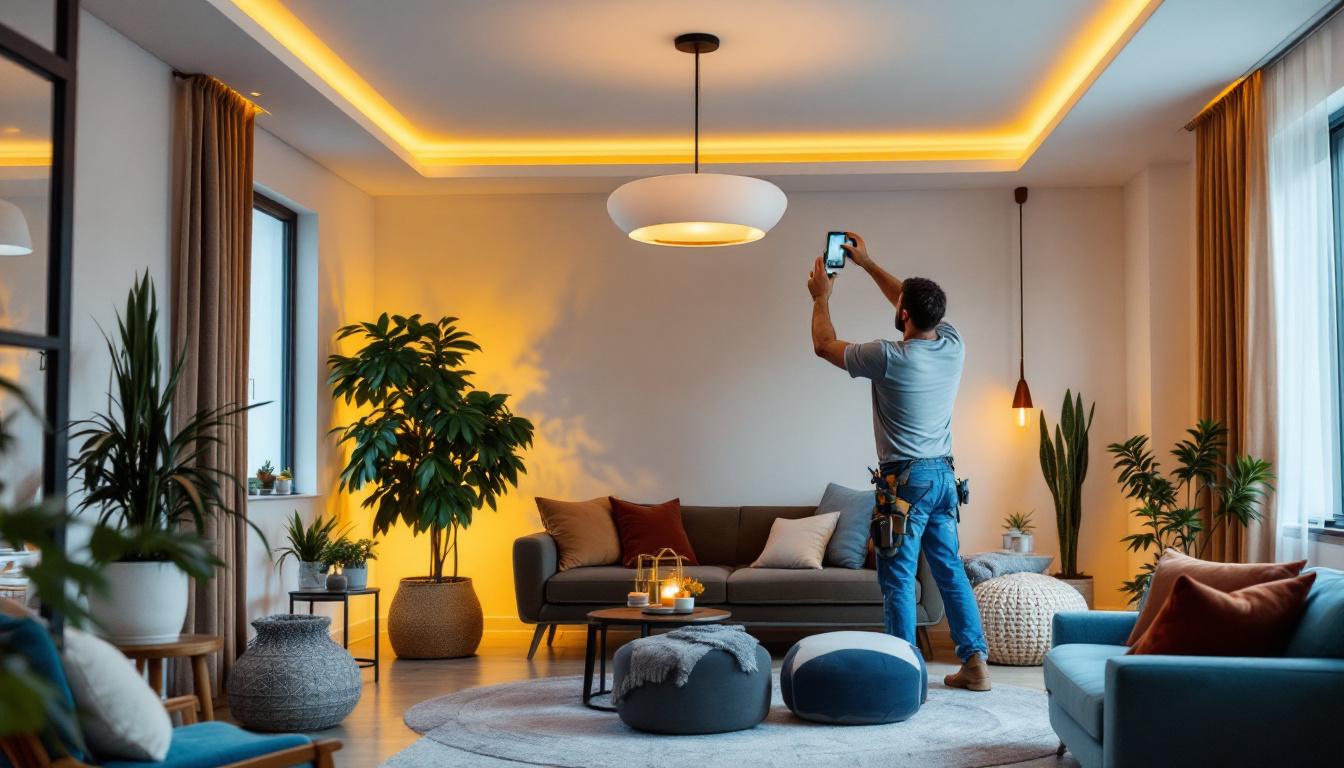
Additionally, smart lighting systems that integrate with building automation or IoT platforms require LEDs with compatible communication protocols. Contractors should verify product specifications and test installations to ensure seamless interoperability. The ability to control lighting remotely or automate it based on occupancy not only enhances user experience but also contributes to energy conservation, making it a significant selling point for contractors to highlight to their clients.
Fixture and Application Specifics
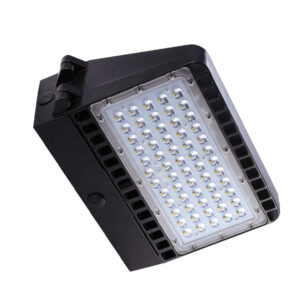
The physical environment and application dictate the type of LED lighting required. For instance, outdoor installations demand fixtures with appropriate ingress protection (IP) ratings to withstand moisture and dust. Industrial settings might require ruggedized LEDs resistant to chemicals or extreme temperatures.
Architectural projects often emphasize aesthetics, necessitating LEDs with specific beam angles, color temperatures, and fixture designs to achieve the desired ambiance or highlight features. Understanding these nuances allows contractors to tailor lighting solutions that meet both functional and design goals. Additionally, the choice of color temperature can significantly affect mood and perception in a space; warmer tones might create a cozy atmosphere in a restaurant, while cooler tones are often preferred in office settings to enhance focus and productivity. By considering these elements, contractors can ensure their lighting designs not only meet technical specifications but also resonate with the intended use and emotional impact of the space.
Common Questions Lighting Contractors Ask About LED Lights
Lighting contractors frequently encounter questions from clients and colleagues regarding LED lighting performance, installation, and maintenance. Addressing these inquiries with clear, evidence-based answers builds trust and positions contractors as knowledgeable professionals.
How Do LED Lights Compare to Other Lighting Technologies?
Compared to incandescent, halogen, and fluorescent lights, LEDs offer superior energy efficiency, longer lifespan, and better environmental sustainability. While initial costs may be higher, the total cost of ownership favors LEDs due to reduced energy bills and maintenance expenses.
LEDs also provide instant illumination without warm-up time, unlike some fluorescent lamps, and contain no mercury, making disposal safer and more environmentally friendly.
What Are the Best LED Brands and Products for Contractors?
While brand preferences vary based on regional availability and project requirements, contractors often prioritize manufacturers with proven reliability, robust warranties, and strong technical support. Established brands with extensive product lines and certifications from recognized bodies such as ENERGY STAR or DLC (DesignLights Consortium) are typically preferred.
Contractors should also consider local distributors and partnerships that offer competitive pricing and timely delivery. Testing samples and reviewing case studies or client testimonials can provide valuable insights into product performance in real-world conditions.
How to Ensure Proper Installation and Avoid Common Pitfalls?
Proper installation is critical for maximizing LED performance and longevity. Contractors should follow manufacturer guidelines meticulously, paying attention to driver compatibility, heat dissipation, and electrical connections. Overheating is a common cause of premature LED failure, so adequate fixture design and ventilation are essential.
Additionally, verifying that the LED product is compatible with existing dimmers or control systems prevents flickering and operational issues. Conducting thorough testing before finalizing installations helps identify and resolve problems early.
Emerging Trends and Innovations in LED Lighting
The LED lighting industry continues to evolve rapidly, offering new opportunities and challenges for contractors. Staying informed about emerging trends enables professionals to offer cutting-edge solutions and maintain a competitive edge.
Human-Centric Lighting and Tunable LEDs
Human-centric lighting focuses on optimizing light quality to support human health and well-being. Tunable LEDs allow adjustment of color temperature and intensity throughout the day to mimic natural light patterns, which can improve mood, productivity, and circadian rhythms.
Contractors working on office, healthcare, or educational projects increasingly encounter demands for these dynamic lighting systems. Understanding the technology and integration requirements is vital for successful implementation.
Integration with Smart Building Systems
LED lighting is a cornerstone of smart building initiatives, contributing to energy management, security, and occupant comfort. Advanced sensors and controls enable adaptive lighting that responds to occupancy, daylight levels, and user preferences.
Contractors should familiarize themselves with protocols like DALI, Zigbee, and Bluetooth Mesh, which facilitate communication between lighting devices and building management systems. This knowledge helps ensure seamless integration and future-proof installations.
Sustainability and Circular Economy Considerations
Environmental responsibility is increasingly influencing lighting choices. LEDs already offer significant energy savings, but manufacturers and contractors are also focusing on recyclability, reduced hazardous materials, and product lifecycle management.
Lighting contractors can advise clients on selecting products certified for environmental standards and participate in recycling programs to minimize waste. This approach aligns with corporate social responsibility goals and regulatory requirements.
Best Practices for Lighting Contractors When Specifying LED Lights
To deliver optimal outcomes, lighting contractors should adopt systematic approaches when specifying LED products.
Conduct a Comprehensive Lighting Audit
Understanding the existing lighting conditions, energy consumption, and client needs is the first step. A thorough audit identifies opportunities for upgrades, potential challenges, and appropriate LED solutions tailored to the space.
Prioritize Quality and Certification
Selecting LEDs with recognized certifications such as ENERGY STAR, DLC, or UL ensures compliance with safety and performance standards. Quality products reduce the risk of failures and enhance client satisfaction.
Collaborate Closely with Clients and Stakeholders
Effective communication about expectations, budget constraints, and design preferences helps align lighting solutions with client goals. Providing clear information about benefits, maintenance requirements, and warranties builds confidence and supports informed decision-making.
Plan for Maintenance and Future Upgrades
Although LEDs require less maintenance, planning for easy access to fixtures and compatibility with future technologies is prudent. Contractors should document installations thoroughly and advise clients on best practices for upkeep.
Conclusion
For lighting contractors, selecting the best LED lights involves a blend of technical knowledge, practical experience, and awareness of emerging trends. By understanding LED technology fundamentals, evaluating key performance factors, and addressing common client questions, contractors can deliver efficient, durable, and aesthetically pleasing lighting solutions.
Staying updated on innovations such as human-centric lighting and smart integration further enhances a contractor’s ability to meet evolving market demands. Ultimately, a thoughtful, client-focused approach to LED specification and installation ensures success in today’s competitive lighting industry.
Illuminate Your Projects with LumenWholesale
Ready to elevate your lighting installations with the best LED solutions on the market? Look no further than LumenWholesale, where we provide contractors with exceptional, spec-grade lighting products at unparalleled wholesale prices. Our commitment to quality and affordability ensures that you can access a wide range of industry-standard lighting options to meet any project requirement. With the added convenience of free shipping on bulk orders, LumenWholesale is your go-to source for premium lighting without the premium price tag. Don’t settle for less—choose LumenWholesale for Wholesale Lighting at the Best Value and make your lighting projects shine.