Understanding Pot Light Bulbs: A Foundation for Lighting Contractors
Pot lights, also known as recessed lights or can lights, have become a staple in modern lighting design. Their sleek, unobtrusive appearance allows for clean ceilings and versatile illumination options, making them a favorite among homeowners and commercial clients alike. For lighting contractors, mastering the nuances of pot light bulb sizes is essential to delivering optimal results that balance aesthetics, functionality, and energy efficiency.
Before diving into specific bulb sizes, it’s important to understand the anatomy of pot lights. Typically, the fixture consists of a housing (the can), a trim (the visible part), and the bulb itself. The bulb size must correspond precisely to the housing and trim to ensure proper fit, heat dissipation, and light distribution. Misalignment can lead to installation issues, reduced bulb lifespan, or even safety hazards.
Why Bulb Size Matters
Choosing the correct bulb size is more than a matter of fitting the fixture. The size affects the beam angle, brightness, and heat output. For example, a bulb that is too large may not fit into the housing, while one that is too small can cause uneven lighting or glare. Additionally, the bulb size influences the type of socket and trim used, which impacts the overall lighting effect and energy consumption.
Lighting contractors must consider these factors when planning installations, especially in projects where multiple pot lights are used to create layered lighting effects. Understanding bulb sizes helps avoid costly mistakes, reduces callbacks, and enhances client satisfaction.
Common Pot Light Bulb Sizes and Their Applications
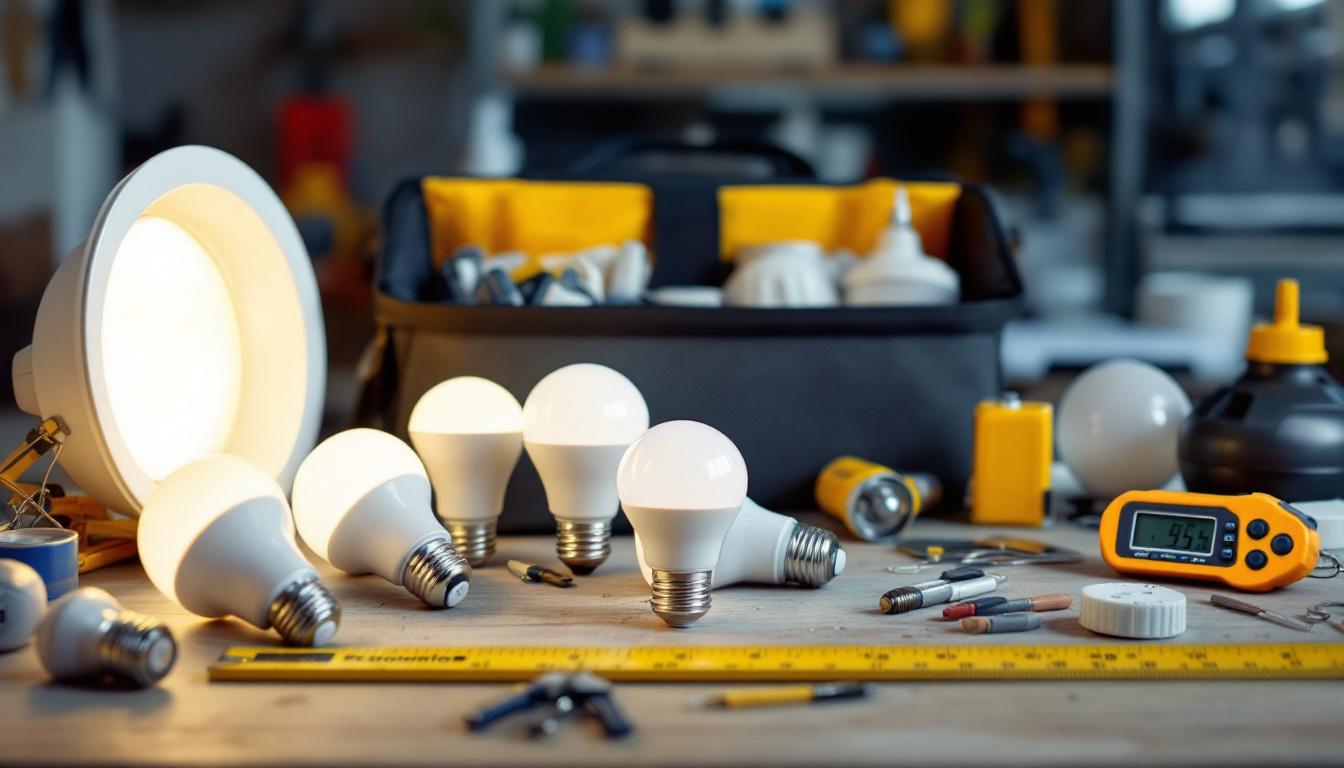
Pot light bulbs come in several standard sizes, each suited for different applications and fixture types. The most common sizes are measured in inches and correspond to the diameter of the bulb or the fixture opening. Here’s a breakdown of the typical sizes contractors encounter:
2-Inch Bulbs
These are among the smallest pot light bulbs available and are often used in accent lighting or tight spaces where minimal intrusion is necessary. Due to their size, 2-inch bulbs provide focused, directional light, making them ideal for highlighting artwork, architectural features, or small display areas.
However, their smaller size means they generally produce less light output compared to larger bulbs, so they are not suitable for general room illumination. Contractors should ensure that the housing and trim are specifically designed for 2-inch bulbs to avoid compatibility issues.
4-Inch Bulbs
4-inch pot light bulbs strike a balance between size and light output, making them a versatile choice for many residential and commercial settings. They are commonly used for general lighting in kitchens, hallways, and living areas. The moderate size allows for a reasonable beam spread, providing ample illumination without overwhelming the space.
Contractors appreciate 4-inch bulbs for their compatibility with a wide range of trims and housings, as well as their availability in various technologies such as LED, halogen, and CFL. When specifying 4-inch bulbs, it’s important to consider the beam angle and lumen output to match the client’s lighting goals.
5-Inch and 6-Inch Bulbs
These larger bulbs are typically used in commercial environments or spacious residential areas where higher light output and broader coverage are required. They are well-suited for ambient lighting in living rooms, conference rooms, and retail spaces.
5- and 6-inch bulbs often come in higher wattages and lumen ratings, which means they can illuminate larger areas effectively. Contractors should note that these sizes may require deeper housings and more robust trims to handle the heat generated, especially with traditional incandescent or halogen bulbs. LED equivalents have mitigated many of these concerns due to their lower heat output.
Specialty Sizes and Shapes
Beyond standard round bulbs, some pot lights accommodate specialty sizes or shapes, such as adjustable or eyeball trims that allow directional lighting. These may use unique bulb sizes or types, including MR16 or PAR bulbs, which have specific diameter measurements (e.g., 2 inches for MR16).
Lighting contractors should be familiar with these variations, as they often serve specialized lighting needs like track lighting effects or focused task lighting. Understanding the compatibility of these bulbs with pot light housings ensures that installations meet both design and functional requirements.
Technical Considerations for Selecting Pot Light Bulb Sizes
Choosing the right pot light bulb size involves more than just measuring the fixture opening. Several technical factors influence the selection process, and contractors must evaluate each to ensure optimal performance and compliance with building codes.
Fixture Compatibility and Housing Size
Each pot light housing is designed to accommodate specific bulb sizes. It’s critical to verify the housing specifications before selecting bulbs. Using a bulb that is too large can damage the fixture or prevent proper installation, while a bulb that is too small may not be securely held or may cause light leakage.
Contractors should consult manufacturer documentation and, when possible, physically inspect housings on-site. This step is particularly important when retrofitting older installations where housing sizes may vary or be non-standard.
Socket Types and Electrical Ratings
Pot light bulbs come with different base types, such as E26 (medium screw base), GU10 (twist and lock), or bi-pin bases for MR16 bulbs. The socket type dictates which bulbs can be used and affects installation complexity.
Electrical ratings, including wattage and voltage, must also be matched to the fixture and circuit. Overloading a fixture with a higher wattage bulb than rated can cause overheating and pose fire risks. Conversely, underpowered bulbs may not provide adequate illumination.
Beam Angle and Light Distribution
The beam angle of a pot light bulb determines how light spreads across a space. Narrow beam angles (e.g., 15-30 degrees) focus light on a small area, suitable for accent or task lighting. Wider beam angles (e.g., 60 degrees or more) provide broad, diffuse illumination for general lighting.
Bulb size often correlates with beam angle options, so contractors should select bulbs that complement the lighting design intent. For example, a 4-inch bulb with a 40-degree beam angle might be ideal for kitchen counters, while a 6-inch bulb with a 60-degree beam angle could illuminate a large living room evenly.
Color Temperature and CRI
While not directly related to size, color temperature and Color Rendering Index (CRI) are critical factors in bulb selection. These parameters affect the ambiance and visual clarity of the lit space.
Contractors should ensure that the chosen bulbs, regardless of size, meet the project’s color temperature requirements (e.g., warm white, neutral white, daylight) and have a CRI of 80 or higher for accurate color representation. This is especially important in retail, hospitality, and residential applications where visual comfort is paramount.
Energy Efficiency and Regulatory Compliance
Modern lighting projects must balance performance with energy efficiency and compliance with local codes and standards. Pot light bulb size selection plays a role in achieving these goals.
LED Technology and Size Considerations
LED bulbs have revolutionized pot lighting by offering high efficiency, low heat output, and long lifespans. They are available in most standard pot light bulb sizes, often with integrated driver circuits that simplify installation.
Lighting contractors should prioritize LED bulbs when possible, as they reduce energy consumption and maintenance costs. Additionally, LED bulbs often come in compact sizes that fit existing housings designed for larger incandescent bulbs, facilitating retrofits without extensive fixture replacement.
Energy Codes and Certification
Many jurisdictions require lighting installations to comply with energy codes such as Title 24 or ASHRAE 90.1, which mandate minimum efficiency levels and control features.
Contractors must verify that selected pot light bulbs meet these requirements. This often means choosing ENERGY STAR® certified bulbs or fixtures, which are tested for performance and efficiency. Bulb size can influence certification status, as some sizes and types are more readily available with compliant options.
Thermal Management and Safety
Proper thermal management is crucial in recessed lighting to prevent overheating and fire hazards. Bulb size affects heat generation and dissipation within the fixture.
Contractors should ensure that the selected bulb size aligns with the fixture’s thermal rating and that insulation contact (IC) ratings are observed. Using bulbs with lower heat output, such as LEDs, can mitigate many thermal concerns, but verification remains essential for safety and code compliance.
Practical Tips for Lighting Contractors When Working with Pot Light Bulb Sizes
Beyond technical knowledge, lighting contractors benefit from practical strategies that streamline installation and enhance client outcomes.
Conduct Thorough Site Assessments
Before ordering bulbs, inspect existing housings and trims to confirm sizes and compatibility. Document measurements and take photos to avoid ordering errors. This is especially important in renovation projects where original specifications may be unknown or outdated.
Maintain a Comprehensive Inventory
Keeping a well-organized inventory of common pot light bulb sizes and types can reduce downtime and improve response times. Stocking popular sizes such as 4-inch and 6-inch LED bulbs in various color temperatures prepares contractors for most jobs.
Educate Clients on Lighting Options
Clients often appreciate guidance on how bulb size affects lighting quality and energy costs. Providing clear explanations and demonstrating sample bulbs can help set realistic expectations and foster trust.
Stay Updated on Industry Trends
The lighting industry evolves rapidly, with new bulb technologies and standards emerging regularly. Subscribing to trade publications, attending workshops, and networking with manufacturers ensures contractors remain informed and competitive.
Conclusion: Mastering Pot Light Bulb Sizes for Superior Lighting Projects
For lighting contractors, understanding pot light bulb sizes is a fundamental skill that influences every aspect of a project—from design and installation to energy efficiency and client satisfaction. By familiarizing themselves with common sizes, technical considerations, and practical strategies, contractors can avoid pitfalls, optimize lighting performance, and deliver professional results that stand the test of time.
Incorporating the latest LED technologies and adhering to regulatory standards further enhances the value provided to clients, positioning contractors as trusted experts in the lighting industry. Ultimately, the right pot light bulb size is not just a measurement—it’s a critical component of successful lighting design and installation.
Get Your Ideal Pot Light Bulb Sizes at LumenWholesale
Ready to elevate your lighting projects with the right pot light bulb sizes? Look no further than LumenWholesale for a comprehensive range of spec-grade lighting products that will meet all your needs. Our commitment to quality and affordability ensures you receive the best value on every purchase. Say goodbye to middleman markups and hello to hassle-free bulk buying with free shipping. Make your next project shine with high-performance lighting that doesn’t compromise on price or convenience. Discover the difference at LumenWholesale by visiting our selection of Wholesale Lighting at the Best Value today.