Understanding the Unique Challenges of Racetrack Lighting
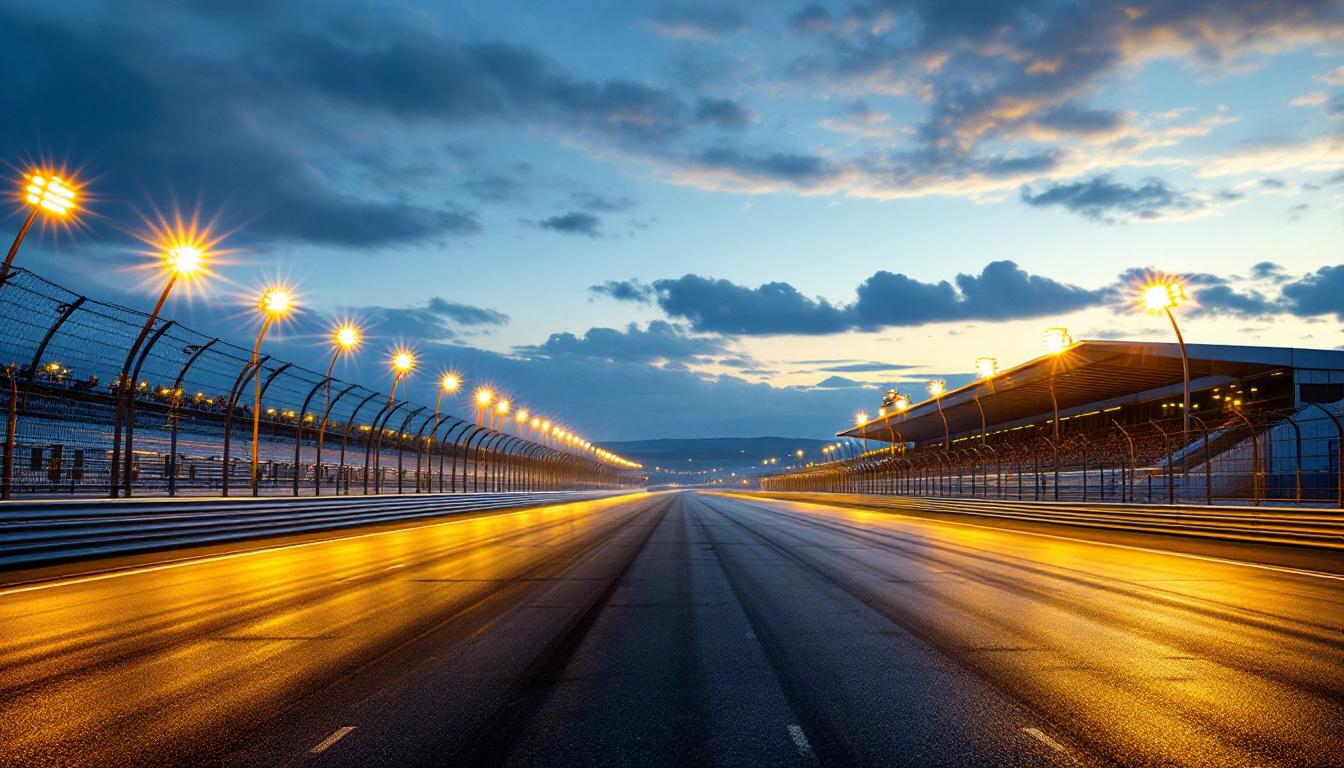
Racetrack lighting is a specialized field that demands more than just installing bright lights. Unlike typical commercial or residential lighting projects, racetrack lighting must address a complex set of requirements to ensure safety, visibility, and energy efficiency. Lighting contractors often underestimate these challenges, leading to suboptimal installations that can affect both the performance of the track and the experience of spectators and participants.
One of the most critical aspects is the sheer scale and layout of racetracks, which can span several miles with varying elevations and curves. This creates unique lighting distribution challenges, as the illumination must be uniform to avoid shadows and glare that could impair drivers’ vision or distract spectators. Additionally, racetrack lighting must withstand harsh environmental conditions, including extreme weather, dust, and vibration from vehicles. The choice of materials and technology becomes paramount, as fixtures need to be robust enough to endure these conditions while providing consistent performance over time.
Moreover, the integration of advanced lighting control systems can play a significant role in optimizing racetrack lighting. Smart lighting solutions allow for real-time adjustments based on weather conditions, time of day, and specific event requirements. This adaptability not only enhances visibility but can also lead to significant energy savings, as lights can be dimmed or brightened as needed. By utilizing LED technology and intelligent control systems, racetracks can achieve a balance between high performance and sustainability, reducing their carbon footprint while maintaining safety and excitement during events.
Safety Considerations Beyond Brightness
While brightness is essential, lighting contractors sometimes overlook the importance of glare control and color rendering in racetrack environments. Excessive glare can cause temporary blindness or discomfort for drivers, increasing the risk of accidents. Similarly, poor color rendering can make it difficult for drivers and officials to accurately perceive track conditions, flags, and signals. The psychological effects of lighting should not be underestimated either; well-designed lighting can enhance the mood and energy of the event, contributing to a more thrilling atmosphere for both participants and fans.
Implementing lighting solutions with high Color Rendering Index (CRI) values and carefully designed fixtures that minimize glare is crucial. This not only enhances safety but also improves the overall quality of the event for participants and viewers alike. Furthermore, the strategic placement of lights can help create a more immersive experience, allowing spectators to feel more connected to the action on the track. By considering the angles and distances of light fixtures, contractors can ensure that every corner of the racetrack is adequately illuminated, providing a seamless and exhilarating viewing experience that keeps fans coming back for more.
Energy Efficiency and Sustainability: A Growing Priority
Energy consumption is a significant concern for racetrack operators, given the extensive lighting required for night events and practice sessions. Lighting contractors often focus on initial installation costs but overlook the long-term energy savings and sustainability benefits of modern lighting technologies.
LED lighting has revolutionized racetrack illumination by offering substantial energy savings, longer lifespans, and reduced maintenance costs compared to traditional metal halide or high-pressure sodium lamps. However, not all LED solutions are created equal. Contractors must carefully select fixtures that balance lumen output, beam angles, and thermal management to optimize performance and efficiency. This meticulous selection process not only enhances the visual experience for both drivers and spectators but also contributes to a more sustainable operation by reducing the carbon footprint associated with energy consumption.
Incorporating Smart Lighting Controls
Another frequently overlooked aspect is the integration of smart lighting controls. Automated dimming, scheduling, and remote monitoring systems can significantly reduce energy consumption by adjusting lighting levels based on real-time needs. For example, during practice sessions or low-attendance events, lighting can be scaled down without compromising safety. This adaptability not only conserves energy but also aligns with the growing emphasis on sustainability within the sporting industry, as racetracks seek to minimize their environmental impact while still providing a high-quality experience for fans and participants alike.
Smart controls also facilitate predictive maintenance by alerting operators to fixture failures or performance degradation, minimizing downtime and repair costs. Lighting contractors who incorporate these technologies provide added value and future-proof racetrack installations. Furthermore, the data collected through these smart systems can be analyzed to further optimize energy usage patterns, enabling racetrack operators to make informed decisions about their lighting strategies. This integration of technology not only enhances operational efficiency but also fosters a culture of innovation within the industry, encouraging other facilities to adopt similar sustainable practices.
Compliance and Standards: Navigating Complex Regulations
Racetrack lighting must comply with a variety of regulations and standards that govern illumination levels, uniformity, and environmental impact. Lighting contractors sometimes underestimate the complexity of these requirements, which can vary by jurisdiction and type of racing event. This complexity is compounded by the fact that different racing formats—such as thoroughbred, harness, or motorsport racing—may have unique lighting needs and standards that must be considered during the planning phase.
For example, the Illuminating Engineering Society (IES) publishes guidelines specific to sports lighting, including recommendations for racetrack illumination. These guidelines address factors such as minimum horizontal and vertical illuminance, uniformity ratios, and glare control. Adhering to these standards is essential not only for safety but also for securing event approvals and insurance coverage. Additionally, many racetracks are now exploring the use of LED technology, which not only meets these stringent requirements but also offers energy efficiency and longer lifespans, making them a popular choice for modern installations.
Environmental and Community Impact
Light pollution is an increasingly important consideration, especially for racetracks located near residential areas or environmentally sensitive zones. Contractors must design lighting systems that minimize skyglow and light trespass, often by using full cutoff fixtures and precise aiming techniques. The use of adaptive lighting systems that can adjust brightness based on the time of day or specific events can also help mitigate the impact on surrounding areas, ensuring that the lighting is only as bright as necessary when events are taking place.
Failure to address these concerns can lead to community complaints, regulatory fines, or restrictions on operating hours. Incorporating environmental impact assessments early in the design process helps ensure compliance and fosters positive community relations. Engaging with local stakeholders through public meetings or informational sessions can also be beneficial. This proactive approach not only helps to educate the community about the benefits of modern lighting solutions but also allows contractors to gather valuable feedback that can inform design choices, ultimately leading to a more harmonious integration of racetrack operations within the community.
Maintenance and Durability: Planning for the Long Term
Racetrack lighting installations are subject to intense operational demands, including continuous use during events and exposure to vibration, dust, and moisture. Lighting contractors frequently overlook the importance of selecting durable fixtures and planning for maintenance accessibility.
Fixtures with robust housings, corrosion-resistant materials, and effective thermal management systems are essential to withstand these harsh conditions. Additionally, easy access for maintenance personnel reduces downtime and labor costs, especially for fixtures mounted on tall poles or hard-to-reach locations. The strategic placement of fixtures can also enhance their longevity; for example, positioning lights at an angle that minimizes direct exposure to rain and debris can significantly extend their operational lifespan.
Moreover, incorporating smart technology into the lighting system can provide real-time monitoring of fixture performance, allowing for proactive maintenance before issues escalate. This not only ensures consistent illumination quality but also enhances safety for drivers and spectators alike, as well-maintained lighting is crucial for visibility during night events.
Lifecycle Cost Analysis
Contractors often focus on upfront costs rather than total lifecycle costs, which include energy consumption, maintenance, and replacement expenses. A comprehensive lifecycle cost analysis can reveal the true value of higher-quality fixtures and advanced technologies.
For instance, investing in premium LED fixtures with longer warranties and superior performance may have a higher initial price but yield significant savings over time. Educating clients about these benefits can help secure buy-in for more sustainable and cost-effective solutions. Additionally, the energy efficiency of LED lighting not only reduces operational costs but also aligns with growing environmental regulations and sustainability goals, making it an attractive option for racetrack operators aiming to minimize their carbon footprint.
Furthermore, the integration of smart lighting controls can optimize energy use by adjusting brightness based on real-time conditions, such as the time of day or the presence of spectators. This level of adaptability not only enhances the user experience but also contributes to significant reductions in energy consumption, further justifying the initial investment in high-quality fixtures. By highlighting these multifaceted advantages, contractors can effectively advocate for a long-term perspective on lighting investments, fostering a culture of sustainability and efficiency within the racetrack community.
Emerging Technologies and Future Trends
The racetrack lighting industry is evolving rapidly, with new technologies offering exciting possibilities for improved performance and efficiency. Contractors who stay informed about these trends can deliver cutting-edge solutions that differentiate their services.
One such trend is the use of adaptive lighting systems that dynamically adjust illumination based on real-time conditions such as weather, track activity, and ambient light levels. These systems enhance safety while optimizing energy use.
Integration with Broadcasting and Event Production
Modern racetrack lighting must also consider the needs of live broadcasting and event production. Lighting quality affects camera performance, color balance, and viewer experience. Contractors who collaborate closely with production teams can design lighting that supports high-definition broadcasts and dynamic visual effects.
This integration requires understanding the spectral characteristics of lighting fixtures and their impact on video capture, as well as coordinating lighting cues with event schedules.
Conclusion: Elevating Racetrack Lighting Through Comprehensive Expertise
Racetrack lighting is a multifaceted discipline that demands a holistic approach from lighting contractors. By understanding the unique challenges of racetrack environments, prioritizing safety and energy efficiency, navigating complex regulations, planning for durability, and embracing emerging technologies, contractors can deliver superior lighting solutions that enhance both performance and experience.
Contractors who overlook these critical factors risk installations that fall short of expectations, leading to increased costs, safety hazards, and client dissatisfaction. Conversely, those who invest in comprehensive planning and innovative technologies position themselves as trusted partners in the high-stakes world of racetrack lighting.
Illuminate Your Racetrack with LumenWholesale
Ready to elevate your racetrack lighting with solutions that blend performance, safety, and energy efficiency? Look no further than LumenWholesale. Our spec-grade lighting products set the standard for quality and value, offering you the superior performance your racetrack requires. With unbeatable wholesale prices and free shipping on bulk orders, you can access the best lighting products without the middleman markup. Make your next project a shining success and experience the convenience of LumenWholesale. Discover our extensive selection and take advantage of the best value in wholesale lighting by visiting Wholesale Lighting at the Best Value today.