Understanding Gu 24 Bases: An Overview for Lighting Contractors
Lighting contractors frequently encounter a wide variety of lamp bases, each designed to meet specific application needs and performance criteria. Among these, the Gu 24 base has gained prominence for its energy efficiency and compatibility with modern lighting technologies. Understanding the characteristics and applications of Gu 24 bases is essential for contractors aiming to deliver optimal lighting solutions.
The Gu 24 base is a type of bi-pin connector commonly used in compact fluorescent lamps (CFLs) and certain LED retrofit bulbs. Its design features two pins spaced 24 millimeters apart, which distinguishes it from other bi-pin bases such as Gu 10 or Gu 5.3. This spacing not only ensures secure mechanical and electrical connections but also helps prevent the use of incompatible bulbs, thereby enhancing safety and performance.
From a practical standpoint, the Gu 24 base is often found in commercial and residential lighting fixtures that prioritize energy efficiency. Its adoption aligns with increasing regulatory emphasis on reducing energy consumption and carbon footprints, making it a relevant choice for contractors focused on sustainable lighting installations. Furthermore, the Gu 24 base supports a variety of bulb types, including dimmable options, which provide flexibility in design and functionality. This versatility allows contractors to cater to diverse client needs, whether for ambient lighting in a cozy home or bright task lighting in a bustling office environment.
In addition to its practical applications, the Gu 24 base plays a significant role in the ongoing transition to LED technology. As more manufacturers develop LED bulbs that are compatible with Gu 24 bases, contractors can offer clients energy-saving solutions that not only reduce utility bills but also extend the lifespan of the lighting systems. This shift is particularly important in commercial settings where lighting is used extensively, as the long-term benefits of LED technology can lead to substantial cost savings over time. Moreover, the integration of smart lighting systems with Gu 24 bases is becoming increasingly popular, allowing for enhanced control over lighting environments through automation and remote management, which is a key selling point for tech-savvy clients.
Technical Specifications and Compatibility
Pin Configuration and Electrical Ratings
The defining feature of the Gu 24 base is its 24-millimeter pin spacing, which is critical for ensuring proper fixture compatibility. The pins are typically 0.6 millimeters in diameter and made of durable metal to withstand repeated insertions and removals without degradation. This robust design not only enhances the longevity of the lamp but also ensures a secure connection that minimizes the risk of electrical arcing, which can lead to premature failure or safety hazards.
Electrically, Gu 24-based lamps generally operate at line voltage, commonly 120 volts in North America, but contractors should always verify the specific voltage and wattage ratings of the lamp and fixture. Many Gu 24 CFLs and LED lamps are designed to operate within a wattage range of 13 to 26 watts, providing ample illumination while maintaining energy efficiency. Additionally, the energy savings associated with these lamps can be significant, as they often consume up to 75% less energy than traditional incandescent bulbs, making them an environmentally friendly choice for both residential and commercial applications.
Fixture Compatibility and Retrofit Considerations
One of the advantages of the Gu 24 base is its compatibility with a broad range of fixtures originally designed for CFLs. This makes it a popular choice for retrofit projects where upgrading to LED technology is desired without replacing the entire fixture. However, contractors must be cautious about the ballast compatibility, as some LED retrofit lamps with Gu 24 bases are designed to bypass existing ballasts, while others rely on them. This distinction is crucial, as using an incompatible lamp can lead to inefficiency and potential damage to both the lamp and fixture.
Understanding the fixture’s electrical configuration is crucial. For example, in installations with electronic ballasts, certain Gu 24 LED lamps may require ballast bypass wiring to function correctly. Failure to address this can lead to flickering, reduced lamp life, or outright failure. Therefore, a thorough assessment of the existing fixture and ballast type is a necessary step before selecting Gu 24-based retrofit lamps. Moreover, it is essential to consider the thermal management of the fixture, as LED lamps generate less heat than their incandescent counterparts, which can affect the overall performance and longevity of the lighting system. Proper ventilation and heat dissipation mechanisms should be evaluated to ensure optimal operation and to extend the lifespan of the installed lamps.
Advantages of Gu 24 Bases in Modern Lighting Projects
Energy Efficiency and Environmental Impact
Lighting contractors are increasingly tasked with delivering solutions that balance performance with sustainability. Gu 24-based lamps, especially LED variants, offer significant energy savings compared to traditional incandescent or halogen bulbs. LEDs with Gu 24 bases can reduce energy consumption by up to 80%, which translates into lower operating costs for clients and a reduced environmental footprint.
Moreover, many Gu 24 CFL and LED lamps are designed to comply with stringent environmental standards, including restrictions on hazardous substances like mercury. This compliance not only facilitates safer disposal but also aligns with green building certifications such as LEED and WELL, which are becoming standard requirements in commercial and institutional projects.
Longevity and Maintenance Benefits
Another compelling advantage of Gu 24-based lamps is their extended operational life. LED lamps with this base type can last upwards of 25,000 hours, significantly outlasting traditional lighting options. This longevity reduces the frequency of lamp replacements, minimizing maintenance costs and disruptions, especially in commercial settings where fixture access may be challenging.
For lighting contractors, recommending Gu 24 LED lamps can enhance client satisfaction by providing reliable, long-term lighting solutions. Additionally, the reduced maintenance burden can be a selling point in contracts that include ongoing facility management services.
Installation Best Practices for Lighting Contractors
Ensuring Proper Handling and Safety
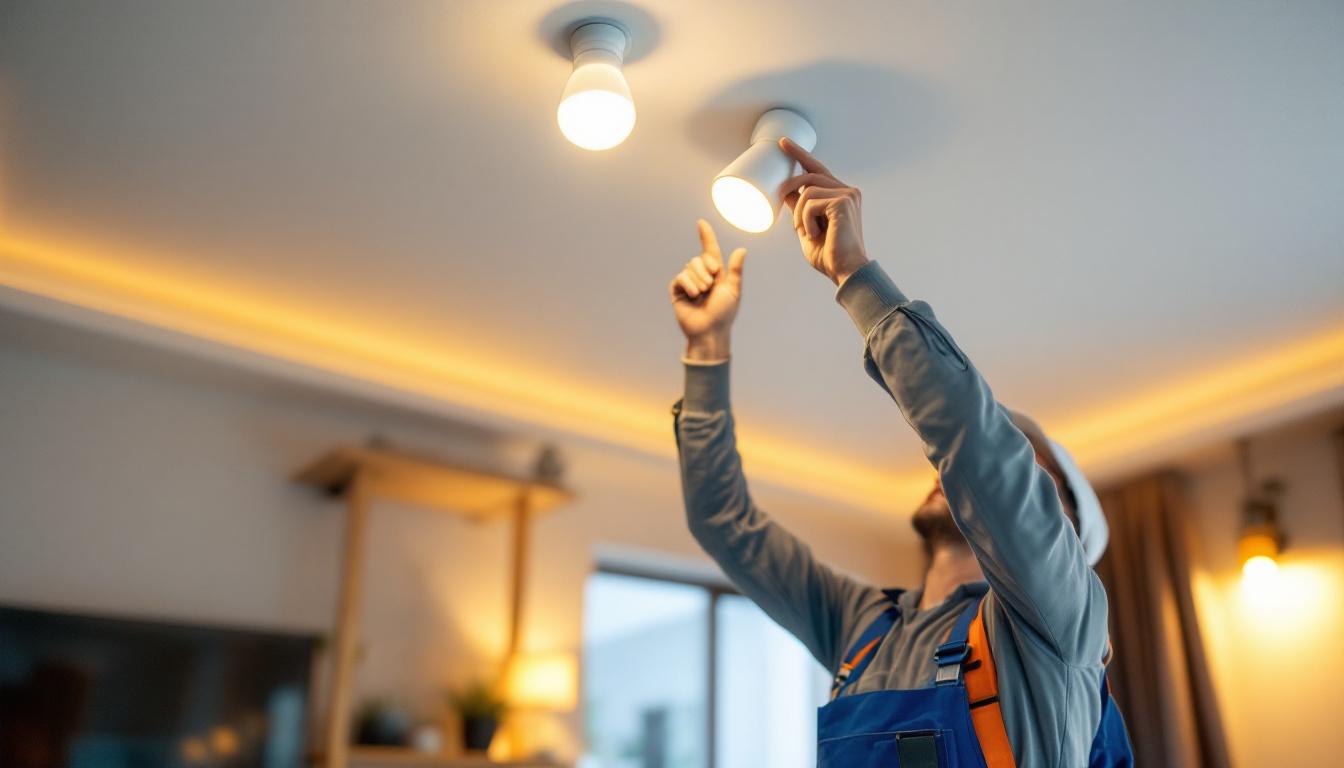
When working with Gu 24-based lamps, lighting contractors should adhere to best practices to ensure safety and optimal performance. The pins on Gu 24 bases are delicate and can bend or break if handled improperly. It is advisable to avoid applying excessive force during installation and to use gloves when handling lamps to prevent oils from the skin affecting lamp surfaces.
Furthermore, verifying that the fixture is de-energized before installation is a fundamental safety measure. Given that many Gu 24 lamps operate at line voltage, accidental contact with live components can pose electrical hazards.
Addressing Ballast and Wiring Considerations
As mentioned earlier, ballast compatibility is a critical factor in installations involving Gu 24 lamps. Lighting contractors should conduct a thorough inspection of the existing ballast type and condition. In some cases, replacing or bypassing the ballast may be necessary to accommodate LED retrofit lamps. This process involves rewiring the fixture to provide direct line voltage to the lamp base, which should be performed by qualified personnel to comply with electrical codes and standards.
Additionally, contractors should verify the polarity and secure connection of the pins to avoid flickering or intermittent operation. Testing the lamp after installation ensures proper function before project completion.
Common Challenges and Troubleshooting Tips
Flickering and Dimmer Compatibility
One of the common issues lighting contractors encounter with Gu 24 lamps, especially LEDs, is flickering. This can be caused by incompatible dimmers, faulty ballasts, or poor electrical connections. Contractors should recommend using dimmers specifically rated for LED lamps and verify that the existing dimmer supports the lamp’s wattage range.
In retrofit scenarios, bypassing the ballast often resolves flickering caused by ballast incompatibility. However, if flickering persists, inspecting wiring connections and replacing the lamp with a higher-quality or manufacturer-recommended model may be necessary.
Physical Fit and Mechanical Issues
Although Gu 24 bases are standardized, variations in lamp length and bulb shape can affect fixture fit. Contractors should measure fixture dimensions and verify that the selected lamp will not interfere with shades, lenses, or other components. In some cases, selecting a lamp with a more compact design or a different color temperature can improve both fit and aesthetic outcomes.
Mechanical issues such as loose pins or poor seating in the socket can cause intermittent operation. Ensuring the pins are straight and fully inserted during installation helps mitigate these problems.
Future Trends and Innovations in Gu 24 Lighting
The Gu 24 base is poised to remain relevant as lighting technology continues to evolve. Innovations in LED chip efficiency, driver electronics, and smart lighting integration are expanding the capabilities of Gu 24-based lamps. For instance, some manufacturers now offer Gu 24 LED lamps with built-in wireless controls compatible with popular smart home and building automation systems.
Lighting contractors who stay informed about these advancements can offer clients cutting-edge solutions that enhance energy management, user comfort, and operational flexibility. Additionally, ongoing improvements in lamp color rendering and dimming performance are making Gu 24 LED lamps suitable for a wider range of applications, from hospitality to healthcare environments.
Conclusion: Maximizing Value with Gu 24 Lighting Solutions
For lighting contractors, mastering the technical and practical aspects of Gu 24 bases unlocks significant opportunities to deliver efficient, reliable, and sustainable lighting solutions. From understanding electrical compatibility to navigating installation challenges, a comprehensive grasp of Gu 24 technology enhances project outcomes and client satisfaction.
By leveraging the energy savings, longevity, and evolving capabilities of Gu 24-based lamps, contractors can position themselves as trusted experts in the competitive lighting market. Whether working on new installations or retrofits, the Gu 24 base offers a versatile platform for meeting the demands of modern lighting design and environmental responsibility.
Get Your Gu 24 Lighting Solutions at LumenWholesale
Ready to elevate your lighting projects with Gu 24 bases and reap the benefits of energy efficiency and sustainability? Look no further than LumenWholesale for all your lighting needs. We provide contractors with the highest quality, spec-grade lighting products at the most competitive wholesale prices. With our direct-to-contractor approach, you avoid unnecessary markups and enjoy the convenience of free shipping on bulk orders. Trust LumenWholesale to supply reliable, high-performance lighting that meets the strictest industry standards. Take the next step in optimizing your lighting installations by visiting Wholesale Lighting at the Best Value and discover the ideal blend of quality, affordability, and convenience today.