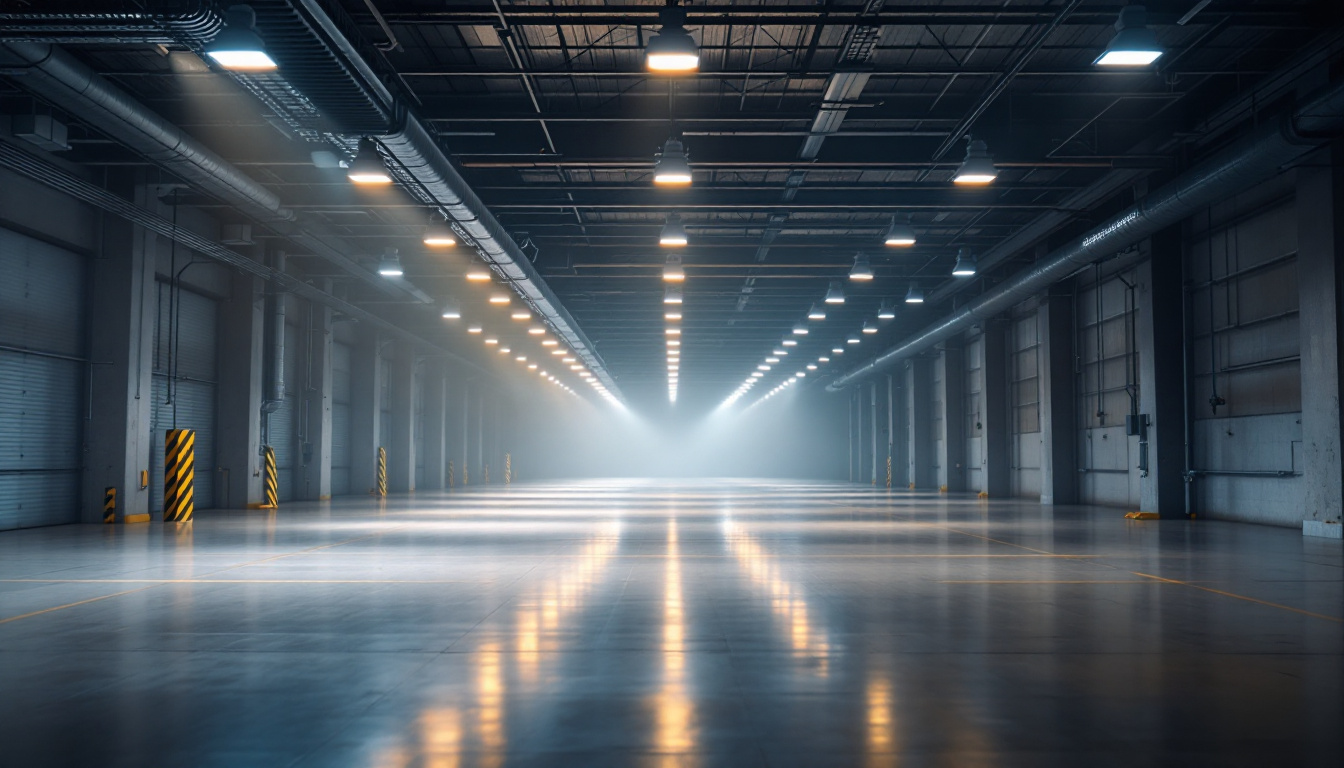
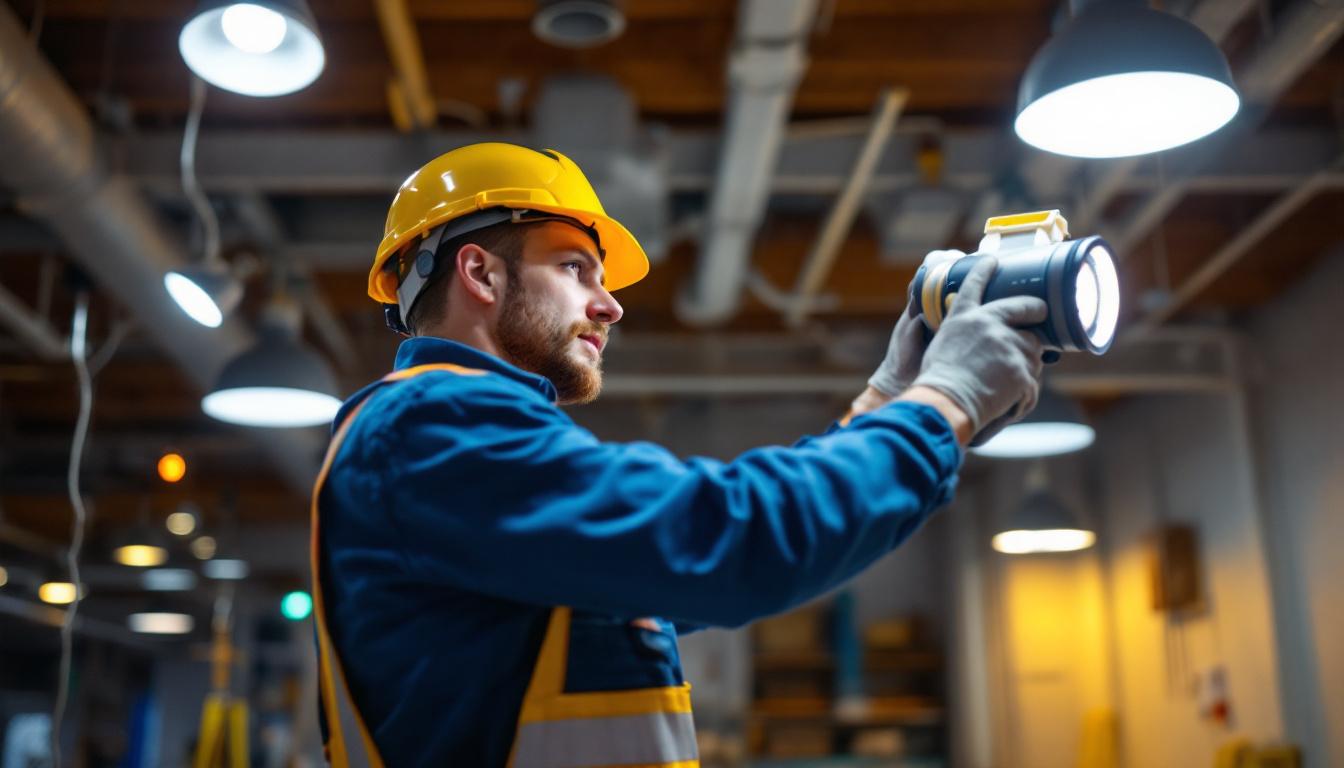
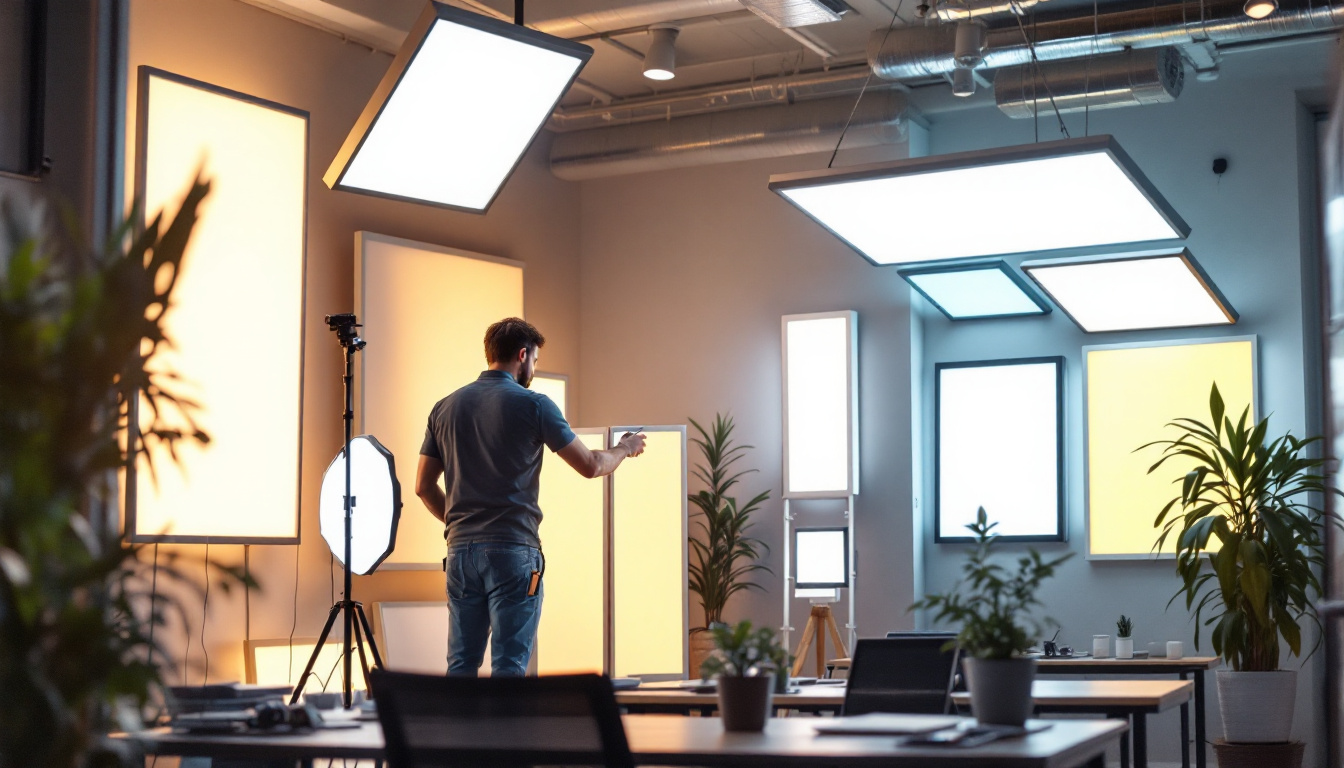
In the realm of industrial and commercial lighting, high bay lights play a crucial role in ensuring optimal illumination for spaces with high ceilings. These fixtures are designed to provide bright, efficient lighting in warehouses, factories, gymnasiums, and retail spaces. For lighting contractors, understanding the nuances of high bay lighting is essential for delivering effective solutions to clients. This guide will explore the various aspects of high bay lights, including types, applications, installation considerations, and energy efficiency.
Understanding High Bay Lights
High bay lights are typically used in locations where the ceiling height exceeds 15 feet. Their design allows them to effectively illuminate large areas, making them ideal for spaces that require bright, uniform lighting. The primary function of high bay lighting is to enhance visibility and safety while also improving productivity in work environments. These lights are engineered to provide a wide beam angle, ensuring that even the most expansive areas are well-lit, which is crucial in environments where safety and efficiency are paramount.
Types of High Bay Lights
High bay lights come in various types, each suited for different applications and environments. The most common types include LED, fluorescent, and metal halide lights. Understanding the differences among these options is vital for selecting the right fixture for a specific project. Each type has its own set of advantages and disadvantages, which can significantly impact operational costs and lighting quality.
LED high bay lights have gained popularity due to their energy efficiency and long lifespan. They consume significantly less power than traditional lighting options, making them a cost-effective choice for businesses looking to reduce energy expenses. Additionally, LED lights provide instant brightness and are available in various color temperatures, allowing for greater customization in lighting design. Their durability also means they are less likely to break, reducing replacement costs and downtime. Furthermore, many LED models come with smart technology options, enabling remote control and automation, which can further enhance energy savings and convenience.
Fluorescent high bay lights are another option, known for their relatively low initial cost and decent energy efficiency. However, they may require more frequent maintenance due to their shorter lifespan compared to LEDs. The flickering and warm-up time associated with fluorescent lights can be a drawback in fast-paced environments. Metal halide lights are also used in high bay applications, offering bright, white light but generally consuming more energy and having a shorter lifespan. Despite these limitations, metal halide fixtures are often favored for their high lumen output, making them suitable for spaces that require intense illumination, such as large retail stores or arenas.
Applications of High Bay Lights
High bay lights are versatile and can be utilized in various settings. Warehouses and distribution centers often rely on these fixtures to ensure that products are easily visible and accessible. In manufacturing facilities, high bay lighting helps workers perform tasks safely and efficiently by illuminating workstations and machinery. The strategic placement of these lights can minimize shadows and enhance visibility, which is essential for maintaining a safe working environment.
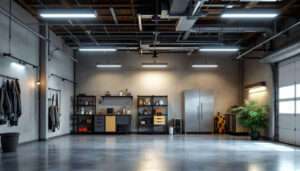
Additionally, high bay lights are commonly found in gymnasiums and recreational facilities, where bright lighting is essential for sports activities and events. The ability to adjust the light intensity can also cater to different activities, from high-energy games to more subdued events like yoga classes. Retail spaces also benefit from high bay lighting, as it enhances product visibility and creates an inviting atmosphere for customers. The right lighting can influence purchasing decisions, making it crucial for retailers to invest in effective high bay solutions that showcase their merchandise in the best possible light. Beyond these applications, high bay lights are increasingly being used in agricultural settings, such as greenhouses, where they can promote plant growth by providing the necessary light spectrum.
Installation Considerations
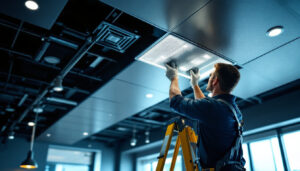
Proper installation of high bay lights is critical for achieving optimal performance and safety. Lighting contractors must take several factors into account to ensure that the installation meets the specific needs of the space.
Ceiling Height and Mounting Options
The height of the ceiling is one of the most important considerations when installing high bay lights. The higher the ceiling, the more powerful the lighting fixture needs to be to achieve adequate illumination. Generally, high bay lights are mounted between 15 and 40 feet above the floor, and the mounting method can vary based on the type of fixture and the space’s layout.
There are several mounting options available, including pendant mounting, surface mounting, and chain mounting. Pendant mounting is often preferred for its flexibility, allowing for adjustments in height and angle to direct light where it is needed most. Surface mounting is suitable for lower ceilings or where a more streamlined appearance is desired, while chain mounting can be used for high ceilings where fixtures need to be suspended. Additionally, the choice of mounting option can also influence maintenance accessibility; for instance, fixtures that are easily reachable can simplify bulb replacement and cleaning, ultimately extending the lifespan of the lighting system.
Light Distribution and Spacing
Another critical factor in the installation of high bay lights is light distribution. The spacing between fixtures will depend on the light output and the desired illumination level for the area. A well-planned layout ensures uniform light distribution and minimizes shadows, enhancing visibility and safety.
Lighting contractors should consider the beam angle of the fixtures when determining spacing. A wider beam angle allows for greater coverage, while a narrower beam angle provides concentrated light in specific areas. Calculating the optimal spacing will help achieve the desired lighting effect and meet the client’s requirements. Furthermore, it is essential to take into account any obstacles in the space, such as shelving or machinery, which may obstruct light paths and create uneven illumination. Conducting a lighting simulation or using photometric data can assist in visualizing how light will interact with the environment, ensuring that every corner of the area is adequately lit and functional.
Energy Efficiency and Sustainability
With the growing emphasis on sustainability and energy conservation, high bay lighting solutions must prioritize energy efficiency. Lighting contractors play a significant role in guiding clients toward eco-friendly options that align with their sustainability goals. As industries increasingly recognize the importance of reducing their carbon footprint, the demand for energy-efficient lighting solutions continues to rise, prompting a shift towards innovative technologies that not only save energy but also enhance overall operational efficiency.
Benefits of LED Technology
LED high bay lights are often the most energy-efficient option available. They consume significantly less power than traditional lighting solutions, which translates to lower energy bills for businesses. Furthermore, LEDs have a longer lifespan, reducing the frequency of replacements and maintenance costs. This durability is particularly beneficial in high-ceiling environments, where changing bulbs can be both time-consuming and costly. The longevity of LED lights means that businesses can focus more on their core operations rather than on routine maintenance tasks.
In addition to energy savings, LED lights produce less heat, which can contribute to lower cooling costs in industrial and commercial spaces. This is particularly important in environments where temperature control is critical for equipment and personnel comfort. Moreover, the ability of LED technology to provide instant illumination without the warm-up time associated with traditional lighting makes them ideal for facilities that require immediate visibility, such as warehouses and manufacturing plants. The versatility of LED fixtures also allows for better design flexibility, enabling businesses to create tailored lighting solutions that enhance productivity and safety.
Incentives and Rebates
Many utility companies and government programs offer incentives and rebates for businesses that invest in energy-efficient lighting solutions. Lighting contractors should be well-versed in these programs and can assist clients in navigating the application process. By taking advantage of these incentives, businesses can offset the initial costs of upgrading to high-efficiency lighting, making it a more attractive investment. Additionally, these programs often include educational resources that help businesses understand the long-term benefits of energy efficiency, further encouraging a shift towards sustainable practices.
Furthermore, as more businesses adopt energy-efficient technologies, they not only contribute to environmental sustainability but also enhance their corporate image. Consumers are increasingly drawn to companies that demonstrate a commitment to green practices, which can lead to increased customer loyalty and potentially higher sales. By leveraging available rebates and incentives, businesses can position themselves as leaders in sustainability, showcasing their dedication to reducing energy consumption and promoting a healthier planet for future generations.
Maintenance and Upkeep
Regular maintenance is essential for ensuring the longevity and performance of high bay lighting systems. Lighting contractors should educate clients about the importance of routine inspections and maintenance tasks to keep their lighting systems operating efficiently.
Cleaning and Inspection
High bay lights can accumulate dust and debris over time, which can diminish their brightness and efficiency. Regular cleaning of the fixtures and lenses is necessary to maintain optimal light output. Contractors should recommend a cleaning schedule based on the specific environment, as industrial settings may require more frequent cleaning than retail spaces.
In addition to cleaning, periodic inspections should be conducted to check for any signs of wear and tear, such as flickering lights or damaged fixtures. Addressing these issues promptly can prevent more significant problems and ensure that the lighting system continues to function effectively.
Upgrading and Retrofitting
As technology advances, new high bay lighting options may become available that offer improved efficiency and performance. Lighting contractors should stay informed about the latest developments in lighting technology and be prepared to recommend upgrades or retrofits to clients when appropriate.
Retrofitting existing fixtures with LED components can be a cost-effective way to enhance energy efficiency without the need for a complete replacement. Contractors can assess the current lighting setup and determine the best approach for upgrading to modern, energy-efficient solutions.
Conclusion
High bay lights are an essential component of effective industrial and commercial lighting solutions. For lighting contractors, understanding the various types, applications, and installation considerations is crucial for delivering optimal results to clients. By prioritizing energy efficiency and sustainability, contractors can help businesses reduce costs and improve their environmental impact.
With the right knowledge and expertise, lighting contractors can navigate the complexities of high bay lighting and provide clients with tailored solutions that meet their specific needs. Whether it’s a warehouse, manufacturing facility, or retail space, high bay lights can significantly enhance visibility, safety, and productivity.
By staying informed on the latest trends and technologies in high bay lighting, contractors can position themselves as trusted advisors in the industry, helping clients make informed decisions that benefit their operations and bottom line.
Illuminate Your Projects with LumenWholesale
Ready to elevate your lighting solutions with high-quality, spec-grade high bay lights? Look no further than LumenWholesale. Our commitment to empowering contractors like you with superior lighting products at unbeatable wholesale prices sets us apart. With LumenWholesale, you can say goodbye to inflated markups and hello to a vast selection of industry-standard lighting that promises reliability and high performance for every project. Plus, with free shipping on bulk orders, you’ll enjoy the best value without any hidden fees. Don’t compromise on quality or cost. Wholesale Lighting at the Best Value is just a click away. Experience the LumenWholesale difference today!