Understanding the Unique Needs of Wedding Venues
Lighting contractors working with wedding venues face a distinct set of challenges and opportunities compared to other event lighting scenarios. Weddings are deeply personal and emotional occasions, where lighting plays a crucial role in setting the atmosphere, highlighting key moments, and enhancing the overall guest experience. Unlike corporate events or concerts, weddings demand a delicate balance between functionality and aesthetics, requiring contractors to be both technically proficient and artistically sensitive.
One of the primary considerations is the diversity of wedding venues. From rustic barns and outdoor gardens to grand ballrooms and historic estates, each location presents unique architectural features and spatial constraints. Understanding the venue’s layout, natural light availability, and existing electrical infrastructure is essential for designing an effective lighting plan that complements the space without overwhelming it. For instance, a barn may require softer, warm lighting to create an intimate ambiance, while a ballroom might benefit from dramatic uplighting to accentuate its grandeur. This attentiveness to the venue’s characteristics allows lighting contractors to tailor their designs to enhance the inherent beauty of each location.
Moreover, weddings often span multiple phases—ceremony, cocktail hour, dinner, and dancing—each requiring different lighting moods and intensities. Lighting contractors must be adept at creating seamless transitions that enhance the narrative of the day while ensuring safety and comfort for all attendees. During the ceremony, for example, soft, focused lighting can draw attention to the couple as they exchange vows, while during the reception, dynamic lighting effects can invigorate the dance floor and encourage guests to let loose. The ability to adjust lighting in real-time based on the flow of the event is a skill that can significantly elevate the overall experience.
Additionally, the emotional significance of weddings means that lighting contractors must also be attuned to the couple’s vision and personal style. This often involves extensive consultations to understand their preferences, from color schemes to specific themes, ensuring that the lighting aligns with their dream wedding. For example, a couple planning a vintage-themed wedding might favor soft pastels and fairy lights, while another seeking a modern aesthetic may opt for bold colors and sleek fixtures. By collaborating closely with couples and wedding planners, lighting contractors can create a cohesive look that not only meets practical needs but also resonates with the couple’s personal story.
Furthermore, the integration of technology in wedding lighting has opened up exciting possibilities. The use of programmable LED lights allows for intricate designs and color changes that can be timed to music or specific moments during the event, such as the couple’s first dance or cake cutting. This technological advancement not only enhances the visual experience but also adds a layer of personalization that can make the event truly unforgettable. As trends evolve, lighting contractors must stay abreast of the latest innovations and techniques to provide couples with options that reflect contemporary tastes while still honoring traditional elements.
Key Lighting Techniques for Wedding Venues
Ambient Lighting: Creating the Foundation
Ambient lighting sets the overall tone of the wedding space and provides the base layer upon which other lighting effects are built. Soft, warm lighting is typically preferred to evoke intimacy and romance. Contractors often use dimmable LED fixtures, string lights, or chandeliers to achieve this effect. The choice of color temperature is critical; warmer hues around 2700K to 3000K tend to flatter skin tones and create a welcoming environment.
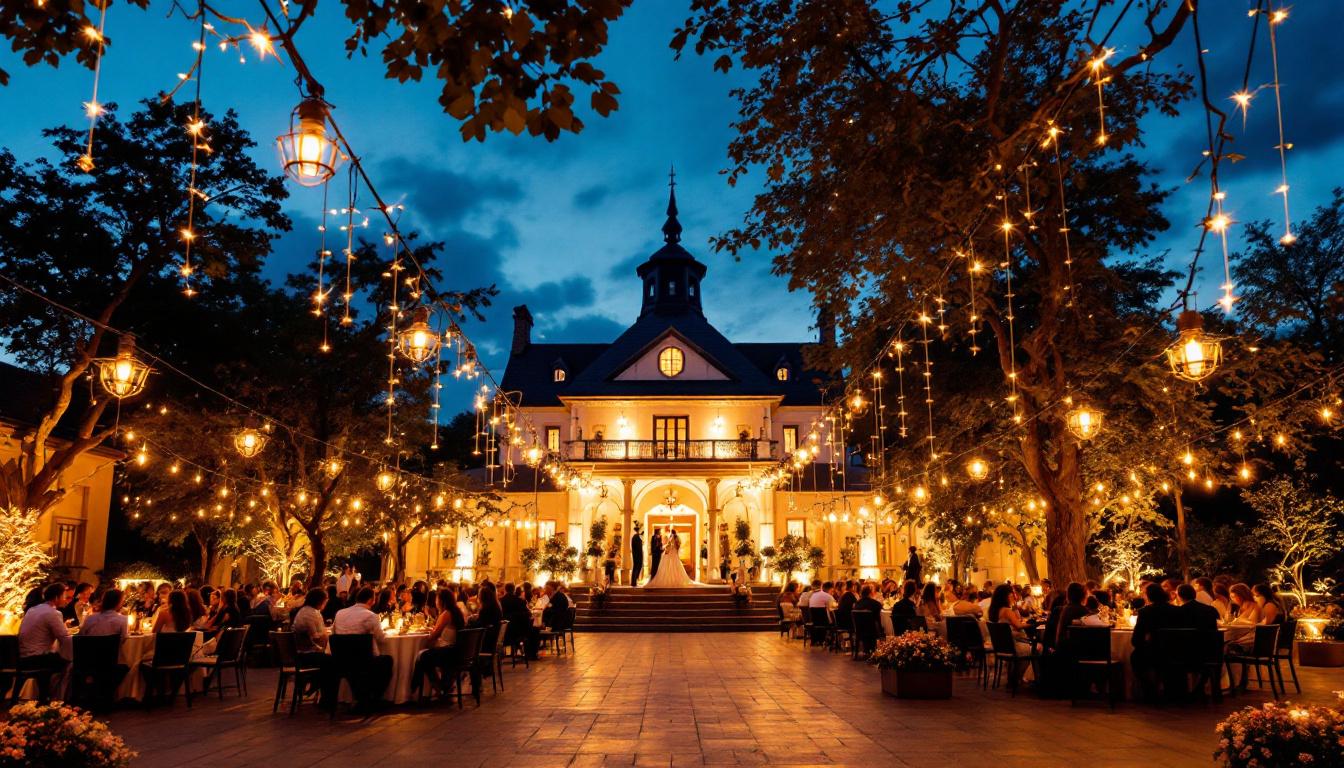
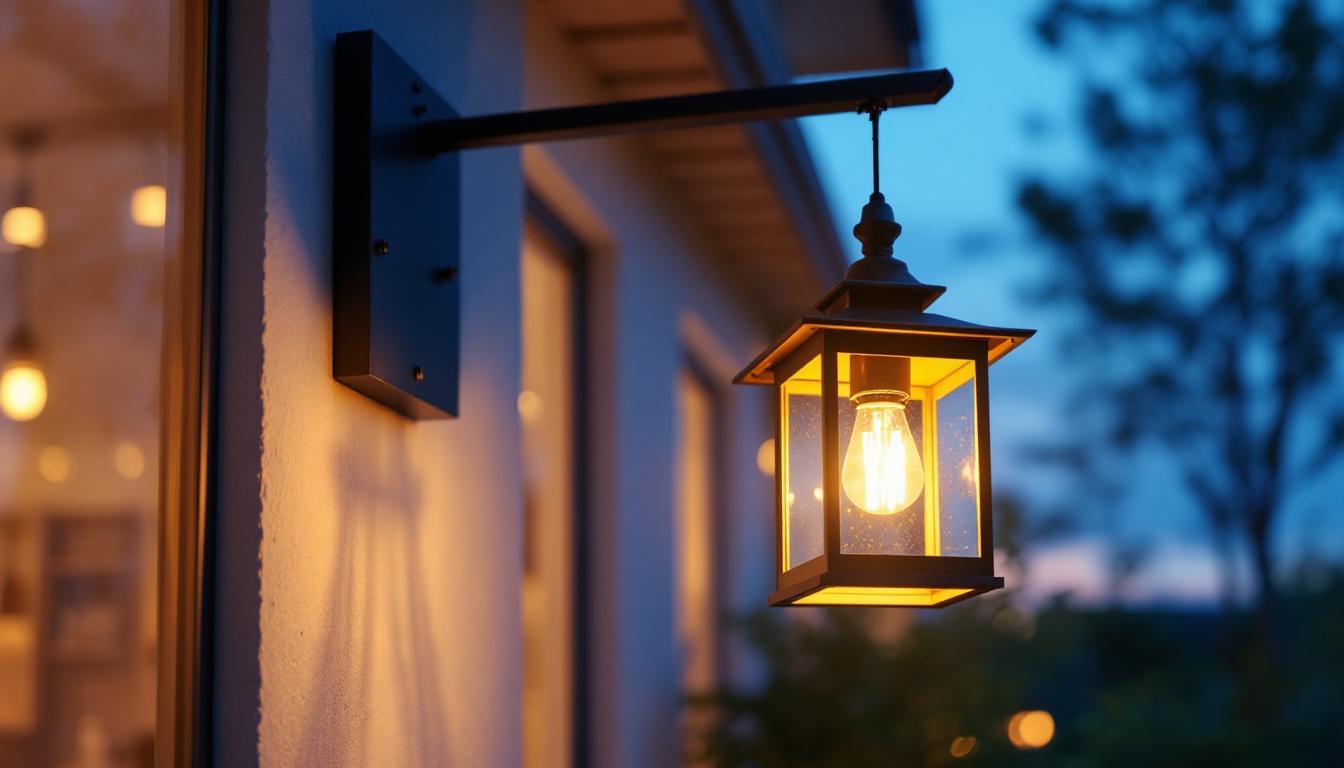
In outdoor venues, ambient lighting might include lanterns, fairy lights, or strategically placed uplights on trees and architectural features. Ensuring even distribution without harsh shadows or overly bright spots is key to maintaining a harmonious atmosphere.
Accent Lighting: Highlighting Details and Features
Accent lighting draws attention to focal points such as floral arrangements, the wedding cake, the head table, or architectural details like columns and arches. Pin spots and gobos are popular tools for this purpose. Pin spots provide focused beams of light that can be directed precisely, while gobos can project patterns or logos, adding a personalized touch.
For lighting contractors, understanding the client’s priorities and the venue’s layout helps determine where accent lighting will have the greatest impact. It’s important to avoid overuse, which can distract from the overall ambiance or create visual clutter.
Dynamic Lighting: Enhancing the Celebration
Dynamic lighting comes into play primarily during the reception and dancing phases. Moving heads, color washes, and LED bars can transform the space and energize the crowd. Contractors should consider programmable lighting systems that allow for smooth transitions and synchronization with music.
Incorporating wireless control technology enables flexibility and quick adjustments, which are invaluable during live events where timing and mood shifts are critical. Additionally, safety considerations such as avoiding strobe effects that may trigger discomfort or seizures must be taken into account.
Technical Considerations for Lighting Contractors
Power Supply and Load Management
Wedding venues often have limited or outdated electrical systems, making power management a crucial aspect of lighting design. Contractors must conduct thorough site assessments to identify available circuits, amperage limits, and potential hazards. Using energy-efficient LED fixtures not only reduces power consumption but also minimizes heat output, which can be a concern in enclosed spaces.
It’s advisable to bring portable power distribution units and backup solutions to accommodate unexpected demands. Proper cable management and securing connections are vital to prevent trip hazards and equipment failures during the event.
Control Systems and Integration
Modern lighting control systems offer extensive customization and ease of use. DMX controllers remain the industry standard, allowing for precise control over multiple fixtures and effects. Wireless DMX and Wi-Fi-enabled systems provide additional flexibility, especially in venues where running cables is impractical.
Integration with other event technologies—such as sound systems, video projections, and automated drapery—can enhance the overall production quality. Lighting contractors should collaborate closely with event planners and other vendors to ensure seamless interoperability and avoid technical conflicts.
Compliance and Safety Standards
Adhering to local electrical codes and safety regulations is non-negotiable. Lighting contractors must ensure that all equipment is certified, properly installed, and regularly maintained. Fire safety is paramount, particularly when using fabric drapes, candles, or pyrotechnics in conjunction with lighting.
Providing clear documentation and obtaining necessary permits can prevent legal issues and contribute to a smooth event execution. Additionally, contractors should be prepared to conduct risk assessments and have contingency plans for equipment malfunctions or power outages.
Designing for Client Satisfaction and Repeat Business
Collaborative Planning and Visualization
Successful wedding lighting projects begin with thorough client consultations. Understanding the couple’s vision, color preferences, and special requests enables contractors to tailor their designs effectively. Providing visual aids such as 3D renderings or mock-ups can help clients visualize the final outcome and make informed decisions.
Flexibility during the planning phase is essential, as wedding plans often evolve. Contractors who demonstrate adaptability and proactive communication tend to build stronger client relationships and earn referrals.
Attention to Detail and Personalization
Personal touches can elevate wedding lighting from functional to unforgettable. Custom monograms projected onto dance floors, color schemes that match floral arrangements, or lighting that accentuates meaningful venue features contribute to a memorable experience. Contractors who invest time in understanding the couple’s story and preferences can craft lighting designs that resonate emotionally.
Moreover, discreet placement of fixtures and minimizing visible cables or equipment help maintain the venue’s aesthetic integrity, which is highly valued by clients and venue managers alike.
Post-Event Support and Feedback
Offering post-event services such as equipment teardown, site cleanup, and follow-up consultations demonstrates professionalism and commitment. Gathering client feedback provides valuable insights for continuous improvement and helps identify opportunities for future projects.
Building a reputation for reliability, creativity, and technical excellence is the cornerstone of long-term success in the wedding lighting market.
Emerging Trends and Innovations in Wedding Venue Lighting
Smart Lighting and Automation
The rise of smart lighting technologies has transformed how contractors approach wedding lighting. Automated systems that can be programmed to change colors, intensity, and patterns throughout the event offer unprecedented creative control. Voice-activated controls and mobile app interfaces enhance convenience for both contractors and clients.
These innovations not only improve the guest experience but also streamline setup and operation, reducing labor costs and minimizing human error.
Sustainable and Eco-Friendly Lighting Solutions
Environmental consciousness is increasingly influencing client choices. Energy-efficient LEDs, solar-powered outdoor fixtures, and recyclable materials align with the growing demand for sustainable weddings. Contractors who prioritize eco-friendly options can differentiate themselves in a competitive market and appeal to environmentally aware couples.
Additionally, reducing energy consumption contributes to lower operational costs and less heat generation, which benefits both the venue and attendees.
Interactive and Experiential Lighting
Interactive lighting elements, such as motion-activated uplights or color-changing pathways, create immersive experiences that engage guests and add a dynamic dimension to weddings. Projection mapping on walls or ceilings can transform venues into storytelling canvases, enhancing thematic elements and creating memorable visuals.
While these technologies require advanced technical skills and careful planning, they offer exciting opportunities for lighting contractors to showcase innovation and creativity.
Conclusion
For lighting contractors, wedding venues present a rewarding yet complex niche that demands a blend of technical expertise, artistic vision, and client-focused service. By understanding the unique requirements of wedding events, mastering key lighting techniques, and staying abreast of technological advancements, contractors can deliver exceptional results that elevate the celebration and leave a lasting impression.
Attention to detail, safety compliance, and collaborative planning are essential pillars for success. Embracing emerging trends such as smart automation and sustainable solutions further positions contractors as leaders in the evolving wedding lighting landscape. Ultimately, the ability to create enchanting, personalized lighting experiences not only enhances weddings but also builds enduring client relationships and a thriving business.
Illuminate Your Wedding Projects with LumenWholesale
Ready to bring your wedding venue lighting designs to life with exceptional quality and value? Look no further than LumenWholesale. We provide lighting contractors with spec-grade lighting products at unbeatable wholesale prices, ensuring your creations shine with reliability and performance. Say goodbye to inflated markups and hello to hassle-free bulk buying with free shipping. Elevate your lighting projects with the perfect blend of quality, affordability, and convenience. Discover the best value in wholesale lighting for your next enchanting wedding venue by visiting Wholesale Lighting at the Best Value today.