Understanding the Advantages of 8 Feet Track Lighting
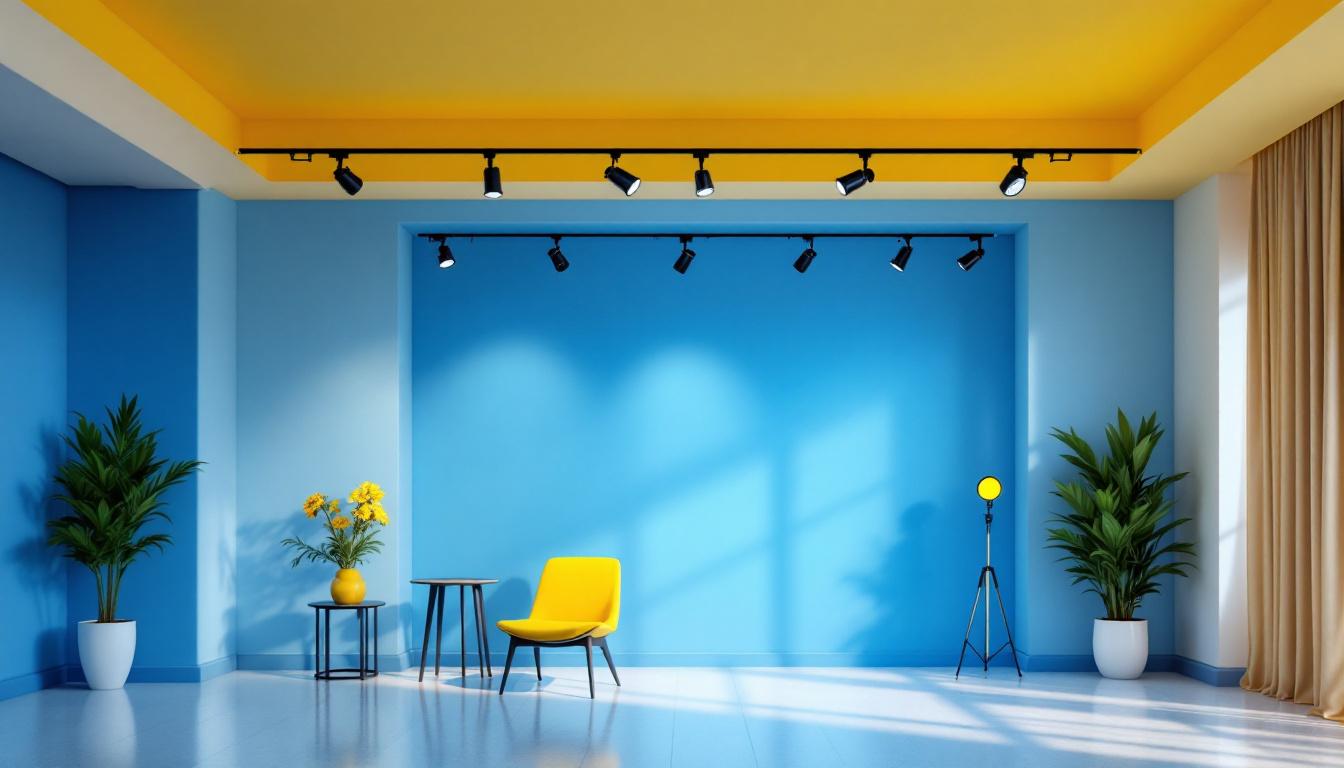
Track lighting has become a staple in modern lighting design, offering flexibility, efficiency, and aesthetic appeal. Among the various configurations available, 8 feet track lighting systems are particularly popular in commercial and residential projects due to their optimal length and adaptability.
For lighting contractors, mastering the nuances of 8 feet track lighting can significantly enhance project outcomes. These systems provide a versatile solution for illuminating large spaces without the need for multiple short tracks or complicated wiring setups. The extended length allows for a continuous run of fixtures, reducing installation time and minimizing the number of connection points, which can be potential failure points.
Moreover, 8 feet track lighting is well-suited for a variety of applications, including retail environments, galleries, offices, and open-concept homes. The length strikes a balance between coverage and control, enabling contractors to tailor lighting layouts that meet both functional and aesthetic requirements.
Key Benefits for Contractors
From a contractor’s perspective, the primary advantages of 8 feet track lighting include streamlined installation, cost-effectiveness, and design flexibility. Longer tracks reduce the need for multiple power feeds and connectors, which can simplify wiring and reduce material costs. Additionally, the ability to position fixtures anywhere along the track without rewiring offers clients customizable lighting solutions that can evolve with their needs.
Furthermore, the adaptability of 8 feet track lighting extends beyond mere installation efficiency. These systems can accommodate a variety of light fixture types, including LED, incandescent, and halogen bulbs, allowing for a tailored lighting experience that can enhance the ambiance of any space. For instance, in a retail setting, adjustable fixtures can be directed to highlight specific products, creating an inviting atmosphere that encourages customer engagement. In contrast, in a residential setting, homeowners can utilize the same track to create a cozy reading nook or an art display, showcasing their personal style while ensuring adequate illumination.
Another compelling aspect of 8 feet track lighting is its potential for energy savings. Many modern track lighting systems are designed to be compatible with energy-efficient bulbs, which not only reduce electricity consumption but also lower long-term operational costs. This is particularly advantageous in commercial spaces where lighting can account for a significant portion of energy expenses. By opting for 8 feet track lighting, contractors can provide clients with a sustainable solution that meets both their aesthetic desires and budgetary constraints, ultimately leading to greater satisfaction and repeat business.
Technical Considerations for Installing 8 Feet Track Lighting
Successful installation of 8 feet track lighting requires careful planning and attention to technical details. Lighting contractors must consider electrical load, mounting methods, and compatibility with lighting fixtures to ensure safety and performance.
Electrical Load and Power Supply
One of the critical factors in installing an 8 feet track lighting system is calculating the electrical load. The length of the track allows for multiple fixtures, but contractors must ensure that the total wattage does not exceed the track’s maximum capacity. Overloading can lead to overheating and potential fire hazards.
It is essential to verify the power supply specifications and select a transformer or driver compatible with the track system. Many 8 feet tracks operate on low voltage (12V or 24V), requiring appropriate transformers to step down from line voltage safely. Properly sizing the transformer based on the total wattage of the fixtures ensures stable operation and longevity of the system.
Mounting and Structural Support
Given the length of the track, secure mounting is vital to prevent sagging or detachment over time. Contractors should assess the mounting surface—whether it’s drywall, concrete, or wood—and use appropriate anchors and brackets designed for the weight and length of the track.
In some cases, especially with suspended ceilings or open spaces, additional support may be necessary. Using suspension kits or intermediate brackets can distribute the weight evenly and maintain a clean, professional appearance. Furthermore, it’s advisable to consider the height of the ceiling and the intended use of the space; for example, if the track lighting is to illuminate artwork or specific areas, the mounting height may need to be adjusted to optimize light distribution and minimize shadows.
Fixture Compatibility and Track Types
Not all track lighting fixtures are compatible with every track system. There are three primary track types: H, J, and L, each with different electrical configurations and physical dimensions. Contractors must confirm that the fixtures they plan to use match the track type to ensure proper electrical contact and secure attachment.
Additionally, some tracks support dimming and smart lighting controls, which can enhance client satisfaction but require compatible fixtures and control systems. Staying current with manufacturer specifications and industry standards is crucial for delivering reliable installations. Beyond compatibility, the choice of fixtures can also impact the overall aesthetic of the space; for instance, selecting fixtures with adjustable heads can provide versatility in directing light where it is most needed, while decorative fixtures can serve as a focal point in the design. Understanding the client’s vision and the functional requirements of the space will guide the selection process effectively.
Design Strategies for Effective 8 Feet Track Lighting Layouts
Beyond technical installation, lighting contractors play a pivotal role in designing layouts that optimize both function and aesthetics. An 8 feet track provides ample length to create dynamic lighting schemes that highlight architectural features, merchandise, or artwork.
Balancing Ambient and Accent Lighting
Track lighting is often used to supplement ambient lighting or provide targeted accent illumination. Contractors should advise clients on combining track fixtures with other lighting types, such as recessed or pendant lights, to achieve balanced illumination.
For example, in a retail setting, an 8 feet track can be positioned to spotlight product displays, while ambient lighting ensures overall visibility. Adjusting the beam angles and spacing of fixtures along the track allows for precise control over light distribution.
Spacing and Fixture Placement
Proper spacing of fixtures along the 8 feet track is essential to avoid uneven lighting or excessive glare. A general rule of thumb is to space fixtures approximately 3 to 4 feet apart, depending on the beam angle and desired intensity. However, this can vary based on the specific application and fixture type.
Contractors should also consider the height of the ceiling and the surface reflectance to determine optimal fixture placement. Using lighting design software or photometric data can assist in creating layouts that meet client expectations and comply with lighting standards.
Incorporating Flexibility for Future Changes
One of the greatest advantages of track lighting is its adaptability. Contractors should design layouts that allow clients to easily reposition fixtures or add new ones without significant rewiring. This future-proofing approach adds value and reduces long-term maintenance costs.
Common Challenges and Solutions in 8 Feet Track Lighting Installations
While 8 feet track lighting offers many benefits, contractors may encounter challenges during installation or in post-installation performance. Anticipating these issues and knowing how to address them is crucial for maintaining professionalism and client satisfaction.
Dealing with Voltage Drop
Voltage drop can occur in longer track runs, leading to dimmer light output at the far end of the track. This is particularly relevant for low-voltage track systems. To mitigate this, contractors can use multiple power feeds along the track or select tracks with built-in wiring designed to minimize voltage loss.
Ensuring Secure Electrical Connections
Loose or poor electrical connections are a common source of flickering or intermittent lighting. During installation, contractors should ensure that track sections are properly joined and that fixtures are firmly attached. Using manufacturer-recommended connectors and regularly testing connections can prevent these issues.
Managing Heat Dissipation
Track lighting fixtures, especially those using halogen or high-output LEDs, can generate significant heat. Proper spacing and ventilation are necessary to avoid overheating, which can damage fixtures and reduce lifespan. Contractors should follow manufacturer guidelines for minimum clearance and avoid clustering fixtures too closely.
Best Practices for Maintenance and Client Education
After installation, ongoing maintenance and client education are essential components of a successful track lighting project. Lighting contractors can enhance client satisfaction by providing guidance on care, troubleshooting, and upgrades.
Routine Inspection and Cleaning
Track lighting systems benefit from periodic inspections to check for loose fixtures, damaged wiring, or dust accumulation. Dust and debris can reduce light output and cause overheating. Contractors should recommend a maintenance schedule and provide clients with simple cleaning instructions.
Guidance on Fixture Replacement and Upgrades
Lighting technology evolves rapidly, and clients may wish to upgrade fixtures to more energy-efficient or feature-rich models. Contractors should inform clients about compatibility considerations and offer services for fixture replacement, ensuring that upgrades integrate seamlessly with existing tracks.
Training Clients on Adjustable Features
Many clients are unaware of the full flexibility offered by track lighting systems. Educating them on how to adjust fixture positions, angles, and dimming controls can empower clients to maximize the benefits of their lighting investment.
Conclusion: Elevating Projects with Expert 8 Feet Track Lighting Solutions
For lighting contractors, expertise in 8 feet track lighting systems opens doors to delivering versatile, efficient, and aesthetically pleasing lighting solutions. By understanding the technical requirements, design principles, and common challenges, contractors can confidently specify and install these systems to meet diverse client needs.
Staying informed about the latest products, standards, and best practices ensures that installations are safe, reliable, and future-ready. Ultimately, well-executed 8 feet track lighting projects enhance spaces and contribute to the contractor’s reputation for quality and professionalism.
Get Your Premium 8 Feet Track Lighting at LumenWholesale
Ready to elevate your lighting projects with the best 8 feet track lighting solutions? Look no further than LumenWholesale, where we provide contractors with superior, spec-grade lighting products at unbeatable wholesale prices. Our extensive selection is designed to meet the highest industry standards, ensuring you deliver reliable and high-performance lighting to your clients. With the convenience of bulk buying, free shipping, and no hidden fees, LumenWholesale is your go-to source for quality and affordability. Don’t compromise on your lighting needs—experience the best value in wholesale lighting today.