Understanding the Unique Demands of Gallery Lighting
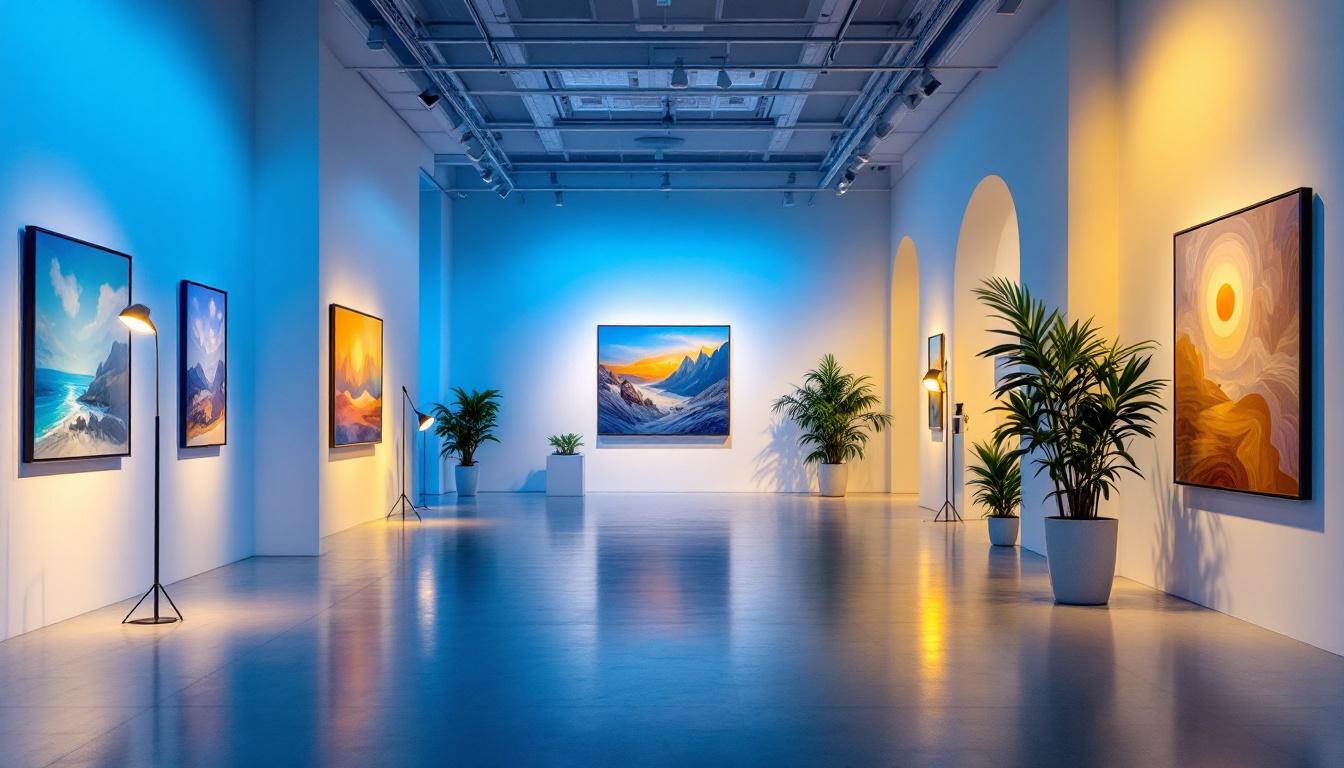
Lighting contractors working in gallery environments face a distinct set of challenges that differ significantly from residential or commercial lighting projects. Galleries require lighting that not only illuminates artwork effectively but also enhances the visitor experience without causing damage to delicate pieces. Mastering gallery lighting fixtures demands a deep understanding of both the technical and aesthetic aspects of light.
Artworks vary widely in medium, size, and color palette, each influencing how light interacts with the piece. For instance, oil paintings benefit from warm, directional lighting that brings out texture and depth, while photographs often require cooler, more uniform illumination to avoid glare. Additionally, galleries must consider the preservation of art; excessive UV exposure or heat from traditional lighting can degrade pigments and materials over time. Therefore, selecting fixtures that minimize these risks is paramount.
The Role of Lighting in Art Presentation
Effective lighting can transform a gallery space, guiding visitors’ attention and evoking emotional responses. It accentuates details, creates mood, and can even influence the perceived value of the artwork. Lighting contractors must balance brightness, color temperature, and beam angle to highlight each piece optimally while maintaining a cohesive atmosphere throughout the gallery.
Moreover, galleries often host rotating exhibitions, requiring adaptable lighting solutions. Fixtures with adjustable beam spreads and dimming capabilities allow for quick reconfiguration without extensive rewiring or installation work. This flexibility is crucial for contractors aiming to provide long-term value to gallery clients. Additionally, the integration of smart lighting technology is becoming increasingly popular, enabling remote control and automation of lighting setups. This not only enhances the visitor experience by allowing for dynamic lighting changes during events but also aids in energy efficiency, a growing concern in modern gallery management.
Another important aspect of gallery lighting is the psychological impact it can have on viewers. Studies have shown that the way art is lit can significantly affect how it is perceived, with different lighting techniques evoking various emotional responses. For example, softer, diffused lighting can create a sense of intimacy and tranquility, encouraging visitors to linger and contemplate the artwork, while sharper, more dramatic lighting can instill a sense of urgency and excitement. Understanding these psychological nuances allows lighting contractors to tailor their designs to not only showcase the art but also craft a memorable experience that resonates with the audience long after they leave the gallery.
Choosing the Right Gallery Lighting Fixtures
Selecting appropriate fixtures is foundational to successful gallery lighting. Contractors must evaluate fixture types based on their light quality, energy efficiency, and compatibility with gallery requirements.
Track Lighting: Versatility and Precision
Track lighting remains a staple in gallery settings due to its flexibility. Fixtures can be repositioned along the track to accommodate changing exhibits, and the directional nature allows precise control over light placement. LED track heads with adjustable beam angles enable contractors to tailor illumination to specific artworks, enhancing details without spillover.
Additionally, modern LED track fixtures offer excellent color rendering index (CRI) values, often exceeding 90, which is critical for accurately presenting artwork colors. Their low heat emission also protects sensitive materials, making them a preferred choice in galleries. Furthermore, the ability to easily swap out fixtures on the track allows galleries to refresh their lighting scheme without extensive renovations, making it an economical choice for long-term use.
Wall Washers and Accent Lights
Wall washers provide even, diffuse light across vertical surfaces, ideal for illuminating large paintings or murals. When combined with accent lights, they create depth and contrast, guiding visitors through the exhibition narrative. Contractors should select fixtures with adjustable intensity and beam spread to fine-tune the balance between ambient and focused lighting. This combination not only highlights individual pieces but also enhances the overall atmosphere of the gallery, encouraging viewers to engage more deeply with the artwork.
Moreover, the placement of wall washers can dramatically alter the perception of space within the gallery. By strategically positioning these fixtures, contractors can create visual pathways that lead visitors from one piece to another, enhancing the storytelling aspect of the exhibition. This thoughtful approach to lighting design can transform an ordinary gallery into an immersive experience, where each artwork is presented in its best light.
Recessed and Pendant Fixtures for Ambient Lighting
While accent lighting is essential, ambient lighting sets the overall tone of the gallery. Recessed fixtures offer unobtrusive illumination that fills the space without distracting from the artwork. Pendant fixtures can add architectural interest and provide general lighting in larger galleries. Choosing dimmable options allows for dynamic control, adapting to different exhibition needs and times of day.
In addition to their aesthetic contributions, recessed and pendant fixtures can also play a crucial role in energy management. By utilizing smart lighting systems, galleries can program lighting schedules that adjust based on natural light levels throughout the day, ensuring optimal visibility while minimizing energy consumption. This not only supports sustainability initiatives but also prolongs the lifespan of the fixtures and the artworks on display, creating a win-win scenario for both the gallery and the environment.
Technical Considerations for Lighting Contractors
Beyond fixture selection, contractors must address several technical factors to ensure optimal gallery lighting performance.
Color Rendering and Temperature
Color rendering index (CRI) measures a light source’s ability to reveal colors faithfully. For galleries, a CRI of 90 or above is recommended to preserve the integrity of artwork colors. Lighting contractors should prioritize high-CRI LED fixtures, which also offer energy savings and longer lifespans compared to traditional halogen or incandescent bulbs.
Color temperature affects the mood and perception of art. Warm temperatures (2700K–3000K) enhance warmth and richness in paintings, while cooler temperatures (3500K–4100K) suit contemporary or black-and-white works. Contractors must collaborate with gallery curators to select the appropriate temperature that complements the collection.
Beam Angle and Light Distribution
Beam angle determines how concentrated or spread out the light is. Narrow beams (15°–25°) focus light sharply on small pieces, creating dramatic highlights. Wider beams (40°–60°) provide softer, more general illumination suitable for larger works or groupings. Adjustable fixtures allow contractors to customize beam angles on-site, offering flexibility as exhibits change.
Glare Control and Visitor Comfort
Glare can distract visitors and obscure artwork details. Lighting contractors should incorporate fixtures with anti-glare shields, louvers, or diffusers to minimize harsh reflections. Positioning lights at appropriate angles and heights further reduces glare and shadows, enhancing the viewing experience.
Energy Efficiency and Sustainability
Energy-efficient lighting not only reduces operational costs but also aligns with the growing emphasis on sustainable practices in the arts sector. LED fixtures consume significantly less power and generate less heat, lowering cooling requirements. Contractors can advise galleries on integrating smart lighting controls such as occupancy sensors and programmable dimmers to optimize energy use without compromising lighting quality.
Installation Best Practices for Gallery Lighting
Proper installation is critical to achieving the desired lighting effects and ensuring fixture longevity. Lighting contractors must adhere to best practices tailored to gallery environments.
Pre-Installation Planning and Collaboration
Successful gallery lighting projects begin with thorough planning. Contractors should engage with gallery curators, architects, and designers early to understand the exhibition layout, artwork types, and visitor flow. Site surveys help identify existing conditions and potential challenges, such as ceiling height, electrical capacity, and mounting options.
Developing detailed lighting plans and mock-ups allows stakeholders to visualize the final outcome and make informed adjustments before installation. This collaborative approach minimizes costly changes and ensures alignment with the gallery’s vision.
Precision Mounting and Alignment
Fixtures must be mounted securely and aligned precisely to achieve targeted illumination. Contractors should use laser levels and alignment tools to position lights accurately, avoiding uneven lighting or unintended shadows. Adjustable mounting hardware facilitates fine-tuning after installation, accommodating last-minute changes in artwork placement.
Wiring and Control Integration
Integrating lighting controls enhances functionality and user experience. Contractors should install dimmers, scene controllers, and occupancy sensors compatible with the chosen fixtures. Concealing wiring within walls or ceilings maintains a clean aesthetic, essential in gallery spaces where visual distractions must be minimized.
Testing and Commissioning
After installation, comprehensive testing ensures all fixtures operate correctly and meet design specifications. Contractors should verify light levels, color rendering, and control responsiveness. Documenting settings and providing training to gallery staff on system operation supports ongoing maintenance and optimal use.
Maintenance and Upgrades for Long-Term Success
Gallery lighting systems require regular maintenance to preserve performance and protect valuable art collections.
Routine Cleaning and Inspection
Dust and dirt accumulation can diminish light output and alter color quality. Contractors should recommend scheduled cleaning of fixtures and lenses, using non-abrasive methods to avoid damage. Periodic inspections identify issues such as flickering, discoloration, or fixture degradation, allowing timely repairs.
Upgrading to Emerging Technologies
Advancements in lighting technology continue to offer new opportunities for galleries. Upgrading to the latest LED fixtures with improved color accuracy, wireless controls, or tunable white capabilities can enhance exhibit presentation and operational efficiency. Lighting contractors who stay informed about industry innovations position themselves as valuable partners to galleries seeking to maintain cutting-edge environments.
Conclusion: Elevating Gallery Spaces Through Expert Lighting
Mastering gallery lighting fixtures is a multifaceted endeavor requiring technical expertise, artistic sensitivity, and collaborative communication. Lighting contractors who invest in understanding the nuances of art presentation, select high-quality fixtures, and execute meticulous installations deliver lighting solutions that elevate both the artwork and visitor experience.
By embracing energy-efficient technologies, prioritizing preservation, and maintaining flexible, adaptable systems, contractors can support galleries in showcasing their collections beautifully and sustainably. This commitment to excellence not only enhances professional reputation but also contributes meaningfully to the cultural landscape.
Illuminate Your Projects with LumenWholesale
Ready to take your gallery lighting projects to the next level? At LumenWholesale, we provide lighting contractors with the exceptional, spec-grade lighting products you need to master the art of gallery illumination. With our unbeatable wholesale prices and no middleman markups, you can access a vast selection of premium lighting fixtures that meet the highest industry standards. Plus, with the convenience of free shipping on bulk orders, you can ensure your projects shine without any hidden fees. Elevate your lighting solutions and enhance your professional reputation with the quality, affordability, and convenience of LumenWholesale – Wholesale Lighting at the Best Value.