Understanding 6 Can Light Housing: Basics and Applications
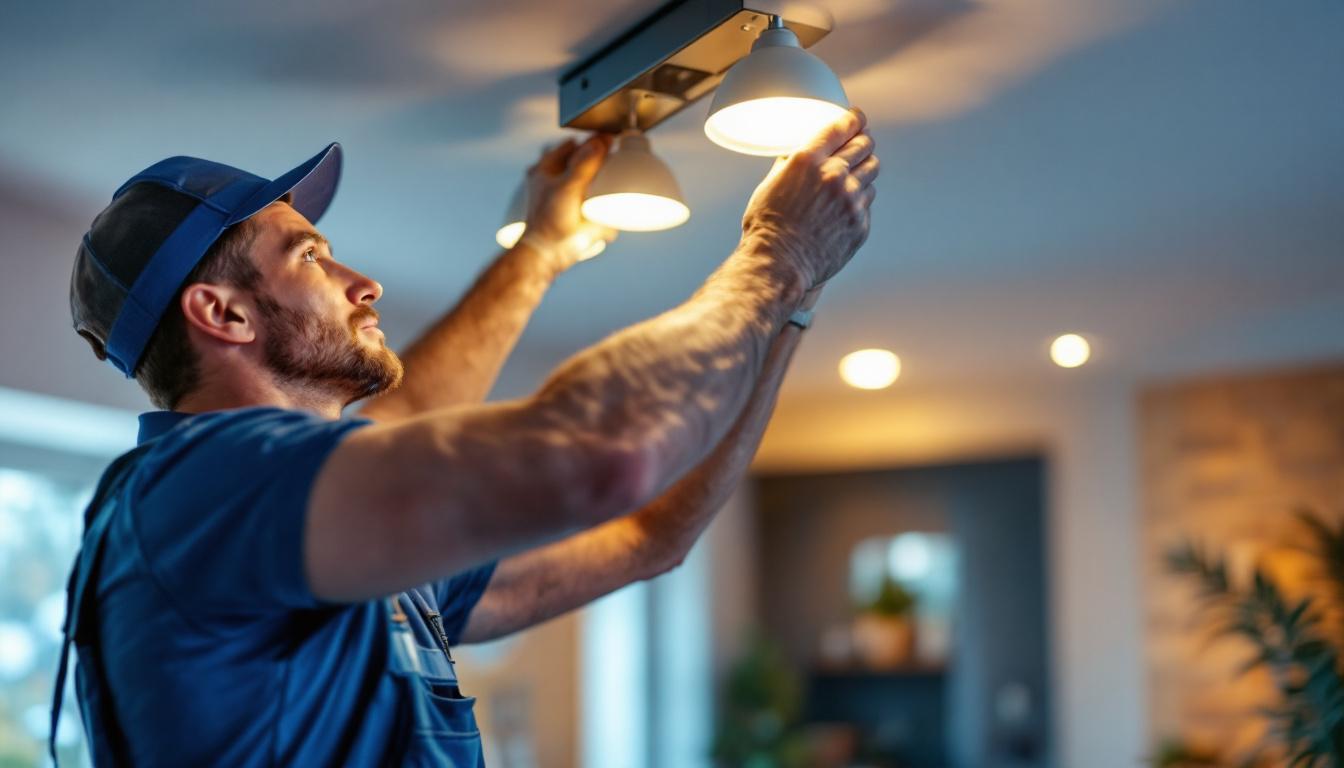
For lighting contractors, selecting the appropriate can light housing is a critical step in delivering high-quality, efficient, and code-compliant lighting installations. The term “6 can light housing” refers to recessed lighting housings designed to accommodate 6-inch diameter light fixtures. These are among the most popular sizes used in residential and commercial applications due to their balance between light output and aesthetic appeal.
6-inch recessed lights are versatile, often employed in kitchens, living rooms, hallways, and offices. Their size allows for a broad beam spread, providing ample ambient lighting without overwhelming the space. Understanding the different types of 6 can light housings, including their construction, insulation compatibility, and mounting styles, is essential for contractors aiming to deliver optimal lighting solutions.
Types of 6 Can Light Housing
There are primarily two types of 6-inch can light housings: new construction and remodel. New construction housings are designed for installations where the ceiling is open, allowing the housing to be attached directly to ceiling joists. Remodel housings, on the other hand, are used when the ceiling is already finished, enabling installation through a cut-out hole without disturbing existing drywall.
Additionally, housings are classified based on insulation compatibility. IC-rated housings are designed to be in direct contact with insulation, preventing fire hazards and ensuring energy efficiency. Non-IC housings require a clearance from insulation, which can limit placement options. Lighting contractors must carefully select the appropriate housing type to comply with local codes and client needs.
Beyond the basic types, there are also variations in housing design that can significantly influence the lighting effect and installation process. For instance, some housings come with adjustable features that allow for tilting or rotating the light fixture, which can be particularly beneficial in spaces where focused lighting is required, such as art displays or task areas. Furthermore, the finish of the housing can affect the overall aesthetic; options range from white to black or even metallic finishes, allowing for seamless integration into various ceiling designs. Contractors should also consider the ease of installation, as certain housings are designed with features that simplify the wiring and mounting process, saving valuable time on the job site.
Moreover, the choice of light source—whether LED, incandescent, or fluorescent—can also impact the performance of the 6 can light housing. LED options, for example, offer longer lifespans and lower energy consumption, making them a popular choice for modern installations. However, the compatibility of the light source with the housing is crucial, as it affects not only the light output but also the heat management within the fixture. Selecting the right combination of housing and light source can enhance energy efficiency and ensure that the lighting meets the specific needs of the space, whether for ambiance, functionality, or both.
Key Considerations When Selecting 6 Can Light Housing
Choosing the right 6 can light housing involves more than just size compatibility. Several factors influence the performance, safety, and longevity of the lighting installation.
Energy Efficiency and Heat Management
Modern lighting codes and client demands emphasize energy efficiency. LED-compatible housings are increasingly standard, as LEDs consume less power and generate less heat compared to traditional incandescent or halogen bulbs. Selecting housings that support LED modules or retrofit kits can significantly reduce energy consumption and maintenance costs.
Heat dissipation is another critical factor. Even though LEDs produce less heat, housings must still allow for adequate ventilation to prevent overheating, which can shorten fixture lifespan or pose safety risks. IC-rated housings are designed with insulation contact in mind, but contractors should verify manufacturer specifications to ensure proper heat management. Additionally, incorporating heat sinks or thermal management technologies can enhance the longevity of the lighting fixtures, ensuring they operate efficiently over time.
Compliance with Building Codes and Safety Standards
Lighting contractors must ensure that all can light housings meet local building codes and national safety standards such as those outlined by Underwriters Laboratories (UL). This includes fire safety ratings, electrical certifications, and proper insulation requirements. Non-compliance can lead to costly rework, legal liabilities, and compromised safety.
For example, in many jurisdictions, IC-rated housings are mandatory in insulated ceilings to prevent fire hazards. Additionally, housings installed in damp or wet locations must have appropriate ratings to withstand moisture exposure. Contractors should stay updated on evolving codes and manufacturer guidelines to maintain compliance. Furthermore, understanding the specific requirements for different environments, such as residential versus commercial spaces, can help in selecting the most appropriate housing solutions, ensuring both safety and functionality are prioritized in every installation.
Moreover, it’s essential to consider the impact of lighting on the overall aesthetic and functionality of a space. The choice of can light housing can affect not only the brightness and color temperature of the light emitted but also how well it integrates with the architectural features of a room. For instance, adjustable housings allow for directional lighting, which can highlight artwork or architectural details, enhancing the visual appeal of the space. By carefully selecting the right housing, contractors can create a harmonious balance between safety, efficiency, and design, ultimately leading to a more satisfying outcome for clients.
Installation Best Practices for 6 Can Light Housing
Proper installation is paramount to achieving the desired lighting effect, ensuring safety, and prolonging fixture life. Lighting contractors should follow best practices tailored to the specific housing type and application.
Preparing the Installation Site
For new construction, securing the housing to ceiling joists using the manufacturer’s mounting brackets or bars is standard. Precise measurements and level alignment ensure the fixture sits flush with the finished ceiling surface. In remodel installations, contractors must carefully cut the ceiling hole to the exact diameter specified by the housing manufacturer to avoid gaps or misalignment.
Before installation, verifying the location of existing electrical wiring, plumbing, and HVAC components is essential to prevent damage and ensure safe wiring routes. Using a stud finder and electrical circuit tester can aid in this process.
Wiring and Electrical Connections
Lighting contractors should adhere to the National Electrical Code (NEC) when making connections. Using junction boxes integrated into the housing or external boxes with proper wire nuts and connectors ensures secure and code-compliant wiring. Grounding the fixture is critical to prevent electrical hazards.
For LED fixtures, verifying compatibility with dimmers and transformers is important to avoid flickering or reduced lifespan. Many LED housings come with integrated drivers designed for specific dimming protocols, so matching components is necessary for optimal performance.
Sealing and Insulation Considerations
To maximize energy efficiency and prevent air leakage, sealing around the housing is recommended. Contractors can use fire-resistant caulking or gaskets provided by manufacturers. In insulated ceilings, ensuring the housing is IC-rated and properly surrounded by insulation without gaps maintains thermal performance and reduces heating and cooling costs.
Enhancing Aesthetics and Functionality with 6 Can Light Housing
Beyond technical specifications, lighting contractors must consider the visual impact and functional versatility of 6 can light installations.
Trim Selection and Light Distribution
The trim—the visible part of the recessed fixture—plays a significant role in the fixture’s appearance and light output. Options include baffle trims that reduce glare, reflector trims that enhance brightness, and adjustable trims that allow directional lighting. Selecting the right trim based on the room’s purpose and design aesthetic can elevate the overall lighting effect.
For example, in a kitchen, adjustable trims can highlight countertops, while in a living room, baffle trims provide softer, ambient lighting. Coordinating trim finishes with other fixtures and décor elements also contributes to a cohesive design.
Smart Lighting Integration
With the rise of smart home technology, integrating 6 can light housings with smart bulbs or modules offers enhanced control and energy management. Lighting contractors can advise clients on options such as voice control, scene setting, and automated schedules. Ensuring the housing accommodates these technologies without compromising installation quality is increasingly important in modern projects.
Common Challenges and Solutions in 6 Can Light Housing Installations
Lighting contractors frequently encounter challenges when working with 6 can light housings. Anticipating and addressing these issues can save time and improve client satisfaction.
Dealing with Limited Ceiling Space
In some renovation projects, ceiling cavities may be shallow due to structural elements or ductwork. Standard 6-inch housings may not fit, requiring shallow or remodel-specific housings. Contractors should assess ceiling depth early in the planning phase and select low-profile housings designed for tight spaces.
Mitigating Heat Build-Up in Insulated Ceilings
Improper installation or use of non-IC housings in insulated ceilings can lead to heat accumulation, posing fire risks. Educating clients about the importance of IC-rated housings and proper insulation clearance is vital. In cases where non-IC housings must be used, installing insulation shields or barriers can provide necessary protection.
Ensuring Uniform Light Distribution
Uneven spacing or inconsistent fixture selection can result in patchy lighting coverage. Contractors should use lighting design software or consult photometric data to plan fixture placement. Maintaining consistent spacing and using compatible trims and bulbs ensures uniform illumination and enhances room ambiance.
Conclusion: Delivering Excellence with 6 Can Light Housing
For lighting contractors, mastery of 6 can light housing selection, installation, and troubleshooting is essential to delivering professional, safe, and aesthetically pleasing lighting solutions. By understanding housing types, adhering to codes, implementing best practices, and embracing technological advancements, contractors can meet diverse client needs and elevate their service quality.
Staying informed about product innovations and industry standards empowers contractors to make informed recommendations and avoid common pitfalls. Ultimately, expertise in 6 can light housing contributes to successful projects that combine functionality, efficiency, and design excellence.
Get Your 6 Can Light Housings at LumenWholesale
Ready to elevate your lighting projects with the best 6 can light housings on the market? Look no further than LumenWholesale. Our commitment to providing contractors with superior, spec-grade lighting products at unbeatable wholesale prices means you can deliver excellence without breaking the bank. With our extensive selection that meets rigorous industry standards, free shipping on bulk orders, and no middleman markups, you can trust that you’re getting the highest quality at the best value. Enhance your lighting solutions today by visiting LumenWholesale for Wholesale Lighting at the Best Value.