Understanding the Importance of High-End Landscape Lighting
In the competitive world of lighting installation, offering high-end landscape lighting services can significantly elevate a contractor’s portfolio. More than just illuminating outdoor spaces, premium landscape lighting transforms gardens, driveways, patios, and architectural features into captivating nighttime environments. For contractors, mastering this niche means understanding the nuances that distinguish luxury lighting from standard installations.
High-end landscape lighting is not merely about brightness; it’s about creating ambiance, enhancing security, and adding value to properties. According to industry reports, well-designed outdoor lighting can increase a property’s market value by up to 15%, making it a compelling selling point for homeowners and commercial clients alike.
The Growing Demand for Premium Outdoor Lighting
With rising consumer interest in outdoor living spaces, the demand for sophisticated lighting solutions has surged. Clients increasingly seek customized lighting that complements landscaping, architectural style, and lifestyle needs. This trend is driven by a combination of aesthetic desires and practical considerations, such as energy efficiency and smart home integration.
For lighting contractors, this means staying ahead of trends and technologies to meet client expectations. Offering high-end lighting solutions can differentiate a business in a crowded market, attract higher-end clientele, and command premium pricing. Additionally, the integration of smart technology into landscape lighting systems allows homeowners to control their outdoor ambiance with ease, utilizing smartphone apps or voice commands. This level of convenience not only enhances the user experience but also appeals to tech-savvy clients who prioritize modern solutions in their homes.
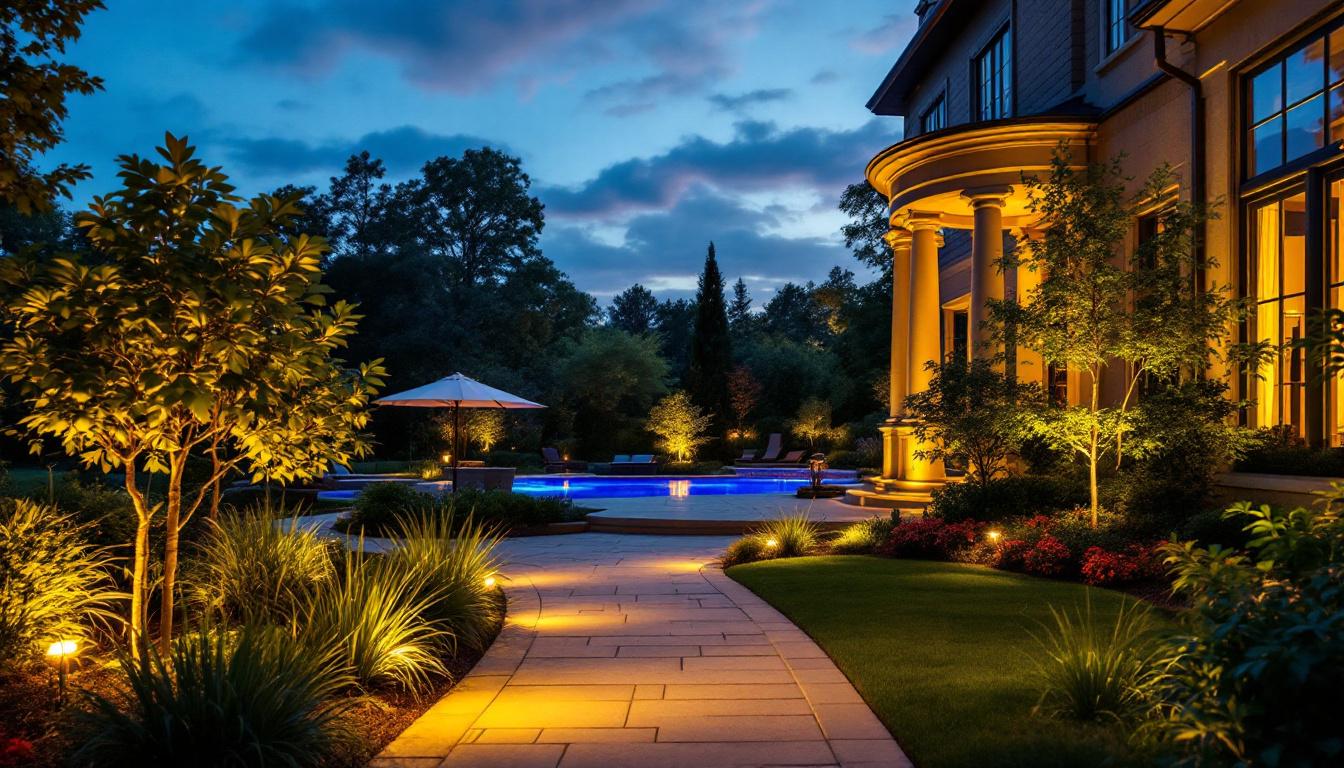
Moreover, the aesthetic appeal of high-end landscape lighting cannot be overstated. Thoughtfully designed lighting can highlight the unique features of a property, such as the texture of stone walls, the vibrant colors of flower beds, or the graceful lines of a swimming pool. By utilizing techniques such as uplighting, downlighting, and path lighting, contractors can create layers of light that add depth and intrigue to outdoor spaces. This artistic approach not only enhances the beauty of the property but also encourages outdoor gatherings, making it an extension of the home where families can create lasting memories under the stars.
Key Components of High-End Landscape Lighting Systems
Quality Fixtures and Materials
One of the fundamental aspects that set high-end landscape lighting apart is the use of superior fixtures and materials. Premium fixtures are crafted from durable, weather-resistant materials such as solid brass, copper, or stainless steel, which withstand the elements and maintain their appearance over time.
Additionally, high-end fixtures often feature advanced optics for precise beam control, reducing light pollution and enhancing the visual impact. Contractors should familiarize themselves with brands and products known for reliability and craftsmanship, ensuring installations that meet client expectations for longevity and performance. The aesthetic appeal of these fixtures is equally important; many high-end options are designed with elegant finishes and styles that complement the architecture and landscape of the property, creating a cohesive look that enhances the overall ambiance.
Moreover, the choice of fixtures can significantly influence the mood and functionality of outdoor spaces. For instance, well-placed path lights can guide guests safely while adding a touch of charm, while uplights can dramatically highlight trees or architectural features, transforming the landscape into a stunning visual experience at night.
Advanced Lighting Technologies
Incorporating cutting-edge technology is essential in high-end landscape lighting. LED technology dominates this space due to its energy efficiency, long lifespan, and versatility in color temperature and intensity. Modern LEDs can simulate natural moonlight or highlight textures with remarkable subtlety.
Smart controls and automation systems further elevate the experience. Integration with home automation platforms allows clients to customize lighting scenes, schedules, and even respond to environmental cues like motion or ambient light levels. For contractors, proficiency in these technologies is critical to delivering sophisticated, user-friendly systems. The ability to control lighting through mobile apps or voice commands adds a layer of convenience that modern homeowners appreciate, making it easier to adjust settings for different occasions, from intimate gatherings to lively outdoor parties.
Furthermore, the use of tunable white LEDs can enhance the functionality of outdoor spaces by allowing users to adjust the color temperature based on the time of day or specific activities. This adaptability not only improves the usability of the space but also contributes to energy savings, as lighting can be optimized for the desired effect without unnecessary waste.
Power Supply and Wiring Considerations
High-end installations often require carefully planned power distribution to ensure consistent performance and safety. Using low-voltage systems is common, but contractors must ensure transformers and wiring are appropriately rated for the load and distance.
Concealing wiring to preserve aesthetics while maintaining accessibility for maintenance is a hallmark of quality workmanship. Employing high-grade cables and connectors designed for outdoor use prevents corrosion and electrical issues, safeguarding the investment clients make in their lighting systems. Additionally, proper grounding techniques are essential to prevent electrical hazards and ensure the longevity of the system.
Planning for future scalability is another important consideration in high-end installations. As clients may wish to expand their lighting systems over time, using modular components and ensuring that the power supply can accommodate additional fixtures can save time and costs in the long run. This foresight not only enhances the functionality of the landscape lighting but also demonstrates a contractor’s commitment to quality and customer satisfaction.
Design Principles for Luxury Landscape Lighting
Balancing Functionality and Aesthetics
Successful high-end landscape lighting blends form and function seamlessly. Lighting contractors must approach each project with a design mindset, considering how light interacts with the environment to create mood, highlight features, and provide safety.
Layering different types of lighting—such as uplighting, downlighting, path lighting, and silhouetting—adds depth and interest. For example, uplighting trees can create dramatic focal points, while path lights ensure safe navigation without overwhelming brightness.
Color Temperature and Light Quality
Choosing the right color temperature is crucial in luxury lighting. Warmer tones (around 2700K to 3000K) tend to create inviting, cozy atmospheres, while cooler temperatures can appear harsh and unwelcoming. High-end projects often emphasize natural, warm light that complements plant life and architectural materials.
Moreover, high color rendering index (CRI) LEDs ensure colors appear vibrant and true to life under artificial light. This is especially important when illuminating gardens or artwork where color fidelity enhances visual appeal.
Minimizing Light Pollution and Glare
Responsible lighting design includes minimizing unwanted light spill and glare. High-end installations employ precise beam control, shielding, and proper fixture placement to direct light only where needed. This not only improves the visual experience but also aligns with environmental considerations and local regulations.
Contractors should stay informed about dark sky initiatives and community guidelines, as many upscale clients value eco-friendly and sustainable lighting solutions.
Installation Best Practices for High-End Projects
Site Assessment and Custom Planning
Every luxury landscape lighting project begins with a thorough site assessment. Contractors should evaluate the terrain, existing vegetation, architectural features, and client preferences. This step enables the creation of a tailored lighting plan that maximizes impact while addressing practical constraints.
Using design software or 3D modeling tools can help visualize the final effect and communicate ideas clearly to clients. Custom planning reduces costly adjustments during installation and ensures the final result aligns with the client’s vision.
Precision in Installation Techniques
High-end lighting demands meticulous installation. This includes precise fixture placement, secure mounting, and careful wiring concealment. Contractors should use professional-grade tools and adhere to industry standards for electrical safety and waterproofing.
Attention to detail during installation reflects directly on the quality perception of the project. For instance, burying cables at appropriate depths, using conduit where necessary, and ensuring transformers are accessible yet discreet all contribute to a polished outcome.
Testing and Client Education
Before project completion, comprehensive testing of all lighting components is essential. This includes verifying voltage levels, fixture operation, and control system functionality. Identifying and resolving issues early prevents future service calls and enhances client satisfaction.
Educating clients on system operation, maintenance, and troubleshooting empowers them to enjoy their investment fully. Providing clear documentation, including system diagrams and warranty information, reinforces professionalism and builds trust.
Maintenance and Service Considerations
Routine Maintenance for Longevity
High-end landscape lighting requires ongoing maintenance to preserve its beauty and functionality. Contractors should advise clients on seasonal cleaning, bulb replacement, and inspection of wiring and fixtures for wear or damage.
Offering maintenance contracts can create recurring revenue streams and ensure systems remain in optimal condition. Proactive service helps prevent costly repairs and extends the lifespan of the installation.
Upgrading and Expanding Systems
As technology evolves, clients may wish to upgrade lighting components or expand their systems. Lighting contractors who stay current with innovations can provide valuable guidance and retrofit services that enhance existing installations.
Modular designs and flexible control systems facilitate future upgrades, making it easier to incorporate new features such as advanced sensors, color-changing LEDs, or integration with emerging smart home platforms.
Business Strategies for Lighting Contractors Specializing in High-End Projects
Building Expertise and Credibility
Success in the high-end landscape lighting market depends on a contractor’s reputation for quality and expertise. Pursuing certifications, attending industry workshops, and partnering with premium manufacturers can enhance credibility.
Showcasing completed projects through professional portfolios, testimonials, and case studies helps attract discerning clients. Demonstrating knowledge of design principles, technology, and installation best practices positions contractors as trusted advisors.
Effective Client Communication and Consultation
High-end clients expect personalized service and clear communication throughout the project lifecycle. Contractors should invest time in understanding client goals, providing detailed proposals, and managing expectations transparently.
Offering design consultations, mock-ups, and flexible options fosters collaboration and client confidence. Responsive communication during and after installation strengthens relationships and encourages referrals.
Pricing and Value Proposition
Pricing for luxury landscape lighting should reflect the quality of materials, design complexity, and technical expertise involved. Contractors must balance competitive pricing with the value delivered, emphasizing the long-term benefits of premium installations.
Highlighting energy savings, enhanced property aesthetics, and increased security helps justify investment. Providing detailed quotes with itemized costs and clear explanations supports informed decision-making by clients.
Conclusion
High-end landscape lighting represents a lucrative and rewarding specialization for lighting contractors willing to invest in knowledge, quality materials, and design excellence. By understanding the unique demands of luxury projects—from fixture selection and advanced technologies to meticulous installation and client engagement—contractors can deliver stunning outdoor environments that delight clients and elevate their business.
Staying current with industry trends, embracing innovation, and prioritizing craftsmanship will ensure success in this dynamic and growing market segment. Ultimately, high-end landscape lighting is about creating memorable experiences that transform outdoor spaces and enhance lifestyles, a goal that every lighting contractor should strive to achieve.
Illuminate Your Projects with LumenWholesale
Ready to elevate your landscape lighting projects to the pinnacle of design and functionality? At LumenWholesale, we provide lighting contractors with the finest, spec-grade lighting products at exceptional wholesale prices. Our commitment to quality and affordability means you can create those memorable outdoor experiences without the burden of inflated costs. With our extensive selection that meets rigorous industry standards, free shipping on bulk orders, and no hidden fees, you’re set to impress your clients with every installation. Discover the perfect fusion of quality, value, and convenience. Wholesale Lighting at the Best Value is just a click away.