Understanding the Variety of Ceiling Lights
For lighting contractors, a thorough understanding of the types of lights designed for ceiling installation is foundational. Ceiling lights are not only functional but also contribute significantly to the ambiance and aesthetic of any space. The variety ranges from recessed lighting to surface-mounted fixtures, each serving distinct purposes and installation requirements.
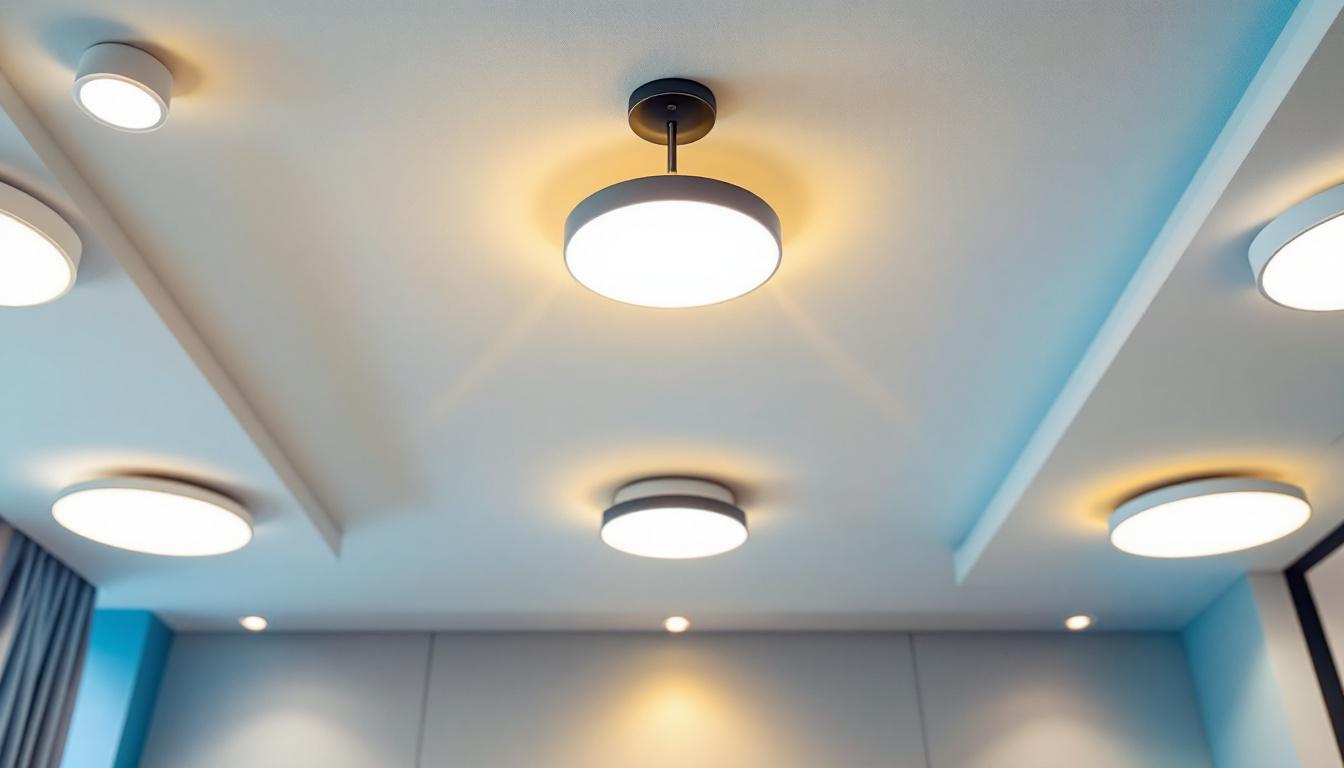
Recessed lights, often referred to as can lights or downlights, are popular for their sleek, unobtrusive appearance. They are installed flush with the ceiling, providing a clean look while delivering focused illumination. Surface-mounted fixtures, on the other hand, are attached directly to the ceiling surface and come in a wide array of styles—from minimalist LED panels to decorative chandeliers.
Understanding these options allows contractors to advise clients effectively, matching lighting solutions to the architectural style and functional needs of the space. It also ensures that installations are executed with precision, adhering to safety standards and maximizing the performance of the lighting system.
Recessed Lighting: Benefits and Considerations
Recessed lighting is favored for its ability to provide uniform illumination without cluttering the ceiling line. These fixtures are ideal for modern interiors, kitchens, hallways, and commercial spaces where a minimalist aesthetic is desired. One of the key benefits is their versatility; recessed lights can be used for general lighting, task lighting, or accent lighting depending on the placement and bulb type.
However, installation requires careful planning. Contractors must consider ceiling depth, insulation type, and electrical wiring routes. Using IC-rated housings is crucial in insulated ceilings to prevent fire hazards. Moreover, selecting the right trim and bulb—such as LED for energy efficiency and longevity—can enhance both the functionality and energy profile of the lighting system. Additionally, the choice of beam angle can dramatically affect the light’s spread; a narrow beam can highlight artwork or architectural features, while a wider beam is ideal for general illumination.
Surface-Mounted Fixtures: Style Meets Function
Surface-mounted ceiling lights offer an expansive range of design possibilities. From flush mounts that sit close to the ceiling to semi-flush mounts that hang slightly lower, these fixtures can serve as focal points in a room. They are easier to install in spaces with shallow ceiling cavities, making them a practical choice for retrofit projects.
Lighting contractors should assess the client’s style preferences alongside the room’s dimensions and ceiling height. For example, a large, ornate chandelier may overwhelm a small room but provide dramatic impact in a spacious foyer. Additionally, surface-mounted LED panels are gaining popularity in commercial settings due to their energy efficiency and uniform light distribution. Beyond aesthetics, these fixtures can also incorporate advanced technology such as smart lighting controls, allowing users to adjust brightness and color temperature to suit different activities or moods. This adaptability not only enhances the user experience but also promotes energy savings, making surface-mounted fixtures a smart choice for both residential and commercial applications.
Technical Aspects of Ceiling Light Installation
Beyond aesthetics, the technical execution of ceiling light installation is critical. Lighting contractors must navigate electrical codes, safety protocols, and compatibility issues to ensure a successful project. This section delves into the essential technical considerations that impact installation quality and longevity.
Electrical Wiring and Safety Compliance
Adherence to local electrical codes is non-negotiable. Proper wiring methods, grounding, and circuit protection safeguard both the installation and end users. Contractors should verify that the circuit can handle the load of the new lighting fixtures, especially when upgrading to LED systems that may involve different voltage and driver requirements.
Moreover, the use of junction boxes and secure mounting hardware prevents hazards such as loose connections or fixture detachment. It is also important to ensure that dimmer switches and controls are compatible with the chosen light sources, as mismatches can cause flickering or reduced lifespan.
Thermal Management and Insulation Considerations
Heat dissipation is a critical factor, particularly with recessed lighting. Fixtures that are not rated for insulation contact (non-IC rated) must have clearance from insulation materials to avoid overheating and potential fire risks. Lighting contractors should select IC-rated housings when installing recessed lights in insulated ceilings to maintain safety and energy efficiency.
Additionally, LED lighting generates less heat than traditional incandescent bulbs, reducing thermal management concerns. However, proper ventilation and fixture design still play a role in ensuring optimal performance and durability.
Integration with Smart Lighting Systems
The rise of smart home technology has transformed lighting design and control. Lighting contractors are increasingly called upon to integrate ceiling lights with smart systems that allow remote control, scheduling, and color temperature adjustments. This requires familiarity with compatible fixtures, communication protocols (such as Zigbee or Wi-Fi), and user interface options.
Proper planning during installation ensures that wiring and fixture placement accommodate smart controls without compromising aesthetics or functionality. Contractors should also provide clients with clear instructions and support to maximize the benefits of smart lighting solutions.
Energy Efficiency and Sustainability in Ceiling Lighting
Energy efficiency is a paramount concern in modern lighting projects. Contractors play a key role in guiding clients toward sustainable lighting choices that reduce energy consumption and environmental impact while maintaining high-quality illumination.
Choosing LED Lighting for Ceiling Installations
LED technology has revolutionized ceiling lighting with its superior energy efficiency, long lifespan, and low maintenance requirements. LEDs consume up to 80% less energy than incandescent bulbs and can last tens of thousands of hours, significantly reducing replacement frequency and waste.
Lighting contractors should prioritize LED fixtures and retrofit options in their projects. Additionally, selecting LEDs with appropriate color rendering index (CRI) values ensures that colors appear natural and vibrant, which is especially important in commercial and residential settings alike.
Utilizing Daylight and Lighting Controls
Incorporating daylight harvesting strategies can further enhance energy savings. This involves using sensors and controls to adjust artificial lighting based on the availability of natural light. For ceiling lights, integrating dimmers, occupancy sensors, and timers can optimize energy use without sacrificing comfort or visibility.
Contractors should educate clients about the benefits of these controls and ensure proper installation and calibration. This approach not only reduces electricity bills but also contributes to greener building certifications and sustainability goals.
Material and Fixture Selection for Sustainability
Sustainable lighting extends beyond energy consumption to include the environmental impact of materials and manufacturing processes. Choosing fixtures made from recyclable or responsibly sourced materials supports eco-friendly practices. Additionally, selecting fixtures with modular designs facilitates easier repairs and upgrades, extending the product lifecycle.
Lighting contractors can influence sustainable outcomes by partnering with manufacturers committed to environmental stewardship and by recommending products that balance performance, aesthetics, and sustainability.
Design Principles and Client Consultation
Effective lighting design is a blend of technical expertise and creative vision. Lighting contractors must work closely with clients to understand their needs, preferences, and space characteristics to deliver lighting solutions that enhance both form and function.
Assessing Space and Functionality
Each room has unique lighting requirements based on its purpose, size, and occupant activities. For instance, kitchens and workspaces demand bright, focused task lighting, while living rooms benefit from layered lighting that combines ambient, accent, and decorative elements.
Contractors should conduct thorough site assessments, considering ceiling height, architectural features, and existing light sources. This information guides fixture selection, placement, and control strategies to achieve optimal lighting balance.
Balancing Aesthetics and Practicality
Clients often seek lighting that complements interior design while fulfilling practical needs. Lighting contractors must navigate this balance by recommending fixtures that align with the décor style—whether modern, traditional, industrial, or eclectic—without compromising on light quality or energy efficiency.
Offering visual aids such as mock-ups, 3D renderings, or sample installations can help clients visualize the final outcome and make informed decisions. Clear communication about maintenance, costs, and performance expectations fosters trust and satisfaction.
Future-Proofing Lighting Installations
As technology and design trends evolve, lighting installations should be adaptable to future upgrades. Contractors should consider modular systems, easy access for maintenance, and compatibility with emerging smart technologies. This foresight protects the client’s investment and ensures the lighting system remains relevant and efficient over time.
Common Challenges and Solutions in Ceiling Light Installation
Lighting contractors often encounter challenges during ceiling light installations. Addressing these proactively ensures smooth project execution and client satisfaction.
Dealing with Structural Limitations
Older buildings or spaces with limited ceiling depth can restrict fixture options. In such cases, contractors may opt for low-profile surface-mounted fixtures or specialized shallow recessed housings. Creative solutions, such as combining indirect lighting with ceiling fixtures, can also enhance illumination without structural modifications.
Managing Electrical Constraints
Insufficient circuit capacity or outdated wiring can pose challenges. Contractors should perform electrical load calculations and, if necessary, recommend upgrades to panels or circuits. Collaborating with electricians ensures compliance and safety.
Ensuring Consistent Light Quality
In multi-fixture installations, achieving uniform light distribution and color consistency is essential. Using fixtures from the same product line and batch, and verifying color temperature and CRI specifications, helps maintain a cohesive lighting environment.
Conclusion
Ceiling lighting is a critical component of interior environments, blending functionality, aesthetics, and energy efficiency. For lighting contractors, expertise in the variety of ceiling fixtures, technical installation requirements, sustainable practices, and client-centered design is essential to delivering exceptional results.
By staying informed about the latest technologies, adhering to safety standards, and fostering clear communication with clients, contractors can elevate their craft and contribute to well-lit, beautiful, and sustainable spaces. The dynamic nature of lighting design offers ongoing opportunities for innovation and professional growth in this specialized field.
Illuminate Your Projects with LumenWholesale
Ready to take your ceiling lighting installations to the next level? At LumenWholesale, we provide lighting contractors with an exceptional range of high-quality, spec-grade lighting products at the best wholesale prices. Say goodbye to local distributor markups and hello to a vast selection of reliable lighting solutions that meet the highest industry standards. With the added convenience of free shipping on bulk orders, LumenWholesale is your go-to source for premium lighting without hidden fees or compromises. Elevate your lighting projects today by visiting Wholesale Lighting at the Best Value and discover the perfect blend of quality, affordability, and convenience.