Understanding the Unique Lighting Needs of Home Theatres
Home theatres have evolved from simple TV rooms to immersive entertainment environments that rival commercial cinemas. For lighting contractors, this transformation means a shift from traditional residential lighting approaches to specialized techniques that enhance the viewing experience without compromising comfort or aesthetics.
Unlike general living spaces, home theatres require lighting solutions that balance visibility, ambiance, and screen clarity. Excessive brightness or poorly placed fixtures can cause glare and reflections on the screen, detracting from picture quality. Conversely, insufficient lighting can create safety hazards and diminish the room’s overall usability.
Lighting contractors must understand these unique demands to design and install systems that cater specifically to home theatre environments. This involves a combination of technical knowledge, creative problem-solving, and awareness of the latest lighting technologies. The integration of smart lighting systems has also become a popular trend, allowing homeowners to customize their lighting setups with ease. These systems can be programmed to adjust automatically based on the time of day or the type of content being viewed, providing a seamless transition from bright to dim lighting as needed.
The Importance of Controlled Ambient Lighting
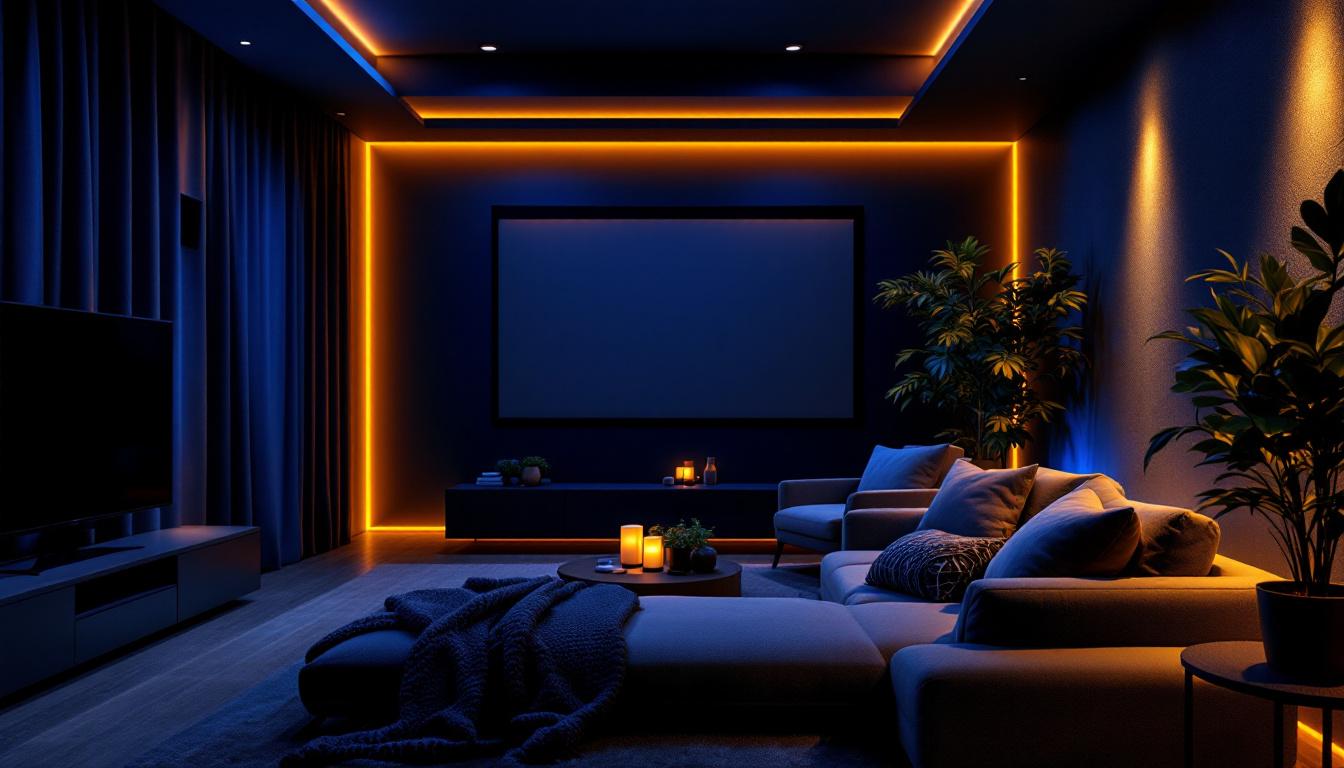
Ambient lighting in a home theatre sets the mood and ensures that viewers can move safely within the space without disrupting the cinematic experience. Controlled ambient lighting typically involves dimmable fixtures that provide soft, indirect illumination.
Studies show that the ideal ambient light level for home theatres is around 10 to 30 lux, which is enough to navigate the room but low enough to prevent screen washout. Lighting contractors should recommend fixtures with adjustable brightness and color temperature to accommodate different viewing preferences and content types. Furthermore, the use of LED strip lighting along the baseboards or behind the screen can add a subtle glow that enhances the overall aesthetic while providing functional lighting. This not only elevates the visual appeal of the room but also helps in creating a more immersive viewing experience.
Minimizing Screen Glare and Reflections
Screen glare is one of the most common complaints in home theatre lighting. It occurs when light sources reflect off the screen surface, reducing contrast and causing eye strain. To mitigate this, lighting contractors need to consider fixture placement carefully, avoiding direct lines of sight between lights and the screen.
Using wall sconces or recessed lighting positioned behind or beside the seating area can help minimize reflections. Additionally, selecting matte or low-gloss finishes for walls and ceilings can reduce reflective surfaces that contribute to glare. The choice of screen material also plays a crucial role; opting for screens with anti-glare coatings can significantly enhance the viewing experience. Moreover, incorporating blackout curtains or shades can help control natural light during daytime viewings, ensuring that the home theatre remains a dedicated space for cinematic enjoyment, regardless of external lighting conditions.
Key Lighting Components and Technologies for Home Theatres
Modern home theatres benefit from a variety of lighting components and technologies designed to enhance functionality and aesthetics. Lighting contractors should be familiar with these options to provide clients with tailored solutions.
Dimmable LED Lighting
LED technology has become the standard for home theatre lighting due to its energy efficiency, longevity, and versatility. Dimmable LEDs allow precise control over light intensity, enabling users to adjust lighting levels seamlessly during different phases of a movie or event.
Moreover, LEDs can be integrated with smart home systems, allowing for automated scenes and voice control. This integration enhances user convenience and creates immersive lighting effects that complement the on-screen action.
Accent and Cove Lighting
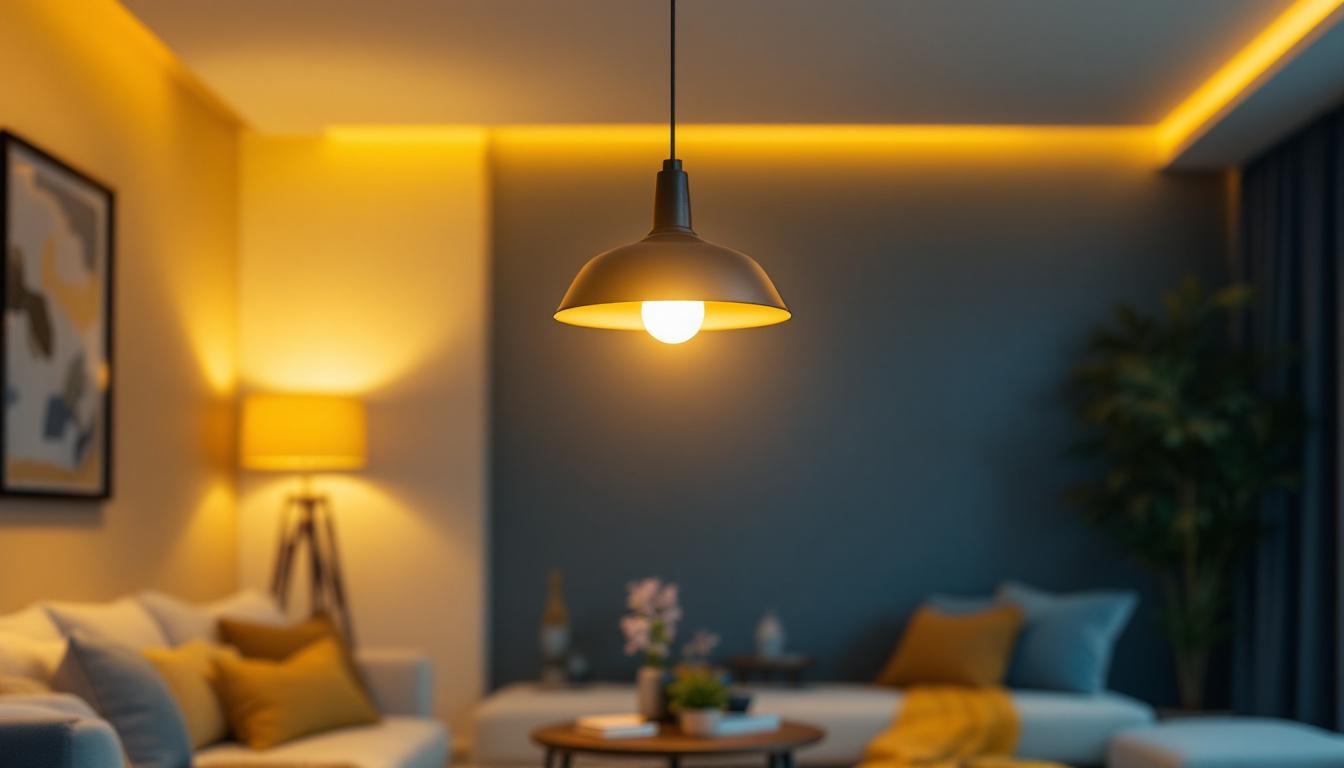
Accent lighting highlights architectural features or decorative elements, adding depth and character to the home theatre space. Cove lighting, installed in recessed areas near the ceiling, provides indirect illumination that softens shadows and contributes to a cozy atmosphere.
Both accent and cove lighting can be outfitted with color-changing LEDs, offering dynamic lighting options that can be customized to match the mood or theme of the content being viewed. Lighting contractors should ensure that these fixtures are installed with appropriate dimming controls and positioned to avoid screen interference.
Task and Safety Lighting
While ambiance is critical, practical lighting for tasks such as finding seats, operating equipment, or navigating steps is equally important. Low-level task lighting, such as LED strip lights along aisles or under seats, provides necessary illumination without disrupting the viewing experience.
Safety lighting should comply with local building codes and standards, ensuring that emergency exits and pathways are clearly marked and accessible. Lighting contractors must balance these requirements with the overall design to maintain a seamless and functional home theatre environment.
Design Considerations and Best Practices for Lighting Contractors
Successful home theatre lighting design requires a holistic approach that integrates technical specifications, client preferences, and architectural constraints.
Collaborating with Other Trades
Lighting contractors should work closely with architects, interior designers, and audio-visual specialists to ensure that lighting complements other elements of the home theatre. Early collaboration helps identify potential conflicts, such as wiring routes, fixture mounting locations, and control system compatibility.
For example, coordinating with AV installers can help optimize speaker placement and screen positioning, which in turn influences lighting fixture selection and placement to minimize interference and maximize performance.
Customizing Lighting Control Systems
Advanced lighting control systems are essential for creating flexible and user-friendly home theatre environments. Contractors should recommend systems that allow preset scenes, gradual dimming, and integration with home automation platforms.
Popular control options include touch panels, remote controls, and smartphone apps. Voice control compatibility with platforms like Amazon Alexa or Google Assistant adds another layer of convenience. Ensuring that these systems are intuitive and reliable is key to client satisfaction.
Considering Color Temperature and CRI
Color temperature affects the perceived warmth or coolness of light, influencing the room’s mood and visual comfort. For home theatres, warmer color temperatures (around 2700K to 3000K) are generally preferred as they create a relaxing atmosphere without compromising screen visibility.
Color Rendering Index (CRI) is also important, especially if the room doubles as a multipurpose space. A CRI of 80 or higher ensures that colors appear natural and vibrant under artificial lighting. Lighting contractors should select fixtures that balance these factors to achieve optimal results.
Common Challenges and Solutions in Home Theatre Lighting
Despite careful planning, lighting contractors often encounter challenges unique to home theatre installations. Understanding these issues and their solutions is crucial for delivering professional results.
Dealing with Limited Space and Architectural Constraints
Many home theatres are located in basements, converted rooms, or small spaces with limited ceiling height. These constraints can restrict fixture options and placement. Recessed lighting and slim-profile fixtures are effective solutions that maintain a clean look without sacrificing functionality.
In tight spaces, indirect lighting techniques such as wall washers or LED tape lighting can provide sufficient illumination while preserving the room’s aesthetics. Contractors should also consider custom fixtures or adjustable mounts to accommodate unusual layouts.
Managing Heat and Ventilation
Lighting fixtures, particularly traditional halogen or incandescent bulbs, generate heat that can affect room temperature and equipment performance. Although LEDs produce significantly less heat, proper ventilation remains important to maintain comfort and protect sensitive AV components.
Contractors should ensure that lighting installations do not obstruct HVAC vents and consider integrating ventilation solutions if necessary. Using low-heat fixtures and spacing them appropriately helps mitigate thermal issues.
Ensuring Energy Efficiency and Sustainability
Energy efficiency is a growing priority for homeowners and professionals alike. Lighting contractors can contribute by specifying LED fixtures, energy-efficient drivers, and smart controls that reduce power consumption.
Additionally, selecting fixtures with certifications such as ENERGY STAR or DesignLights Consortium (DLC) can assure clients of quality and sustainability. Incorporating daylight sensors or occupancy detectors in multipurpose home theatre spaces further enhances energy savings.
Future Trends in Home Theatre Lighting
The home theatre lighting landscape continues to evolve with advancements in technology and changing consumer preferences. Staying informed about emerging trends helps lighting contractors offer cutting-edge solutions that meet client expectations.
Integration with Immersive Technologies
Lighting systems are increasingly integrated with immersive technologies such as ambient light syncing and dynamic scene adjustments based on on-screen content. These systems use sensors or software to adjust lighting color and intensity in real time, enhancing the cinematic experience.
Contractors should familiarize themselves with these technologies and their installation requirements to provide value-added services that differentiate their offerings.
Wireless and Modular Lighting Systems
Wireless lighting fixtures and modular components simplify installation and offer greater flexibility for future upgrades or reconfigurations. This is particularly advantageous in retrofit projects where running new wiring is challenging.
Adopting wireless protocols such as Zigbee or Bluetooth Mesh enables seamless control and integration with smart home ecosystems. Lighting contractors should evaluate these options based on project scope and client needs.
Personalization and User-Centric Design
Clients increasingly seek personalized lighting experiences that reflect their lifestyle and preferences. This trend drives demand for customizable color schemes, programmable scenes, and adaptive lighting that responds to user behavior.
Lighting contractors can leverage software tools and smart controls to design systems that empower users to tailor their home theatre environment effortlessly, enhancing satisfaction and engagement.
Conclusion: Elevating Home Theatre Experiences Through Expert Lighting
For lighting contractors, mastering the nuances of home theatre lighting is essential to delivering exceptional results that enhance both functionality and enjoyment. By understanding the unique requirements of these spaces, selecting appropriate technologies, and applying best practices in design and installation, professionals can create immersive environments that delight clients.
Continuous learning and adaptation to emerging trends will ensure that lighting contractors remain at the forefront of this specialized field, providing solutions that combine innovation, efficiency, and aesthetic appeal.
Illuminate Your Home Theatre Projects with LumenWholesale
Ready to elevate your home theatre installations with the finest lighting solutions? Look no further than LumenWholesale. Our extensive selection of spec-grade lighting products is designed to meet the unique demands of home theatre environments, ensuring you deliver the immersive experience your clients crave. With unbeatable wholesale prices and free shipping on bulk orders, you can access premium lighting without the premium cost. Make your next project shine and discover the best value in wholesale lighting at LumenWholesale today.