In the world of outdoor lighting, Type G bulbs have gained significant attention for their versatility and efficiency. Ranging from 25 watts to 60 watts, these bulbs are ideal for various applications, from residential gardens to commercial spaces. Understanding the specifications, benefits, and applications of these bulbs is crucial for lighting contractors looking to provide optimal solutions for their clients.
Understanding Type G Bulbs
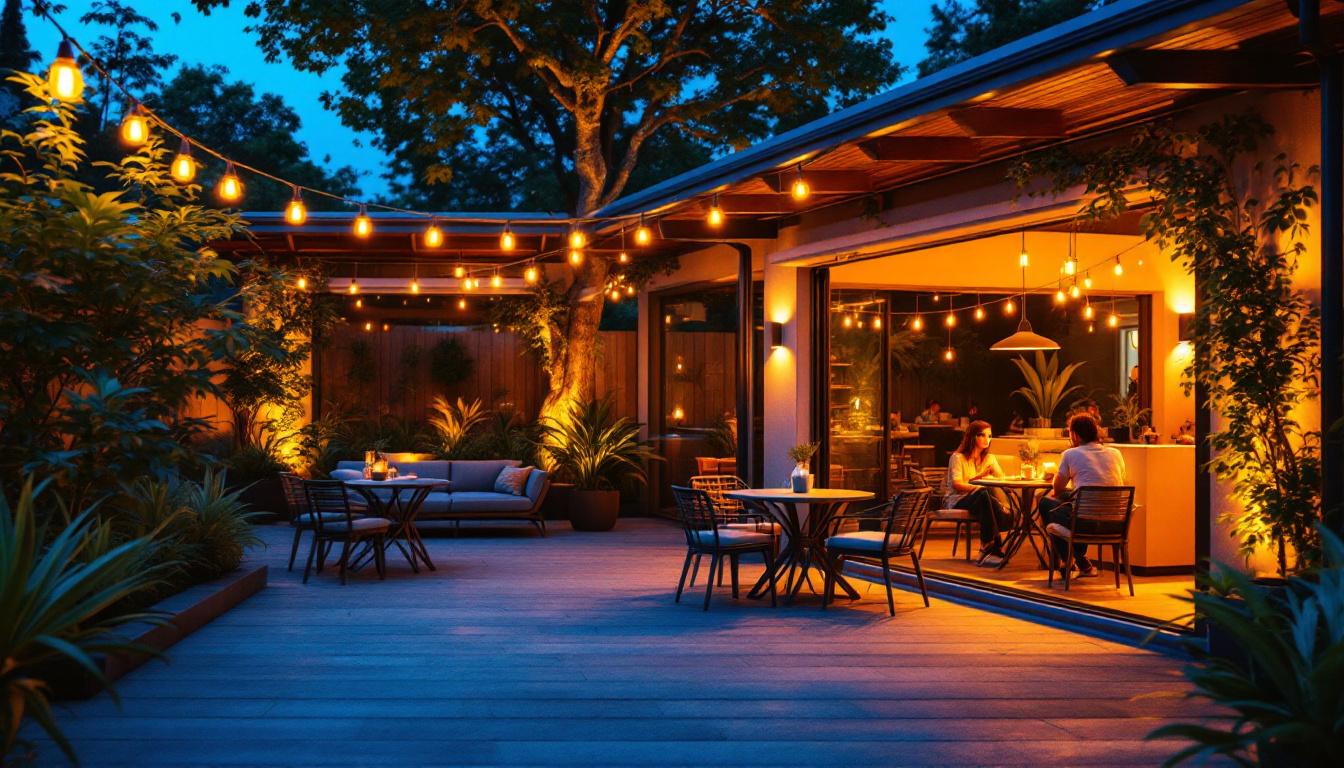
Type G bulbs are a category of incandescent and LED light bulbs designed primarily for outdoor use. Their unique design and functionality make them suitable for a variety of fixtures, including wall sconces, post lights, and decorative outdoor lighting. The wattage range of 25 to 60 watts provides flexibility in brightness and energy consumption. These bulbs are particularly popular in residential settings, where they enhance the ambiance of gardens, patios, and pathways, creating inviting spaces for evening gatherings or tranquil nights under the stars.
Specifications of Type G Bulbs
Type G bulbs come in different shapes and sizes, but they typically feature a glass envelope that houses the filament or LED components. The wattage indicates the amount of energy consumed, which directly correlates to the brightness produced. For instance, a 25-watt bulb will emit less light than a 60-watt bulb, making it essential to choose the right wattage based on the intended application. In addition to wattage, the shape of the bulb can also influence light distribution; for example, globe-shaped bulbs may cast a softer, more diffused light, while a more traditional bulb shape might focus the light more directly.
Moreover, Type G bulbs are available in various color temperatures, ranging from warm white to daylight. This variety allows lighting contractors to select bulbs that complement the aesthetic of the outdoor space while providing adequate illumination. For instance, warm white bulbs create a cozy and inviting atmosphere, ideal for outdoor dining areas, while cooler daylight bulbs can enhance visibility and safety along walkways or driveways. The choice of color temperature can significantly impact the mood and functionality of outdoor spaces, making it an important consideration in lighting design.
Energy Efficiency and Longevity
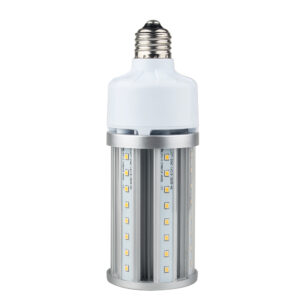
One of the most significant advantages of Type G bulbs, especially LED variants, is their energy efficiency. LED Type G bulbs consume significantly less power than traditional incandescent bulbs, providing the same level of brightness while using a fraction of the energy. This efficiency translates into lower energy bills for clients and a reduced environmental impact. Furthermore, many LED Type G bulbs are now designed to be dimmable, allowing for even greater control over energy use and ambiance, which is particularly beneficial for outdoor spaces that may require different lighting levels at various times of the day.
Additionally, LED Type G bulbs have a longer lifespan, often lasting up to 25,000 hours or more. This longevity means less frequent replacements, which is particularly beneficial for outdoor fixtures that may be challenging to access. The durability of LED technology also means that these bulbs are less prone to breakage and can withstand harsher weather conditions, making them a reliable choice for outdoor lighting. As a result, homeowners and businesses alike can enjoy beautifully illuminated outdoor spaces with minimal maintenance, enhancing both safety and aesthetic appeal without the hassle of constant bulb changes.
Applications of 25 Watts to 60 Watts Type G Bulbs
The versatility of Type G bulbs allows them to be used in various outdoor settings. From illuminating pathways to enhancing the ambiance of outdoor gatherings, these bulbs serve multiple purposes. Below are some common applications:
Residential Outdoor Lighting
In residential settings, Type G bulbs can be used for porch lights, garden lighting, and landscape features. A 25-watt bulb might be suitable for subtle accent lighting, while a 60-watt bulb can provide more robust illumination for security purposes. Homeowners often appreciate the aesthetic appeal of these bulbs, as they come in various designs that can enhance the overall look of their property.
Furthermore, the ability to select different color temperatures allows homeowners to create the desired atmosphere. For example, warm white bulbs can create a cozy environment for outdoor gatherings, while daylight bulbs are perfect for task-oriented areas like driveways or entryways.
Commercial Outdoor Lighting
For commercial applications, Type G bulbs are equally effective. Businesses can utilize these bulbs for parking lot lighting, signage illumination, and outdoor dining areas. The choice between 25-watt and 60-watt bulbs will depend on the specific lighting needs of the area. For instance, parking lots may require brighter lighting for safety, making 60-watt bulbs a more suitable option.
Additionally, the energy efficiency of LED Type G bulbs can significantly reduce operational costs for businesses, making them an attractive choice for commercial lighting solutions.
Choosing the Right Wattage
When selecting Type G bulbs, determining the appropriate wattage is crucial. The wattage not only affects the brightness of the light but also impacts energy consumption and overall lighting design. Here are some considerations to keep in mind:
Assessing Lighting Needs
The first step in choosing the right wattage is to assess the lighting needs of the space. For example, areas requiring task lighting, such as workspaces or entryways, may benefit from the higher output of 60-watt bulbs. In contrast, ambient lighting in gardens or patios may only require 25-watt bulbs.
Contractors should also consider the layout of the area. If multiple fixtures are used, a combination of different wattages can create a balanced lighting scheme that enhances both functionality and aesthetics.
Energy Considerations
Energy consumption is another critical factor in wattage selection. While higher wattage bulbs provide more light, they also consume more energy. Contractors should evaluate the energy efficiency of the bulbs being considered, especially when recommending solutions for clients focused on sustainability.
LED Type G bulbs are an excellent choice for those looking to minimize energy usage without sacrificing brightness. They provide the same lumen output as traditional bulbs while consuming significantly less power.
Installation Tips for Type G Bulbs
Proper installation of Type G bulbs is essential to ensure optimal performance and longevity. Here are some tips for contractors when installing these outdoor lighting solutions:
Fixture Compatibility
Before installation, it is crucial to verify that the chosen Type G bulb is compatible with the fixture. Different fixtures may have specific wattage limits, and exceeding these limits can lead to overheating or damage. Always refer to the fixture’s specifications to ensure a safe and effective installation.
Positioning and Angle
The positioning of outdoor bulbs can significantly affect the quality of light. For example, placing bulbs at the right height and angle can minimize glare and maximize illumination. Contractors should consider the intended use of the space when determining the optimal placement for each bulb.
Additionally, using dimmers or smart lighting controls can enhance the functionality of outdoor lighting systems, allowing clients to adjust brightness levels based on their needs.
Maintenance of Type G Bulbs
Maintaining Type G bulbs is essential for ensuring their longevity and performance. Regular maintenance can prevent issues such as flickering or dimming, which can occur over time. Here are some maintenance tips to consider:
Regular Inspections
Contractors should recommend regular inspections of outdoor lighting fixtures to ensure they are functioning correctly. This includes checking for any signs of wear or damage to the bulbs and fixtures. If a bulb is flickering or not illuminating properly, it may be time for a replacement.
Furthermore, cleaning the fixtures can improve light output. Dust, dirt, and debris can accumulate on the bulb and fixture, reducing the effectiveness of the light. A simple cleaning routine can help maintain optimal performance.
Seasonal Considerations
Outdoor lighting systems may require different maintenance depending on the season. For example, in colder climates, snow and ice may accumulate on fixtures, necessitating additional care to prevent damage. Contractors should advise clients on seasonal maintenance practices to ensure their outdoor lighting remains functional year-round.
Cost Considerations
When recommending Type G bulbs to clients, it is essential to discuss the cost implications. While the initial purchase price of LED bulbs may be higher than traditional incandescent options, the long-term savings in energy consumption and replacement costs can make them a more economical choice.
Initial Investment vs. Long-Term Savings
Clients may be hesitant to invest in higher-priced LED Type G bulbs, so it is crucial to highlight the long-term savings associated with energy efficiency and longevity. Over time, the reduced energy bills and decreased frequency of replacements can offset the initial investment, making LED bulbs a cost-effective solution.
Additionally, many utility companies offer rebates or incentives for energy-efficient lighting upgrades, which can further reduce the overall cost for clients.
Budgeting for Outdoor Lighting Projects
When planning outdoor lighting projects, contractors should help clients establish a budget that accounts for both initial costs and ongoing maintenance. This comprehensive approach ensures clients are fully informed about the financial aspects of their lighting choices and can make decisions that align with their needs and preferences.
Conclusion
Type G bulbs ranging from 25 watts to 60 watts offer a versatile and efficient lighting solution for outdoor spaces. Understanding their specifications, applications, and maintenance needs is essential for lighting contractors aiming to provide comprehensive lighting solutions for their clients. By considering factors such as wattage, energy efficiency, and installation practices, contractors can ensure that their clients receive the best possible outdoor lighting experience.
As the demand for energy-efficient and aesthetically pleasing outdoor lighting continues to grow, Type G bulbs stand out as a reliable choice. By staying informed about the latest trends and technologies in outdoor lighting, contractors can position themselves as experts in the field, ultimately benefiting their clients and their businesses.
Illuminate Your Projects with LumenWholesale
Ready to elevate your outdoor lighting projects with the versatility and efficiency of Type G bulbs? At LumenWholesale, we provide lighting contractors with the highest quality spec-grade lighting products at unbeatable wholesale prices. Say goodbye to inflated markups and hello to superior lighting that meets the highest industry standards. With our hassle-free bulk buying and free shipping, you can stock up on premium lighting solutions like the 25 to 60 watts Type G bulbs without any hidden fees. Make the smart choice for your business and your clients by choosing LumenWholesale for the best value in wholesale lighting. Explore our selection now and start saving.