Understanding Lumens: The Foundation of Effective Lighting
For lighting contractors, grasping the concept of lumens is essential to designing spaces that are both functional and visually appealing. Lumens measure the amount of visible light emitted by a source, providing a quantifiable metric to compare brightness across different lighting technologies.
Unlike watts, which measure energy consumption, lumens directly indicate how much light a bulb produces. This distinction is critical when selecting fluorescent lighting for projects, as it ensures that spaces receive adequate illumination without unnecessary energy expenditure. By understanding lumens, contractors can create environments that enhance productivity, comfort, and aesthetics, catering to the specific needs of each space.
Why Lumens Matter More Than Watts
Historically, watts were often used as a proxy for brightness, but this approach is misleading, especially with the advent of energy-efficient lighting technologies. A 32-watt fluorescent tube can produce roughly the same lumens as a 60-watt incandescent bulb, but with significantly less power consumption. For contractors, focusing on lumens rather than watts leads to smarter decisions that balance lighting quality and energy efficiency.
Moreover, understanding lumens allows contractors to tailor lighting solutions to the unique requirements of various environments. For instance, in a commercial setting like an office, where tasks require clear visibility, higher lumen outputs are necessary to reduce eye strain and improve focus. Conversely, in a cozy restaurant setting, lower lumen levels can create an inviting atmosphere that encourages relaxation and social interaction. By considering the specific lumen needs of each space, contractors can optimize lighting design to enhance both functionality and ambiance.
Fluorescent Lighting: A Versatile Choice for Diverse Applications
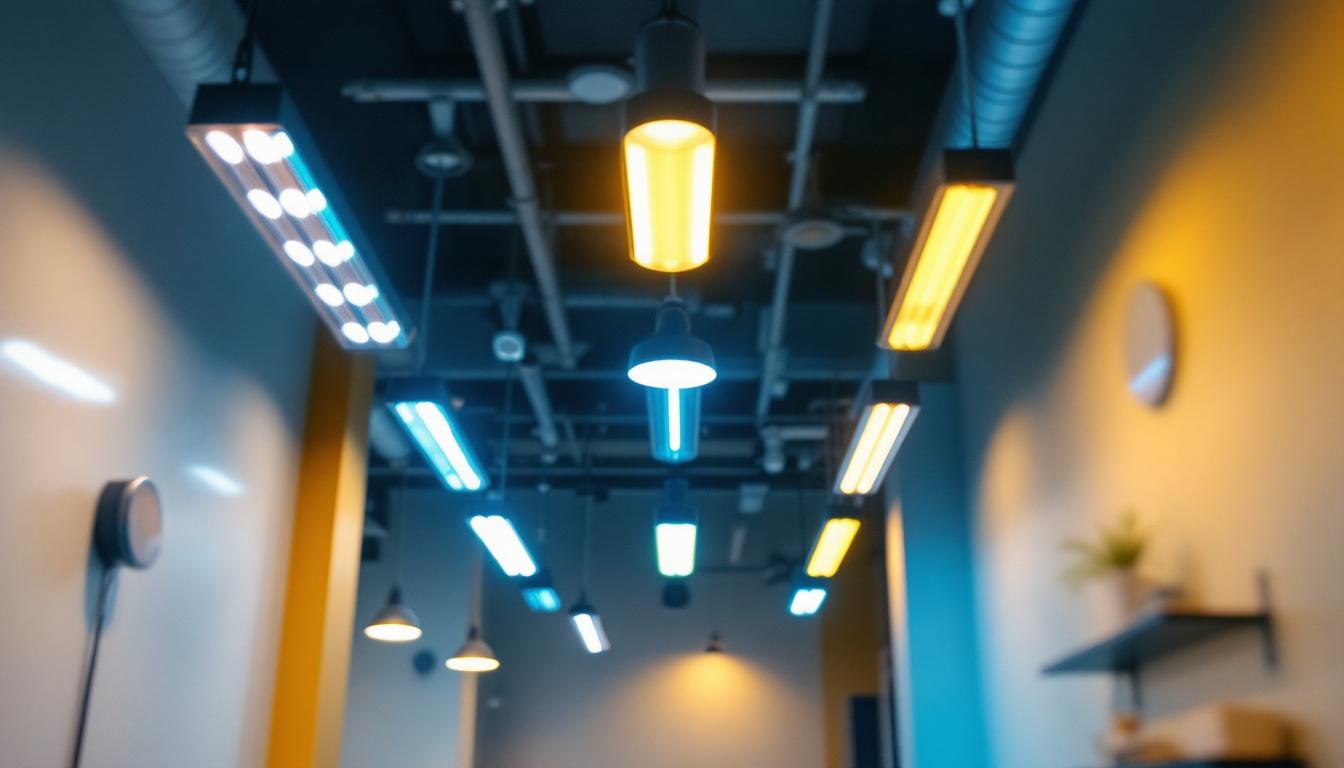
Fluorescent lights have long been a staple in commercial, industrial, and institutional settings due to their efficiency and longevity. Understanding their lumen output characteristics helps contractors tailor lighting designs to specific environments. The versatility of fluorescent lighting also extends to its adaptability in various fixtures, from overhead troffers to wall-mounted sconces, making it suitable for a wide range of applications.
Types of Fluorescent Lamps and Their Lumen Outputs
Fluorescent lamps come in various shapes and sizes, each with distinct lumen outputs:
- T8 Tubes: Typically produce between 2,500 to 3,200 lumens per 4-foot tube, making them popular for office and retail spaces.
- T5 Tubes: More compact and efficient, these tubes can produce up to 3,400 lumens per 4-foot tube and are favored in high-performance lighting applications.
- Compact Fluorescent Lamps (CFLs): These smaller bulbs deliver between 800 to 1,600 lumens depending on wattage, suitable for residential and smaller commercial uses.
Knowing these lumen ranges allows contractors to calculate the number of fixtures required to achieve desired lighting levels, ensuring compliance with industry standards such as those set by the Illuminating Engineering Society (IES). Furthermore, the energy efficiency of fluorescent lamps can lead to significant cost savings over time, making them an economically sound choice for large-scale installations. This efficiency not only reduces electricity bills but also lessens the environmental impact by lowering overall energy consumption.
Color Rendering and Its Impact on Perceived Brightness
While lumens quantify brightness, color rendering index (CRI) affects how colors appear under a light source. Fluorescent lamps typically have a CRI ranging from 70 to 90, with higher CRI lamps providing more natural and vibrant color representation. This factor influences how bright a space feels to occupants, even if the lumen output remains constant.
For example, a retail store lighting design that prioritizes product visibility will benefit from fluorescent lamps with a CRI above 80, enhancing the shopping experience by making merchandise colors appear true and appealing. In educational settings, classrooms illuminated with high-CRI fluorescent lighting can enhance student engagement and focus, as the accurate color representation can aid in visual learning and comprehension. Additionally, the choice of color temperature, often measured in Kelvin (K), further influences the ambiance of a space, with cooler temperatures promoting alertness and warmer tones creating a more relaxed atmosphere.
Designing with Fluorescent Lumens: Best Practices for Lighting Contractors
Effective lighting design balances lumen output, fixture placement, and energy efficiency. Contractors must consider these elements to optimize fluorescent lighting installations.
Calculating Required Lumens for Different Spaces
Each environment has recommended lighting levels measured in foot-candles or lux, which correspond to lumens per square foot or meter. For instance, office spaces typically require around 30-50 foot-candles, while warehouses may need only 10-20 foot-candles due to their functional nature.
By multiplying the target foot-candle level by the area size, contractors can determine the total lumens needed. Dividing this number by the lumen output per fixture provides the quantity of fluorescent lamps required. This method ensures lighting designs meet both functional requirements and energy codes. Moreover, it is crucial to consider the specific tasks performed in each space; for example, a design studio may require higher illumination levels to accurately perceive colors, while a storage area may suffice with minimal lighting. Understanding these nuances allows contractors to tailor their designs to enhance productivity and safety.
Optimizing Fixture Placement for Uniform Illumination
Even distribution of light prevents shadows and glare, improving visual comfort. Fluorescent fixtures with higher lumen outputs can be spaced further apart, reducing installation costs and maintenance efforts. However, overreliance on fewer high-lumen fixtures can create hotspots, so balancing lumen output with strategic placement is key. Additionally, the layout of the space plays a significant role; for instance, in areas with high ceilings, using pendant-mounted fixtures can help direct light downwards more effectively, ensuring that the entire area is well-lit. Furthermore, incorporating task lighting in specific zones can complement general illumination, providing focused light where it is needed most, such as over workstations or display areas.
Leveraging Controls to Maximize Efficiency
Incorporating dimmers, occupancy sensors, and daylight harvesting systems can adjust fluorescent light output based on real-time needs. These controls reduce energy consumption without compromising lumen levels, extending lamp life and lowering operational costs. For example, in spaces that experience fluctuating occupancy, such as conference rooms or classrooms, occupancy sensors can automatically turn lights off when the room is unoccupied, ensuring energy is not wasted. Additionally, integrating daylight harvesting technologies allows for the use of natural light to supplement artificial lighting, further enhancing energy efficiency while creating a more pleasant atmosphere. This not only contributes to sustainability goals but also promotes a healthier indoor environment, which can positively impact occupant well-being and productivity.
Challenges and Solutions in Fluorescent Lighting Design
While fluorescent lighting offers many benefits, contractors must navigate certain challenges to achieve optimal results.
Addressing Lumen Depreciation Over Time
Fluorescent lamps gradually lose lumen output as they age, a phenomenon known as lumen depreciation. This decline can reach 20-30% before the lamp reaches its end of life, potentially leaving spaces underlit if not accounted for during design.
To mitigate this, lighting designers use a maintenance factor—typically between 0.7 and 0.9—to adjust initial lumen calculations. Selecting lamps with higher initial lumen output or scheduling timely replacements ensures consistent lighting quality throughout the fixture’s lifespan. Additionally, incorporating dimming controls can provide flexibility in managing light levels, allowing spaces to adapt to varying tasks and occupancy levels while also extending the life of the lamps.
Managing Flicker and Color Shift
Older fluorescent technologies are prone to flicker and color shifts, which can cause discomfort and reduce visual clarity. Modern electronic ballasts and improved phosphor coatings have largely addressed these issues, providing stable lumen output and color consistency.
Contractors should specify fixtures with high-quality ballasts and reputable lamp brands to minimize these risks, enhancing occupant satisfaction and reducing maintenance calls. Furthermore, the integration of advanced technologies such as LED retrofitting can offer an even more stable lighting solution, with the added benefit of energy efficiency and longer lifespans. By educating clients about the advantages of these newer technologies, contractors can foster a more informed decision-making process that prioritizes both performance and sustainability.
The Future of Fluorescent Lighting in a Changing Market
Despite the rise of LED technology, fluorescent lighting remains relevant in many sectors due to its cost-effectiveness and proven reliability. Understanding lumen output and its implications enables contractors to make informed decisions about when and where to deploy fluorescent solutions.
Integrating Fluorescent and LED Technologies
Hybrid lighting designs that combine fluorescent and LED fixtures can optimize lumen distribution and energy use. For example, fluorescent tubes may provide broad ambient lighting, while LEDs offer accent or task lighting with precise control.
This approach allows contractors to leverage the strengths of both technologies, tailoring lumen output to specific application needs and budget constraints.
Staying Informed on Regulatory Changes
Energy codes and lighting standards continue to evolve, often influencing lumen efficacy requirements and allowable fixture types. Lighting contractors must stay current with these changes to ensure compliance and maintain competitive advantage.
By mastering fluorescent lumen metrics and design principles, contractors can confidently adapt to market shifts and deliver superior lighting solutions.
Conclusion: Illuminating Success Through Lumen Mastery
Fluorescent light lumens are more than just a technical specification—they are a critical tool for lighting contractors aiming to create spaces that are efficient, comfortable, and visually compelling. By prioritizing lumen output in design decisions, understanding the nuances of fluorescent lamp types, and addressing challenges proactively, contractors can unlock the full potential of fluorescent lighting.
In a landscape where energy efficiency and occupant well-being are paramount, mastering fluorescent lumens empowers contractors to deliver lighting designs that stand the test of time, satisfy client needs, and contribute to sustainable building practices.
Illuminate Your Projects with LumenWholesale
Ready to elevate your lighting designs with the brilliance of fluorescent lumens? At LumenWholesale, we provide lighting contractors with the highest quality, spec-grade lighting products at prices that shine. Say goodbye to middleman markups and hello to our extensive selection that meets rigorous industry standards. With free shipping on bulk orders, LumenWholesale is your go-to source for premium lighting solutions that combine quality, affordability, and convenience. Don’t compromise on your lighting needs—visit LumenWholesale for Wholesale Lighting at the Best Value and brighten your projects today.