Understanding LED Wall Fixtures: A Foundation for Lighting Contractors
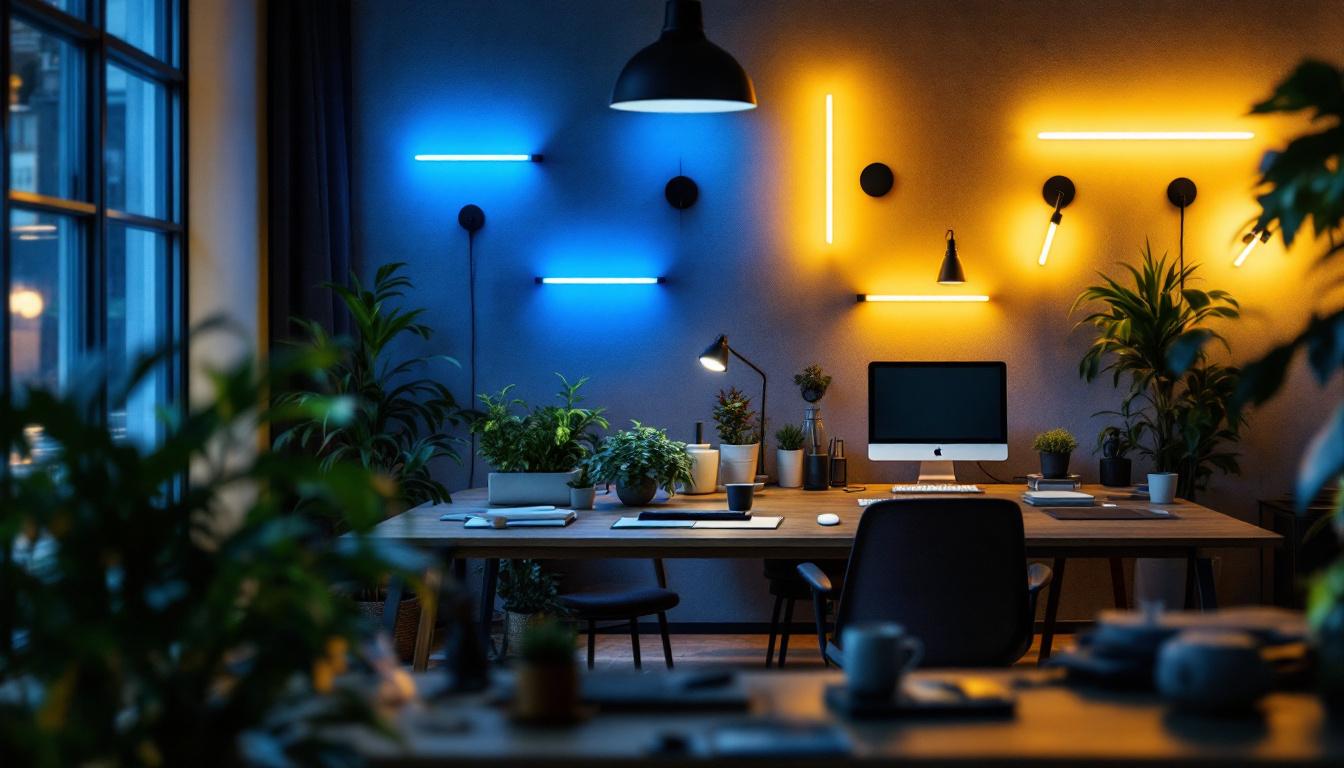
LED wall fixtures have become a cornerstone in modern lighting design, offering energy efficiency, durability, and versatile aesthetics. For lighting contractors, mastering the nuances of LED wall fixtures is essential to delivering high-quality installations that meet client expectations and comply with industry standards.
Unlike traditional lighting options, LED technology provides significant advantages, including longer lifespan, reduced energy consumption, and lower maintenance costs. According to industry reports, LED lighting can reduce energy use by up to 75% compared to incandescent bulbs, making it a sustainable choice for both residential and commercial projects.
Before selecting and installing LED wall fixtures, contractors must understand their types, applications, and technical specifications. This foundational knowledge ensures that lighting solutions are not only visually appealing but also functional and compliant with safety regulations.
Types of LED Wall Fixtures
LED wall fixtures come in various forms, including sconces, wall washers, step lights, and decorative accent lights. Each type serves a distinct purpose:
- Sconces: Typically used for ambient or accent lighting, sconces add style and warmth to interior and exterior walls.
- Wall Washers: Designed to evenly illuminate vertical surfaces, wall washers highlight architectural features or artwork.
- Step Lights: Installed along stairways or pathways, these fixtures improve safety while enhancing visual appeal.
- Decorative Accent Lights: These fixtures combine functionality with design, often serving as statement pieces.
Recognizing the appropriate fixture type for each project is critical for achieving the desired lighting effect and meeting client needs. Additionally, the choice of fixture can influence the overall ambiance of a space, making it essential for contractors to consider the client’s vision and the intended use of the area when selecting fixtures.
Moreover, the installation of LED wall fixtures can also be an opportunity for innovation. For instance, integrating smart lighting technology allows for remote control and automation, enabling clients to customize their lighting experience easily. This feature not only enhances convenience but also promotes energy savings by allowing users to adjust lighting based on occupancy or time of day.
Key Technical Specifications
Lighting professionals must pay close attention to technical details such as lumen output, color temperature, beam angle, and IP rating:
- Lumen Output: Indicates the brightness of the fixture. Selecting the correct lumen level ensures adequate illumination without causing glare.
- Color Temperature: Measured in Kelvins (K), it affects the mood and atmosphere. Warm white (2700K-3000K) is often preferred for residential spaces, while cooler temperatures (4000K-5000K) suit commercial or task lighting.
- Beam Angle: Determines the spread of light. Narrow beam angles focus light on specific areas, while wider angles provide more diffuse illumination.
- IP Rating: Essential for outdoor or damp locations, the Ingress Protection rating indicates resistance to dust and water. For exterior wall fixtures, a minimum of IP65 is typically recommended.
Understanding these specifications not only aids in selecting the right fixtures but also ensures that installations are tailored to the specific needs of each environment. For example, in high-traffic areas or locations exposed to the elements, choosing fixtures with higher durability ratings and appropriate lumen outputs can significantly enhance both safety and longevity.
Furthermore, the rise of energy-efficient LED technology has led to the development of advanced features such as dimmability and color-changing capabilities. These enhancements allow contractors to offer clients a more personalized lighting experience, catering to varying moods and activities throughout the day. As lighting design continues to evolve, staying informed about the latest trends and technologies will empower contractors to provide innovative solutions that elevate their projects and satisfy their clients.
Installation Considerations: Ensuring Safety and Performance
Proper installation of LED wall fixtures is crucial to their longevity, safety, and performance. Lighting contractors must adhere to best practices and local electrical codes to avoid common pitfalls.
Site Assessment and Preparation
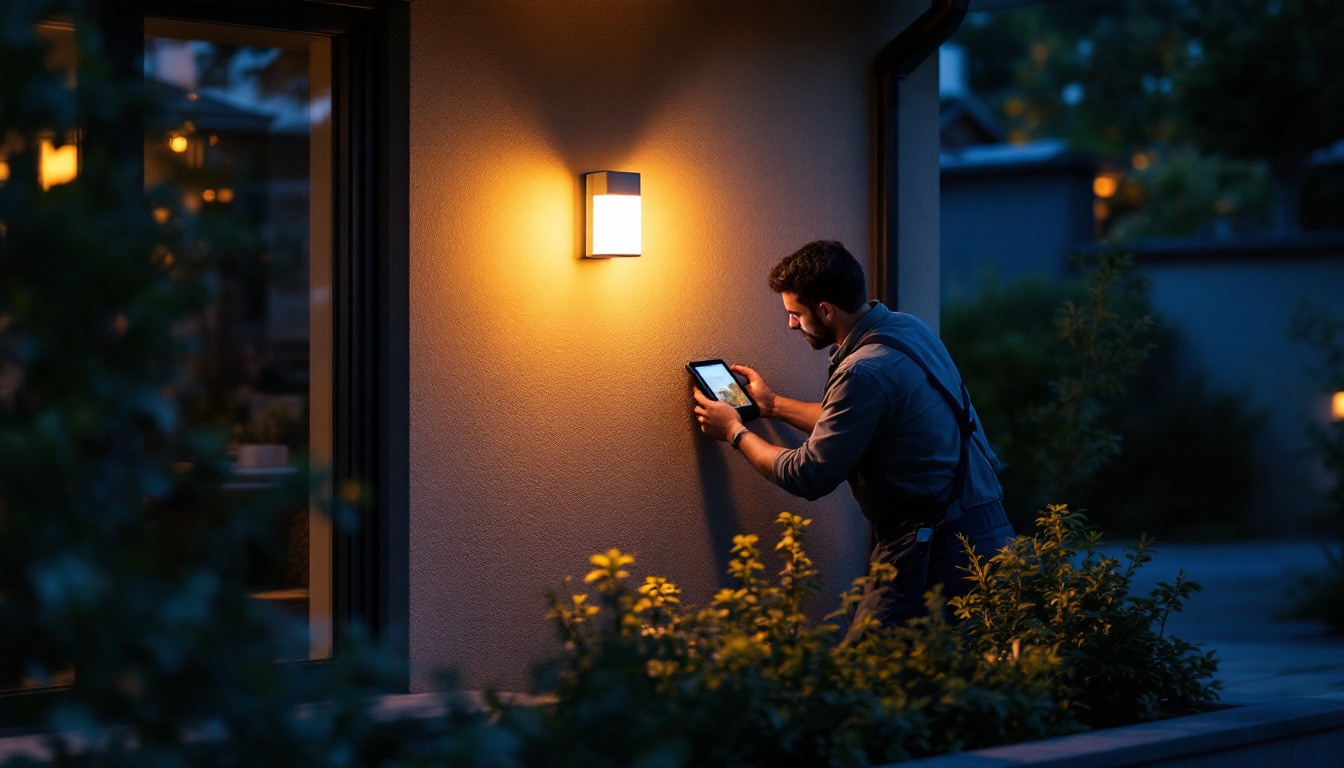
Before installation, conduct a thorough site assessment. This includes evaluating the mounting surface, electrical supply, and environmental conditions. For example, uneven or unstable surfaces may require additional mounting hardware or reinforcement.
Understanding the existing wiring infrastructure is also vital. Ensure that the voltage and current specifications of the LED fixtures match the power supply to prevent damage or inefficiency. Additionally, it’s beneficial to assess the surrounding area for potential obstructions that could affect light distribution. Factors such as nearby trees, buildings, or signage can create shadows or glare, which may compromise the intended lighting effect.
Mounting and Wiring Best Practices
Secure mounting is essential to prevent fixture displacement or damage. Use manufacturer-recommended brackets and hardware, and verify that the fixture is level and firmly attached.
When wiring, observe polarity and grounding requirements. LED fixtures are sensitive to incorrect wiring, which can lead to flickering or failure. Employ waterproof connectors and conduit for outdoor installations to protect against moisture and corrosion. Furthermore, consider the use of surge protection devices to safeguard against voltage spikes, which can be particularly important in areas prone to electrical storms or fluctuations in power supply. This additional layer of protection can enhance the reliability of the lighting system over time.
Thermal Management
LEDs generate heat that must be dissipated to maintain optimal performance and lifespan. Ensure that fixtures have adequate ventilation and are not installed in enclosed spaces without proper heat sinks.
Overheating can reduce light output and cause premature failure, which increases maintenance costs and client dissatisfaction. It’s also important to consider the ambient temperature of the installation site; extreme heat or cold can affect the performance of LED fixtures. Installing fixtures with built-in thermal management systems, such as heat sinks or fans, can help mitigate these risks, ensuring that the LEDs operate within their optimal temperature range. Regular maintenance checks can also help identify any potential overheating issues before they lead to significant problems, thereby prolonging the life of the installation.
Energy Efficiency and Sustainability: Meeting Modern Demands
Energy efficiency is a primary driver for adopting LED wall fixtures. Lighting contractors play a pivotal role in promoting sustainable practices that benefit clients and the environment.
Calculating Energy Savings
LED fixtures consume significantly less power than traditional lighting. For instance, replacing a 60-watt incandescent wall sconce with a 10-watt LED equivalent can reduce energy consumption by approximately 83%. Over time, these savings translate into lower utility bills and reduced carbon footprint.
Contractors should provide clients with energy consumption estimates and potential savings as part of their project proposals. This transparency builds trust and supports informed decision-making.
Incorporating Smart Controls
Integrating smart lighting controls with LED wall fixtures enhances energy efficiency and user convenience. Features such as dimming, motion sensors, and programmable schedules optimize light usage based on occupancy and natural daylight availability.
Smart controls also extend fixture lifespan by reducing unnecessary operation. Lighting contractors should familiarize themselves with compatible control systems and offer these options to clients seeking advanced lighting solutions.
Choosing Environmentally Friendly Materials
Beyond energy consumption, consider the environmental impact of fixture materials and manufacturing processes. Opt for fixtures made from recyclable or sustainably sourced materials when possible.
Additionally, selecting fixtures with certifications such as ENERGY STAR or DesignLights Consortium (DLC) ensures compliance with rigorous efficiency and quality standards.
Maintenance and Troubleshooting: Ensuring Longevity and Client Satisfaction
Maintaining LED wall fixtures is generally less demanding than traditional lighting, but proactive care is essential to maximize their benefits.
Routine Inspection and Cleaning
Regular inspections help identify issues such as loose connections, corrosion, or physical damage. Cleaning fixtures prevents dust and debris buildup, which can diminish light output and cause overheating.
Use gentle cleaning agents and soft cloths to avoid scratching lenses or damaging finishes. Establish a maintenance schedule tailored to the installation environment—for example, more frequent cleaning may be necessary in dusty or coastal areas.
Common Troubleshooting Scenarios
Lighting contractors should be prepared to address typical problems such as flickering, dimming, or complete fixture failure. Causes may include:
- Loose wiring or poor connections
- Incompatible dimmer switches
- Overheating due to inadequate ventilation
- Power supply fluctuations
Systematic diagnosis and adherence to manufacturer guidelines facilitate efficient repairs and minimize downtime.
Replacement and Upgrades
While LEDs have long lifespans, eventual replacement is inevitable. Contractors should advise clients on upgrade options that incorporate the latest technologies, such as higher efficacy LEDs or enhanced smart control compatibility.
Offering retrofit solutions can extend the functional life of existing installations and improve overall lighting quality without complete fixture replacement.
Compliance and Standards: Navigating Regulatory Requirements
Adherence to regulatory standards is non-negotiable for lighting contractors. Compliance ensures safety, legal operation, and eligibility for incentives or rebates.
Electrical and Building Codes
Familiarity with national and local electrical codes, such as the National Electrical Code (NEC), is essential. These codes dictate wiring methods, grounding, fixture placement, and other safety measures.
Non-compliance can result in project delays, fines, or hazardous conditions. Contractors should stay updated on code revisions and participate in relevant training programs.
Energy Efficiency Regulations
Many jurisdictions enforce minimum energy performance standards for lighting products. Selecting fixtures that meet or exceed these standards is critical to securing permits and qualifying for rebates.
Documentation from manufacturers, including certification labels and test reports, supports compliance verification during inspections.
Environmental and Accessibility Standards
Consider regulations related to environmental impact, such as restrictions on hazardous substances, and accessibility guidelines that affect fixture placement and control accessibility.
Integrating these considerations into project planning enhances inclusivity and sustainability, aligning with broader societal goals.
Conclusion: Mastering LED Wall Fixture Selection and Installation
For lighting contractors, LED wall fixtures represent a dynamic and evolving segment of the lighting industry. Success hinges on a comprehensive understanding of fixture types, technical specifications, installation best practices, and regulatory requirements.
By prioritizing energy efficiency, sustainability, and client satisfaction, contractors can deliver lighting solutions that are both functional and aesthetically compelling. Continuous education and adherence to industry standards will ensure that professionals remain competitive and capable of meeting the diverse demands of modern lighting projects.
Ultimately, the essential checklist for LED wall fixtures serves as a roadmap to excellence, guiding lighting professionals through every stage—from selection and installation to maintenance and compliance.
Illuminate Your Projects with LumenWholesale
Ready to elevate your lighting installations with the finest LED wall fixtures on the market? Look no further than LumenWholesale, where we provide lighting contractors with exceptional, spec-grade products at unparalleled wholesale prices. Our commitment to quality and affordability ensures that you can bring energy efficiency, sustainability, and client satisfaction to every project. With free shipping on bulk orders, you’re guaranteed premium lighting solutions at the best value — all without the hassle of hidden fees. Don’t compromise on excellence; choose LumenWholesale for lighting that meets the highest industry standards. Wholesale Lighting at the Best Value is just a click away.