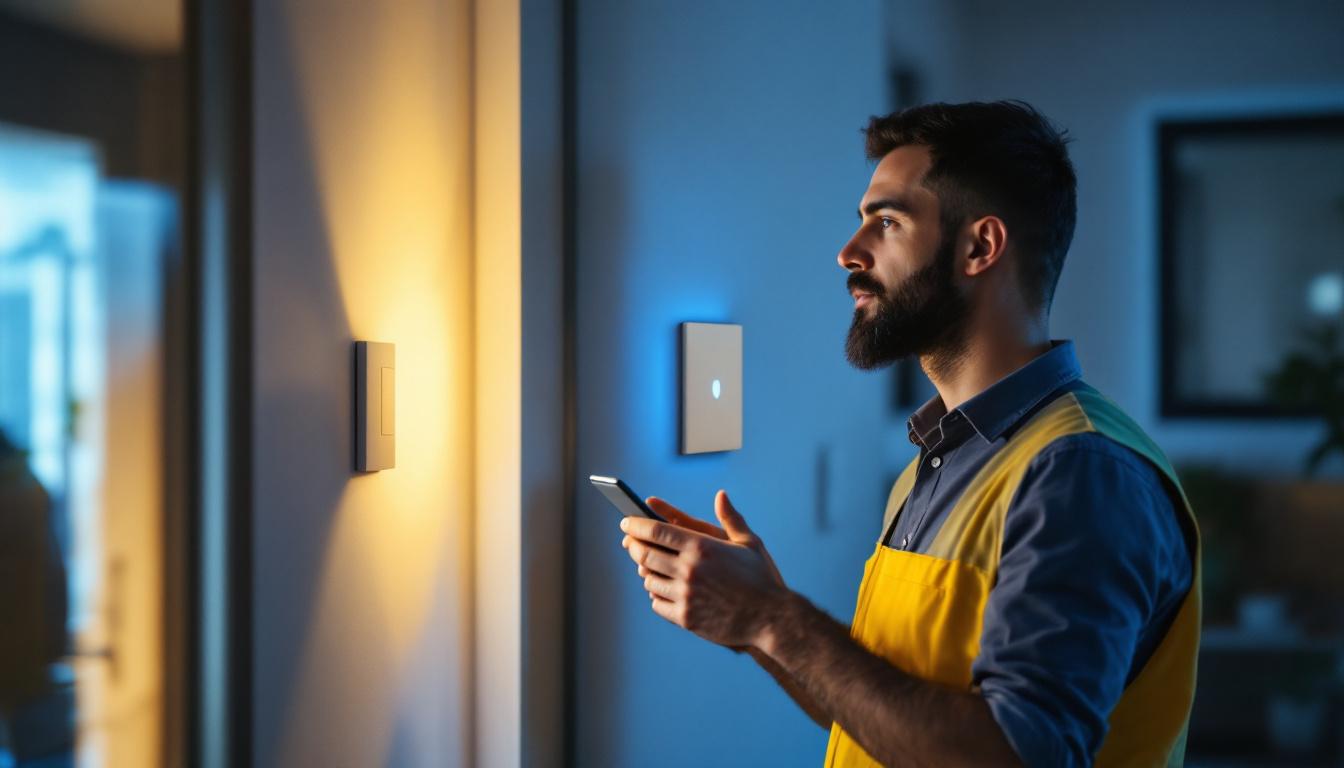
As the world of lighting continues to evolve, the integration of smart technology has become a focal point for lighting professionals. Smartswitches are at the forefront of this transformation, offering enhanced control, energy efficiency, and convenience. For lighting contractors, understanding the essentials of smartswitches is crucial for delivering top-notch service to clients. This article provides a comprehensive checklist to help lighting professionals navigate the complexities of smartswitches, ensuring successful installations and satisfied customers.
Understanding Smartswitches
Smartswitches are advanced devices that allow users to control their lighting systems remotely or through automation. These switches can be integrated into home networks, enabling users to manage their lighting via smartphones, tablets, or voice-activated assistants. The rise of the Internet of Things (IoT) has significantly contributed to the popularity of smartswitches, making them a vital component in modern lighting design. With the ability to create customized lighting scenes and adjust brightness levels on the fly, smartswitches not only enhance convenience but also contribute to energy savings by allowing users to turn off lights remotely or set them to operate only when needed.
Types of Smartswitches
There are several types of smartswitches available in the market, each designed to cater to different needs and preferences. Understanding these types is essential for lighting professionals to recommend the best solutions for their clients. As technology evolves, new features and functionalities continue to emerge, making it crucial for users to stay informed about the latest advancements in smartswitch technology.
- Wi-Fi Smartswitches: These switches connect directly to the home Wi-Fi network, allowing for easy remote control through apps. They are user-friendly and ideal for homeowners looking for straightforward solutions. Additionally, many Wi-Fi smartswitches offer cloud-based services, enabling users to access their lighting systems from anywhere in the world, thus providing peace of mind when away from home.
- Zigbee and Z-Wave Smartswitches: These switches utilize mesh networking technology, providing reliable communication between devices. They are often used in larger installations where multiple devices need to work seamlessly together. The ability to create a robust network of interconnected devices means that users can expand their smart home systems over time without sacrificing performance.
- Bluetooth Smartswitches: These are designed for localized control, allowing users to manage their lighting from a short distance. While they may not offer the same range as Wi-Fi switches, they are often more affordable and easier to install. Their simplicity makes them an excellent choice for renters or those new to smart home technology.
Key Features to Look For
When selecting smartswitches, several features can enhance user experience and functionality. Lighting professionals should consider these key attributes:
- Compatibility: Ensure that the smartswitch is compatible with various lighting types, including LED, incandescent, and fluorescent bulbs. This flexibility allows for broader application in different settings. Moreover, some smartswitches are designed to work with dimmable lights, providing users with even more control over their lighting ambiance.
- Voice Control: Many smartswitches offer integration with voice assistants like Amazon Alexa or Google Assistant. This feature adds a layer of convenience for users who prefer hands-free control. Voice commands can be particularly useful for individuals with mobility challenges, making it easier for them to manage their home environment.
- Scheduling and Automation: The ability to set schedules or automate lighting based on user habits can significantly enhance energy efficiency and user satisfaction. For example, users can program their lights to mimic their presence at home while they are away, deterring potential intruders and enhancing home security.
Installation Considerations
Proper installation is crucial for the effective functioning of smartswitches. Lighting professionals must be aware of several factors that can impact the installation process.
Wiring Requirements
Before installing a smartswitch, it is essential to assess the existing wiring. Most smartswitches require a neutral wire for proper operation, which may not be present in older homes. Understanding the wiring setup will help determine whether additional work is needed before installation. In some cases, homeowners may need to hire an electrician to update their wiring, which can involve significant time and cost. Additionally, it’s important to ensure that the circuit can handle the load of the smartswitch and any connected devices, as overloading can lead to tripped breakers or even electrical fires.
Location and Accessibility
Choosing the right location for smartswitches is vital for user convenience. Consider areas where users will frequently control their lighting, such as entryways, living rooms, or bedrooms. Accessibility to Wi-Fi signals is also important; ensure that the chosen location provides a strong connection to avoid connectivity issues. Furthermore, it’s beneficial to think about the aesthetic aspects of the installation. Positioning the smartswitch at a comfortable height and in a visually appealing manner can enhance the overall look of the space while also ensuring ease of use for all family members, including children and those with mobility challenges.
Testing Functionality
After installation, thorough testing of the smartswitches is necessary. Check all features, including remote control, scheduling, and voice commands, to ensure everything functions as intended. This step is crucial for building client trust and satisfaction. Additionally, it’s advisable to educate clients on how to utilize the various features effectively. Providing a brief tutorial or user manual can empower them to make the most of their new technology. Consider demonstrating how to set up routines or integrate the smartswitch with other smart home devices, as this can enhance the overall user experience and showcase the full potential of their investment.
Integration with Other Smart Devices
One of the significant advantages of smartswitches is their ability to integrate with other smart home devices. This integration can create a cohesive smart home ecosystem that enhances user experience.
Lighting Control Systems
Smartswitches can be integrated with advanced lighting control systems, allowing for more sophisticated lighting designs. Professionals should explore options for linking smartswitches with dimmers, color-changing bulbs, and scene-setting controls to offer clients customized lighting experiences.
Home Security Systems
Integrating smartswitches with home security systems can enhance safety and convenience. For instance, setting lights to turn on automatically when a security system is triggered can deter potential intruders. Lighting professionals should consider this integration when designing lighting solutions for clients.
Energy Management Systems
Many smartswitches offer energy monitoring features, providing users with insights into their energy consumption. Integrating these switches with energy management systems can help clients optimize their energy use, leading to cost savings and a reduced environmental footprint.
Client Education and Support
Educating clients about the features and benefits of smartswitches is essential for successful installations. Lighting professionals should be prepared to provide comprehensive support and guidance.
Demonstrating Features
During the installation process, take the time to demonstrate the smartswitch features to clients. Show them how to use the app for remote control, set schedules, and integrate with voice assistants. This hands-on approach can significantly enhance user confidence and satisfaction.
Providing Documentation
Offering clear documentation, including user manuals and troubleshooting guides, can empower clients to manage their smartswitches independently. Consider creating a quick-start guide that highlights essential functions and common troubleshooting tips.
Ongoing Support
After the installation, providing ongoing support can foster long-term relationships with clients. Be available to answer questions, address concerns, and assist with any technical issues that may arise. This commitment to customer service can set a lighting professional apart in a competitive market.
Safety and Compliance
Safety should always be a top priority when working with electrical components. Lighting professionals must adhere to safety standards and regulations to ensure secure installations.
Electrical Codes
Familiarity with local electrical codes is essential for compliance during smartswitch installations. Ensure that all work meets the required standards to avoid potential liabilities and ensure client safety.
Device Safety Features
Many smartswitches come equipped with safety features, such as surge protection and overload protection. When recommending products, consider these safety features to enhance user security and minimize risks.
Proper Training
Investing in training for installation teams can significantly improve safety and efficiency. Understanding the nuances of smartswitch technology and installation best practices can lead to better outcomes and reduced risks during the installation process.
Future Trends in Smartswitch Technology
The landscape of smartswitch technology is continually evolving, driven by advancements in IoT and consumer demand for smarter home solutions. Staying informed about future trends can help lighting professionals remain competitive.
Increased Interoperability
As the smart home market matures, interoperability between devices from different manufacturers is becoming increasingly important. Future smartswitches are likely to support a broader range of protocols, allowing for seamless integration with various smart devices.
Enhanced User Interfaces
Advancements in user interface design are expected to make smartswitches even more user-friendly. Intuitive apps and simplified controls will enhance the overall user experience, making it easier for clients to manage their lighting systems.
Focus on Sustainability
With growing awareness of environmental issues, future smartswitches may incorporate features that promote sustainability. Energy monitoring, automated energy-saving modes, and integration with renewable energy sources could become standard offerings, appealing to eco-conscious consumers.
Conclusion
Smartswitches represent a significant advancement in lighting technology, offering numerous benefits for both lighting professionals and their clients. By understanding the various types, installation considerations, integration opportunities, and future trends, lighting contractors can provide exceptional service and innovative solutions.
Utilizing this essential checklist will not only enhance the quality of installations but also foster long-lasting relationships with clients. As the demand for smart lighting solutions continues to grow, staying informed and adaptable will be key to success in the evolving landscape of lighting technology.
Illuminate Your Projects with LumenWholesale
Ready to elevate your lighting installations with the latest smartswitch technology? At LumenWholesale, we provide lighting professionals like you with the highest quality, spec-grade lighting products at unbeatable wholesale prices. Say goodbye to local distributor markups and hello to a vast selection of reliable, high-performance lighting essentials that meet the strictest industry standards. Plus, with free shipping on bulk orders, you can stock up on premium lighting solutions without worrying about hidden fees or compromises. Don’t miss out on the perfect blend of quality, affordability, and convenience. Visit LumenWholesale now for Wholesale Lighting at the Best Value and start transforming your lighting projects today.