Understanding the Importance of Future-Proofing in Lighting Projects
In the fast-evolving world of lighting technology, contractors face the challenge of designing and installing ceiling lights that not only meet current aesthetic and functional demands but also remain relevant and efficient for years to come. Future-proofing lighting projects is more than just a buzzword; it is a strategic approach that anticipates technological advancements, changing client needs, and sustainability requirements.
For lighting contractors, this means selecting fixtures and systems that offer flexibility, durability, and compatibility with emerging technologies. Future-proofing helps avoid costly retrofits and replacements, enhances client satisfaction, and positions contractors as forward-thinking professionals in a competitive market.
The Risks of Neglecting Future-Proofing
Ignoring future-proofing can lead to several issues, including outdated lighting that fails to integrate with smart home systems, increased energy costs due to inefficient fixtures, and the need for frequent maintenance or upgrades. Clients today are increasingly aware of these factors and often seek contractors who can provide solutions that stand the test of time.
Moreover, the rapid advancement of smart technology has transformed the way we interact with our living and working spaces. For instance, the integration of IoT (Internet of Things) in lighting systems allows for remote control, automation, and energy monitoring, which can significantly enhance user experience and operational efficiency. Failing to incorporate such technologies can leave contractors at a disadvantage, as clients may opt for competitors who offer more innovative solutions. Additionally, as sustainability becomes a priority for many businesses and homeowners, neglecting to future-proof can result in non-compliance with evolving regulations and standards aimed at reducing carbon footprints and promoting energy efficiency.
Furthermore, the aesthetic landscape of lighting is also shifting, with trends moving towards customizable and adaptable designs. Lighting that can change color temperature or intensity based on the time of day or activity not only enhances ambiance but also aligns with the growing demand for personalized environments. Contractors who embrace future-proofing are not just ensuring longevity in their projects; they are also tapping into a market that values innovation and adaptability, ultimately leading to more successful and profitable ventures.
Choosing Ceiling Lights with Longevity and Adaptability
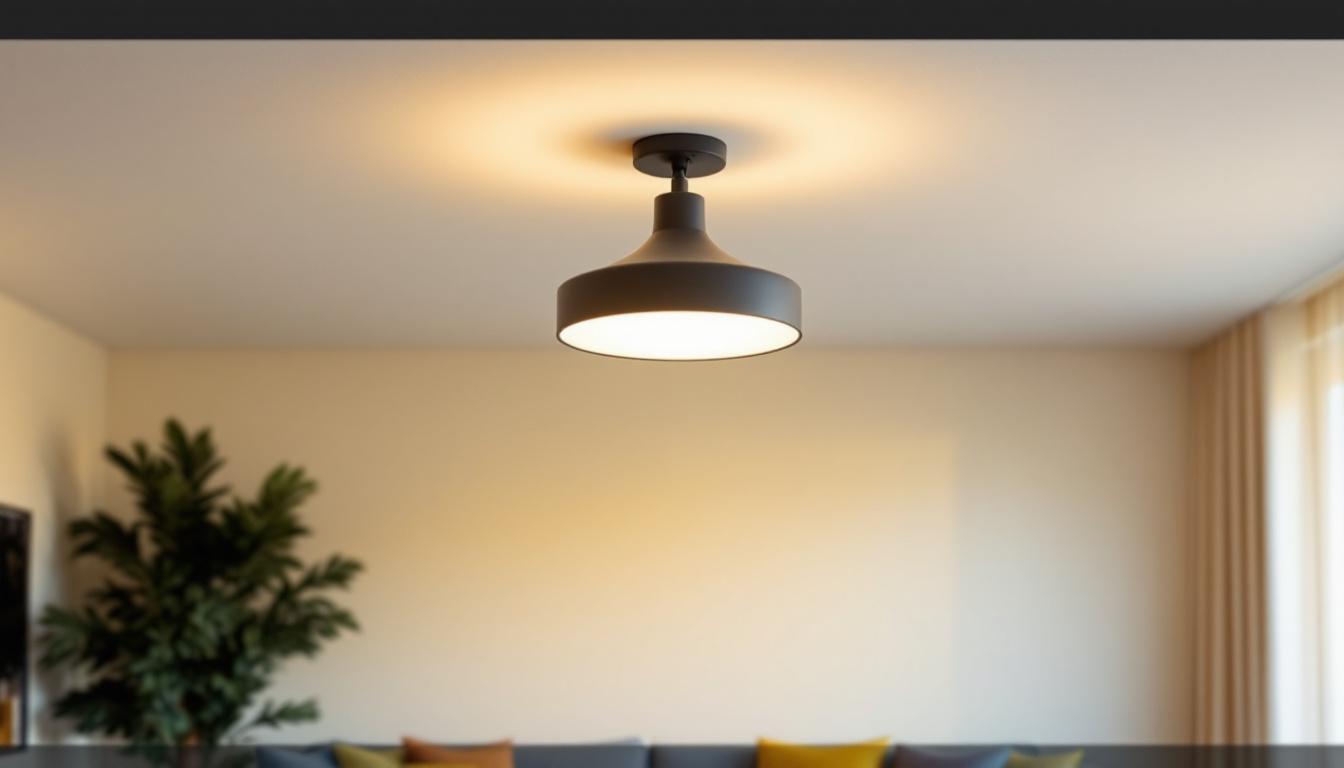
When selecting ceiling lights, contractors must balance aesthetics with functionality and future adaptability. The right choice can significantly extend the lifespan of a lighting installation and accommodate evolving technologies.
LED Technology: The Foundation of Future-Proof Lighting
LED lighting has revolutionized the industry with its energy efficiency, longevity, and versatility. Modern LEDs can last upwards of 50,000 hours, drastically reducing the frequency of replacements. Additionally, LEDs offer a wide range of color temperatures and dimming capabilities, which can be tailored to different environments and client preferences.
Moreover, many LED fixtures are designed to be compatible with smart controls and automation systems, making them ideal for future integration. Contractors should prioritize LED ceiling lights that support these features to ensure their projects remain relevant as smart home technology becomes more prevalent. The ability to control lighting through mobile apps or voice commands not only enhances convenience but also contributes to energy savings, as users can easily adjust settings based on their needs and routines.
Modular and Upgradeable Fixtures
Modularity is a key factor in future-proofing. Fixtures that allow for easy replacement of components, such as drivers or LED modules, enable upgrades without the need for complete fixture replacement. This approach not only saves costs over time but also reduces waste, aligning with growing environmental concerns.
Contractors should look for ceiling light products that offer standardized parts and clear upgrade paths. This flexibility ensures that lighting systems can evolve alongside technological innovations and client demands. Additionally, the aesthetic appeal of modular fixtures can be a selling point; they can be customized to fit various design themes, from sleek modern interiors to more traditional settings. By offering clients the option to refresh their lighting without a full overhaul, contractors can foster long-term relationships and encourage repeat business.
Furthermore, the integration of sensors and adaptive lighting systems can enhance the functionality of modular fixtures. For instance, occupancy sensors can automatically adjust brightness based on room usage, while daylight harvesting capabilities can optimize energy consumption by adjusting artificial light levels in response to natural light availability. These advancements not only improve user experience but also contribute to sustainability goals, making them an attractive option for environmentally conscious clients.
Integrating Smart Lighting Controls for Enhanced Functionality
Smart lighting controls are transforming how spaces are illuminated and managed. Incorporating these controls into ceiling lighting projects is essential for future-proofing, as they offer energy savings, convenience, and customization that traditional systems cannot match. The evolution of lighting technology has paved the way for innovative solutions that not only enhance the aesthetic appeal of a space but also contribute to a more sustainable environment. With the increasing focus on energy efficiency, smart lighting is becoming a crucial component in both residential and commercial design.
Benefits of Smart Controls
Smart lighting systems enable users to adjust brightness, color temperature, and scheduling through mobile apps, voice commands, or automated sensors. This adaptability enhances user experience and promotes energy efficiency by ensuring lights are used only when needed. For instance, motion sensors can automatically turn lights on when someone enters a room and off when they leave, significantly reducing energy waste. Furthermore, the ability to customize lighting scenes for different activities—such as reading, entertaining, or working—adds a layer of comfort and functionality that traditional lighting cannot provide.
For contractors, installing smart-ready ceiling lights can differentiate their services and meet the growing demand for connected home and commercial environments. As more clients seek to integrate smart technology into their spaces, offering smart lighting solutions positions contractors as forward-thinking professionals who understand the latest trends in home automation. Additionally, the potential for remote monitoring and control means that users can manage their lighting from anywhere, providing peace of mind and enhancing security by simulating occupancy when they are away.
Compatibility and Standards
To future-proof smart lighting installations, contractors must ensure compatibility with widely adopted communication protocols such as Zigbee, Z-Wave, or Wi-Fi. Choosing products that support open standards reduces the risk of obsolescence and facilitates integration with other smart devices. This consideration is crucial in a rapidly evolving technological landscape, where new devices and platforms emerge regularly. By selecting compatible products, contractors can help clients build a cohesive smart home ecosystem that can be easily expanded or upgraded over time.
Additionally, considering interoperability with popular smart home ecosystems like Amazon Alexa, Google Assistant, or Apple HomeKit can enhance the appeal of a lighting project to tech-savvy clients. The seamless integration of smart lighting with voice-activated assistants not only simplifies user interaction but also allows for advanced automation scenarios, such as setting the mood for a movie night with a single command. Moreover, as consumers become more aware of the benefits of smart technology, they are increasingly looking for solutions that offer both convenience and energy efficiency, making compatibility a key selling point for contractors aiming to meet this demand.
Energy Efficiency and Sustainability Considerations
Energy efficiency remains a critical factor in lighting projects, driven by environmental concerns and regulatory requirements. Future-proof ceiling lighting must prioritize sustainability without compromising design or performance.
Meeting and Exceeding Energy Codes
Lighting contractors should stay informed about current and emerging energy codes and standards, such as those related to energy consumption and indoor environmental quality. Selecting ceiling lights that not only comply but exceed these standards can future-proof installations against tightening regulations.
For example, fixtures with high lumens-per-watt ratings and advanced controls that reduce energy use during off-peak hours contribute to long-term compliance and cost savings.
Incorporating Renewable Energy Compatibility
As renewable energy sources become more common in residential and commercial settings, lighting systems that can integrate with solar panels or energy storage solutions offer additional future-proofing benefits. Contractors should consider how ceiling lighting can be optimized to work efficiently within these energy ecosystems.
Designing for Flexibility and Aesthetic Longevity
While technology and efficiency are vital, the visual appeal of ceiling lights plays a significant role in client satisfaction and project success. Future-proofing also involves anticipating changing design trends and ensuring that lighting fixtures remain attractive and functional over time.
Timeless Design Principles
Choosing ceiling lights with classic, versatile designs can help maintain aesthetic appeal despite shifting trends. Neutral finishes, clean lines, and adaptable mounting options allow fixtures to blend seamlessly with various interior styles.
Contractors should advise clients on selecting lighting that complements current décor while allowing for easy updates or enhancements as tastes evolve.
Adjustable and Multi-Functional Fixtures
Fixtures that offer adjustable beam angles, color temperatures, or multi-functional capabilities provide clients with greater control over their lighting environment. These features support changing needs, such as transitioning from task lighting to ambient lighting, without requiring new installations.
Ensuring Quality Installation and Maintenance Practices
Even the most advanced and well-designed ceiling lights can fail prematurely without proper installation and maintenance. Contractors play a crucial role in ensuring that lighting projects are executed to the highest standards to maximize longevity and performance.
Professional Installation Techniques
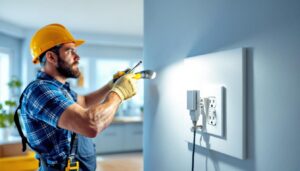
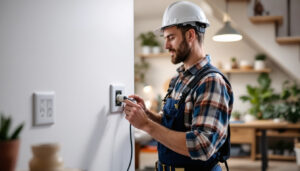
Adhering to manufacturer guidelines, using appropriate mounting hardware, and ensuring correct wiring and connections are fundamental to a successful lighting installation. Proper installation minimizes risks such as flickering, overheating, or fixture damage.
Contractors should also consider future access for maintenance or upgrades when planning fixture placement and ceiling integration.
Maintenance and Client Education
Providing clients with clear maintenance instructions and schedules helps preserve the functionality and appearance of ceiling lights. Educating clients on the benefits of periodic cleaning, timely component replacements, and smart control updates fosters long-term satisfaction.
Offering maintenance services or support can also create ongoing business opportunities for contractors.
Case Studies: Successful Future-Proof Ceiling Lighting Projects
Examining real-world examples highlights the practical benefits of future-proofing strategies in ceiling lighting installations.
Commercial Office Retrofit with Smart LED Panels
A commercial office space upgraded its outdated fluorescent ceiling lights to modular LED panels integrated with a smart control system. The new installation reduced energy consumption by over 40%, improved lighting quality, and allowed employees to customize lighting settings via their smartphones. The modular design enabled easy upgrades without replacing entire fixtures, ensuring long-term adaptability.
Residential Smart Home Integration
A high-end residential project incorporated LED ceiling lights compatible with multiple smart home platforms. The fixtures featured adjustable color temperatures and dimming capabilities, enhancing ambiance throughout the day. The system’s open protocol compatibility ensured seamless integration with future smart devices, providing homeowners with a flexible and future-ready lighting solution.
Conclusion: Embracing Future-Proofing as a Standard Practice
For lighting contractors, future-proofing ceiling lighting projects is essential to delivering value, sustainability, and client satisfaction in an ever-changing technological landscape. By selecting adaptable LED fixtures, integrating smart controls, prioritizing energy efficiency, and adhering to quality installation standards, contractors can ensure their projects remain relevant and efficient for years to come.
Embracing these principles not only enhances project outcomes but also positions contractors as leaders in innovation and sustainability within the lighting industry.
Illuminate Your Projects with LumenWholesale
Ready to elevate your lighting projects and secure your reputation as a forward-thinking contractor? Look no further than LumenWholesale for a vast array of spec-grade ceiling lights designed to future-proof any space. Our commitment to quality and affordability ensures you receive the best value on the market, with the added convenience of free shipping on bulk orders. Don’t let inflated markups dim your project’s potential. Choose LumenWholesale and experience the ideal combination of performance, price, and service. Start transforming your lighting projects today by visiting Wholesale Lighting at the Best Value.