Understanding the Unique Challenges of Freezer Lighting
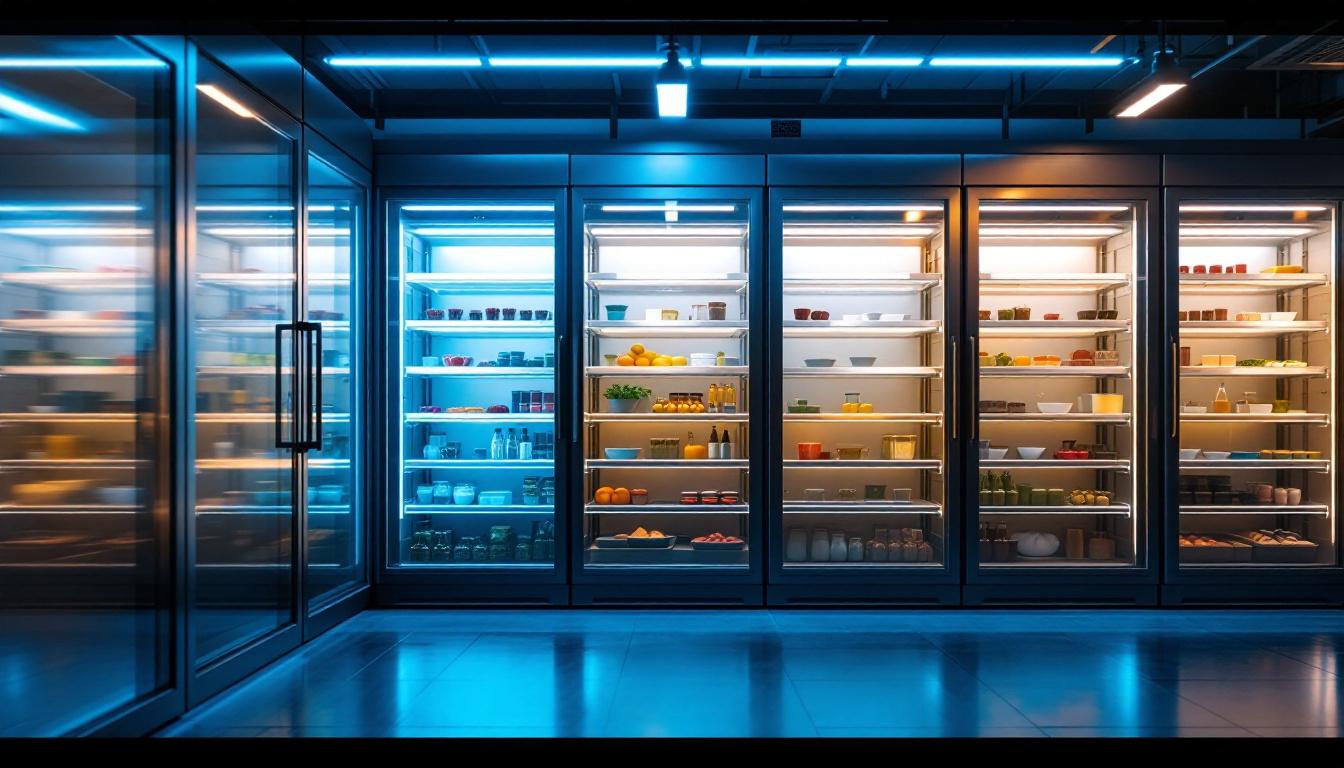
Lighting contractors face a distinctive set of challenges when working with freezer environments. Unlike typical indoor spaces, freezers require lighting solutions that can withstand extreme cold, resist moisture, and maintain performance over time. The low temperatures can cause standard lighting fixtures to fail prematurely, while condensation and frost can obscure illumination and damage electrical components. This necessitates a careful selection of materials and technologies that are specifically designed for such harsh conditions, ensuring that the lighting remains functional and effective even in the most demanding environments.
Moreover, energy efficiency is critical in freezer settings. Lighting contributes to heat generation, which can increase refrigeration loads and operational costs. Contractors must balance brightness, durability, and energy consumption to optimize both visibility and efficiency. Understanding these factors is essential for selecting and installing the right lighting systems that meet safety, regulatory, and operational standards. Additionally, the choice of color temperature can influence the perceived brightness and safety within these spaces, making it vital for contractors to consider how different lighting hues can impact worker productivity and product visibility.
Temperature and Environmental Considerations
Freezer lighting must operate reliably at temperatures often well below freezing, sometimes as low as -30°F or lower. Materials used in fixtures need to resist becoming brittle or cracking under these conditions. Additionally, the presence of moisture, ice buildup, and potential exposure to cleaning chemicals necessitates fixtures with appropriate IP (Ingress Protection) ratings, typically IP65 or higher. The design of these fixtures must also account for the potential for ice accumulation on surfaces, which can further impede light output and visibility.
Lighting contractors must also consider the thermal expansion and contraction of materials, which can affect fixture seals and wiring integrity over time. Using components specifically rated for cold storage environments ensures longevity and reduces maintenance costs. Furthermore, the installation process itself can pose challenges, as contractors must navigate tight spaces and ensure that all fixtures are securely mounted to withstand the rigors of a freezer environment. Proper training and experience in these specialized installations can greatly enhance the effectiveness and safety of the lighting systems implemented.
Energy Efficiency and Heat Management
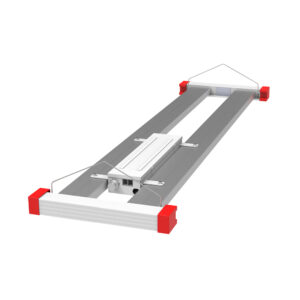
Traditional lighting sources, such as incandescent or halogen bulbs, generate significant heat, which is counterproductive in freezer settings. LED technology has become the industry standard due to its low heat output, high energy efficiency, and long lifespan. LEDs reduce the refrigeration load by minimizing heat emission, leading to operational savings. The adaptability of LED fixtures also allows for various configurations, including linear and panel styles, which can be tailored to fit the specific layout and operational needs of the freezer.
Contractors should also be aware of lighting controls such as motion sensors and dimmers that can further reduce energy consumption without compromising safety or visibility. These systems can be integrated with building management systems (BMS) for enhanced control and monitoring. Additionally, implementing smart lighting solutions can provide real-time data on energy usage and maintenance needs, allowing for proactive adjustments that enhance both performance and cost-effectiveness. By leveraging advanced technologies, contractors can ensure that freezer lighting not only meets the immediate needs of visibility and safety but also aligns with broader sustainability goals.
Top Resources for Selecting Freezer Lighting Solutions
Lighting contractors seeking to master freezer lighting must leverage a variety of resources to stay informed about the latest technologies, best practices, and regulatory requirements. The following resources provide comprehensive information and guidance tailored to cold storage lighting applications.
Industry Standards and Guidelines
One of the most critical resources is the array of industry standards that govern lighting in cold storage environments. Organizations such as the Illuminating Engineering Society (IES) publish detailed guidelines on recommended light levels, fixture types, and installation practices for freezer and refrigerated spaces.
Additionally, compliance with electrical codes, such as the National Electrical Code (NEC) and local regulations, ensures safety and legal adherence. Contractors should familiarize themselves with sections related to hazardous locations, moisture resistance, and temperature ratings. Understanding these standards not only helps in ensuring safety but also enhances the efficiency of lighting systems, which can lead to significant energy savings in the long run.
Manufacturer Technical Documentation
Leading lighting manufacturers provide detailed technical specifications, installation manuals, and case studies specifically for freezer lighting products. These documents are invaluable for understanding product capabilities, limitations, and compatibility with various freezer environments.
Many manufacturers also offer training webinars and certification programs that help contractors deepen their expertise. Engaging with these resources allows contractors to recommend the most suitable fixtures and accessories confidently. Furthermore, staying updated with the latest product innovations, such as LED advancements and smart lighting controls, can significantly enhance the functionality and energy efficiency of freezer lighting systems.
Professional Associations and Training Programs
Joining professional associations such as the National Association of Electrical Contractors (NAEC) or the International Association of Lighting Designers (IALD) grants access to specialized training, networking opportunities, and industry insights. These organizations often host conferences and workshops focused on emerging technologies and installation techniques.
Continuing education through accredited courses ensures contractors remain current with evolving standards and innovations in freezer lighting. This investment in knowledge translates to higher quality installations and increased client trust. Additionally, participation in these professional networks can lead to collaborative projects and partnerships that enhance a contractor’s portfolio and reputation in the industry.
Moreover, many associations provide access to research publications and white papers that delve into the latest trends and case studies in freezer lighting. These resources can serve as a valuable reference for contractors looking to implement cutting-edge solutions that not only meet but exceed client expectations, ultimately positioning them as leaders in the field of cold storage lighting.
Practical Tools and Techniques for Installation and Maintenance
Beyond theoretical knowledge, mastering freezer lighting requires hands-on skills and the right tools. Effective installation and maintenance practices extend fixture lifespan and optimize performance in challenging cold storage environments. Understanding the unique challenges posed by extreme temperatures is essential for ensuring that lighting systems operate efficiently and reliably.
Specialized Installation Equipment
Handling lighting fixtures in freezing temperatures demands tools designed for precision and safety. Insulated gloves, non-conductive tools, and moisture-resistant wiring are essential to protect both the installer and the equipment. In addition, using tools specifically designed for cold environments, such as heated screwdrivers or battery-operated drills that function well in low temperatures, can significantly enhance the installation process.
Contractors should also utilize thermal imaging cameras to detect heat loss or electrical issues within freezer lighting systems. These devices help identify problems early, preventing costly downtime and repairs. Furthermore, employing laser distance meters can ensure accurate measurements when positioning fixtures, which is particularly important in large freezer units where precise alignment can affect overall lighting efficiency.
Preventative Maintenance Strategies
Regular inspection and maintenance are vital to ensure freezer lighting continues to function optimally. Contractors should establish maintenance schedules that include cleaning fixtures to remove frost or ice buildup, checking seals and gaskets, and verifying electrical connections. It is also beneficial to keep a log of maintenance activities, which can help track performance trends and identify recurring issues that may need more in-depth investigation.
Implementing remote monitoring solutions can provide real-time data on fixture performance and energy usage. This proactive approach enables timely interventions and reduces the risk of unexpected failures. Additionally, integrating smart technology that allows for automated alerts when performance dips can enhance operational efficiency and ensure that any lighting issues are addressed before they impact productivity.
Installation Best Practices
Proper fixture placement is crucial for maximizing illumination and minimizing shadows in freezer spaces. Lighting contractors should follow recommended mounting heights and spacing guidelines to achieve uniform light distribution. Furthermore, conducting a lighting audit prior to installation can help identify specific areas that require more attention, ensuring that all critical zones are well-lit for safety and operational efficiency.
Additionally, wiring methods must account for thermal contraction and expansion, using flexible conduits and strain reliefs to prevent damage. Ensuring all components are rated for low temperatures and moisture exposure is a non-negotiable aspect of a successful installation. Using high-quality, durable materials not only enhances safety but also reduces the likelihood of future maintenance issues, creating a more reliable lighting system that withstands the rigors of cold storage environments.
Emerging Trends and Innovations in Freezer Lighting
The freezer lighting landscape is continually evolving, driven by advances in technology and growing demands for sustainability and operational efficiency. Staying abreast of these trends enables contractors to offer cutting-edge solutions to their clients.
Smart Lighting Systems
Integration of smart lighting controls with Internet of Things (IoT) technology is transforming freezer lighting. These systems allow remote monitoring, automated adjustments based on occupancy or ambient light, and predictive maintenance alerts.
Smart lighting not only enhances energy savings but also improves safety by ensuring optimal illumination at all times. Contractors proficient in these technologies can differentiate their services and add significant value to projects.
Advanced LED Technologies
Recent developments in LED technology include improved color rendering, higher lumen output per watt, and enhanced durability. Specialized coatings and encapsulation methods increase resistance to moisture and corrosion, extending fixture life in freezer conditions.
Contractors should evaluate new LED products for their efficacy in cold environments, focusing on metrics such as lumen maintenance, color temperature stability, and warranty terms.
Sustainability and Regulatory Pressure
Environmental regulations increasingly influence lighting choices in commercial refrigeration. Energy codes and sustainability certifications encourage the adoption of low-impact lighting solutions that reduce carbon footprints.
Contractors who understand these regulatory frameworks can guide clients toward compliant and future-proof lighting designs, fostering long-term partnerships and industry leadership.
Conclusion: Building Expertise in Freezer Lighting
Mastering freezer lighting requires a blend of technical knowledge, practical skills, and continuous learning. Lighting contractors who invest in understanding the unique demands of cold storage environments and leverage top resources can deliver superior solutions that enhance safety, efficiency, and durability.
By staying informed about industry standards, utilizing manufacturer resources, adopting advanced tools, and embracing emerging technologies, contractors position themselves as trusted experts in this specialized field. Ultimately, excellence in freezer lighting translates to satisfied clients, reduced operational costs, and a competitive edge in the lighting industry.
Get Your Freezer Lighting Solutions at LumenWholesale
Ready to elevate your freezer lighting installations with products that promise safety, efficiency, and durability? Look no further than LumenWholesale for a comprehensive range of spec-grade lighting solutions tailored to the unique challenges of cold storage environments. Our commitment to quality and affordability ensures you have access to the best lighting products at wholesale prices, with the convenience of free shipping on bulk orders. Don’t compromise on performance or cost—choose LumenWholesale for your next project and experience the perfect blend of quality, affordability, and convenience. Wholesale Lighting at the Best Value is just a click away.