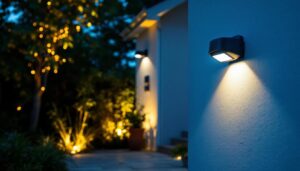
In the lighting industry, precision and control are paramount. One of the most effective tools for managing light output and direction is the light shield. For lighting contractors, understanding how to select, install, and maintain light shields can greatly enhance project outcomes, improve client satisfaction, and ensure compliance with lighting regulations. This article provides practical, expert tips tailored specifically for lighting contractors looking to optimize their use of light shields in various applications.
Understanding the Role of Light Shields in Lighting Projects
Light shields are devices designed to control the spread and intensity of light emitted from fixtures. They serve multiple purposes, including reducing glare, preventing light trespass, and enhancing the aesthetic appeal of lighting installations. For contractors, mastering the use of light shields means delivering projects that meet both functional and regulatory standards.
One key reason light shields are indispensable is their ability to improve energy efficiency. By directing light precisely where it’s needed, shields minimize wasted illumination, which can reduce energy consumption and lower operational costs. This is particularly important in commercial and municipal projects where energy savings are a priority. Moreover, as sustainability becomes increasingly vital in modern design, the integration of light shields can significantly contribute to a project’s overall green credentials, appealing to environmentally conscious clients and stakeholders.
Types of Light Shields and Their Applications
There are several varieties of light shields, each suited for different scenarios:
- Flat shields: Simple, flat panels that block light in a specific direction, commonly used to prevent glare from streetlights or floodlights.
- Full cutoff shields: Designed to prevent any light from escaping above the horizontal plane, essential for dark-sky compliance and reducing light pollution.
- Visors and louvers: These provide directional control and glare reduction, often used in parking lots and outdoor sports facilities.
- Custom shields: Tailored solutions for unique architectural or landscape lighting challenges.
Choosing the right type depends on the fixture, installation environment, and project goals. For instance, in urban settings where light pollution is a growing concern, full cutoff shields are increasingly mandated by local regulations to protect nocturnal wildlife and enhance the visibility of stars in the night sky. On the other hand, visors and louvers are particularly beneficial in spaces where human activity is prevalent, as they help create a more comfortable and visually appealing environment. Additionally, advancements in materials and technologies have led to the development of innovative light shields that not only serve functional purposes but also integrate seamlessly with the overall design aesthetic of a space, allowing for creative expression while maintaining performance standards.
Installation Best Practices for Lighting Contractors
Proper installation of light shields is critical to their effectiveness. Even the best shield can fail to perform if installed incorrectly. Here are some quick tips to ensure optimal installation:
Assess the Site and Lighting Requirements
Before installation, conduct a thorough site analysis. Identify areas where light spill or glare could cause issues, such as residential windows, roadways, or sensitive wildlife habitats. Understanding the environment helps in selecting the appropriate shield type and placement. Additionally, consider the time of day and seasonal changes that may affect light distribution. For instance, trees that are bare in winter may allow more light spill than during the summer months when they are fully leafed. This comprehensive assessment will not only enhance the shield’s effectiveness but also contribute to a more sustainable lighting solution that respects the surrounding ecosystem.
Follow Manufacturer Guidelines Closely
Manufacturers provide detailed instructions for installing light shields to maximize performance and durability. Adhering to these guidelines prevents common problems such as misalignment or inadequate attachment, which can compromise shield effectiveness. It’s also beneficial to familiarize yourself with any specific tools or techniques recommended by the manufacturer, as these can significantly impact the installation process. For example, some shields may require specific angles or mounting heights to achieve optimal light control. Taking the time to understand these nuances can lead to a more efficient installation and better long-term results.
Ensure Secure Mounting and Alignment
Light shields must be firmly attached to withstand weather conditions and vibrations. Use corrosion-resistant hardware and double-check alignment to ensure the shield blocks light in the intended direction without interfering with fixture operation. In addition, consider the potential for future maintenance; ensure that the mounting system allows for easy access to the fixtures behind the shields. This foresight can save time and effort down the line, especially in installations that may require periodic adjustments or bulb replacements. Properly securing and aligning the shields not only enhances their functionality but also contributes to the overall safety of the lighting installation.
Coordinate with Other Trades
Lighting projects often involve multiple contractors. Coordinate with electricians, architects, and landscape professionals to ensure that the light shields integrate seamlessly with other elements and do not obstruct maintenance access or violate design aesthetics. Effective communication is key; hold regular meetings to discuss project timelines and any potential conflicts that may arise. This collaboration can lead to innovative solutions that enhance the overall design and functionality of the lighting system. Moreover, involving all stakeholders early in the process can help identify any regulatory requirements or local codes that must be adhered to, ensuring a smoother installation experience and compliance with community standards.
Maintenance and Troubleshooting Tips
Maintaining light shields is essential for long-term performance. Over time, environmental factors such as dust, debris, and weathering can reduce their effectiveness. Regular upkeep ensures that these shields continue to provide optimal protection against unwanted light interference, which is particularly important in settings where precision lighting is crucial, such as in photography studios or theatrical productions.
Regular Cleaning and Inspection
Schedule routine cleaning to remove dirt and grime that can scatter light and diminish shielding capability. Inspections should check for physical damage, corrosion, or loose fittings. Early detection of issues prevents costly repairs or replacements. Additionally, consider using specialized cleaning solutions that are safe for the materials of your light shields, as harsh chemicals can sometimes cause more harm than good. Keeping a log of maintenance activities can also help track the condition of your equipment over time, allowing for better planning of future maintenance tasks.
Addressing Common Problems
Contractors often encounter challenges such as light leaks, glare complaints, or shield misalignment. Troubleshooting involves:
- Reassessing shield placement and orientation to ensure proper coverage.
- Replacing damaged or worn shields promptly.
- Upgrading to more effective shield designs if persistent issues arise.
Effective troubleshooting not only improves lighting quality but also strengthens client trust and project reputation. In addition to these common issues, it’s important to stay informed about advancements in lighting technology and materials. Newer shield designs may offer enhanced durability or improved light diffusion properties, which can significantly enhance the overall effectiveness of your lighting setup. Furthermore, engaging with clients to understand their specific needs and preferences can lead to more tailored solutions, ultimately resulting in greater satisfaction and repeat business.
Regulatory Compliance and Environmental Considerations
Light pollution and energy efficiency regulations are increasingly influencing lighting design and installation. Lighting contractors must be well-versed in these requirements to avoid penalties and contribute to sustainable practices. As the demand for eco-friendly solutions grows, understanding the nuances of these regulations becomes paramount for contractors aiming to stay competitive in the market.
Adhering to Dark Sky Standards
Many municipalities enforce dark sky ordinances that limit upward light emission to protect nocturnal environments and reduce skyglow. Full cutoff light shields are often mandatory in these areas. Contractors should familiarize themselves with local codes and incorporate compliant shields accordingly. This not only helps in adhering to regulations but also fosters a sense of community responsibility, as residents increasingly value the preservation of natural nightscapes. By engaging with local advocacy groups focused on dark sky initiatives, contractors can also gain insights into best practices and innovative solutions that enhance compliance while promoting community awareness.
Energy Codes and Certification Programs
Energy codes such as ASHRAE and programs like LEED emphasize efficient lighting design. Proper use of light shields can help projects earn credits by minimizing energy waste and light trespass. Documenting shield specifications and installation details supports certification efforts. Furthermore, staying informed about upcoming changes in energy codes can provide contractors with a competitive edge, allowing them to propose cutting-edge solutions that align with future regulations. Collaborating with engineers and architects during the design phase can also lead to more integrated approaches that maximize energy efficiency while meeting aesthetic and functional requirements.
Environmental Impact and Community Relations
Beyond compliance, responsible use of light shields demonstrates environmental stewardship. Minimizing glare and light pollution enhances neighborhood relations and protects wildlife habitats, especially in sensitive or rural areas. The impact of artificial lighting on local ecosystems is profound, affecting everything from migratory patterns of birds to the reproductive cycles of nocturnal animals. By actively promoting the benefits of thoughtful lighting design, contractors can position themselves as leaders in sustainable practices, fostering goodwill among community members who prioritize ecological preservation. Additionally, hosting workshops or informational sessions can further educate the public on the importance of reducing light pollution, thereby strengthening community ties and enhancing the contractor’s reputation as a responsible business partner.
Innovations and Trends in Light Shield Technology
Advancements in materials and design are expanding the capabilities of light shields. Staying updated on these trends enables lighting contractors to offer cutting-edge solutions that improve project outcomes.
Lightweight and Durable Materials
Modern shields utilize advanced polymers and composites that resist corrosion, UV degradation, and impact damage. These materials reduce maintenance needs and extend service life, offering better value to clients.
Adjustable and Modular Shield Designs
New designs feature adjustable components that allow contractors to fine-tune light direction on-site without replacing the entire shield. Modular systems enable easy upgrades and customization for diverse project requirements.
Integration with Smart Lighting Systems
As smart lighting gains traction, some light shields are designed to work seamlessly with sensors and controls. This integration supports dynamic light management, further enhancing energy efficiency and user experience.
Final Thoughts for Lighting Contractors
Light shields are more than just accessories; they are essential tools that enable lighting contractors to deliver precise, compliant, and high-quality lighting solutions. By understanding the types of shields available, mastering installation techniques, prioritizing maintenance, and staying informed about regulations and innovations, contractors can elevate their craft and provide lasting value to clients.
Investing time and expertise in light shields not only improves project performance but also positions contractors as knowledgeable professionals committed to excellence and sustainability in the lighting industry.
Illuminate Your Projects with LumenWholesale
Ready to enhance your lighting projects with the highest quality light shields? At LumenWholesale, we offer an unparalleled selection of spec-grade lighting products at wholesale prices that simply can’t be beaten. Say goodbye to middleman markups and hello to superior lighting solutions that meet rigorous industry standards. With our commitment to reliability and performance, you can confidently tackle any project, knowing you have the best tools at your disposal. Plus, with free shipping on bulk orders, you’re guaranteed to get the most value for your investment. Don’t compromise on quality or price. Discover wholesale lighting at the best value today and light up your work with LumenWholesale.