Introduction to the Evolving Landscape of Lighting
The lighting industry has undergone a remarkable transformation over recent years, driven by rapid advancements in technology, increasing energy efficiency demands, and evolving aesthetic preferences. For lighting contractors, staying abreast of these changes is not just beneficial—it’s essential to remain competitive and deliver cutting-edge solutions to clients.
From traditional incandescent bulbs to sophisticated smart lighting systems, the future of lighting design and installation promises to be both exciting and challenging. This article explores the trends, technologies, and best practices lighting contractors need to understand to thrive in this dynamic environment.
One of the most significant shifts in the industry has been the rise of LED technology, which has revolutionized not only the way we illuminate spaces but also how we think about energy consumption. LEDs are known for their longevity and efficiency, consuming up to 80% less energy than traditional lighting options. This transition not only reduces electricity bills for consumers but also contributes to a more sustainable future by lowering carbon footprints. As a result, lighting contractors are increasingly tasked with educating clients on the long-term benefits of LED installations, including potential rebates and incentives offered by utility companies for energy-efficient upgrades.
Moreover, the integration of smart technology into lighting systems has opened up a new realm of possibilities for both residential and commercial spaces. Smart lighting solutions allow users to control their lighting remotely through smartphones or voice-activated devices, enabling personalized settings that enhance comfort and convenience. Features such as automated dimming, color temperature adjustments, and scheduling capabilities are becoming standard expectations among clients. This shift not only enhances user experience but also presents an opportunity for contractors to offer tailored solutions that meet specific client needs, further solidifying their role as trusted advisors in the lighting landscape.
Emerging Technologies Shaping Lighting Design
LED Innovations and Beyond
Light Emitting Diode (LED) technology has revolutionized lighting by offering unprecedented energy efficiency, longevity, and design flexibility. Modern LEDs consume up to 80% less energy than traditional incandescent bulbs while providing superior brightness and color rendering. Their lifespan, often exceeding 50,000 hours, drastically reduces maintenance costs and replacement frequency.
Beyond standard LEDs, advances such as miniaturized LEDs and organic LEDs (OLEDs) are opening new possibilities. OLED panels, for example, provide diffuse, uniform lighting that can be integrated into walls, ceilings, and even furniture, creating immersive environments that were previously unattainable. The thin and flexible nature of OLEDs allows for innovative applications such as lighting that can be seamlessly integrated into textiles or used in architectural features, enhancing aesthetic appeal while maintaining functionality. Furthermore, the development of quantum dot technology is pushing the boundaries of color accuracy and vibrancy in LED lighting, making it an exciting time for designers to explore these advancements.
Smart Lighting Systems
Smart lighting is no longer a futuristic concept but a mainstream reality. These systems allow for remote control, automation, and customization of lighting through mobile apps, voice commands, or integrated building management systems. Features such as adaptive brightness, color tuning, and occupancy sensing enhance both energy savings and user experience. The integration of artificial intelligence into smart lighting systems is also on the rise, enabling lights to learn user preferences and adjust automatically, creating a truly personalized environment.
For contractors, installing smart lighting requires familiarity with IoT protocols, network integration, and cybersecurity considerations. The ability to offer clients tailored solutions that integrate with other smart home or commercial building systems is becoming a key differentiator in the marketplace. As more consumers prioritize sustainability and energy efficiency, contractors who can demonstrate the benefits of smart lighting systems, such as reduced energy bills and enhanced convenience, will likely find increased demand for their services. Additionally, the potential for smart lighting to contribute to data collection and analytics in commercial spaces presents a new avenue for innovation and value creation.
Human-Centric Lighting
Human-centric lighting (HCL) focuses on aligning artificial light with natural circadian rhythms to improve health, mood, and productivity. By adjusting color temperature and intensity throughout the day, HCL systems can mimic natural sunlight patterns, supporting better sleep cycles and overall well-being. Research has shown that exposure to the right type of light at the right time can significantly affect cognitive function and emotional health, making HCL an essential consideration in modern lighting design.
Incorporating HCL principles into lighting design is gaining traction in offices, healthcare facilities, and educational institutions. Lighting contractors who understand how to implement these systems effectively can offer significant value to clients concerned with occupant wellness. Moreover, as the conversation around mental health and workplace productivity continues to grow, the demand for environments that support well-being through thoughtful lighting design is likely to increase. This trend not only enhances the quality of life for occupants but also positions businesses as progressive and caring employers, further influencing their bottom line. As research continues to evolve, the integration of HCL into everyday spaces will undoubtedly become a standard practice in the lighting industry.
Design Trends Influencing Installation Practices
Minimalist and Integrated Lighting
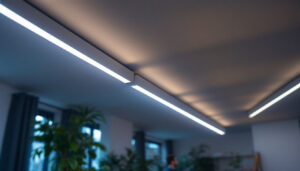
Contemporary lighting design favors minimalism, with fixtures that blend seamlessly into architectural elements. Recessed lighting, cove lighting, and linear LED strips are popular choices that provide both function and subtlety. This trend demands precision in installation to ensure clean lines and concealed wiring.
Integrated lighting solutions also extend to multifunctional fixtures that combine illumination with other features such as speakers, sensors, or air purification. Contractors must adapt to installing complex systems that require coordination with other trades like HVAC and audio-visual specialists.
Sustainability and Eco-Friendly Materials
Environmental responsibility is becoming a core consideration in lighting design. Clients increasingly seek products made from recyclable or biodegradable materials, as well as fixtures designed for easy disassembly and recycling. Energy-efficient lighting combined with sustainable manufacturing practices aligns with broader green building certifications such as LEED and WELL.
Lighting contractors can enhance their marketability by sourcing eco-friendly products and advising clients on sustainable lighting strategies. This includes recommending daylight harvesting systems that adjust artificial lighting based on natural light availability, further reducing energy consumption.
Customization and Personalization
Personalized lighting experiences are in high demand, especially in residential and hospitality sectors. Customizable color schemes, dynamic scenes, and programmable schedules allow users to tailor lighting to their preferences and activities. This trend requires contractors to be proficient in configuring software and hardware to meet diverse client needs.
Moreover, bespoke fixture designs and finishes enable unique aesthetic statements, often requiring collaboration with designers and manufacturers. Contractors who can manage these custom projects from specification to installation will find opportunities for premium service offerings.
Installation Challenges and Best Practices
Complexity of Modern Systems
The sophistication of today’s lighting systems introduces new complexities in installation. Integrating smart controls, sensors, and network connectivity demands a higher level of technical expertise. Contractors must stay current with training and certifications to ensure proper system functionality and reliability.
Additionally, troubleshooting interconnected systems requires a methodical approach and familiarity with diagnostic tools. Investing in ongoing education and leveraging manufacturer support can mitigate installation risks and enhance client satisfaction.
Coordination with Other Trades
Lighting installation rarely occurs in isolation. Successful projects often depend on seamless collaboration with electricians, architects, interior designers, and IT professionals. Early involvement in project planning helps avoid conflicts and ensures that lighting infrastructure supports overall building systems.
Effective communication and project management skills are vital. Contractors should establish clear protocols for scheduling, documentation, and quality control to maintain timelines and budgets.
Safety and Compliance
Adhering to safety standards and electrical codes is non-negotiable in lighting installation. With the integration of low-voltage and high-voltage components, contractors must be vigilant about proper wiring, grounding, and protection measures.
Compliance with local regulations, energy codes, and certification requirements not only protects workers and occupants but also ensures eligibility for incentives and rebates. Staying informed about evolving standards is critical for maintaining professional credibility.
The Business Implications for Lighting Contractors
Market Opportunities and Client Expectations
The demand for energy-efficient, smart, and human-centric lighting solutions is expanding across residential, commercial, and industrial sectors. Lighting contractors who embrace innovation can tap into new markets and differentiate themselves from competitors.
Clients increasingly expect contractors to provide consultative services, guiding them through complex product choices and system integrations. Offering comprehensive solutions—from design consultation to post-installation support—builds trust and fosters long-term relationships.
Leveraging Digital Tools and Analytics
Digital tools such as Building Information Modeling (BIM), lighting simulation software, and project management platforms are transforming how contractors plan and execute installations. These technologies improve accuracy, reduce errors, and enhance collaboration.
Moreover, data analytics from smart lighting systems can provide insights into energy consumption patterns and maintenance needs. Contractors who can interpret and communicate these analytics add value by helping clients optimize their lighting investments.
Training and Workforce Development
As lighting technology evolves, so must the skills of the installation workforce. Continuous training programs, certifications, and hands-on experience with emerging products are essential to maintain technical proficiency.
Contractors should invest in workforce development to build teams capable of handling advanced installations and troubleshooting complex systems. This investment not only improves service quality but also enhances safety and reduces liability.
Conclusion: Illuminating the Path Forward
The future of lighting design and installation is bright, driven by technological innovation, sustainability imperatives, and changing user expectations. For lighting contractors, embracing these trends and challenges is key to unlocking new opportunities and delivering exceptional value to clients.
By mastering advanced technologies, adopting best practices in design and installation, and investing in continuous learning, contractors can position themselves as leaders in a rapidly evolving industry. The journey ahead promises not only brighter spaces but also smarter, healthier, and more sustainable environments for all.
Illuminate Your Projects with LumenWholesale
As you embrace the future of lighting design and installation, choose LumenWholesale for your lighting needs. Our commitment to providing contractors with spec-grade lighting products at wholesale prices ensures that your projects shine without breaking the bank. With our direct-to-contractor approach, you’ll enjoy superior lighting products without the inflated markups often found at local distributors. Our extensive selection not only meets but exceeds industry standards, guaranteeing reliable and high-performance lighting for any project. Plus, with the convenience of free shipping on bulk orders, you can trust that you’re getting the best value—every time. Elevate your lighting installations with the quality, affordability, and convenience of Wholesale Lighting at the Best Value from LumenWholesale.