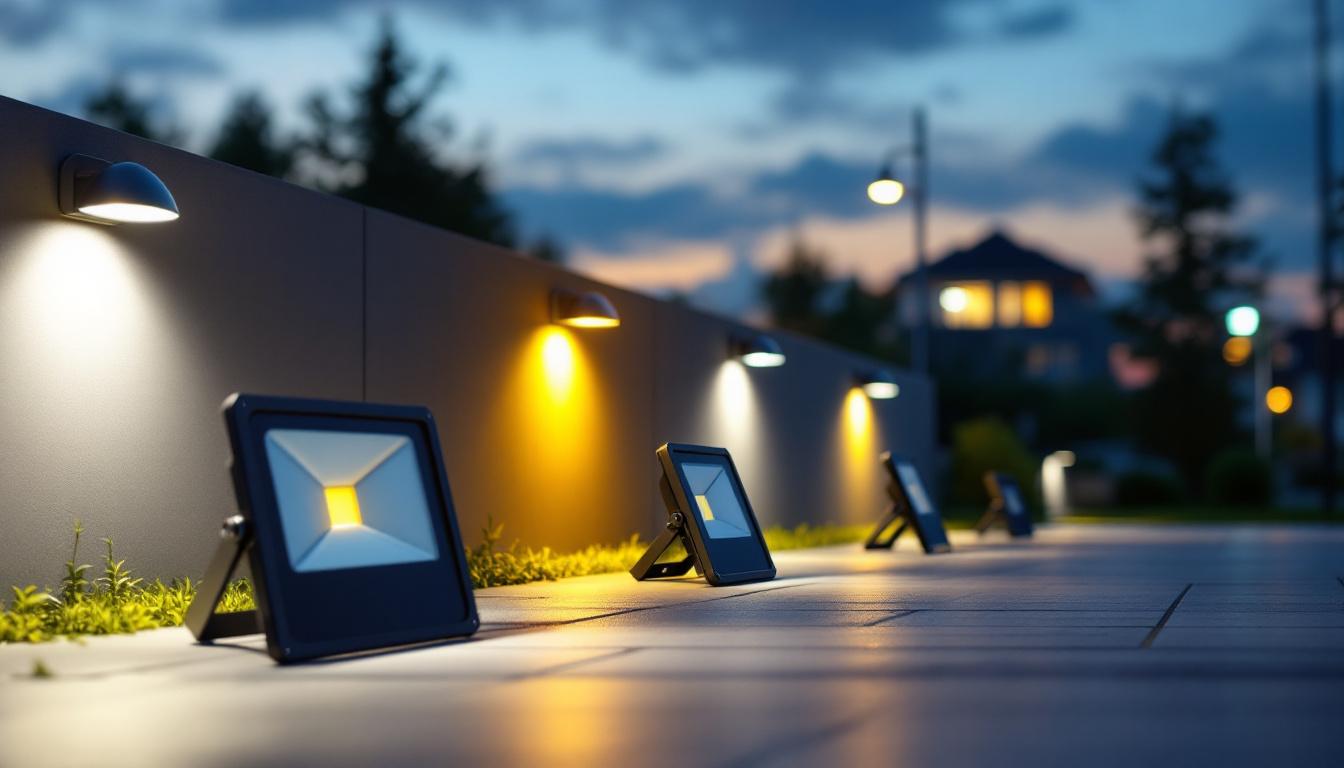
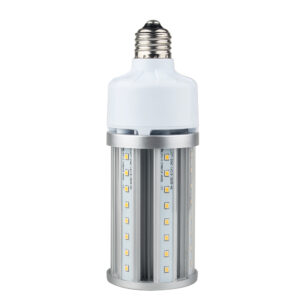
Flood lights play a crucial role in outdoor lighting solutions, providing visibility and security for various applications. For lighting contractors, understanding the intricacies of flood light housing is essential for delivering quality installations that meet client expectations. This comprehensive guide will delve into the various aspects of flood light housing, including materials, designs, installation techniques, and maintenance tips, ensuring that contractors are well-equipped to tackle any project.
Understanding Flood Light Housing
Flood light housing serves as the protective shell for the light fixture and its components. It is designed to withstand environmental conditions while ensuring optimal performance. The choice of housing can significantly affect the longevity and efficiency of the flood light, making it imperative for contractors to select the right type for each application.
Key Functions of Flood Light Housing
The primary function of flood light housing is to protect the internal components from external elements such as moisture, dust, and physical impacts. Additionally, it plays a role in heat dissipation, helping to maintain the optimal operating temperature of the light fixture. A well-designed housing can also enhance the aesthetic appeal of the light, blending seamlessly with the surrounding environment. Furthermore, effective housing design can contribute to energy efficiency by ensuring that the light is directed where it is needed most, reducing wasted light and improving overall illumination quality.
Types of Flood Light Housing Materials
Various materials are used in flood light housing, each offering distinct advantages and disadvantages. The most common materials include:
- Aluminum: Lightweight and corrosion-resistant, aluminum is a popular choice for flood light housing. It provides excellent heat dissipation and can be easily molded into different shapes. Its natural resistance to rust makes it ideal for outdoor applications, ensuring longevity even in harsh weather conditions.
- Steel: Steel housing is known for its durability and strength. While it can be heavier than aluminum, it offers superior resistance to physical impacts and is often used in high-security applications. Additionally, steel can be treated with various coatings to enhance its corrosion resistance, making it suitable for a range of environments.
- Polycarbonate: This plastic material is highly resistant to impact and UV radiation. Polycarbonate housing is lightweight and can be molded into complex shapes, making it suitable for various designs. Its transparency allows for maximum light output, while its durability ensures that it can withstand the rigors of outdoor use.
Choosing the Right Housing for Your Project
When selecting flood light housing, contractors must consider several factors, including the environment, intended use, and aesthetic preferences. For instance, coastal areas may require corrosion-resistant materials, while industrial settings might prioritize impact resistance. Understanding the specific requirements of each project will ensure the selection of the most appropriate housing. Additionally, it is essential to consider the wattage and type of light source being used, as these factors can influence the design and material choice for the housing. Properly matching the housing to the light source will not only enhance performance but also extend the lifespan of the fixture, ultimately leading to cost savings over time.
Moreover, energy efficiency standards are becoming increasingly important in the selection process. Many regions have regulations that dictate the minimum efficiency levels for outdoor lighting, which can influence the choice of housing materials and designs. By opting for flood light housings that support LED technology, contractors can provide solutions that not only meet these standards but also reduce energy consumption and lower utility bills for end-users. This consideration is vital in today’s environmentally conscious market, where sustainability and energy efficiency are paramount.
Design Considerations for Flood Light Housing
The design of flood light housing is not merely about aesthetics; it also impacts functionality and performance. A well-thought-out design can enhance light distribution, reduce glare, and improve energy efficiency. The choice of materials and construction techniques can significantly influence these factors, leading to a product that not only performs well but also stands the test of time against environmental elements.
Light Distribution and Beam Angle
Different applications may require specific beam angles to achieve optimal light distribution. Flood light housing should be designed to accommodate the desired beam angle, ensuring that the light is directed where it is needed most. For example, wide beam angles are ideal for illuminating large areas, while narrow beam angles are better suited for focused lighting tasks. Additionally, the use of reflectors and lenses can further enhance the effectiveness of light distribution, allowing for adjustments based on the specific needs of the space being illuminated. Understanding the intended use—whether for sports fields, parking lots, or architectural highlights—can guide the selection of the appropriate beam angle and distribution method.
Ventilation and Heat Management
Effective heat management is crucial for the longevity of flood lights. Housing designs should incorporate ventilation features that allow for proper airflow, preventing overheating. This can be achieved through the use of heat sinks, vents, or other cooling mechanisms, ensuring that the light operates efficiently and maintains its lifespan. Furthermore, the choice of LED technology plays a significant role in heat generation; LEDs are generally more efficient and produce less heat compared to traditional lighting sources. Therefore, integrating advanced thermal management solutions can lead to reduced energy consumption and lower operational costs over time, making it an essential aspect of modern flood light design.
Aesthetic Integration
In many cases, flood lights are installed in visible areas, making aesthetic integration an important consideration. Contractors should choose designs that complement the surrounding architecture and landscape. Customizable options, such as color finishes and shapes, can help achieve a harmonious look while maintaining functionality. Additionally, the trend towards smart lighting solutions has led to the development of flood lights that can be controlled remotely or programmed for various settings. This not only enhances the visual appeal but also allows for greater flexibility in how spaces are illuminated, adapting to different events or times of day. The integration of smart technology can also improve energy efficiency by allowing users to optimize lighting levels based on real-time needs, further enhancing the overall design of flood light housing.
Installation Techniques for Flood Light Housing
Proper installation of flood light housing is essential for ensuring optimal performance and safety. Contractors should follow best practices to guarantee that the fixtures are securely mounted and positioned correctly.
Mounting Options
Flood lights can be mounted in various ways, including wall mounting, pole mounting, and ground mounting. Each method has its advantages and is suitable for different applications. For instance, wall-mounted fixtures are ideal for illuminating building facades, while pole-mounted lights are commonly used for parking lots and sports fields.
Wiring and Electrical Connections
Electrical connections must be made with care to ensure safety and compliance with local codes. Contractors should use appropriate wiring materials and follow guidelines for grounding and circuit protection. Proper sealing of electrical connections is also crucial to prevent moisture ingress, which can lead to failure.
Testing and Adjustments
After installation, it is vital to test the flood lights to ensure they function correctly. This includes checking the light output, beam angle, and any adjustable features. Making necessary adjustments during the installation phase can save time and resources in the long run.
Maintenance of Flood Light Housing
Regular maintenance is key to prolonging the life of flood lights and ensuring they continue to perform effectively. Contractors should establish a maintenance schedule that includes inspections, cleaning, and necessary repairs.
Routine Inspections
Conducting routine inspections of flood light housing helps identify potential issues before they escalate. This includes checking for signs of corrosion, damage, or wear. Inspecting the seals and gaskets is also crucial to ensure that moisture does not enter the housing.
Cleaning and Upkeep
Keeping flood light housing clean is essential for maintaining optimal light output. Dust, dirt, and debris can accumulate on the surface, reducing the effectiveness of the light. Contractors should recommend cleaning schedules to clients, emphasizing the importance of using appropriate cleaning materials that do not damage the housing.
Addressing Repairs
If any issues are identified during inspections, prompt repairs should be made to prevent further damage. This may involve replacing damaged components, resealing gaskets, or even replacing the entire housing if necessary. Keeping a stock of common replacement parts can expedite the repair process.
Innovations in Flood Light Housing
The lighting industry is continually evolving, with new technologies and materials emerging to improve flood light housing. Staying informed about these innovations can help contractors offer the best solutions to their clients.
Smart Lighting Integration
Smart lighting technology is becoming increasingly popular, allowing for remote control and automation of flood lights. Integrating smart features into flood light housing can enhance functionality, enabling users to adjust settings based on their needs. This technology can also improve energy efficiency by allowing for dimming and scheduling.
Eco-Friendly Materials
As sustainability becomes a priority in the construction industry, eco-friendly materials are gaining traction in flood light housing design. Contractors should explore options such as recycled aluminum and sustainable plastics, which can reduce the environmental impact of lighting installations.
Enhanced Durability Features
Advancements in material science have led to the development of more durable housing options. Innovations such as impact-resistant coatings and weatherproof designs can significantly extend the lifespan of flood lights, making them suitable for even the harshest environments.
Conclusion
Flood light housing is a vital component of outdoor lighting solutions, influencing both performance and aesthetics. For lighting contractors, understanding the various aspects of flood light housing—from materials and designs to installation and maintenance—is essential for delivering high-quality results. By staying informed about innovations and best practices, contractors can ensure that their projects meet client expectations and stand the test of time.
As the demand for effective outdoor lighting continues to grow, so does the importance of knowledgeable contractors who can navigate the complexities of flood light housing. By applying the insights provided in this handbook, lighting professionals can enhance their expertise and deliver exceptional lighting solutions that illuminate spaces safely and effectively.
Illuminate with Confidence
Ready to elevate your lighting projects with the best in flood light housing? Look no further than LumenWholesale, where we provide contractors with superior, spec-grade lighting products at unbeatable wholesale prices. Our commitment to quality and affordability ensures that you have access to the most reliable and high-performance lighting solutions for any project. With free shipping on bulk orders, LumenWholesale is your go-to source for premium lighting without the hidden fees or compromises. Don’t let middleman markups dim your potential; choose LumenWholesale for the perfect blend of quality, affordability, and convenience. Wholesale Lighting at the Best Value is just a click away.