LED Lights For Porch: Common Mistakes Lighting Contractors Make
As the demand for energy-efficient lighting solutions continues to rise, LED lights have become a popular choice for porch lighting. However, many lighting contractors make common mistakes that can affect the overall effectiveness and aesthetic appeal of LED installations. Understanding these pitfalls is crucial for delivering high-quality results that meet client expectations. This article explores the common mistakes made by lighting contractors when working with LED lights for porches and offers insights on how to avoid them.
Understanding LED Technology
Before delving into the common mistakes, it is essential to have a solid understanding of LED technology. Unlike traditional incandescent bulbs, LEDs (Light Emitting Diodes) offer numerous advantages, including longer lifespans, lower energy consumption, and reduced heat output. However, these benefits can only be realized if the lights are installed and used correctly. The efficiency of LEDs not only contributes to lower electricity bills but also plays a significant role in reducing carbon footprints, making them an environmentally friendly choice. As technology advances, the versatility of LEDs continues to expand, allowing for innovative applications in both residential and commercial settings.
Misjudging Brightness Levels
One of the most frequent errors made by lighting contractors is misjudging the brightness levels required for porch lighting. LED lights come with varying lumen outputs, and selecting the wrong brightness can lead to insufficient or overwhelming illumination. This miscalculation can detract from the functionality of the space, making it either too dim for safety or too bright for comfort.
To avoid this mistake, contractors should assess the specific needs of the porch area. Consider factors such as the size of the porch, the height of the ceiling, and the intended use of the space. Conducting a lighting calculation can help determine the appropriate lumen output needed for optimal brightness. Additionally, it can be beneficial to incorporate dimmable LED options, allowing homeowners to adjust the light intensity according to different activities or times of day, creating a more adaptable and inviting environment.
Ignoring Color Temperature
Color temperature is another critical aspect that is often overlooked. LEDs are available in a range of color temperatures, measured in Kelvin (K), which can significantly influence the ambiance of a porch. A common mistake is using a color temperature that does not align with the desired mood or style of the home.
For instance, a warm white light (around 2700K) creates a cozy and inviting atmosphere, while a cooler white light (above 4000K) can feel harsh and unwelcoming. It is vital for contractors to discuss color temperature options with clients and select the appropriate lighting that enhances the overall aesthetic of the porch. Furthermore, understanding the impact of color rendering index (CRI) can also elevate the design; a higher CRI ensures that colors appear more vibrant and true to life, enhancing the visual appeal of the space. By carefully considering both color temperature and CRI, contractors can create a harmonious lighting scheme that complements the architectural features and landscaping of the home.
Installation Errors
Proper installation is crucial for the performance and longevity of LED lights. Unfortunately, several common installation errors can lead to subpar results. Understanding these pitfalls can help contractors improve their installation practices.
Improper Placement of Fixtures
One of the most significant mistakes is the improper placement of lighting fixtures. Fixtures that are too far apart can create dark spots, while those that are too close can cause glare and discomfort. The placement should be strategic to ensure even illumination throughout the porch area.
Contractors should consider the layout of the porch, including any architectural features that may affect lighting. For example, if there are steps or seating areas, additional lighting may be necessary to ensure safety and functionality. A well-thought-out lighting plan will enhance both the usability and aesthetic appeal of the porch. Additionally, it is beneficial to take into account the time of day and the activities that will occur on the porch. For instance, if the space is frequently used for evening gatherings, softer, ambient lighting may be preferred, while task-oriented areas, such as cooking or reading nooks, might require brighter, more focused illumination.
Neglecting Weather Resistance
Porch lighting is often exposed to the elements, making weather resistance a crucial factor. A common mistake is installing fixtures that are not rated for outdoor use. This can lead to premature failures and costly replacements.
When selecting LED fixtures, it is essential to choose those that are specifically designed for outdoor environments. Look for fixtures with appropriate IP (Ingress Protection) ratings that indicate their resistance to water and dust. This attention to detail will ensure that the lighting remains functional and visually appealing over time. Furthermore, contractors should also consider the materials used in the fixtures; corrosion-resistant metals or durable plastics can significantly extend the lifespan of outdoor lighting. Regular maintenance checks can also help identify any wear and tear caused by weather exposure, allowing for timely repairs before more significant issues arise.
Electrical Considerations
Electrical considerations play a vital role in the successful installation of LED lights. Neglecting these aspects can lead to safety hazards and performance issues. Here are some common electrical mistakes to avoid.
Overloading Circuits
LED lights are known for their energy efficiency, but that does not mean contractors can ignore circuit limitations. Overloading circuits by connecting too many fixtures can lead to tripped breakers and potential fire hazards. It is essential to calculate the total wattage of all connected fixtures and ensure it does not exceed the circuit’s capacity.
Contractors should also consider the type of dimmers used, as not all dimmers are compatible with LED technology. Using incompatible dimmers can result in flickering, buzzing, or even damage to the LED lights. Properly assessing the electrical setup will ensure a safe and reliable lighting system.
Neglecting Wiring Quality
The quality of wiring used in the installation is another critical factor that is often overlooked. Using subpar wiring can lead to voltage drops, which may affect the performance of LED lights. It is essential to use high-quality, outdoor-rated wiring that can withstand environmental conditions.
Additionally, proper connections should be made to prevent loose wiring, which can cause flickering or complete failure of the lights. Taking the time to ensure quality wiring will contribute to the longevity and reliability of the lighting system.
Client Communication and Expectations
Effective communication with clients is vital in any lighting project. However, many contractors fail to set clear expectations, leading to dissatisfaction and misunderstandings. Here are some common communication mistakes to avoid.
Failing to Discuss Budget Constraints
One of the most significant oversights is not discussing budget constraints with clients upfront. LED lighting solutions can vary widely in price, and failing to establish a budget can lead to recommendations that exceed the client’s financial limits.
Contractors should have an open dialogue about budgetary constraints from the beginning. This transparency will help in selecting appropriate fixtures and solutions that align with the client’s expectations while avoiding any surprises later in the project.
Not Providing Maintenance Guidance
LED lights can last for years, but they still require some maintenance to ensure optimal performance. A common mistake is not providing clients with guidance on how to care for their new lighting system. This oversight can lead to premature failures or diminished performance over time.
Contractors should take the time to educate clients on basic maintenance practices, such as cleaning fixtures and checking for any signs of wear or damage. Providing this information not only enhances client satisfaction but also establishes the contractor as a knowledgeable and reliable professional.
Design Aesthetics and Integration
Design aesthetics play a crucial role in the overall success of a porch lighting project. However, many contractors overlook the importance of integrating lighting design with the architectural style of the home. Here are some common design-related mistakes to avoid.
Ignoring Architectural Features
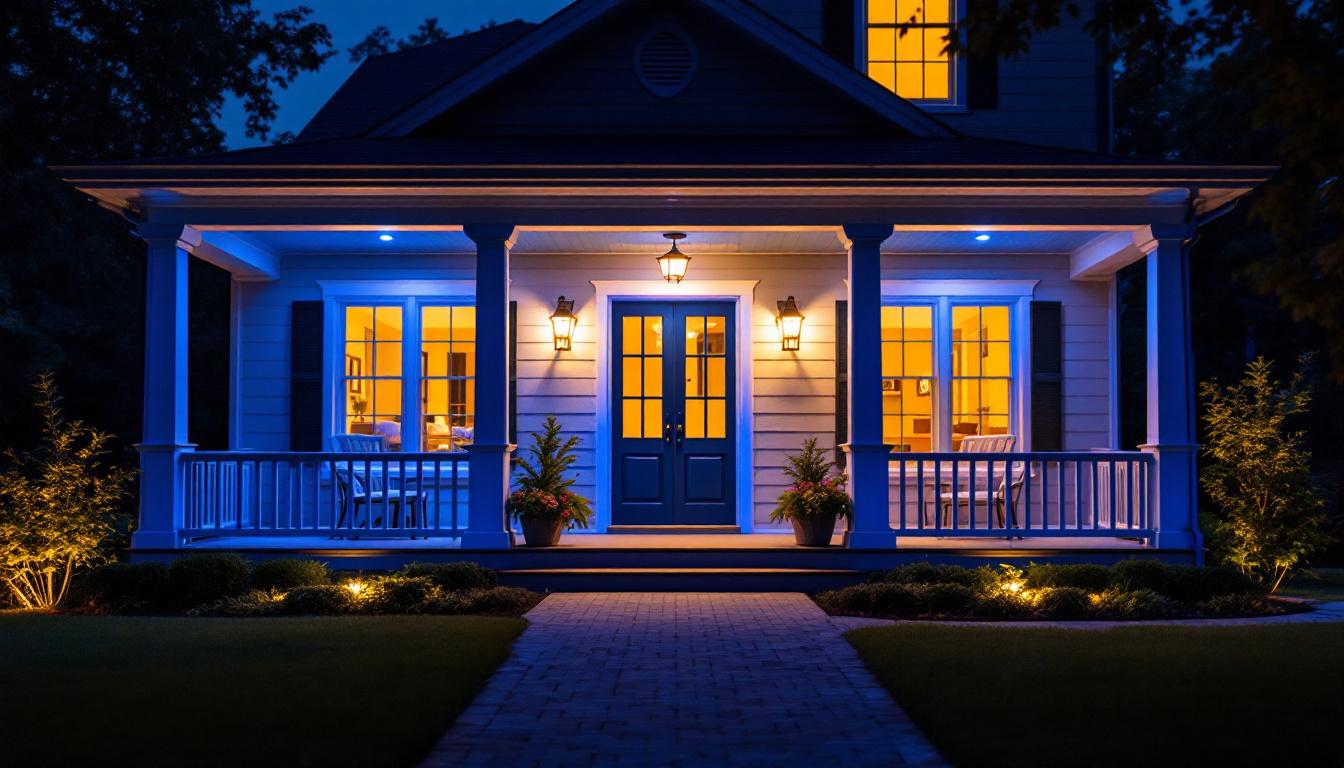
Every porch has unique architectural features that can be highlighted with the right lighting. A common mistake is ignoring these elements during the design phase. For instance, if a porch has decorative columns or intricate railings, strategically placed LED lights can enhance these features and add depth to the overall design.
Contractors should take the time to assess the architectural details of the porch and consider how lighting can enhance these elements. This approach will not only improve the aesthetics but also create a more inviting atmosphere for homeowners and guests alike.
Overlooking Landscape Integration
In addition to architectural features, the surrounding landscape should also be considered when designing porch lighting. Failing to integrate landscape lighting can result in a disjointed appearance and diminish the overall impact of the porch area.
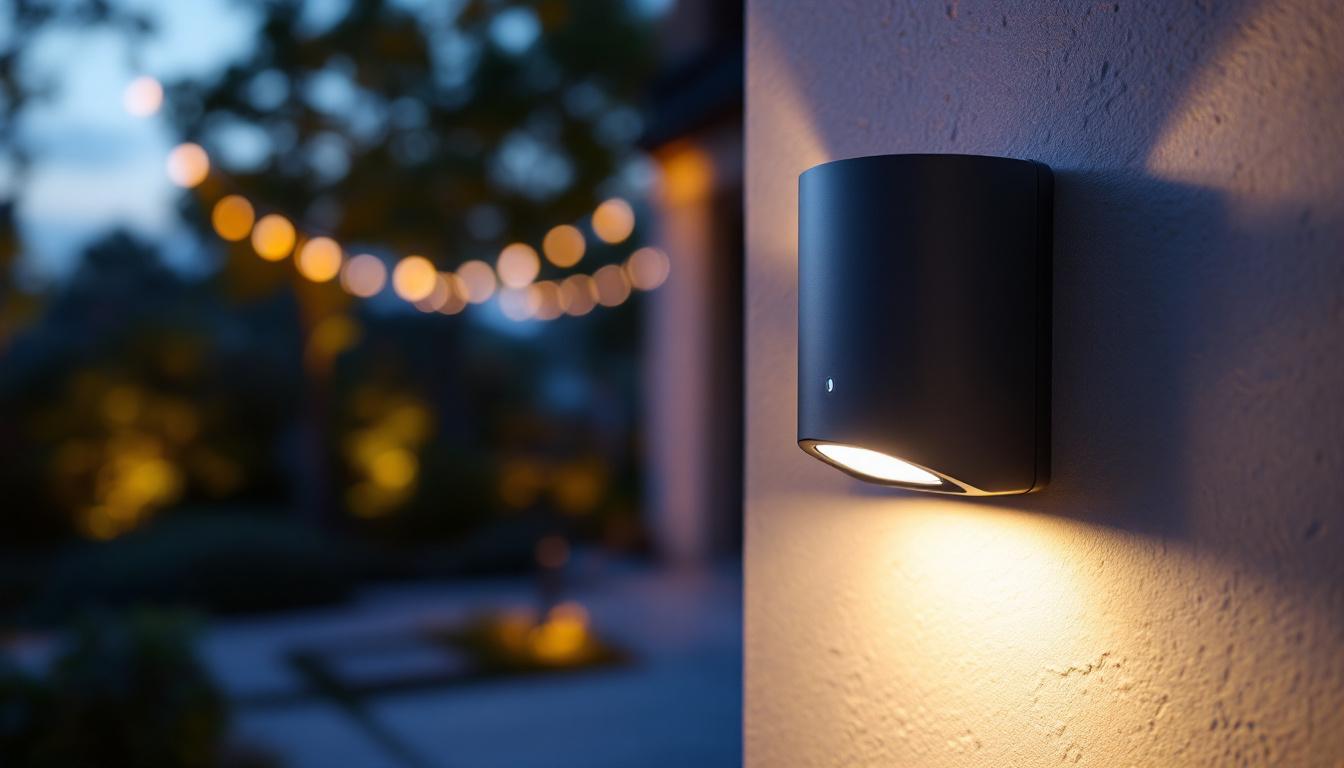
Contractors should explore options for landscape lighting that complements the porch lights. This can include path lights, accent lights for plants, or even wall-mounted fixtures that highlight the exterior of the home. A cohesive lighting design will create a harmonious outdoor space that enhances the overall appeal of the property.
Final Thoughts
LED lights offer an excellent solution for porch lighting, providing energy efficiency and longevity. However, avoiding common mistakes is crucial for ensuring successful installations that meet client expectations. By understanding LED technology, focusing on proper installation, considering electrical aspects, maintaining effective communication, and integrating design aesthetics, lighting contractors can elevate their projects to new heights.
Ultimately, the goal is to create a well-lit, inviting porch that enhances the overall beauty and functionality of the home. By learning from past mistakes and implementing best practices, contractors can build a reputation for excellence in LED lighting installations.
Upgrade Your Porch Lighting with LumenWholesale
Don’t let common mistakes compromise your porch lighting projects. At LumenWholesale, we provide lighting contractors with the highest quality LED solutions that promise to transform any porch into a welcoming and beautifully lit space. Our spec-grade lighting products come at unbeatable wholesale prices, ensuring you get the best value without the middleman markups. With our extensive selection that meets rigorous industry standards, you can trust in the reliability and performance of every light you install. Plus, with free shipping on bulk orders, you can stock up on premium lighting effortlessly and cost-effectively. Elevate your lighting installations and delight your clients by choosing Wholesale Lighting at the Best Value with LumenWholesale.