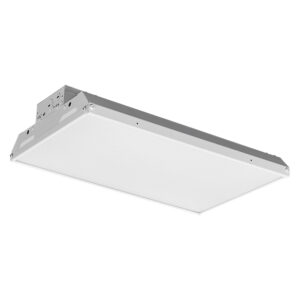
In the realm of agricultural and industrial spaces, barn lighting plays a crucial role in enhancing productivity and ensuring safety. For lighting contractors, understanding the compliance requirements associated with barn industrial lighting is vital. This article delves into the essential aspects of compliance, the types of lighting suitable for barns, and the best practices for installation and maintenance.
Understanding Compliance in Barn Lighting
Compliance in barn lighting is not merely a matter of aesthetics; it encompasses a range of regulations and standards that ensure safety, efficiency, and functionality. Lighting contractors must familiarize themselves with these requirements to provide safe and compliant installations. Proper lighting not only enhances visibility but also plays a crucial role in the well-being of livestock and the productivity of agricultural operations. For instance, inadequate lighting can lead to stress in animals, affecting their health and growth rates, which ultimately impacts farm profitability.
Regulatory Standards
Various regulatory bodies govern the standards for lighting in industrial and agricultural settings. The Occupational Safety and Health Administration (OSHA) sets forth guidelines that dictate minimum lighting levels for different work environments. Additionally, the National Electrical Code (NEC) outlines safety standards that must be adhered to during installation. These standards are designed to minimize risks associated with electrical hazards, ensuring that lighting systems are installed safely and function effectively in demanding environments.
Understanding these regulations is essential for contractors, as non-compliance can lead to serious safety hazards and potential legal repercussions. It is advisable to stay updated with any changes to these regulations to ensure that installations meet current standards. Furthermore, many states and municipalities have adopted their own versions of these codes, which may include additional stipulations regarding energy efficiency and sustainability practices. Contractors should be prepared to integrate energy-efficient lighting solutions, such as LED systems, which not only comply with regulations but also offer long-term cost savings through reduced energy consumption.
Local Codes and Ordinances
In addition to national standards, local codes and ordinances may impose specific requirements for barn lighting. These can vary significantly depending on the location and type of agricultural operation. Contractors should consult with local authorities to understand any additional regulations that may apply. For example, some regions may have restrictions on light pollution and require that lighting be directed in a manner that minimizes glare and disruption to neighboring properties and wildlife.
Engaging with local building inspectors early in the project can help identify any potential compliance issues before installation begins. This proactive approach can save time and resources in the long run. Additionally, understanding the local agricultural practices and the specific needs of the farm can guide contractors in selecting the most appropriate lighting solutions. For instance, barns that house poultry may require different lighting conditions compared to those used for dairy cattle, as each species has unique behavioral and physiological responses to light. By tailoring lighting designs to these specific needs while remaining compliant with regulations, contractors can enhance both the functionality of the barn and the welfare of the animals housed within it.
Types of Lighting Suitable for Barns
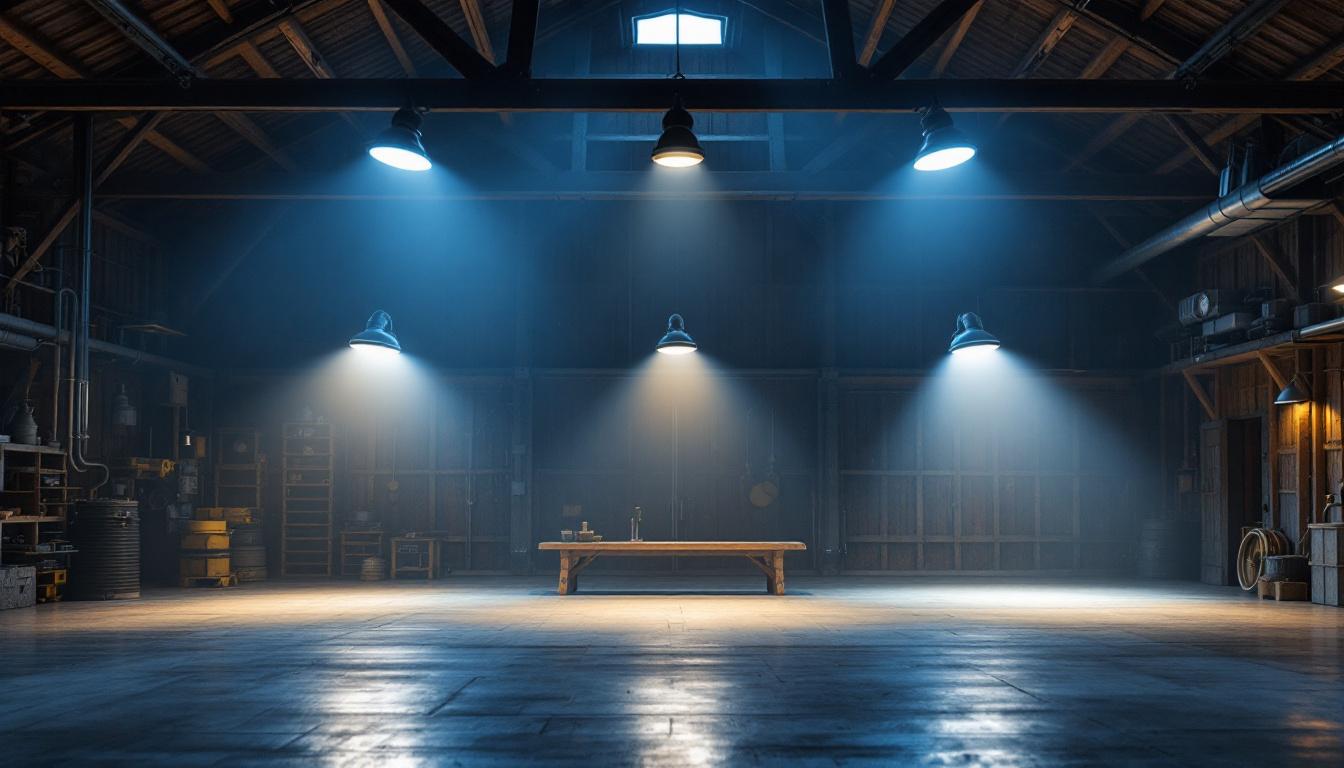
Choosing the right type of lighting is critical for barns, as it affects both functionality and compliance. Various lighting options are available, each with its unique advantages and considerations.
LED Lighting
LED lighting has become the preferred choice for barn lighting due to its energy efficiency and longevity. These lights consume significantly less energy than traditional incandescent or fluorescent bulbs, leading to reduced electricity costs over time. Moreover, LEDs have a longer lifespan, which means less frequent replacements and lower maintenance costs.
In terms of compliance, many LED products are designed to meet or exceed regulatory standards, making them a safe choice for contractors. Additionally, their ability to provide bright, even illumination enhances visibility, which is crucial in a barn environment. The versatility of LED lighting also allows for various configurations, such as dimmable options or color-changing capabilities, which can be tailored to specific tasks or times of day, further enhancing the barn’s functionality.
Fluorescent Lighting
Fluorescent lighting is another option that has been widely used in agricultural settings. While not as energy-efficient as LEDs, fluorescent lights still offer a good balance of performance and cost. They provide ample illumination and can be found in various color temperatures, which can affect the ambiance of the barn.
However, it is essential to consider the potential for flickering and the need for ballast maintenance when using fluorescent fixtures. Ensuring that these lights comply with safety standards is crucial for contractor installations. Furthermore, the installation of motion sensors or timers can optimize energy use, ensuring that lights are only on when necessary, which can be particularly beneficial in barns with varying occupancy levels throughout the day.
High-Intensity Discharge (HID) Lighting
HID lighting, including metal halide and high-pressure sodium lamps, is often used in larger barns or areas requiring high levels of illumination. These lights are known for their brightness and are effective for illuminating large spaces.
However, contractors should be aware that HID lights generally require more energy and have a shorter lifespan compared to LED options. Compliance with energy efficiency standards is essential when considering HID lighting for barn installations. Additionally, the warm-up time for HID lamps can be a drawback, as they may not provide immediate illumination when turned on, which could be inconvenient in situations requiring quick access to light. To mitigate this issue, some barns may benefit from a combination of lighting types, using HID for general illumination while incorporating LEDs in specific areas for instant brightness and energy savings.
Best Practices for Installation
Proper installation of barn lighting is crucial for ensuring compliance and maximizing the effectiveness of the lighting system. Lighting contractors should adhere to best practices to achieve optimal results.
Conducting a Lighting Audit
Before installation, conducting a thorough lighting audit is essential. This process involves assessing the barn’s layout, identifying areas that require illumination, and determining the appropriate lighting levels based on the tasks performed in each area.
A lighting audit helps to create a tailored lighting plan that meets both compliance requirements and the specific needs of the barn. It also allows contractors to identify any potential challenges that may arise during installation, ensuring a smoother process. Additionally, the audit can reveal existing lighting inefficiencies, such as outdated fixtures or inadequate coverage, which can be addressed to improve overall functionality and reduce energy costs. By engaging with barn operators during the audit, contractors can gain insights into the daily operations and specific lighting needs, leading to a more effective and user-friendly lighting design.
Utilizing Proper Fixtures
Choosing the right fixtures is critical for ensuring compliance and functionality. Fixtures should be rated for the specific environment they will be installed in, particularly in areas that may be exposed to moisture or dust.
Contractors should also consider the mounting height and orientation of fixtures to ensure even illumination throughout the space. Properly positioned fixtures can help eliminate shadows and dark spots, enhancing safety and productivity. Furthermore, selecting energy-efficient LED fixtures can provide long-term cost savings and reduce maintenance efforts, as they typically have a longer lifespan compared to traditional lighting options. It’s also worth noting that the color temperature of the fixtures can impact the working environment; warmer tones may create a more inviting atmosphere, while cooler tones can enhance visibility for detailed tasks.
Implementing Controls and Sensors
Incorporating lighting controls and sensors can significantly enhance the efficiency and compliance of barn lighting systems. Motion sensors, for example, can automatically turn lights on and off based on occupancy, reducing energy consumption.
Timers and dimmers can also be used to adjust lighting levels based on the time of day or specific tasks being performed. These controls not only contribute to energy savings but also ensure that lighting is available when needed, enhancing safety in the barn environment. Additionally, integrating smart technology can allow for remote monitoring and control of the lighting system, providing barn managers with the ability to make adjustments from their smartphones or computers. This level of control can be particularly beneficial during peak operational hours or in emergency situations, ensuring that the lighting system is always optimized for safety and efficiency.
Maintenance and Compliance Checks
Regular maintenance and compliance checks are essential to ensure that barn lighting systems continue to meet safety and efficiency standards. Lighting contractors should establish a maintenance schedule to keep systems in optimal condition.
Routine Inspections
Conducting routine inspections of lighting systems can help identify potential issues before they become significant problems. This includes checking for burnt-out bulbs, damaged fixtures, and any signs of wear and tear.
During inspections, it is also essential to verify that all lighting systems comply with current regulations. Any discrepancies should be addressed promptly to maintain compliance and ensure safety.
Upgrading Lighting Systems
As technology advances, upgrading lighting systems may become necessary to maintain compliance and improve efficiency. Contractors should stay informed about the latest lighting technologies and standards to provide clients with the best options available.
Upgrading to more energy-efficient systems, such as LED lighting, can lead to significant cost savings and improved compliance with energy regulations. Additionally, newer technologies often come with enhanced features, such as smart controls and better light quality.
Conclusion
In conclusion, barn industrial lighting is a critical aspect of agricultural operations, and compliance is paramount for ensuring safety and efficiency. Lighting contractors play a vital role in navigating the complexities of regulations, selecting appropriate lighting types, and implementing best practices for installation and maintenance.
By staying informed about compliance requirements and advancements in lighting technology, contractors can provide valuable services that enhance the functionality and safety of barn environments. Ultimately, a well-planned and compliant lighting system can lead to increased productivity and a safer working environment for all involved.
Illuminate Your Projects with LumenWholesale
Ready to enhance your agricultural lighting projects with compliance and efficiency? Look no further than LumenWholesale for all your barn industrial lighting needs. We provide contractors with the highest quality, spec-grade lighting products at unbeatable wholesale prices. Our extensive selection is designed to meet the most rigorous industry standards, ensuring you deliver reliable and high-performance lighting solutions. Plus, with free shipping on bulk orders, you can enjoy premium lighting at the best value — without any hidden fees. Elevate your lighting installations with the perfect blend of quality, affordability, and convenience at LumenWholesale.