Introduction to Living Ceiling Lights
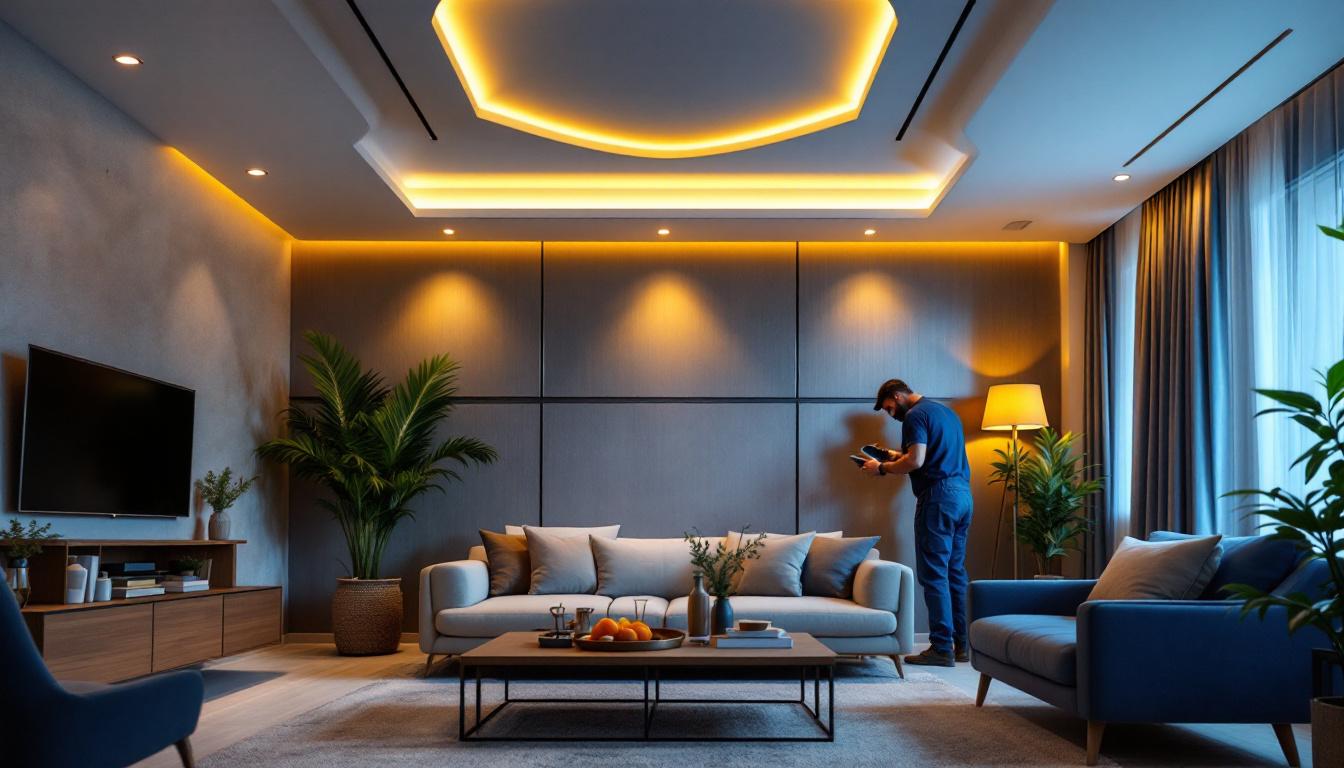
In the realm of modern interior design, the concept of living ceiling lights has emerged as a captivating trend. These innovative lighting solutions not only illuminate spaces but also enhance the aesthetic appeal of homes and commercial establishments. For lighting contractors, understanding the intricacies of these systems is essential to delivering quality installations and avoiding common pitfalls.
Living ceiling lights integrate natural elements and advanced technology, creating a harmonious balance between functionality and design. As more clients seek unique lighting solutions that reflect their personal style and environmental consciousness, contractors must be equipped with the knowledge to navigate this evolving landscape.
One of the most intriguing aspects of living ceiling lights is their ability to incorporate biophilic design principles, which emphasize the connection between humans and nature. By using materials such as reclaimed wood, natural fibers, and even live plants, these lighting fixtures can create an organic ambiance that promotes well-being and tranquility. For instance, a ceiling light adorned with cascading greenery not only serves as a source of illumination but also purifies the air, contributing to a healthier indoor environment. This trend aligns with the growing awareness of sustainability in design, prompting contractors to consider eco-friendly options and materials that resonate with their clients’ values.
Moreover, the technological advancements in smart lighting systems have further propelled the popularity of living ceiling lights. Many of these fixtures now come equipped with features such as adjustable brightness, color temperature control, and even integration with home automation systems. This allows users to customize their lighting experience, enhancing the mood of a space according to their preferences or activities. For lighting contractors, staying abreast of these technological innovations is crucial, as they can offer clients tailored solutions that not only meet their aesthetic desires but also improve energy efficiency and convenience in their daily lives.
Understanding Living Ceiling Lights
What Are Living Ceiling Lights?
Living ceiling lights are fixtures that incorporate elements of nature, such as plants or organic materials, into their design. These lights can range from simple fixtures that hold potted plants to complex systems that simulate natural light patterns. The goal is to create an ambiance that mimics the outdoors, promoting well-being and comfort within indoor spaces. By bridging the gap between nature and interior design, these innovative lighting solutions not only enhance aesthetic appeal but also contribute to improved air quality and mood elevation, making them an increasingly popular choice in modern architecture.
These fixtures can be used in various settings, including residential homes, offices, and public spaces. Their versatility allows contractors to cater to a diverse clientele, each with unique preferences and requirements. For instance, in a bustling office environment, living ceiling lights can help reduce stress and increase productivity by creating a more inviting atmosphere. Understanding the different types of living ceiling lights available is crucial for contractors aiming to provide tailored solutions that meet the specific needs of their clients while promoting a healthier lifestyle.
Types of Living Ceiling Lights
There are several types of living ceiling lights, each offering distinct features and benefits. Some of the most popular options include:
- Biophilic Lighting: This type of lighting incorporates natural elements, such as plants, into the design. It aims to create a connection between indoor spaces and the natural environment, fostering a sense of tranquility and balance. Studies have shown that biophilic design can significantly enhance cognitive function and emotional well-being, making it an essential consideration for spaces where people spend a great deal of time.
- Smart Lighting Systems: These systems allow for the customization of light intensity and color, often mimicking the natural progression of sunlight throughout the day. By adjusting the lighting to align with circadian rhythms, smart lighting can help regulate sleep patterns and improve overall health. Additionally, many smart systems can be controlled via mobile apps, providing users with the flexibility to create their desired ambiance with ease.
- Integrated Planters: Fixtures that combine lighting with planters, enabling the growth of indoor plants while providing illumination. These designs not only serve a functional purpose but also act as living art pieces, adding a dynamic element to any room. The integration of LED grow lights ensures that plants receive the necessary light for photosynthesis, promoting lush growth and enhancing the aesthetic appeal of the space.
By familiarizing themselves with these types, contractors can better advise clients on the best options for their specific needs and preferences. Furthermore, understanding the maintenance requirements and environmental benefits associated with each type can help clients make informed decisions that align with their sustainability goals. As the demand for eco-friendly solutions continues to rise, living ceiling lights represent a forward-thinking approach to interior design that harmonizes functionality with nature.
Common Issues Faced by Lighting Contractors
Installation Challenges
One of the primary challenges lighting contractors face when working with living ceiling lights is the installation process. These fixtures often require specialized knowledge and skills to ensure proper functionality and aesthetics. For instance, integrating electrical components with living plants necessitates careful planning to avoid damage to both the lighting system and the plants.
Moreover, the weight and size of these fixtures can pose logistical challenges during installation. Proper support structures must be in place to accommodate the additional weight of soil and plants, which can lead to structural issues if not addressed correctly.
Maintenance Considerations
Maintenance is another critical aspect that contractors must consider when working with living ceiling lights. Unlike traditional lighting fixtures, living lights require ongoing care to ensure the health of the plants integrated into the system. This may include regular watering, pruning, and monitoring for pests or diseases.
Contractors should educate clients about the maintenance requirements of their chosen fixtures. Providing guidance on how to care for the plants and the lighting system can enhance customer satisfaction and reduce the likelihood of issues arising after installation.
Client Expectations and Communication
Managing client expectations is vital for lighting contractors, especially when dealing with innovative solutions like living ceiling lights. Clients may have specific visions for their spaces, and it is essential to communicate openly about what is achievable within their budget and the limitations of the chosen lighting system.
Regular communication throughout the project can help mitigate misunderstandings and ensure that the final result aligns with the client’s expectations. Providing visual aids, such as renderings or samples, can also assist in conveying the potential outcomes of living ceiling light installations.
Best Practices for Lighting Contractors
Thorough Planning and Design
Before embarking on a living ceiling light project, thorough planning and design are crucial. Contractors should conduct a comprehensive assessment of the space, taking into account factors such as ceiling height, available natural light, and the overall design aesthetic.
Incorporating client input during the design phase can lead to more successful outcomes. Engaging clients in discussions about their preferences and needs ensures that the final design reflects their vision while remaining practical and functional.
Collaboration with Other Professionals
Collaboration with other professionals, such as interior designers and landscape architects, can enhance the quality of living ceiling light installations. These experts can provide valuable insights into the overall design and functionality of the space, ensuring a cohesive and harmonious result.
Working together with other professionals also allows contractors to stay informed about the latest trends and innovations in lighting design, which can be beneficial for future projects.
Utilizing Quality Materials and Technology
Investing in high-quality materials and technology is essential for successful living ceiling light installations. Using durable, sustainable materials not only enhances the aesthetic appeal of the fixtures but also contributes to their longevity and performance.
Additionally, incorporating advanced lighting technology, such as smart controls and energy-efficient LED bulbs, can improve the functionality of living ceiling lights while reducing energy consumption. This not only benefits the client but also positions contractors as environmentally conscious professionals in the industry.
Addressing Potential Issues Proactively
Conducting Regular Inspections
Regular inspections of living ceiling light installations can help identify potential issues before they escalate. Contractors should schedule routine check-ups to assess the condition of both the lighting system and the integrated plants.
During these inspections, contractors can address any maintenance needs, such as replacing bulbs or pruning plants, ensuring that the system remains in optimal condition. This proactive approach can enhance client satisfaction and foster long-term relationships.
Providing Comprehensive Support and Resources
Offering comprehensive support and resources to clients can significantly improve their experience with living ceiling lights. Providing detailed care instructions, maintenance schedules, and troubleshooting guides can empower clients to take ownership of their installations.
Additionally, offering ongoing support, such as maintenance services or consultation, can further enhance the value of the contractor’s services. This not only helps clients feel confident in their choices but also positions contractors as trusted experts in the field.
Conclusion
Living ceiling lights represent a unique and innovative approach to lighting design, offering both aesthetic and functional benefits. For lighting contractors, understanding the nuances of these systems is essential to delivering successful installations and avoiding common issues.
By focusing on thorough planning, effective communication, and proactive maintenance, contractors can navigate the challenges associated with living ceiling lights. Embracing collaboration with other professionals and utilizing high-quality materials and technology will further enhance the quality of installations, ensuring client satisfaction and long-term success in the industry.
As the demand for living ceiling lights continues to grow, lighting contractors who adapt to this trend and equip themselves with the necessary knowledge will be well-positioned to thrive in an evolving market.
Illuminate Your Projects with LumenWholesale
Ready to elevate your lighting installations with the innovative charm of living ceiling lights? At LumenWholesale, we provide lighting contractors like you with the highest quality, spec-grade lighting products at prices that can’t be beaten. Say goodbye to local distributor markups and hello to a vast selection of reliable, high-performance lighting that meets the strictest industry standards. With free shipping on bulk orders, you can stock up on premium lighting solutions without worrying about hidden fees or compromises. Make your next project shine with the perfect blend of quality, affordability, and convenience at LumenWholesale – Wholesale Lighting at the Best Value.