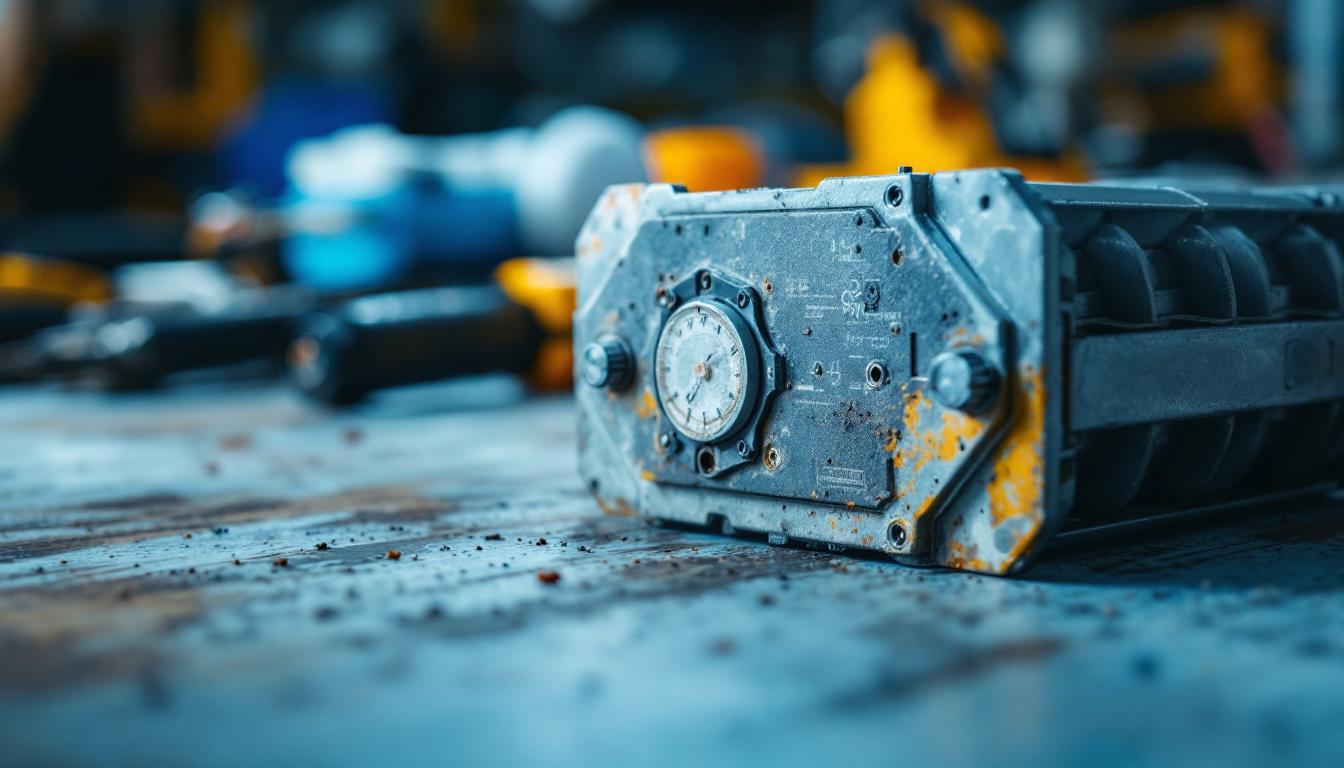
For lighting contractors, understanding the functionality and longevity of ballast is crucial in ensuring optimal lighting performance. Ballast serves as a regulator for the current in fluorescent and HID lighting systems, and when it fails, it can lead to various issues, including flickering lights, reduced efficiency, or complete fixture failure. This article will explore the signs of a bad ballast, the best practices for diagnosing ballast issues, and how to effectively communicate these concerns to clients.
Understanding Ballast Functionality
Before diving into the signs of a failing ballast, it’s essential to grasp its role within a lighting system. Ballasts are designed to provide the necessary voltage to start the lamp and then regulate the current during operation. They come in two primary types: magnetic and electronic. Each type has its own set of characteristics and potential failure points.
Types of Ballasts
Magnetic ballasts are the traditional option, often found in older fluorescent lighting systems. They operate using electromagnetic induction and are typically heavier and bulkier. While they are known for their durability, they can also be less energy-efficient compared to their electronic counterparts.
On the other hand, electronic ballasts are more modern and lightweight. They provide a more stable current, resulting in better energy efficiency and improved lamp performance. However, they can be more sensitive to power surges and other electrical issues, leading to a different set of potential failures.
Common Ballast Issues
Understanding common issues that can arise with ballasts is essential for effective troubleshooting. Some typical problems include overheating, buzzing noises, and flickering lights. Identifying these signs early can prevent further damage to the lighting system and save time and money in repairs.
Additionally, a failing ballast can cause lamps to burn out prematurely, leading to increased maintenance costs. Recognizing these symptoms allows lighting contractors to take proactive measures to address potential failures before they escalate.
Signs of a Bad Ballast
Recognizing the signs of a bad ballast is crucial for any lighting contractor. The earlier these signs are identified, the easier it is to mitigate issues and maintain customer satisfaction. Here are some key indicators to look out for:
Flickering Lights
Flickering is one of the most common signs of a failing ballast. If the lights flicker intermittently or fail to start at all, it may indicate that the ballast is struggling to provide the necessary voltage. This issue can be particularly frustrating for clients, as it disrupts the intended ambiance and functionality of the space.
When encountering flickering lights, it’s essential to check the ballast first. If it’s an electronic ballast, ensure that the wiring connections are secure and that there are no signs of damage. If the ballast appears to be functioning correctly, the issue may lie elsewhere in the lighting system.
Unusual Noises
Another sign of a bad ballast is the presence of unusual noises, such as buzzing or humming. These sounds typically indicate that the ballast is experiencing electrical issues or is overheating. While some ballasts may produce a low hum during operation, loud or persistent buzzing is a clear warning sign that something is amiss.
Contractors should investigate the source of the noise promptly. In many cases, replacing the ballast can resolve the issue and restore normal operation to the lighting system. Ignoring these sounds can lead to further complications, including potential fire hazards in extreme cases.
Overheating
Overheating is another critical sign that a ballast may be failing. If the ballast feels excessively hot to the touch, it could indicate that it is working harder than it should be, possibly due to electrical faults or aging components. Overheating can lead to complete ballast failure and may even pose safety risks.
When a ballast is found to be overheating, it’s advisable to turn off the lighting system immediately and conduct a thorough inspection. If there are visible signs of damage, such as discoloration or burnt components, replacement is likely necessary.
Diagnosing Ballast Issues
Once the signs of a failing ballast have been identified, the next step is to diagnose the issue accurately. Proper diagnosis is essential for ensuring that the correct solutions are implemented. Here are some best practices for diagnosing ballast problems:
Visual Inspection
Start with a thorough visual inspection of the ballast and surrounding components. Look for any signs of physical damage, such as burnt connections, corrosion, or loose wiring. A damaged ballast may have discoloration or evidence of overheating, which can provide valuable clues about its condition.
Additionally, inspect the lamps themselves. If they appear blackened at the ends or have broken filaments, this may indicate that the ballast is not functioning correctly, leading to premature lamp failure.
Electrical Testing
For a more in-depth diagnosis, electrical testing is crucial. Use a multimeter to measure the voltage output of the ballast. Compare these readings to the specifications provided by the manufacturer. If the voltage is significantly lower or higher than expected, it may indicate a failing ballast.
Furthermore, check for continuity in the wiring. A break in the circuit can also lead to ballast failure, so ensuring that all connections are intact is essential. If electrical testing reveals abnormalities, replacing the ballast is often the best course of action.
Consulting Manufacturer Specifications
Every ballast has specific manufacturer specifications that outline its operational parameters. Consulting these specifications can provide valuable insights into what constitutes normal performance. If the ballast is not meeting these standards, it may be time for a replacement.
Additionally, understanding the warranty and lifespan of the ballast can guide decisions regarding repairs or replacements. Many manufacturers provide guidelines on expected performance, which can help contractors make informed choices.
Best Practices for Ballast Replacement
When it becomes clear that a ballast needs to be replaced, following best practices can ensure a smooth and efficient process. Here are some essential steps to consider:
Choosing the Right Replacement
Selecting the correct replacement ballast is critical for maintaining optimal lighting performance. Ensure that the new ballast matches the specifications of the existing system, including wattage, voltage, and type (magnetic or electronic). Using an incompatible ballast can lead to further issues down the line.
Additionally, consider the energy efficiency of the replacement option. Many modern ballasts offer improved energy savings, which can be a selling point for clients looking to reduce their utility bills.
Proper Installation Techniques
Proper installation techniques are vital for ensuring the longevity of the new ballast. Begin by turning off the power to the lighting system and following all safety protocols. Carefully remove the old ballast, taking note of the wiring connections for reference during installation.
When installing the new ballast, ensure that all connections are secure and properly insulated. Double-check the wiring against the manufacturer’s instructions to avoid any potential issues. Once the installation is complete, turn the power back on and test the system to confirm that everything is functioning correctly.
Educating Clients on Maintenance
After replacing a ballast, it’s essential to educate clients on the importance of regular maintenance. Encourage them to monitor their lighting systems for any signs of trouble, such as flickering lights or unusual noises. Providing clients with tips on how to care for their lighting systems can help prevent future issues and extend the lifespan of their fixtures.
Additionally, remind clients of the importance of using quality components and adhering to manufacturer recommendations. This proactive approach can save them time and money in the long run.
Communicating with Clients
Effective communication with clients is a cornerstone of successful lighting contracting. When discussing ballast issues, clarity and professionalism are key. Here are some tips for communicating effectively:
Providing Clear Explanations
When explaining ballast issues to clients, use clear and concise language. Avoid technical jargon that may confuse them, and instead focus on the practical implications of the problem. For example, instead of discussing voltage fluctuations, explain how these fluctuations can lead to flickering lights or reduced energy efficiency.
Providing visual aids, such as diagrams or images of the ballast and its components, can also help clients understand the situation better. This approach fosters trust and demonstrates expertise.
Setting Realistic Expectations
It’s essential to set realistic expectations regarding the timeline and costs associated with ballast replacement. Be transparent about the potential challenges that may arise during the process and provide clients with a clear estimate of costs. This transparency helps build trust and ensures that clients feel informed throughout the project.
Additionally, discuss the benefits of replacing the ballast, such as improved lighting performance and energy efficiency. Highlighting these advantages can help clients see the value in investing in quality components.
Following Up After Service
After completing the ballast replacement, following up with clients is a best practice that can enhance customer satisfaction. A simple phone call or email to check on their lighting system can demonstrate commitment to quality service and help address any lingering concerns.
This follow-up can also serve as an opportunity to remind clients about regular maintenance and any additional services they may need in the future. Building a lasting relationship with clients can lead to repeat business and referrals.
Conclusion
Understanding how to identify and address ballast issues is essential for lighting contractors. By recognizing the signs of a failing ballast, employing effective diagnostic techniques, and following best practices for replacement, contractors can ensure optimal lighting performance for their clients. Furthermore, effective communication and client education can foster trust and satisfaction, ultimately leading to long-term relationships and successful projects.
In the ever-evolving world of lighting technology, staying informed about ballast functionality and maintenance is key. By implementing these best practices, lighting contractors can enhance their service offerings and position themselves as trusted experts in the field.
Get Your Quality Ballasts at LumenWholesale
Ready to ensure your lighting projects shine with reliability and efficiency? Look no further than LumenWholesale for your ballast needs. We provide contractors with the highest quality, spec-grade lighting products at prices that can’t be beaten. Say goodbye to local distributor markups and hello to superior lighting products that meet the most rigorous industry standards. With LumenWholesale, bulk buying is a breeze, thanks to our free shipping policy. You’ll receive premium lighting solutions at the best value — all without hidden fees or quality compromises. Make the smart choice for your lighting projects and experience wholesale lighting at the best value today.