As outdoor lighting continues to gain popularity among homeowners and businesses alike, the demand for efficient and user-friendly solutions is on the rise. One such solution is the light switch timer, a device that offers convenience and energy savings. For lighting contractors, understanding the best practices for implementing these timers can significantly enhance service offerings and customer satisfaction.
Understanding Light Switch Timers
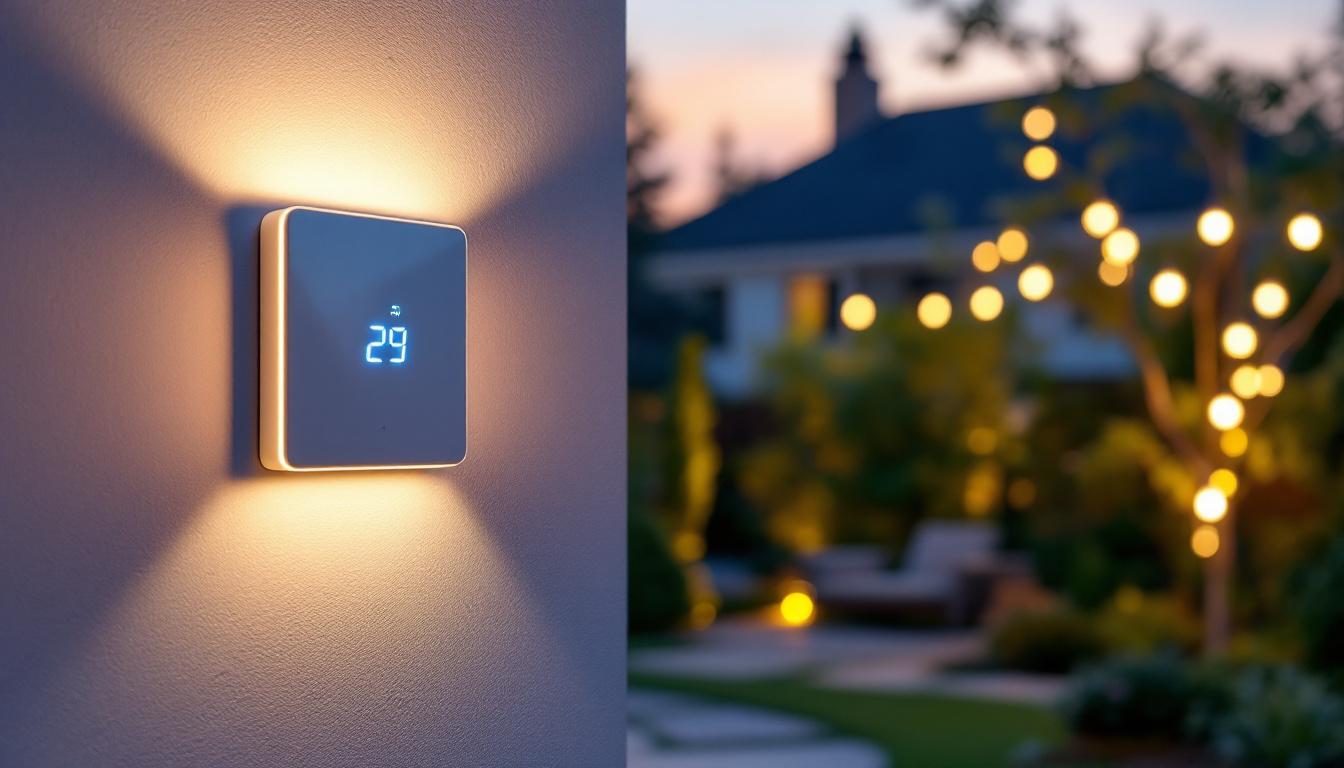
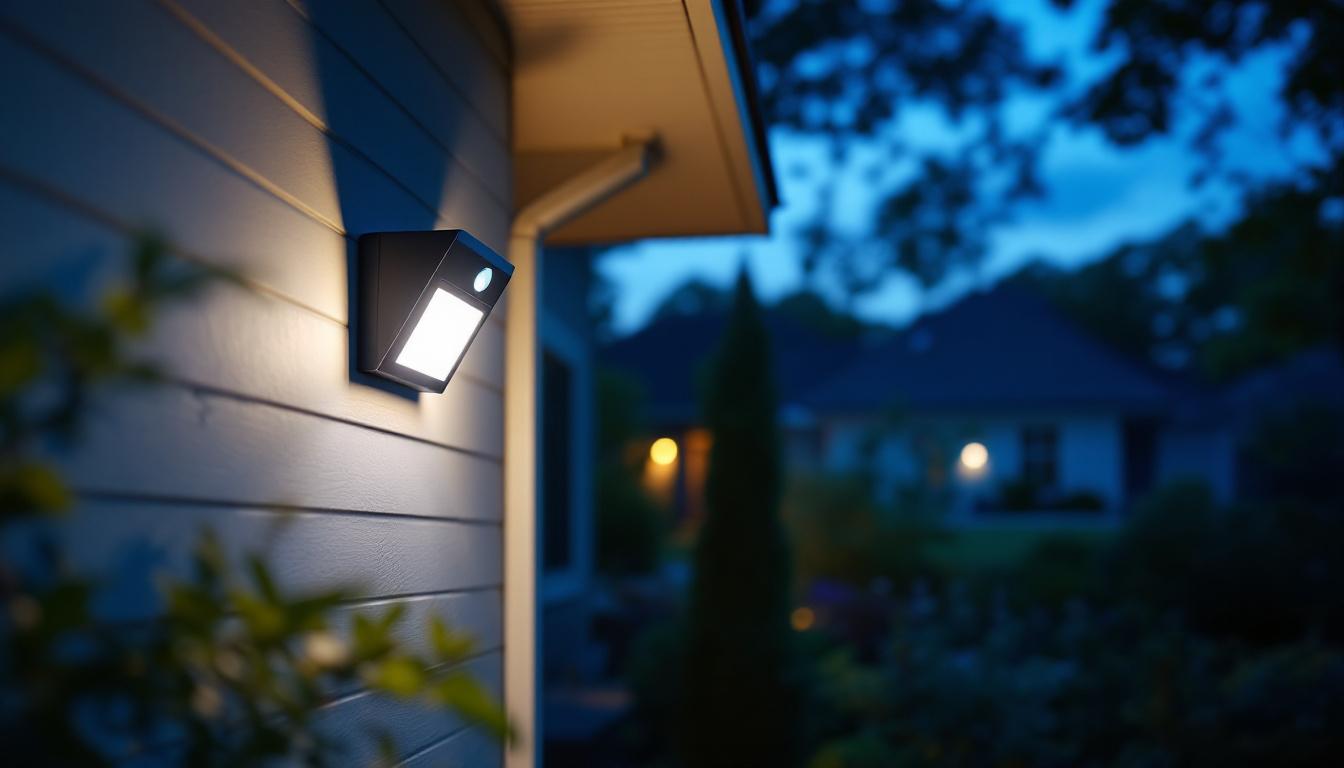
Light switch timers are devices that automatically control the operation of outdoor lights based on a pre-set schedule. This technology allows homeowners to set their lights to turn on and off at specific times, ensuring that their property is well-lit when needed while conserving energy during off-hours. By automating lighting, these timers not only enhance security but also contribute to a welcoming atmosphere for guests and passersby, particularly in residential neighborhoods.
These timers come in various forms, from simple mechanical timers to advanced digital models that can be programmed for multiple schedules. For lighting contractors, having a solid grasp of the types, features, and functionalities of light switch timers is crucial for recommending the best solutions to clients. Moreover, understanding the nuances of each type can help in tailoring solutions that meet the specific needs of different households, whether they require a straightforward setup or a more complex, integrated lighting system.
Types of Light Switch Timers
There are several types of light switch timers available, each with its unique features and benefits. Understanding these options can help contractors choose the right timer for specific outdoor lighting installations. Each type caters to different user preferences and technological comfort levels, making it essential to match the right timer with the homeowner’s lifestyle.
- Mechanical Timers: These are the most basic type of timers, using a dial to set on and off times. They are generally less expensive but may lack flexibility. While they serve their purpose for straightforward applications, users may find them limiting if their lighting needs change frequently.
- Digital Timers: Offering more programming options, digital timers can handle multiple schedules and even allow for randomization to mimic occupancy. This feature is particularly useful for vacation homes, as it can deter potential intruders by creating the illusion of an occupied residence.
- Smart Timers: These advanced timers can be controlled via smartphone apps, integrating with home automation systems for enhanced functionality. Smart timers often come with additional features such as voice control compatibility and geofencing, which can automatically adjust lighting based on the homeowner’s location.
Key Features to Consider
When selecting a light switch timer, several features should be taken into account to ensure optimal performance and user satisfaction. The right timer can significantly enhance the convenience and security of a home, making it an essential component of outdoor lighting design.
- Ease of Use: Timers should be user-friendly, allowing homeowners to easily set and adjust schedules. A clear display and intuitive interface can make a significant difference, especially for those who may not be tech-savvy.
- Durability: Outdoor timers must be weather-resistant to withstand environmental conditions. Look for models that are rated for outdoor use, ensuring they can endure rain, snow, and extreme temperatures without compromising functionality.
- Energy Efficiency: Look for timers that help reduce energy consumption, aligning with eco-friendly practices. Some timers even offer features that allow users to monitor their energy usage, providing insights that can lead to further savings.
Additionally, compatibility with existing lighting fixtures is an important consideration. Some timers may work better with specific types of bulbs, such as LED or incandescent, and understanding these requirements can help prevent any installation issues. Furthermore, many modern timers also come equipped with features like sunset/sunrise adjustments, which can automatically adapt the lighting schedule based on the changing seasons, ensuring optimal performance year-round.
Installation Best Practices
Proper installation is essential for the effective functioning of light switch timers. Lighting contractors should adhere to best practices to ensure that the timers operate reliably and meet customer expectations.
Location Selection
Choosing the right location for the timer is critical. It should be easily accessible for programming and adjustments while being protected from harsh weather conditions. Ideally, the timer should be mounted in a shaded area to prevent overheating and ensure longevity.
Additionally, consider the proximity to the outdoor lights being controlled. A shorter distance can minimize voltage drop, ensuring that the lights operate efficiently. It’s also beneficial to think about the visibility of the timer; placing it in a location that is not only convenient for adjustments but also visible can help users quickly identify if the timer is functioning correctly or if any issues arise.
Wiring Considerations
Correct wiring is paramount for the safe and effective operation of light switch timers. Contractors should follow the manufacturer’s instructions carefully, ensuring that all connections are secure and properly insulated.
It’s also advisable to use weatherproof junction boxes for outdoor installations. This not only protects the wiring from moisture but also enhances the overall safety of the system. Furthermore, using high-quality, UV-resistant wiring can prevent degradation over time, especially in areas with intense sunlight. Regular checks and maintenance of the wiring can help identify any wear and tear early, preventing potential failures and ensuring the longevity of the installation.
Programming the Timer
Once installed, programming the light switch timer correctly is essential to maximize its benefits. Different models have varying programming methods, so familiarity with the specific timer is crucial. Understanding the user manual and exploring any available online resources can significantly streamline the setup process, ensuring that the timer operates seamlessly with the homeowner’s lifestyle.
Setting Schedules
Most timers allow for multiple on/off schedules, which can be particularly useful for outdoor lighting. Contractors should guide clients on how to set these schedules based on their specific needs, such as dusk-to-dawn operation or timed lighting for special occasions. For instance, a timer can be programmed to turn on the lights just before sunset, creating a welcoming ambiance as the evening approaches. Additionally, for festive occasions, clients can set the lights to operate at specific times, ensuring that their outdoor space is beautifully illuminated for gatherings or celebrations.
Encouraging clients to review and adjust their schedules seasonally can also enhance the effectiveness of their outdoor lighting, ensuring that it aligns with changing daylight hours. As the seasons shift, so do sunset and sunrise times, which means that a schedule set in summer may not be ideal in winter. By regularly revisiting these settings, clients can ensure their outdoor lighting remains functional and aesthetically pleasing throughout the year, adapting to their needs and preferences.
Utilizing Features
Many modern timers come equipped with additional features such as randomization, which can create the illusion of occupancy when homeowners are away. This feature is particularly valuable for enhancing security, as it can deter potential intruders by mimicking the natural patterns of a household. Educating clients about these features can help them take full advantage of their lighting systems, enhancing security and energy efficiency. Furthermore, some timers offer smartphone integration, allowing homeowners to control their lighting remotely, providing convenience and peace of mind whether they are at home or traveling.
Additionally, timers may include energy monitoring capabilities, enabling users to track their energy consumption and make informed decisions about their lighting usage. By understanding how much energy their outdoor lighting consumes, clients can adjust their settings to optimize efficiency, potentially lowering their electricity bills. This not only benefits the homeowner financially but also contributes to a more sustainable lifestyle, aligning with the growing trend of energy conservation and environmental awareness.
Maintenance and Troubleshooting
Routine Checks
Clients should be advised to clean the timer and surrounding area to prevent dirt and debris from affecting performance, especially in outdoor settings.
Troubleshooting Common Issues
In the event of issues, contractors should be prepared to assist clients with troubleshooting. Common problems may include lights not turning on or off as scheduled, which can often be resolved by checking the programming or ensuring that the timer is receiving power.
Providing clients with a simple troubleshooting guide can empower them to address minor issues independently, enhancing their overall satisfaction with the system.
Enhancing Client Satisfaction
In the competitive field of lighting contracting, providing exceptional service is key to building a loyal client base. Implementing light switch timers can be a value-added service that enhances client satisfaction and sets contractors apart from the competition.
Educating Clients
One of the most effective ways to enhance client satisfaction is through education. Contractors should take the time to explain the benefits of light switch timers, how they work, and how to use them effectively.
Providing clients with instructional materials, such as brochures or links to online resources, can reinforce their understanding and confidence in using their new systems.
Offering Follow-Up Support
Following up with clients after installation can significantly enhance their experience. This could involve a quick phone call or email to check on their satisfaction and offer assistance with programming or troubleshooting.
Such follow-up not only demonstrates commitment to customer service but also opens the door for future projects or referrals, contributing to long-term business success.
Conclusion
Light switch timers for outdoor lights present a valuable opportunity for lighting contractors to enhance their service offerings. By understanding the various types of timers, installation best practices, programming techniques, and maintenance tips, contractors can ensure that their clients receive the maximum benefits from their outdoor lighting systems.
Moreover, by focusing on client education and follow-up support, contractors can foster strong relationships and build a reputation for exceptional service. As outdoor lighting continues to evolve, staying informed about the latest technologies and best practices will be essential for success in the industry.
Get Your Premium Lighting Timers at LumenWholesale
Ready to elevate your outdoor lighting projects with the best switch timers on the market? Look no further than LumenWholesale, where we provide contractors with exceptional, spec-grade lighting products at unbeatable wholesale prices. Our selection of light switch timers is designed to meet the highest industry standards, ensuring you deliver reliable and high-performance lighting solutions to your clients. Take advantage of our hassle-free bulk buying options and free shipping to get the premium lighting you need at the best value. Don’t let hidden fees or inflated markups dim your project’s potential. Experience the perfect blend of quality, affordability, and convenience today by visiting Wholesale Lighting at the Best Value.