Lighting projects often involve complex installations that require careful planning and execution. One of the essential tools in the arsenal of a lighting contractor is the cable pulling rope. This seemingly simple tool plays a crucial role in ensuring that wiring and cables are installed efficiently and effectively. As technology evolves and lighting projects become more sophisticated, understanding how to utilize cable pulling ropes can help future-proof installations and enhance overall project success.
The Importance of Cable Pulling Rope in Lighting Projects
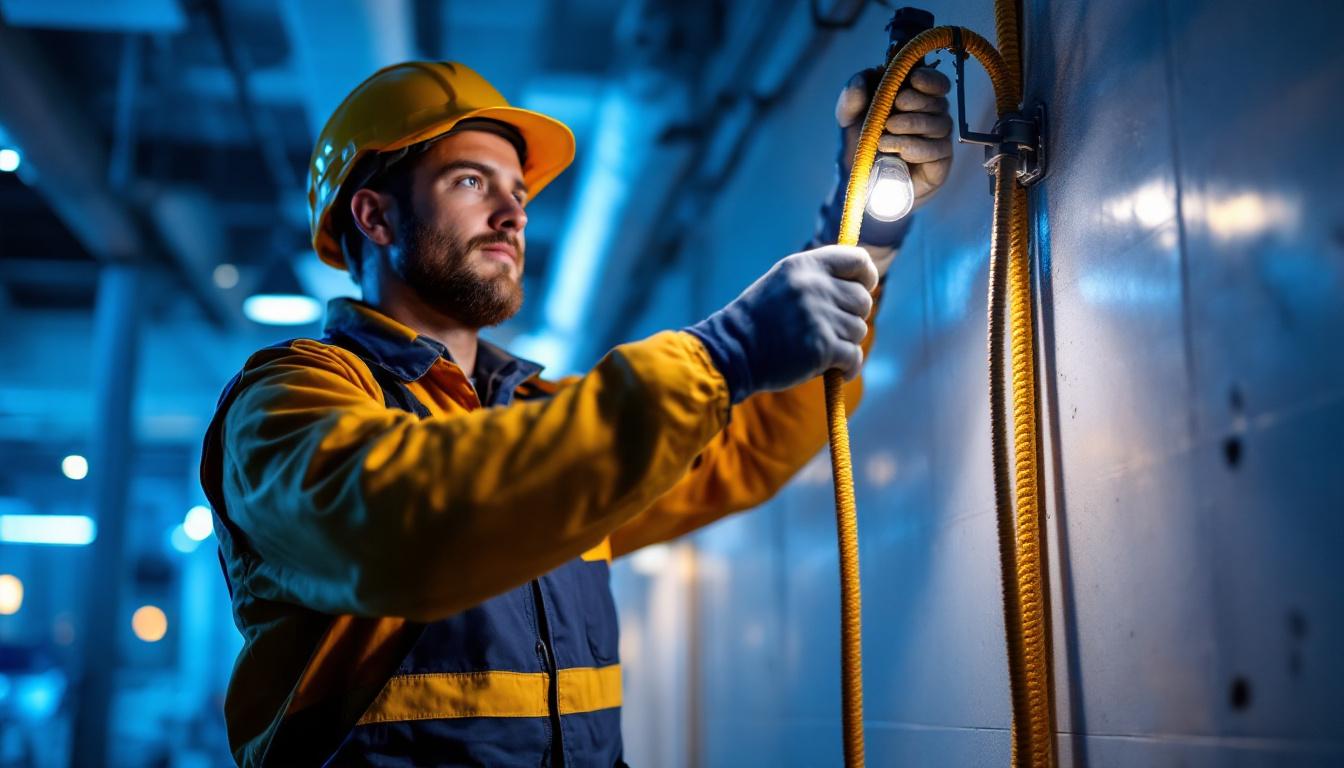
In the realm of electrical installations, cable pulling ropes serve as a vital component for managing and routing cables through conduits and tight spaces. Proper use of these ropes can significantly reduce the risk of damage to cables, streamline the installation process, and ultimately save time and money.
Moreover, as lighting technology advances, the types of cables being used are becoming more varied and complex. With the introduction of smart lighting systems, low-voltage applications, and high-wattage fixtures, the need for reliable cable management becomes even more critical. This is where cable pulling ropes come into play, allowing contractors to adapt to changing demands in the industry. The ability to efficiently navigate through existing infrastructure while minimizing disruption is essential, especially in retrofitting projects where older systems are being upgraded to accommodate modern lighting solutions.
Types of Cable Pulling Ropes
Cable pulling ropes come in various materials and designs, each suited for different applications. Understanding the differences can help contractors choose the right type for their specific project needs.
- Polyester Ropes: Known for their strength and durability, polyester ropes are resistant to abrasion and UV rays, making them ideal for outdoor installations. Their low stretch characteristics also allow for precise control when pulling cables, which is particularly useful in intricate lighting setups.
- Nylon Ropes: These ropes are elastic and can absorb shock, which is beneficial when pulling heavy cables. However, they may not be as resistant to UV degradation as polyester. Despite this limitation, their flexibility makes them a popular choice for indoor applications where tight bends and corners are common.
- Wire Rope: For heavy-duty applications, wire ropes offer superior strength and are often used in industrial settings where heavy cables need to be pulled over long distances. Their robust construction allows them to withstand significant tension, making them ideal for projects that require the installation of high-capacity lighting systems.
In addition to material selection, the diameter and length of the cable pulling rope are also crucial factors to consider. A thicker rope may provide greater strength but can be cumbersome in tight spaces, while a thinner rope may be easier to maneuver but could lack the necessary durability for heavy loads. Furthermore, the length of the rope should be sufficient to accommodate the distance between the cable source and the installation point, allowing for a smooth and efficient pulling process. Proper planning and assessment of these variables can lead to a more successful lighting project, minimizing delays and ensuring a high-quality installation.
Best Practices for Using Cable Pulling Rope
To maximize the effectiveness of cable pulling ropes, it is essential to follow best practices during installation. Proper techniques not only enhance efficiency but also minimize the risk of damage to cables and ensure safety on the job site.
Assessing the Job Site
Before beginning any installation, a thorough assessment of the job site is crucial. This includes identifying potential obstacles, measuring distances, and determining the best route for cable installation. Understanding the layout will help in selecting the appropriate pulling rope and techniques.
Contractors should also take into account the type of conduit being used, as different materials may require different pulling methods. For instance, pulling cables through PVC conduits may require less force compared to metal conduits due to friction differences. Additionally, it is important to consider environmental factors such as temperature and moisture levels, which can affect the integrity of both the cable and the pulling rope. High humidity can lead to condensation inside conduits, potentially causing complications during installation, while extreme cold can make materials more brittle and susceptible to damage.
Utilizing Proper Techniques
When using cable pulling ropes, employing the right techniques can make a significant difference in the outcome of the project. Here are some key techniques to consider:
- Use a Fish Tape: A fish tape can be an invaluable tool for guiding the pulling rope through conduits, especially in longer runs. It helps to ensure that the rope is correctly positioned before pulling the cables.
- Minimize Friction: Applying lubricant to the cables can reduce friction during the pulling process, making it easier to maneuver them through tight spaces.
- Teamwork: Having a team in place can streamline the pulling process. One person can feed the cable while another pulls, ensuring a smooth operation.
Moreover, it’s advisable to use a pulling eye or a similar device at the end of the pulling rope to create a secure connection to the cable. This not only provides a stronger grip but also helps to prevent the rope from slipping off during the pull. Additionally, using a cable grip can help distribute the pulling force evenly across the cable, reducing the risk of damage. Proper communication among team members is also vital; establishing clear signals can help coordinate efforts and ensure that everyone is on the same page, especially in noisy environments where verbal communication may be difficult.
Future-Proofing Lighting Projects with Cable Pulling Rope
As lighting technology continues to evolve, contractors must adapt their practices to accommodate new advancements. Future-proofing lighting projects involves not only using the right tools but also anticipating future needs and challenges.
Planning for Technological Advancements
With the rise of smart lighting systems and energy-efficient solutions, it is vital for contractors to plan installations that can easily adapt to future upgrades. This means considering the types of cables and conduits that will support new technologies.
For instance, installing larger conduits can allow for additional cables to be added later without the need for extensive retrofitting. This proactive approach ensures that the installation remains relevant as technology progresses.
Choosing the Right Cable Types
When selecting cables for lighting projects, it is essential to choose those that can handle future demands. Low-voltage cables, for example, are becoming increasingly popular due to their efficiency and versatility. By incorporating these types of cables into installations, contractors can ensure that they are well-prepared for future lighting innovations.
Additionally, using cables that are compatible with smart technology can save time and resources down the line. Being mindful of the types of cables chosen can significantly enhance the longevity and adaptability of a lighting installation.
Common Challenges and Solutions
While cable pulling ropes are invaluable tools, they are not without their challenges. Understanding common issues that arise during installations can help contractors devise effective solutions.
Dealing with Cable Snags
One of the most common challenges faced during cable pulling is snagging, which can occur when cables catch on sharp edges or bends within conduits. This not only slows down the installation process but can also damage the cables.
To mitigate this issue, contractors should inspect conduits for any sharp edges or obstructions before beginning the pulling process. Using a pulling head or a guide can also help navigate bends more smoothly, reducing the likelihood of snags.
Managing Tension and Force
Another challenge is managing the tension applied to the cables during pulling. Excessive force can lead to cable damage or even breakage. It is essential to apply steady, even pressure rather than sudden jerks.
Contractors should also be aware of the weight of the cables being pulled. Using a pulley system can help distribute the weight and reduce the strain on both the cables and the pulling rope, making the process safer and more efficient.
Maintenance and Care for Cable Pulling Ropes
Proper maintenance of cable pulling ropes is crucial for ensuring their longevity and effectiveness. Taking care of these tools can save contractors time and money in the long run.
Regular Inspections
Conducting regular inspections of cable pulling ropes is essential for identifying any signs of wear and tear. Look for fraying, kinks, or any other damage that could compromise the rope’s integrity.
Replacing worn ropes promptly can prevent issues during installations and ensure that projects proceed smoothly. Additionally, storing ropes properly when not in use can help maintain their condition, protecting them from environmental damage.
Cleaning and Lubrication
Keeping cable pulling ropes clean is also important. Dirt and grime can cause friction and reduce the rope’s effectiveness. Regularly cleaning the ropes with a mild detergent and water can help maintain their performance.
In some cases, applying a light lubricant can enhance the rope’s ability to slide through conduits, making the pulling process easier. However, it is essential to use lubricants that are safe for the specific materials involved to avoid any adverse reactions.
Conclusion
Cable pulling ropes are an indispensable tool for lighting contractors, playing a critical role in the efficiency and success of installations. By understanding the importance of these ropes, utilizing best practices, and planning for future advancements, contractors can ensure that their lighting projects are not only successful but also future-proof.
As technology continues to evolve, staying ahead of the curve by embracing innovative practices and tools will be key to thriving in the ever-changing landscape of the lighting industry. With the right approach, lighting contractors can navigate challenges, enhance their skill sets, and ultimately deliver exceptional results for their clients.
Get Your Premium Lighting Supplies at LumenWholesale
Ready to elevate your lighting projects with the best tools and materials? Look no further than LumenWholesale for all your cable pulling rope needs and more. Our extensive selection of spec-grade lighting products is designed to meet the highest industry standards, ensuring you get reliable, high-performance lighting for every project. Take advantage of our unbeatable wholesale prices and free shipping on bulk orders to get premium lighting at the best value — without hidden fees or compromises. Make your next lighting project a shining success with LumenWholesale. Visit us now at Wholesale Lighting at the Best Value and experience the difference quality and affordability can make.