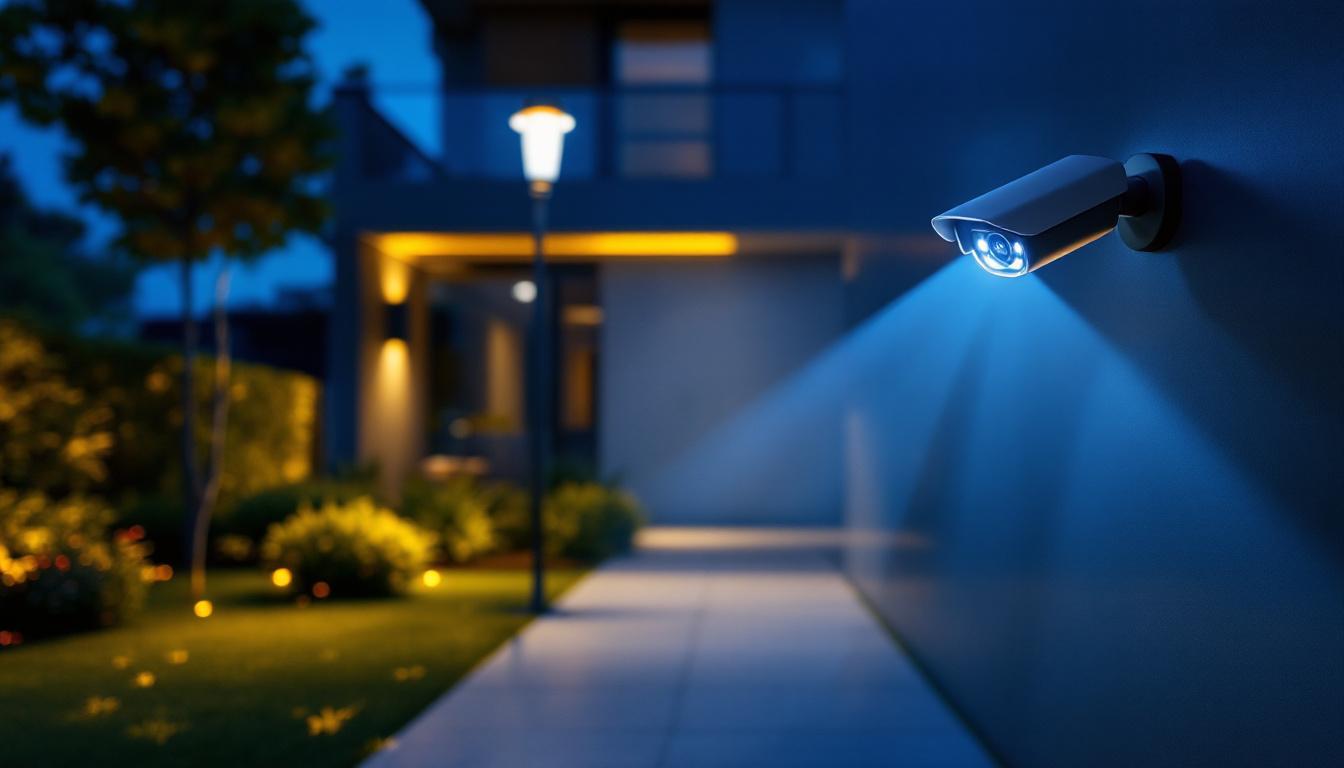
Introduction to Outdoor Security Lighting
In an ever-evolving world, the importance of outdoor security lighting cannot be overstated. For lighting contractors, integrating security cameras with outdoor lighting systems offers a dual advantage: enhancing safety while providing visibility. This combination not only deters potential intruders but also allows property owners to monitor their surroundings effectively. The presence of well-placed lights can significantly reduce crime rates, as illuminated spaces are less attractive to those with malicious intent. Moreover, modern outdoor lighting solutions often incorporate smart technology, allowing homeowners to control their systems remotely, further enhancing their security measures.
However, the integration of lighting and surveillance presents unique challenges. Understanding these obstacles and finding solutions is crucial for contractors aiming to deliver comprehensive security solutions to their clients. For instance, ensuring that the lighting does not create glare or blind spots for the cameras is a common issue that requires careful planning and design. Additionally, the placement of lights must be optimized to provide adequate illumination without wasting energy or causing light pollution. This article explores the common challenges faced by lighting contractors and offers practical strategies to overcome them. By addressing these concerns, contractors can improve the functionality of their installations and provide clients with peace of mind, knowing their properties are well-protected.
Furthermore, advancements in LED technology have revolutionized outdoor security lighting, offering longer lifespans and greater energy efficiency compared to traditional lighting options. This shift not only benefits the environment but also reduces maintenance costs for property owners. The versatility of LED fixtures allows for creative lighting designs that can enhance the aesthetic appeal of a property while still serving the primary function of security. Additionally, integrating motion sensors with outdoor lighting systems can further enhance security by ensuring that lights activate only when movement is detected, thereby conserving energy and extending the lifespan of the fixtures. As the demand for effective and sustainable security solutions grows, lighting contractors must stay informed about the latest technologies and trends to provide their clients with the best possible options.
Understanding the Challenges
Lighting contractors often encounter several hurdles when implementing outdoor security lighting with cameras. These challenges can range from technical issues to client expectations. Recognizing these challenges is the first step toward finding effective solutions.
Technical Challenges
One of the primary challenges in integrating outdoor security lighting with cameras is ensuring compatibility between different systems. Many clients may desire specific features, such as motion detection or remote access, which may not be supported by all lighting systems. Additionally, the installation of cameras often requires careful placement to avoid blind spots, which can complicate the lighting design.
Moreover, the power supply for both lighting and cameras can be a significant concern. Ensuring that both systems are adequately powered without overloading circuits requires careful planning. This can be particularly challenging in older buildings or properties where electrical systems may not be up to modern standards. In such cases, contractors might need to consider installing additional circuits or even upgrading the entire electrical system to meet the demands of modern security technology. This not only adds to the complexity of the project but also increases the overall cost and time required for installation.
Client Expectations and Budget Constraints
Another challenge contractors face is managing client expectations. Clients may have a vision of a comprehensive security system that includes advanced features, but their budget may not align with their desires. Lighting contractors must navigate these discussions delicately, finding a balance between what is technically feasible and what the client can afford.
Additionally, clients may not fully understand the complexities involved in integrating lighting and camera systems. This lack of understanding can lead to unrealistic expectations regarding installation timelines and the overall effectiveness of the system. Clear communication and education about the process are essential in these situations. For instance, contractors can provide detailed breakdowns of the installation phases, timelines, and potential obstacles, which can help clients grasp the scope of the project. Furthermore, offering visual aids, such as diagrams or 3D renderings, can help clients visualize the final outcome, making it easier for them to appreciate the intricacies involved in achieving a secure and well-lit environment.
Moreover, contractors should also be prepared to discuss the long-term benefits of investing in a quality security system. While initial costs may seem daunting, emphasizing the potential for reduced insurance premiums, increased property value, and enhanced safety can help clients see the bigger picture. By fostering an open dialogue about both the immediate and future advantages, contractors can build trust and ensure that clients feel confident in their investment, ultimately leading to more successful project outcomes.
Strategies to Overcome Challenges
While challenges in outdoor security lighting integration are common, they are not insurmountable. By employing strategic approaches, lighting contractors can effectively navigate these obstacles and deliver successful projects.
Conducting Thorough Site Assessments
Before beginning any installation, conducting a thorough site assessment is vital. This assessment should include an evaluation of the property’s layout, existing electrical systems, and potential obstacles that could affect camera visibility or lighting coverage. By understanding the unique characteristics of the site, contractors can design a more effective security lighting system that meets the client’s needs.
During the assessment, it’s also beneficial to discuss security concerns with the client. Understanding their specific worries can help tailor the lighting and camera placement to address those issues directly, ensuring the final solution is both practical and effective.
Choosing the Right Equipment
Selecting the appropriate equipment is crucial for the success of any outdoor security lighting project. Contractors should stay informed about the latest advancements in lighting and camera technology. This knowledge enables them to recommend systems that not only meet the client’s requirements but also offer scalability for future upgrades.
When choosing lighting fixtures, consider energy-efficient options that provide adequate illumination without excessive energy consumption. Similarly, select cameras with features such as night vision, weatherproofing, and high-resolution imaging to ensure reliable performance in various conditions.
Effective Communication with Clients
Maintaining open lines of communication with clients throughout the project is essential. Regular updates on progress, challenges, and solutions can help manage expectations and build trust. If issues arise, addressing them promptly and transparently can prevent misunderstandings and dissatisfaction.
Additionally, educating clients about the technology being installed can empower them to make informed decisions. Providing demonstrations of how the system works, including features like remote access and app integration, can enhance their confidence in the investment they are making.
Installation Best Practices
Once the planning and preparation stages are complete, the installation phase begins. Adhering to best practices during installation is crucial for ensuring the longevity and effectiveness of the outdoor security lighting system.
Proper Placement of Lighting and Cameras
Strategic placement of lighting fixtures and cameras is fundamental to achieving optimal security coverage. Lighting should be positioned to illuminate key areas, such as entry points, driveways, and pathways, while avoiding glare that could obstruct camera views. A well-lit environment not only enhances visibility but also acts as a deterrent to potential intruders.
Cameras should be installed at heights and angles that maximize their field of view while minimizing blind spots. It’s essential to test camera angles during installation to ensure they capture the desired areas without obstruction. This attention to detail can significantly enhance the system’s overall effectiveness.
Ensuring Robust Electrical Connections
Reliable electrical connections are vital for the performance of both lighting and camera systems. Contractors should ensure that all wiring is properly secured and protected from environmental factors, such as moisture and extreme temperatures. Using weatherproof enclosures and conduit can help safeguard connections and prevent failures.
Additionally, consider implementing surge protection to safeguard sensitive electronic components from power surges. This precaution can extend the lifespan of the equipment and reduce the likelihood of costly repairs or replacements.
Testing and Calibration
After installation, thorough testing and calibration of the system are essential. This process involves checking the functionality of both the lighting and camera systems to ensure they operate as intended. Adjustments may be necessary to optimize camera angles, lighting intensity, and motion detection settings.
Encouraging clients to participate in this testing phase can also be beneficial. By allowing them to see the system in action, they can provide feedback and gain confidence in its capabilities. This collaborative approach fosters a sense of ownership and satisfaction with the final product.
Maintenance and Support
Once the outdoor security lighting and camera system is installed and operational, ongoing maintenance is key to ensuring its longevity and effectiveness. Lighting contractors should establish a maintenance plan to address potential issues proactively.
Regular Inspections and Upkeep
Regular inspections of the lighting fixtures and cameras can help identify any wear and tear that may affect performance. This includes checking for burnt-out bulbs, ensuring that cameras are free from obstructions, and verifying that all connections remain secure.
Encourage clients to report any issues they notice promptly. Establishing a clear communication channel for support can help contractors address problems quickly, minimizing downtime and ensuring that the security system remains fully functional.
Providing Client Education on System Use
Educating clients on how to use their new security system effectively is an essential part of the installation process. Providing training on how to access camera feeds, adjust settings, and respond to alerts can empower clients to take full advantage of their investment.
Consider creating user-friendly guides or video tutorials that clients can refer to in the future. This resource can serve as a valuable tool for clients, helping them navigate the system with confidence and ease.
Conclusion
Outdoor security lighting integrated with cameras offers a powerful solution for enhancing safety and security for residential and commercial properties. While lighting contractors may face various challenges in implementing these systems, understanding the obstacles and employing strategic approaches can lead to successful outcomes.
By conducting thorough site assessments, selecting the right equipment, maintaining effective communication, adhering to installation best practices, and providing ongoing support, contractors can overcome challenges and deliver exceptional security solutions. Ultimately, the goal is to create a safe environment that meets the needs and expectations of clients while ensuring peace of mind.
Get Your Premium Security Lighting Supplies at LumenWholesale
Ready to elevate your outdoor security lighting projects with the best in class products? Look no further than LumenWholesale. Our extensive selection of spec-grade lighting products is designed to meet the rigorous demands of any installation, ensuring you deliver reliable and high-performance lighting solutions to your clients. With unbeatable wholesale prices and the convenience of free shipping on bulk orders, you can provide exceptional value without compromising on quality. Discover wholesale lighting at the best value and make LumenWholesale your go-to source for all your lighting needs.