In the world of lighting installations, safety is paramount. As lighting contractors, understanding the benefits of LED light brands can significantly enhance the safety of both the installation process and the end-user experience. This article delves into how LED lighting not only improves visibility but also contributes to a safer environment in various applications.
Understanding LED Technology
LED, or Light Emitting Diode, technology has revolutionized the lighting industry. Unlike traditional incandescent or fluorescent bulbs, LEDs convert electricity directly into light, making them more energy-efficient and long-lasting. This efficiency translates into reduced heat generation, which is a critical factor in safety. Additionally, the compact size of LEDs allows for innovative designs and applications, from intricate architectural lighting to portable devices, broadening their appeal and utility across various sectors.
Energy Efficiency and Heat Management
One of the standout features of LED lights is their energy efficiency. They consume significantly less power compared to traditional lighting options, which reduces the risk of overheating. In environments where lighting fixtures are installed close to flammable materials, this characteristic becomes crucial. By minimizing heat output, LED lights help prevent potential fire hazards, making installations safer. Furthermore, the lower energy consumption translates to reduced electricity bills for consumers and businesses alike, contributing to a more sustainable approach to lighting. As awareness of environmental issues grows, many organizations are opting for LED solutions to lower their carbon footprint and promote energy conservation.
Longevity and Reliability
LED lights boast a longer lifespan than their traditional counterparts. This longevity means fewer replacements and maintenance checks, reducing the risk of accidents during installation or replacement. For contractors, this reliability ensures that installations remain safe over time, as the likelihood of malfunctioning lights decreases. Moreover, the durability of LED technology makes them resistant to shock and vibration, which is particularly beneficial in industrial settings or outdoor applications. This resilience not only enhances safety but also reduces the overall cost of ownership, as businesses can allocate resources more effectively without the constant need for lighting replacements. As a result, the adoption of LED technology continues to grow, driven by both economic and safety considerations across various industries.
Enhanced Visibility and Safety Features
LED lighting is not just about energy efficiency; it also provides superior visibility. This enhanced visibility plays a significant role in safety, especially in commercial and industrial settings where proper illumination is critical. The ability to see clearly can prevent accidents and injuries, making it an essential component of workplace safety protocols. Furthermore, the longevity of LED lights means that facilities can maintain consistent lighting levels without the frequent interruptions associated with replacing traditional bulbs, ensuring that safety measures remain in place at all times.
Improved Color Rendering
LED lights offer excellent color rendering capabilities, which means they can accurately reproduce colors. This feature is particularly important in environments where color differentiation is essential, such as in warehouses or manufacturing plants. When workers can see colors accurately, they can perform tasks more effectively and safely, reducing the risk of errors that could lead to accidents. For instance, in a warehouse setting, distinguishing between different colored labels can facilitate faster sorting and inventory management, ultimately leading to increased productivity and reduced operational downtime.
Directional Lighting
Another safety advantage of LED technology is its ability to produce directional lighting. Unlike traditional bulbs that emit light in all directions, LEDs can be designed to focus light precisely where it is needed. This targeted illumination reduces shadows and dark spots, which are often the cause of accidents in poorly lit areas. By ensuring that all spaces are well-lit, contractors can create safer environments for both workers and visitors. Additionally, the use of motion sensors with LED fixtures can further enhance safety by automatically illuminating areas when movement is detected, ensuring that no one is left in the dark when navigating through potentially hazardous zones.
Energy Efficiency and Cost Savings
Beyond safety, LED lighting also contributes to significant energy savings, which can translate into lower operational costs for businesses. LEDs consume up to 80% less energy than traditional incandescent bulbs, which not only reduces electricity bills but also lessens the environmental impact of energy consumption. This efficiency is particularly beneficial for facilities that operate long hours or require extensive lighting, such as parking lots or large warehouses. Over time, the initial investment in LED technology can lead to substantial savings, allowing businesses to allocate resources more effectively and invest in other critical areas of operation.
Longevity and Maintenance
The longevity of LED lights is another factor that enhances safety and efficiency in commercial and industrial settings. With a lifespan of up to 25,000 hours or more, LEDs require far less frequent replacement than traditional lighting options, which can burn out after a few thousand hours. This extended lifespan not only reduces maintenance costs but also minimizes the risks associated with changing bulbs in high or hard-to-reach areas. Regular maintenance can be a safety concern in itself, and by reducing the frequency of bulb changes, businesses can keep their employees safer and more focused on their tasks without the distraction of ongoing maintenance interruptions.
Applications of LED Lighting in Safety
LED lights are versatile and can be applied in various settings, each enhancing safety in unique ways. Understanding these applications can help contractors make informed decisions when selecting lighting solutions for their projects.
Commercial Spaces
In commercial settings, proper lighting is essential for both safety and aesthetics. LED lights can illuminate hallways, stairwells, and parking lots effectively, reducing the risk of slips, trips, and falls. Additionally, well-lit areas deter criminal activity, providing a safer environment for employees and customers alike.
Industrial Facilities
In industrial environments, safety is a top priority. LED lighting can withstand harsh conditions, including extreme temperatures and vibrations, making them ideal for factories and warehouses. Their durability ensures that lighting remains consistent, which is vital for maintaining safety standards. Furthermore, the bright, clear light emitted by LEDs helps workers to see machinery and hazards more clearly, reducing the likelihood of accidents.
Outdoor Lighting Solutions
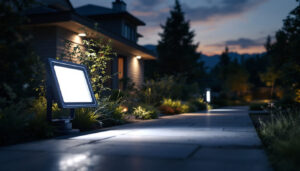
Outdoor lighting is another area where LED technology shines. From streetlights to landscape lighting, LEDs provide bright, reliable illumination that enhances safety in public spaces. They can be equipped with smart technology, such as motion sensors, to ensure that lights are only activated when needed, further conserving energy while maintaining safety.
Smart Technology and Safety Enhancements
The integration of smart technology with LED lighting has opened new avenues for enhancing safety in lighting installations. Smart LED systems can be programmed to respond to various conditions, improving overall safety and efficiency.
Motion Sensors and Adaptive Lighting
Smart LED systems can include motion sensors that automatically adjust lighting based on occupancy. In areas such as stairwells or parking lots, lights can brighten when someone approaches, ensuring visibility and deterring potential threats. This adaptive lighting not only enhances safety but also contributes to energy savings, as lights are not left on unnecessarily.
Remote Monitoring and Control
Advanced LED systems can be monitored and controlled remotely. This capability allows contractors and facility managers to ensure that all lights are functioning correctly and to address any issues promptly. For example, if a light goes out in a critical area, it can be immediately reported and replaced, maintaining safety standards without delay.
Compliance with Safety Standards
When installing lighting systems, compliance with safety standards is essential. LED lighting brands often meet or exceed these standards, making them a reliable choice for contractors.
Regulatory Compliance
Many LED manufacturers adhere to strict regulatory guidelines, ensuring that their products are safe for use in various environments. This compliance is crucial for contractors who must meet local and national safety codes. By choosing reputable LED brands, contractors can ensure that their installations not only enhance safety but also comply with all necessary regulations.
Certifications and Testing
LED lights are often subjected to rigorous testing and certification processes. Products that carry certifications from recognized organizations provide assurance of their safety and performance. Contractors should look for certifications such as UL, CE, or Energy Star when selecting LED products for their installations, ensuring that they are making safe and reliable choices.
Cost-Effectiveness and Safety
While the initial investment in LED lighting may be higher than traditional options, the long-term savings and safety benefits make them a cost-effective solution for contractors.
Lower Maintenance Costs
The longevity of LED lights translates to lower maintenance costs over time. Fewer replacements mean reduced labor costs and less downtime for businesses. This reliability not only enhances safety by minimizing the need for frequent installations but also allows contractors to focus on other critical aspects of their projects.
Energy Savings
Energy-efficient LED lighting systems significantly reduce electricity bills. This reduction in energy consumption not only benefits the environment but also allows businesses to allocate funds towards other safety measures, such as training or equipment upgrades. By investing in LED technology, contractors can help their clients save money while enhancing safety.
Conclusion
LED light brands play a crucial role in enhancing safety in lighting installations. From their energy efficiency and longevity to their superior visibility and compliance with safety standards, LEDs offer numerous advantages that contractors can leverage. By understanding the various applications and benefits of LED technology, lighting contractors can create safer environments for their clients while also ensuring cost-effectiveness and reliability.
As the lighting industry continues to evolve, embracing LED technology will not only improve safety but also position contractors as leaders in providing innovative and effective lighting solutions. The future of lighting is bright, and LED technology is at the forefront of this transformation.
Illuminate Your Projects with LumenWholesale
Ready to elevate the safety and efficiency of your lighting installations while maximizing cost savings? Look no further than LumenWholesale for all your LED lighting needs. We offer an exceptional range of top-quality, spec-grade lighting products at unbeatable wholesale prices, ensuring you get the best value for every project. Say goodbye to inflated markups and hello to hassle-free bulk buying with free shipping. Trust in our industry-standard selection for reliable, high-performance lighting solutions. Make the smart choice for your business and explore our Wholesale Lighting at the Best Value today.