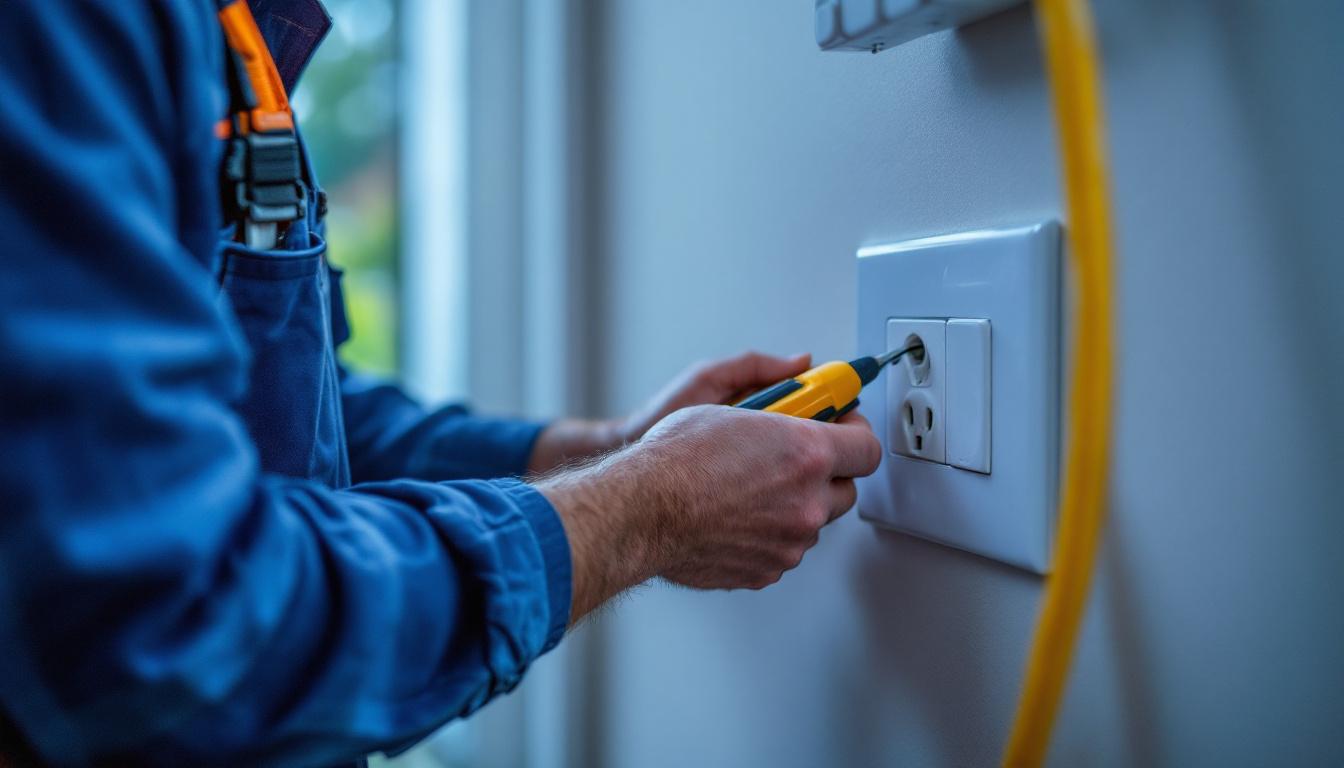
Lighting is an essential aspect of any construction or renovation project, and understanding the intricacies of light connectors can significantly enhance the quality and efficiency of the work performed by lighting contractors. This article delves into the secrets of mastering light connectors, offering insights that can elevate a contractor’s expertise and improve project outcomes.
Understanding Light Connectors
Light connectors are pivotal components in the realm of electrical installations, serving as the junctions that facilitate the flow of electricity to lighting fixtures. These connectors come in various types and configurations, each designed to meet specific needs and applications. A solid understanding of these connectors is crucial for any lighting contractor looking to deliver high-quality installations.
Types of Light Connectors
There are several types of light connectors, each with its unique characteristics and applications. The most common types include wire nuts, push-in connectors, and terminal blocks. Wire nuts are perhaps the most familiar, providing a reliable method for joining multiple wires together. They are easy to use and can accommodate a range of wire sizes, making them a popular choice among contractors.
Push-in connectors, on the other hand, offer a tool-free installation method that allows for quick and secure connections. These connectors are ideal for tight spaces and can significantly reduce installation time. Terminal blocks provide a more permanent solution, often used in commercial applications where multiple connections are necessary. Understanding the strengths and limitations of each type is essential for selecting the right connector for any given project.
Choosing the Right Connector
Selecting the appropriate light connector is crucial for ensuring the safety and reliability of the lighting installation. Factors such as wire gauge, current rating, and environmental conditions must be taken into account. For instance, in outdoor applications, connectors must be rated for moisture resistance to prevent corrosion and ensure longevity.
Additionally, contractors should consider the ease of installation and maintenance when choosing connectors. Some connectors may be more user-friendly than others, which can save time and reduce the likelihood of errors during installation. A thorough understanding of the project requirements will guide contractors in making the best choice.
Moreover, it’s important to stay updated on industry standards and regulations regarding electrical installations. Compliance with local codes not only ensures safety but also protects the integrity of the installation. For example, certain regions may have specific requirements for connectors used in high-voltage applications or in areas prone to extreme weather conditions. Familiarity with these regulations can help contractors avoid costly mistakes and ensure that the installation passes inspections without issues.
Another factor to consider is the compatibility of connectors with various lighting technologies. With the rise of LED lighting, which often requires different electrical characteristics compared to traditional incandescent bulbs, using the right connector is essential for optimal performance. Some connectors are specifically designed to handle the lower wattage and unique electrical demands of LEDs, ensuring that the lighting system operates efficiently and effectively over time.
Installation Techniques
Proper installation techniques are vital for achieving optimal performance from light connectors. A well-executed installation not only enhances the reliability of the lighting system but also minimizes the risk of electrical hazards. Mastering these techniques can set a contractor apart in a competitive market.
Preparation is Key
Before beginning any installation, thorough preparation is essential. This includes ensuring that all tools and materials are readily available and that the workspace is clean and organized. Contractors should also review the project plans and specifications to confirm that they understand the requirements and any potential challenges that may arise.
Additionally, inspecting the wires for damage or wear is crucial. Damaged wires can lead to poor connections and may pose safety risks. Taking the time to prepare adequately can prevent costly mistakes and ensure a smoother installation process. Furthermore, contractors should familiarize themselves with the specific lighting fixtures and connectors they will be using, as different products may have unique installation requirements. This knowledge can significantly reduce the likelihood of errors and enhance the overall efficiency of the installation.
Proper Techniques for Connecting Wires
When connecting wires, it is important to follow best practices to ensure a secure and reliable connection. For wire nuts, stripping the wire insulation to the correct length is critical. The stripped wire should be twisted together before applying the wire nut, ensuring a tight fit that can withstand vibrations and movement.
For push-in connectors, the wire should be inserted fully until it clicks into place, indicating a secure connection. It is advisable to tug gently on the wire to confirm that it is firmly seated. Terminal blocks require careful attention to the torque specifications to avoid over-tightening, which can damage the wires or the connector itself. Additionally, using heat-shrink tubing can provide an extra layer of protection against moisture and environmental factors, ensuring that the connections remain intact over time. It is also beneficial to label wires during the installation process, as this practice can simplify troubleshooting and maintenance in the future, making it easier to identify and address any issues that may arise down the line.
Safety Considerations
Safety should always be a top priority for lighting contractors. Working with electricity poses inherent risks, and understanding safety protocols is essential for preventing accidents and injuries. By adhering to safety guidelines, contractors can create a safer work environment for themselves and their clients.
Personal Protective Equipment (PPE)
Wearing appropriate personal protective equipment is a fundamental aspect of electrical work. Contractors should always don safety glasses to protect their eyes from debris and gloves to prevent electrical shocks. Additionally, non-slip footwear can help prevent accidents on job sites, especially in potentially hazardous conditions.
It is also advisable to use insulated tools when working with live wires. Insulated tools are designed to prevent electrical current from passing through the tool to the user, significantly reducing the risk of shock. Ensuring that all equipment is in good condition and rated for the intended use is crucial for maintaining safety standards.
Understanding Electrical Codes
Familiarity with local electrical codes and regulations is essential for any lighting contractor. These codes dictate the minimum safety standards for electrical installations, including the types of connectors that can be used and their installation methods. Non-compliance can lead to serious safety hazards and legal repercussions.
Contractors should stay informed about any changes to electrical codes and ensure that their work adheres to the latest standards. This not only enhances safety but also builds trust with clients, who can be confident that their installations comply with all relevant regulations.
Common Mistakes to Avoid
Neglecting to Test Connections
One of the most significant mistakes contractors can make is neglecting to test connections after installation. Failing to verify that all connections are secure can lead to issues such as flickering lights or complete circuit failures. Using a multimeter to test voltage and continuity can help identify any problems before the project is completed, saving time and resources in the long run.
Additionally, conducting a thorough inspection of the entire lighting system can help catch any potential issues early on. This proactive approach not only enhances the reliability of the installation but also demonstrates professionalism to clients.
Overlooking Environmental Factors
Another common mistake is overlooking environmental factors that can impact the performance of light connectors. For example, using connectors that are not rated for outdoor use in wet or humid environments can lead to corrosion and failure over time. Understanding the specific conditions in which the lighting system will operate is crucial for selecting the right connectors and ensuring their longevity.
Contractors should also consider factors such as temperature fluctuations and exposure to chemicals when selecting materials. By taking these environmental factors into account, contractors can make informed decisions that enhance the durability and reliability of their installations.
Advanced Techniques for Professionals
For those looking to elevate their skills further, mastering advanced techniques in light connector installation can provide a competitive edge. These techniques often require a deeper understanding of electrical systems and a commitment to ongoing education and training.
Utilizing Smart Connectors
As technology continues to evolve, smart connectors are becoming increasingly popular in lighting installations. These connectors allow for remote control and automation of lighting systems, offering enhanced convenience and energy efficiency. Understanding how to integrate smart connectors into traditional lighting systems can set contractors apart from their competitors.
Contractors should familiarize themselves with the various smart lighting technologies available and how they can be integrated into existing systems. This knowledge not only enhances the contractor’s skill set but also meets the growing demand for smart home solutions among clients.
Continuous Education and Training
The field of electrical work is constantly evolving, with new technologies and techniques emerging regularly. To stay ahead, lighting contractors should prioritize continuous education and training. This can include attending workshops, enrolling in online courses, or participating in industry conferences.
By staying informed about the latest advancements, contractors can enhance their skills and offer clients the most up-to-date solutions. This commitment to professional development not only benefits the contractor but also contributes to the overall quality of the industry.
Conclusion
Mastering light connectors is an essential aspect of being a successful lighting contractor. By understanding the various types of connectors, employing proper installation techniques, prioritizing safety, and avoiding common mistakes, contractors can enhance their expertise and deliver high-quality installations.
Furthermore, embracing advanced techniques and committing to continuous education can set contractors apart in a competitive market. As the demand for innovative lighting solutions continues to grow, those who are well-versed in the intricacies of light connectors will be better positioned to meet the needs of their clients and excel in their careers.
Get the Best in Lighting with LumenWholesale
Ready to take your lighting projects to the next level? At LumenWholesale, we provide lighting contractors like you with the highest quality, spec-grade lighting products at prices that can’t be beaten. Say goodbye to local distributor markups and hello to our extensive selection that meets rigorous industry standards. With free shipping on bulk orders, you can trust that you’re getting premium lighting at the best value — no hidden fees, no compromises. Elevate your installations with the perfect combination of quality, affordability, and convenience. Explore our wholesale lighting options now and see the difference for yourself.