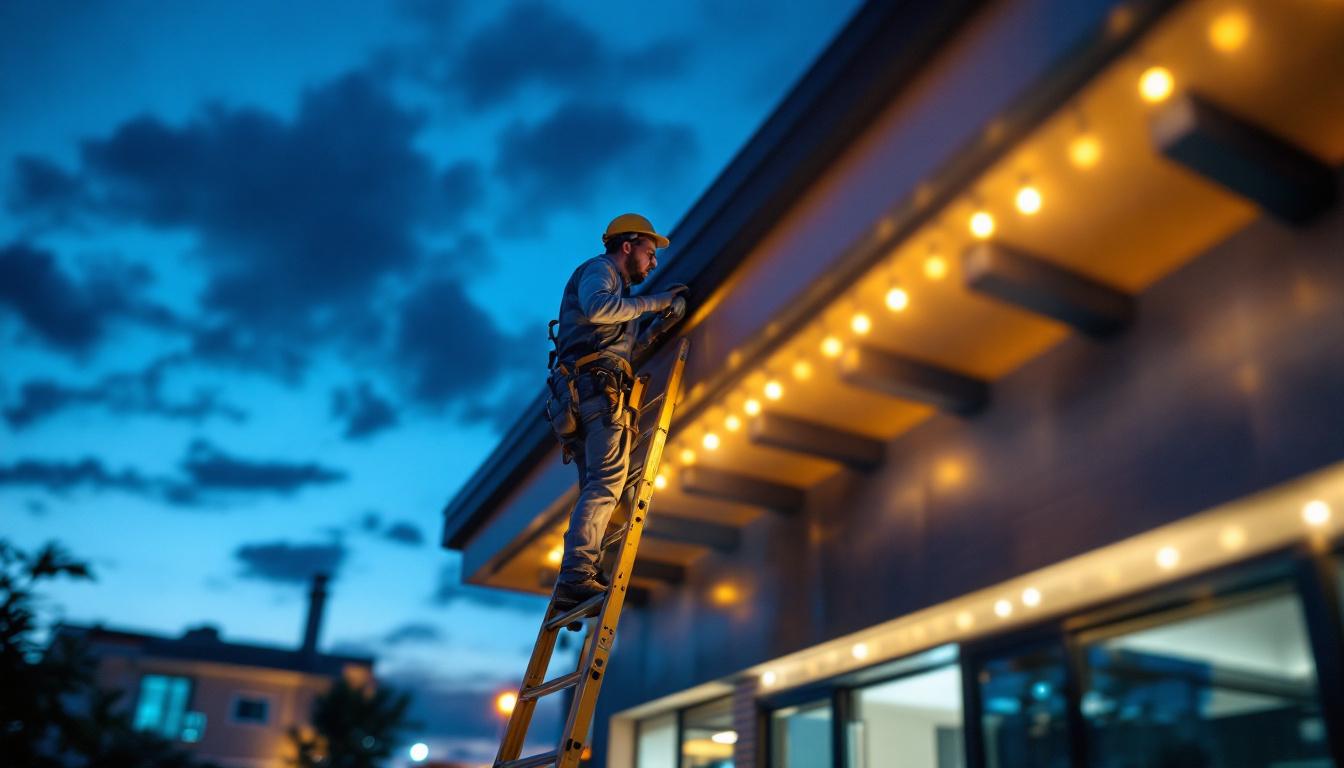
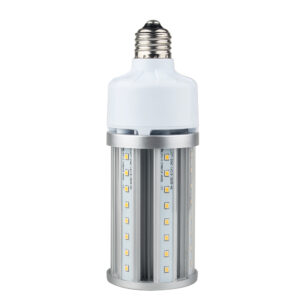
In the ever-evolving world of lighting design, LED technology has emerged as a game-changer, particularly in roofing applications. This guide aims to equip lighting contractors with comprehensive knowledge about LED lighting for roofs, covering everything from installation techniques to energy efficiency. With the right insights, contractors can enhance their service offerings and meet the growing demand for innovative lighting solutions.
Understanding LED Technology
LED, or Light Emitting Diode, is a semiconductor device that emits light when an electric current passes through it. This technology has transformed the lighting industry by providing energy-efficient, long-lasting, and versatile lighting solutions. Unlike traditional lighting methods, LEDs do not rely on filaments or gas, which makes them more durable and less prone to breakage. This inherent resilience is one of the key reasons why LEDs have become a preferred choice in both residential and commercial applications.
The Advantages of LED Lighting
One of the most significant benefits of LED lighting is its energy efficiency. LEDs consume significantly less power compared to traditional incandescent or fluorescent lights, which can lead to substantial cost savings for clients. Additionally, LEDs have a longer lifespan, often lasting up to 25 times longer than conventional bulbs, reducing the need for frequent replacements. This longevity not only minimizes maintenance costs but also contributes to a lower carbon footprint, making LEDs an environmentally friendly choice.
Another advantage is their versatility. LEDs are available in various colors and can be easily integrated into different architectural designs. This flexibility allows contractors to create unique lighting effects that enhance the aesthetic appeal of roofs. Furthermore, with advancements in technology, LEDs can now be dimmed and controlled remotely, enabling users to customize their lighting experience based on mood or occasion. This adaptability makes LED lighting suitable for both functional and decorative purposes, catering to a wide range of consumer needs.
Common Applications of LED Roof Lighting
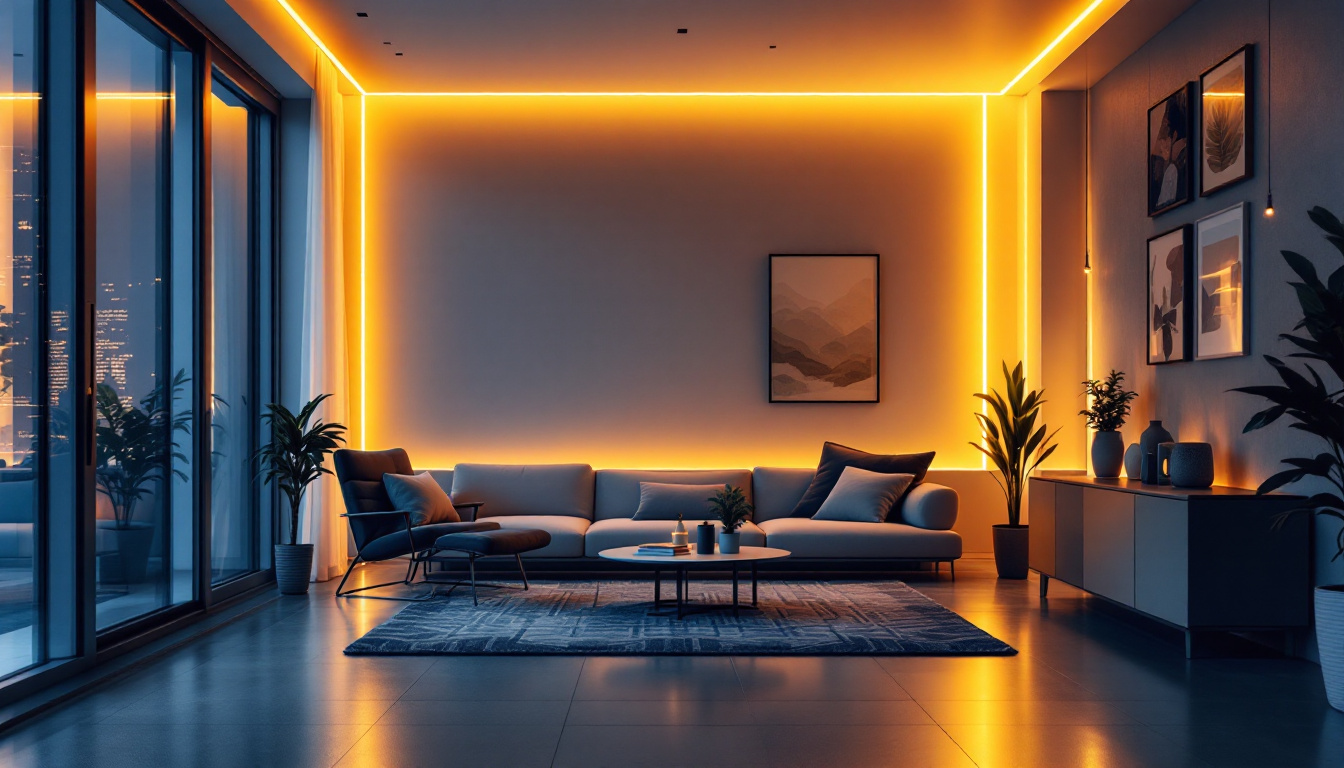
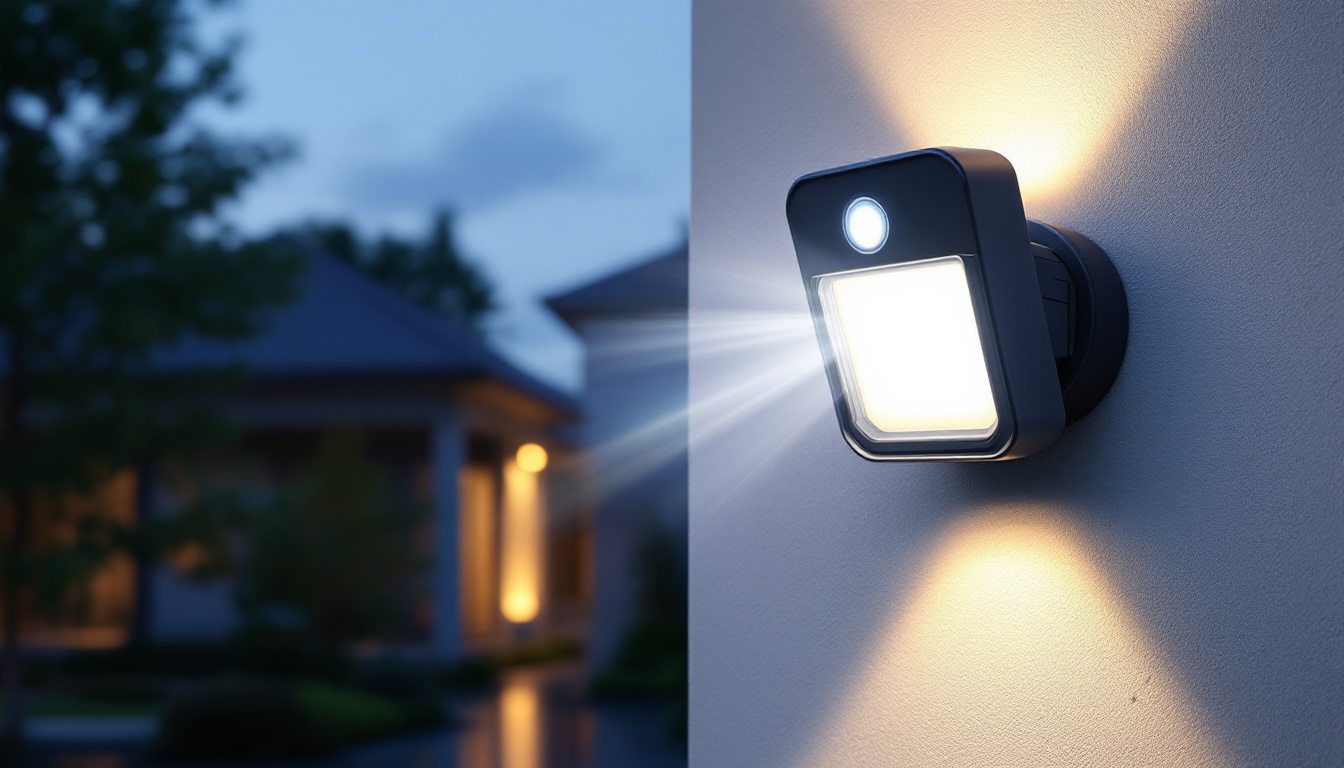
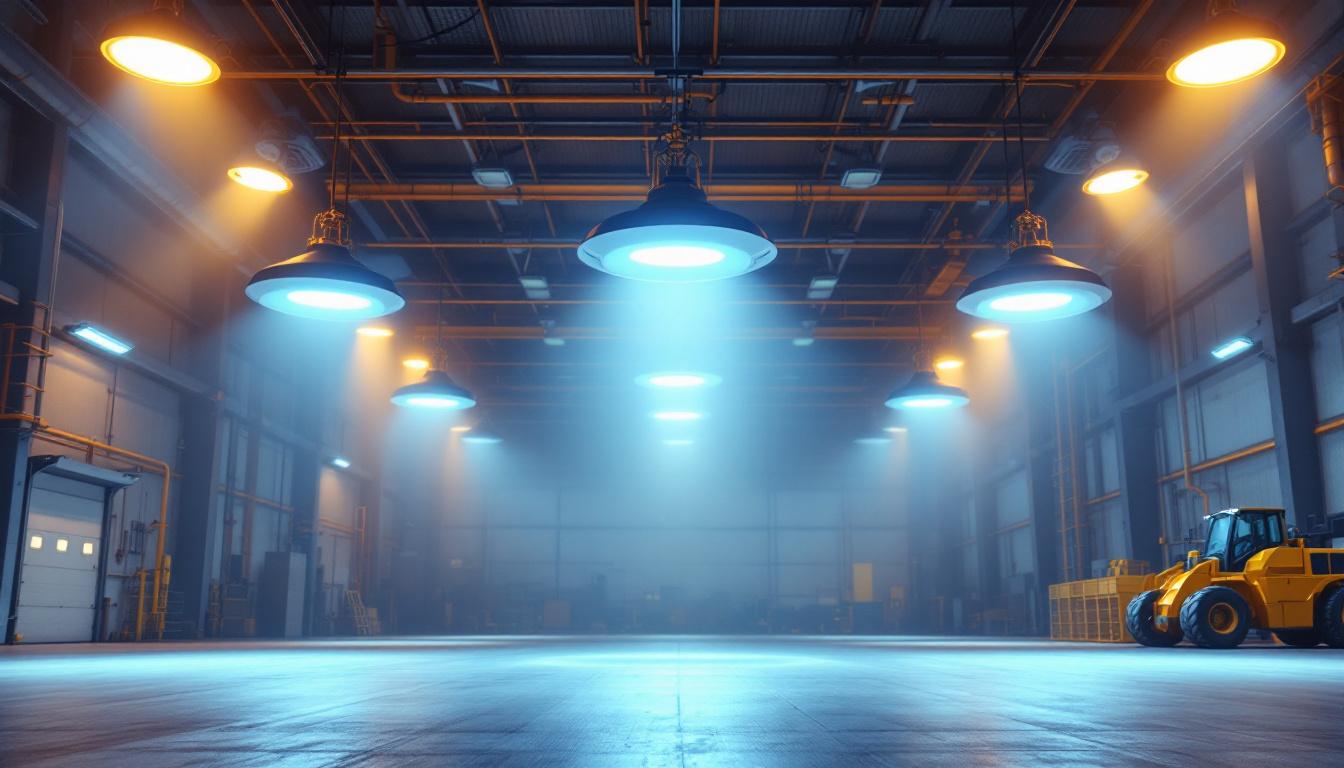
LED roof lighting can be employed in various applications, including residential, commercial, and industrial settings. In residential projects, LED strip lights can be used to highlight architectural features, while in commercial settings, they can illuminate signage and branding elements. Industrial applications often utilize LED floodlights for security and safety purposes. These floodlights not only provide bright illumination but also have features such as motion sensors, which enhance security by automatically activating when movement is detected.
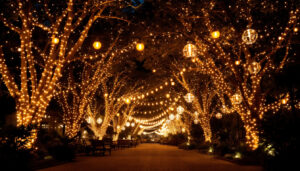
Moreover, LED lighting can be utilized for decorative purposes during special events or holidays, providing an opportunity for contractors to expand their service offerings. For instance, during festive seasons, LED lights can be arranged in intricate patterns on rooftops, creating a captivating display that attracts attention and enhances the celebratory atmosphere. Additionally, the ability to program LED lights for dynamic color changes and patterns allows for creative expressions that can transform ordinary spaces into extraordinary experiences. This versatility opens up new avenues for designers and contractors, enabling them to offer customized solutions that cater to the unique preferences of their clients.
Design Considerations for LED Roof Lighting
Designing an effective LED lighting system for roofs requires careful consideration of several factors. These include the type of building, the intended use of the space, and the desired aesthetic effect.
Assessing the Building Structure
Before installation, it is crucial to assess the building structure. The roof’s material, slope, and overall design will influence the choice of lighting fixtures. For instance, flat roofs may benefit from recessed lighting, while sloped roofs might require surface-mounted fixtures.
Additionally, understanding the load-bearing capacity of the roof is essential to ensure that the chosen lighting fixtures can be safely installed without compromising structural integrity. This assessment may involve consulting with structural engineers or architects to evaluate the roof’s design and ensure that it can accommodate the weight of the lighting systems, especially if integrating heavier fixtures or additional features like solar panels.
Determining the Lighting Requirements
Contractors must determine the lighting requirements based on the intended use of the roof space. For example, a rooftop garden may require ambient lighting to create a relaxing atmosphere, while a commercial rooftop may need brighter, more focused lighting for safety and visibility.
It is also essential to consider the color temperature of the LEDs, as this can significantly impact the ambiance. Warmer tones are often preferred for residential settings, while cooler tones may be more suitable for commercial environments. Furthermore, the placement of the lighting fixtures should be strategically planned to minimize shadows and maximize illumination across the entire area. This can involve using a combination of direct and indirect lighting techniques, which can enhance the overall aesthetic and functionality of the rooftop space.
Moreover, energy efficiency is a critical factor in modern lighting design. Utilizing dimmable LED fixtures and smart lighting controls can allow for adjustments based on the time of day or specific events, reducing energy consumption while maintaining optimal lighting levels. Incorporating sensors that adjust brightness based on ambient light can further enhance energy savings and create a more sustainable lighting solution.
Installation Techniques for LED Roof Lighting
Proper installation is critical to ensuring the longevity and effectiveness of LED roof lighting. This section outlines some best practices for contractors to follow during the installation process.
Choosing the Right Fixtures
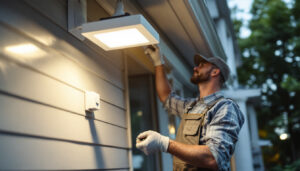
Selecting the appropriate fixtures is the first step in the installation process. Contractors should consider factors such as waterproof ratings, brightness levels, and energy efficiency when choosing LED fixtures. For outdoor applications, fixtures with a high IP (Ingress Protection) rating are recommended to withstand various weather conditions.
Additionally, using fixtures that allow for easy maintenance can save time and resources in the long run. For example, modular fixtures can be easily replaced without needing to remove the entire unit.
Wiring and Electrical Considerations
When it comes to wiring, contractors must adhere to local electrical codes and regulations. This includes using the appropriate gauge wire for the load and ensuring all connections are secure and weatherproof.
Moreover, incorporating dimmers or smart controls can provide clients with greater flexibility and energy savings. These systems allow users to adjust the brightness levels according to their preferences and needs.
Energy Efficiency and Sustainability
Energy efficiency is one of the most compelling reasons to adopt LED technology. As contractors, understanding the sustainability aspect of LED lighting can not only enhance service offerings but also appeal to environmentally conscious clients.
Calculating Energy Savings
To effectively communicate the benefits of LED lighting to clients, contractors should be prepared to calculate potential energy savings. This involves comparing the wattage of traditional lighting solutions with that of LEDs and estimating the annual energy costs based on usage.
For instance, if a traditional fixture consumes 100 watts and is replaced with a 20-watt LED, the energy savings can be substantial over time. Providing clients with a clear breakdown of these savings can help justify the initial investment in LED technology.
Promoting Sustainable Practices
Incorporating sustainable practices into lighting projects can enhance a contractor’s reputation and attract eco-conscious clients. This includes using recyclable materials for fixtures and packaging, as well as implementing energy-efficient installation practices.
Additionally, educating clients about the benefits of LED lighting in reducing carbon footprints can position contractors as knowledgeable and responsible professionals in the industry.
Maintenance and Troubleshooting
Even the best-installed LED systems require maintenance to ensure optimal performance. Understanding common issues and their solutions is essential for contractors looking to provide ongoing support to their clients.
Routine Maintenance Practices
Routine maintenance for LED roof lighting typically involves cleaning fixtures and checking for any signs of wear or damage. Dust and debris can accumulate on fixtures, reducing light output and efficiency. Regular cleaning can help maintain brightness and prolong the lifespan of the lights.
Contractors should also inspect wiring and connections periodically to ensure everything is secure and functioning correctly. Identifying potential issues early can prevent more significant problems down the line.
Common Issues and Solutions
Some common issues that may arise with LED roof lighting include flickering lights, dimming, or complete failure. Flickering can often be attributed to poor connections or incompatible dimmers, while dimming may indicate that the fixture is nearing the end of its lifespan.
In cases of complete failure, contractors should check the power supply and wiring before replacing the fixture. Understanding these common issues can help contractors provide swift and effective solutions, enhancing client satisfaction.
Future Trends in LED Roof Lighting
The lighting industry is continually evolving, with new technologies and trends emerging regularly. Staying informed about these developments can help contractors remain competitive and offer cutting-edge solutions to clients.
Smart Lighting Solutions
Smart lighting technology is gaining traction, allowing users to control their lighting systems via smartphones or home automation systems. This trend is particularly appealing for residential clients looking for convenience and energy efficiency.
Contractors should familiarize themselves with various smart lighting products and their integration processes. Offering smart lighting solutions can set a contractor apart from competitors and meet the demands of tech-savvy clients.
Advancements in LED Technology
As LED technology continues to advance, new products with improved efficiency, color rendering, and brightness are becoming available. Staying updated on these advancements can help contractors recommend the best products for their clients.
Additionally, innovations such as tunable white LEDs, which allow users to adjust the color temperature, are becoming increasingly popular. Understanding these products can enhance a contractor’s ability to provide customized lighting solutions.
Conclusion
LED lighting for roofs presents a wealth of opportunities for lighting contractors. By understanding the technology, design considerations, installation techniques, and maintenance practices, contractors can deliver exceptional service and innovative solutions to their clients.
As the industry continues to evolve, staying informed about trends and advancements will be crucial for maintaining a competitive edge. Embracing LED technology not only enhances service offerings but also promotes energy efficiency and sustainability, aligning with the growing demand for environmentally responsible solutions.
In conclusion, the future of roof lighting is bright, and with the right knowledge and skills, lighting contractors can illuminate the path forward in this exciting field.
Illuminate Your Projects with LumenWholesale
Ready to take your lighting projects to the next level? At LumenWholesale, we provide lighting contractors like you with the highest quality LED solutions for roof lighting. Our spec-grade products come at unbeatable wholesale prices, ensuring you get the best value for your investment. Say goodbye to local distributor markups and hello to a vast selection of reliable, high-performance lighting that meets the highest industry standards. Plus, with free shipping on bulk orders, you can stock up on premium lighting without any hidden fees. Don’t compromise on quality or cost. Make the smart choice for your business and experience the best in wholesale lighting at LumenWholesale.