Understanding the Tea Light Bulb: A Contractor’s Essential Guide
Tea light bulbs are a unique and often overlooked component in the lighting industry, yet they play a crucial role in various residential and commercial applications. For lighting contractors, understanding the specifications, uses, and installation nuances of tea light bulbs can significantly enhance project outcomes and client satisfaction.
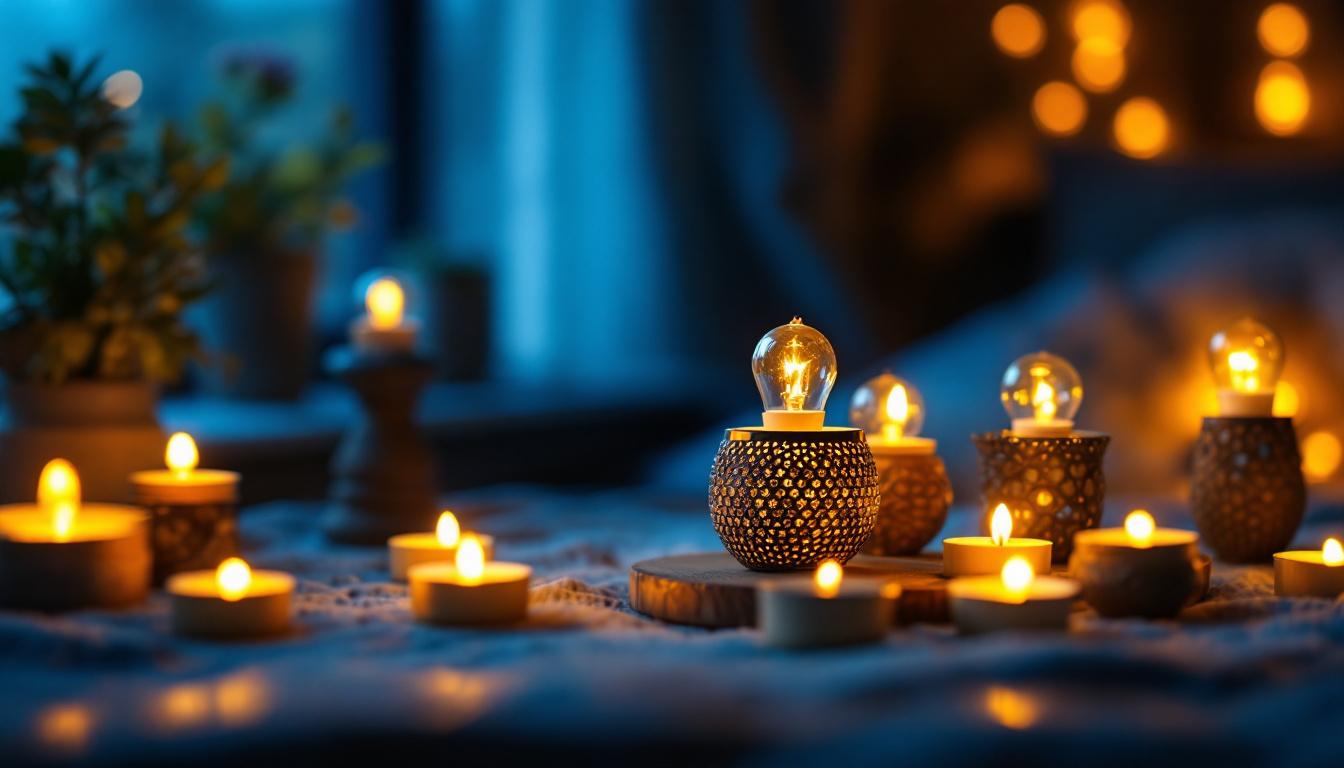
These bulbs are typically small, candle-shaped light sources that mimic the appearance of traditional tea light candles but offer the benefits of electric lighting. Their compact size and aesthetic appeal make them ideal for chandeliers, sconces, decorative fixtures, and accent lighting. However, their modest wattage and specialized fittings require contractors to be precise in selection and installation.
Key Characteristics of Tea Light Bulbs
Tea light bulbs generally come in low wattages ranging from 15 to 40 watts, with a variety of base types such as E12 candelabra or G9 bi-pin bases. They often feature clear or frosted glass to provide either a crisp or diffused light effect. Contractors should note that the bulb’s shape and size must match the fixture to avoid overheating or poor fitment.
Energy efficiency is another critical consideration. Many modern tea light bulbs are available in LED variants, which consume significantly less power and have longer lifespans compared to incandescent counterparts. This shift not only reduces maintenance costs but also aligns with growing energy codes and sustainability goals in commercial and residential projects.
In addition to their energy-efficient properties, tea light bulbs are also available in a variety of color temperatures, ranging from warm white to cool daylight. This versatility allows contractors to create different atmospheres depending on the space and the desired mood. For instance, warm white bulbs are often favored in dining areas and living rooms for their cozy, inviting glow, while cooler temperatures may be more suitable for task-oriented spaces like kitchens or offices. Understanding these nuances can aid contractors in making informed decisions that cater to the specific needs of their clients.
Moreover, the installation of tea light bulbs can sometimes present unique challenges, particularly in fixtures that are designed for traditional incandescent bulbs. It’s essential for contractors to ensure that the fixture’s wiring and dimming capabilities are compatible with the chosen bulb type, especially when dealing with LED variants that may require specific dimmers to function correctly. Additionally, educating clients about the benefits of these bulbs, such as their lower heat output and reduced environmental impact, can foster a better understanding and appreciation for the choices made in lighting design.
Choosing the Right Tea Light Bulb for Your Project
Selecting the appropriate tea light bulb involves more than just matching wattage and base type. Lighting contractors must evaluate the environment, fixture design, and client preferences to ensure optimal performance and aesthetics.
Assessing Fixture Compatibility
One of the most common challenges contractors face is ensuring the tea light bulb fits properly within the fixture. Fixtures designed for tea light bulbs often have limited space, so verifying the bulb’s dimensions and heat dissipation requirements is essential. Using an incompatible bulb can lead to premature fixture failure or safety hazards.
For example, in chandeliers with multiple arms, the bulb’s heat output can accumulate and cause damage if not properly managed. Contractors should consult manufacturer guidelines and, if necessary, opt for LED tea light bulbs that emit less heat while providing comparable brightness. Additionally, considering the fixture’s material is crucial; for instance, glass fixtures may be more susceptible to heat damage than metal ones. Therefore, selecting a bulb that aligns with the fixture’s material properties can enhance longevity and safety.
Color Temperature and Lighting Effects
The color temperature of tea light bulbs influences the ambiance of a space. Warm white bulbs (2700K to 3000K) are ideal for creating cozy, inviting atmospheres in dining rooms or lounges, whereas cooler temperatures (3500K to 4100K) may be preferred in retail or office settings for enhanced visibility.
Contractors should discuss lighting goals with clients to select bulbs that complement interior design and functional needs. Additionally, dimmable tea light bulbs offer greater control over mood and energy consumption, making them a versatile choice for many projects. Beyond just color temperature, the color rendering index (CRI) of the bulb is also an important factor to consider. A higher CRI value means that colors will appear more vibrant and true to life, which is particularly beneficial in spaces like art galleries or showrooms where accurate color representation is essential. By taking into account both color temperature and CRI, contractors can ensure that the lighting not only meets functional requirements but also enhances the overall aesthetic appeal of the environment.
Installation Best Practices for Tea Light Bulbs
Proper installation is critical to ensure safety, longevity, and performance of tea light bulbs. Lighting contractors must adhere to best practices and industry standards to avoid common pitfalls.
Handling and Safety Precautions
Due to their small size and delicate construction, tea light bulbs require careful handling during installation. Contractors should wear gloves or use clean cloths to prevent oils from hands transferring to the bulb surface, which can cause hotspots and reduce bulb life.
Ensuring the power is turned off at the circuit breaker before installation is a fundamental safety step. Additionally, verifying that the fixture’s voltage matches the bulb’s rating prevents electrical hazards and equipment damage. It’s also advisable to use a voltage tester to double-check that no current is flowing, as this adds an extra layer of safety before beginning any work.
Secure Mounting and Connection
Tea light bulbs often use screw or push-in bases that must be firmly seated to maintain electrical contact. Loose connections can cause flickering or intermittent operation. Contractors should inspect sockets for corrosion or damage before installing new bulbs and replace any faulty components.
In multi-bulb fixtures, evenly tightening each bulb helps maintain balanced illumination and reduces the risk of mechanical strain on the fixture arms. Furthermore, using a torque wrench can ensure that the bulbs are secured to the manufacturer’s specifications, preventing future issues related to overheating or electrical failure. It’s also beneficial to consider the orientation of the bulbs; some fixtures may require bulbs to be installed in a specific direction to maximize light output and efficiency.
Additionally, the choice of tea light bulb itself can significantly impact performance. Selecting bulbs with a higher lumen output can enhance the overall brightness of the fixture, while energy-efficient options can lead to lower electricity bills and a reduced carbon footprint. Contractors should also be aware of the color temperature of the bulbs, as warmer tones can create a cozy atmosphere, while cooler tones may be better suited for task lighting. Understanding these nuances can help contractors provide tailored lighting solutions that meet their clients’ specific needs and preferences.
Maintenance and Troubleshooting Tips
Ongoing maintenance is vital to ensure tea light bulbs continue to perform optimally throughout their service life. Lighting contractors often provide maintenance services or guidance to clients, making familiarity with troubleshooting techniques essential.
Identifying Common Issues
Flickering, dimming, or complete failure are typical problems encountered with tea light bulbs. Flickering may indicate loose connections, voltage fluctuations, or incompatible dimmer switches. Dimming could result from aging bulbs or fixture issues, while failure might be due to bulb burnout or socket defects.
Contractors should systematically diagnose these issues, starting with power supply verification, followed by bulb replacement, and finally fixture inspection.
Extending Bulb Lifespan
Using LED tea light bulbs is one of the most effective ways to extend bulb lifespan and reduce maintenance frequency. Additionally, avoiding excessive fixture heat buildup by ensuring adequate ventilation and using bulbs with appropriate wattage ratings helps prevent premature failure.
Regular cleaning of fixtures and bulbs to remove dust and debris also enhances light output and reduces thermal stress.
Emerging Trends and Innovations in Tea Light Bulb Technology
The lighting industry is continuously evolving, and tea light bulbs are no exception. Contractors who stay informed about technological advancements can offer clients cutting-edge solutions that improve efficiency and aesthetics.
Smart Tea Light Bulbs and Integration
Smart lighting technology has expanded into the realm of tea light bulbs, with options now available that integrate with home automation systems. These bulbs can be controlled remotely via smartphone apps, allowing for customizable color settings, scheduling, and energy monitoring.
For contractors working on high-end residential or commercial projects, recommending smart tea light bulbs can add significant value and appeal to tech-savvy clients.
Eco-Friendly and Sustainable Options
Environmental considerations are increasingly influencing lighting choices. Tea light bulbs made from recyclable materials and designed for low energy consumption align with green building standards such as LEED and WELL.
Contractors should prioritize sourcing bulbs from manufacturers committed to sustainability, helping clients meet regulatory requirements and corporate social responsibility goals.
Conclusion: Maximizing Success with Tea Light Bulbs
Tea light bulbs, while small and seemingly simple, require careful attention from lighting contractors to ensure they deliver the desired performance and aesthetic impact. By understanding their characteristics, selecting the right products, following best installation practices, and staying abreast of industry innovations, contractors can enhance their service offerings and client satisfaction.
Incorporating energy-efficient and smart tea light bulbs into projects not only meets modern expectations but also future-proofs lighting installations. Ultimately, a well-informed approach to tea light bulbs contributes to safer, more beautiful, and sustainable lighting solutions.
Illuminate Your Projects with LumenWholesale
Ready to elevate your lighting projects with the finest tea light bulbs on the market? Look no further than LumenWholesale, where we provide contractors with exceptional, spec-grade lighting solutions at unbeatable wholesale prices. Our commitment to quality and affordability ensures that you can light up any space with confidence and creativity. Say goodbye to inflated markups and hello to a vast selection of reliable, high-performance lighting that meets the highest industry standards. Plus, with free shipping on bulk orders, you can stock up on premium lighting without any hidden fees. Don’t compromise on quality or value—Wholesale Lighting at the Best Value is just a click away. Transform your lighting installations with the efficiency and brilliance of LumenWholesale.