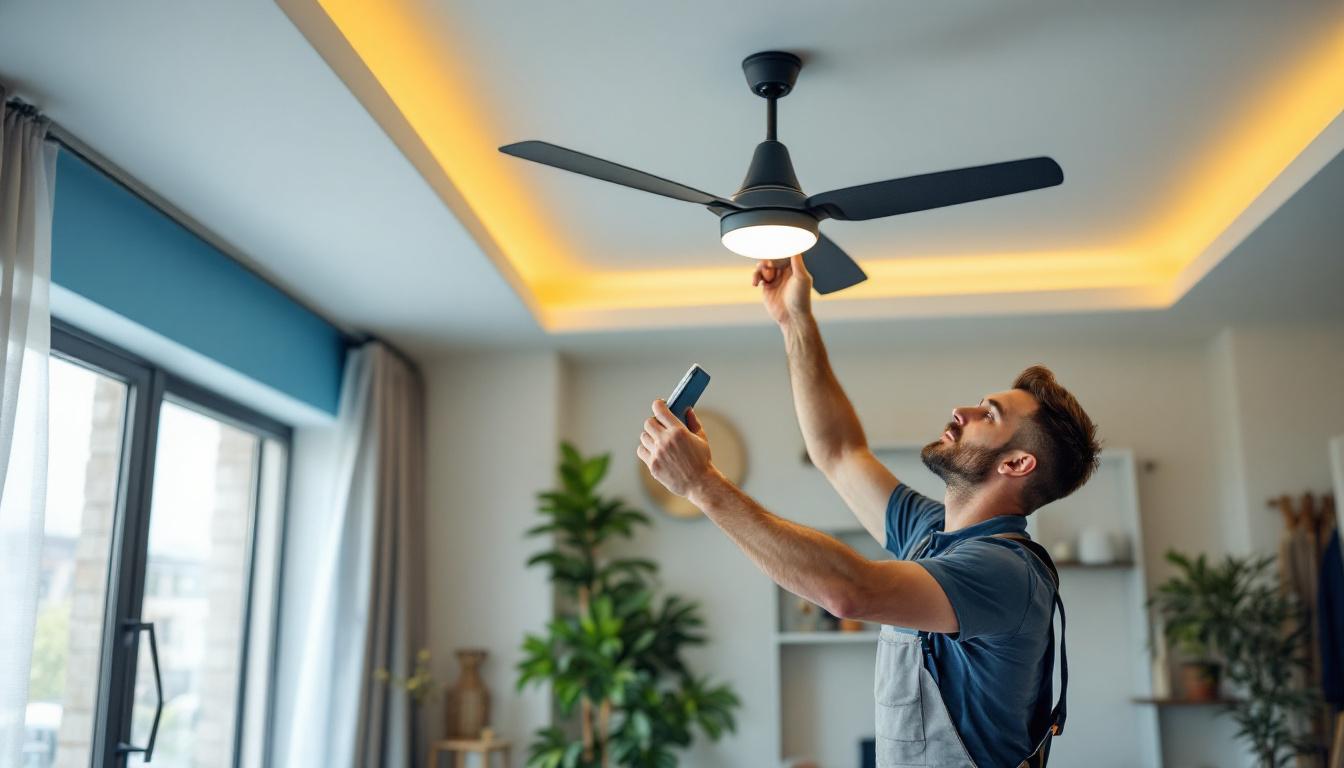
In the ever-evolving world of smart home technology, ceiling fans have become more than just a means to circulate air. They are now integral components of modern smart lighting systems. For lighting contractors, understanding how to effectively integrate fan switches into ceiling fan installations can enhance the functionality of a home and improve client satisfaction. This article explores various hacks and tips for utilizing fan switches effectively, ensuring that contractors can provide top-notch service and innovative solutions.
Understanding Fan Switches
Fan switches are essential for controlling the operation of ceiling fans, allowing users to adjust speed settings and manage lighting options. As a lighting contractor, comprehending the different types of fan switches available can significantly impact the quality of your installations.
Types of Fan Switches
There are several types of fan switches that contractors should be familiar with. The most common include pull-chain switches, wall-mounted switches, and smart switches. Each type has its own advantages and applications.
Pull-chain switches are traditional and straightforward, allowing users to manually control the fan’s speed and light. However, they may not be the most convenient option for modern homes. Wall-mounted switches offer a more integrated approach, providing a clean look and easy access. Smart switches, on the other hand, can be controlled via smartphone apps or voice commands, making them ideal for tech-savvy clients. These smart switches often come equipped with features like scheduling and energy monitoring, which can help homeowners optimize their energy consumption and enhance comfort in their living spaces.
Installation Considerations
When installing fan switches, it is crucial to consider the electrical wiring and compatibility with the ceiling fan model. Ensuring that the switch can handle the fan’s wattage and current is vital to avoid potential hazards. Additionally, understanding the layout of the home can help determine the best placement for switches, enhancing usability.
Moreover, contractors should be aware of local building codes and regulations regarding electrical installations. Compliance with these standards not only ensures safety but also protects the contractor from legal issues down the line. It is also beneficial to educate clients about the importance of regular maintenance for their ceiling fans and switches. This includes checking for loose connections, ensuring that the fan blades are clean and balanced, and replacing any worn-out switches to maintain optimal performance. By providing this information, contractors can foster trust and establish long-term relationships with their clients, ultimately leading to repeat business and referrals.
Innovative Hacks for Enhanced Functionality
Incorporating fan switches into ceiling fan installations can be straightforward, but adding innovative hacks can elevate the functionality of the systems. Here are some creative solutions that contractors can implement.
Integrating with Smart Home Systems
One of the most effective ways to enhance ceiling fan functionality is by integrating fan switches with existing smart home systems. This can be achieved through the use of smart hubs or compatible devices that allow for seamless communication between the fan and other smart devices.
For instance, linking the fan switch to a smart thermostat can optimize energy efficiency. When the thermostat detects that the temperature is rising, it can automatically adjust the fan speed, providing comfort while reducing energy consumption. This integration not only adds convenience for the homeowner but also showcases the contractor’s ability to deliver cutting-edge solutions. Furthermore, homeowners can also use voice commands via virtual assistants like Amazon Alexa or Google Assistant to control their fans, making the experience even more user-friendly and modern.
Creating Multi-Zone Control
Multi-zone control is another hack that can significantly enhance the user experience. By installing multiple fan switches throughout a home, contractors can allow homeowners to control different fans independently. This is particularly useful in larger spaces or open-concept designs where airflow needs may vary.
For example, a homeowner may want to run the living room fan at a higher speed while keeping the bedroom fan on low. By implementing multi-zone control, contractors can cater to these specific needs, providing a tailored solution that enhances comfort and satisfaction. Additionally, this setup allows for energy savings, as homeowners can turn off or adjust fans in rooms that are not in use, further promoting an eco-friendly lifestyle.
Utilizing Remote Controls
Remote controls for ceiling fans are becoming increasingly popular, offering an additional layer of convenience. By installing a compatible fan switch that supports remote control functionality, contractors can provide homeowners with the ability to operate their fans from anywhere in the room.
This feature is particularly beneficial for those with mobility issues or for families with young children. It eliminates the need to reach for pull chains or wall switches, making it easier to adjust fan settings as needed. Additionally, remote controls often come with programmable settings, allowing users to set timers or schedules for their ceiling fans. Some advanced models even include features such as light dimming capabilities, enabling homeowners to create the perfect ambiance for any occasion without needing to install separate lighting controls.
Moreover, the latest remote controls can be designed with sleek, modern aesthetics that complement the overall decor of the room, enhancing not just functionality but also the visual appeal of the space. With options for wall-mounted remote stations or handheld devices, homeowners can choose the style that best fits their lifestyle and preferences, making the ceiling fan not just a functional element but a stylish addition to their home.
Enhancing Aesthetics and User Experience
While functionality is crucial, aesthetics also play a significant role in ceiling fan installations. Lighting contractors should consider how fan switches can complement the overall design of a space.
Choosing the Right Switch Design
When selecting fan switches, it’s essential to choose designs that align with the home’s décor. Modern homes may benefit from sleek, minimalistic switches, while traditional homes might require more ornate options. By offering a variety of switch designs, contractors can ensure that the fan controls blend seamlessly with the overall aesthetic.
Moreover, color coordination can enhance the visual appeal. Contractors should consider the color of the walls, fixtures, and furniture when recommending switch designs. A well-coordinated switch can elevate the space and create a cohesive look.
Providing User-Friendly Interfaces
User experience is paramount in smart home technology. Contractors should prioritize switches that are intuitive and easy to operate. This includes ensuring that the labels are clear and that the interface is user-friendly, particularly for smart switches that may require app integration.
Offering demonstrations during the installation process can also be beneficial. By showing homeowners how to operate their new fan switches, contractors can help alleviate any confusion and ensure that clients feel confident using their new systems.
Energy Efficiency and Sustainability
As energy efficiency becomes increasingly important, contractors have an opportunity to promote sustainable practices through their installations. Fan switches can play a significant role in reducing energy consumption and promoting eco-friendly living.
Smart Scheduling and Automation
Smart fan switches often come with scheduling features that allow homeowners to set specific times for their fans to operate. By programming fans to run only when needed, homeowners can significantly reduce energy consumption. Contractors should educate clients on the benefits of utilizing these features to promote energy efficiency.
Additionally, integrating fan switches with motion sensors can further enhance energy savings. For example, a fan can be programmed to turn on when someone enters a room and turn off when the room is empty. This automation not only saves energy but also adds a level of convenience for homeowners.
Promoting Energy-Efficient Fan Models
When recommending ceiling fans, contractors should prioritize energy-efficient models. Fans that are rated for energy efficiency can significantly reduce electricity bills and contribute to a more sustainable home. By pairing these fans with smart switches, contractors can create a comprehensive energy-efficient solution.
Furthermore, educating clients about the long-term savings associated with energy-efficient fans can help justify the initial investment. This knowledge can empower homeowners to make informed decisions that benefit both their wallets and the environment.
Common Challenges and Solutions
While integrating fan switches into ceiling fan installations can offer numerous benefits, contractors may encounter challenges along the way. Being prepared to address these issues can ensure smooth installations and satisfied clients.
Dealing with Wiring Issues
One of the most common challenges contractors face is dealing with existing wiring. Older homes may have outdated wiring that is not compatible with modern fan switches. In such cases, it may be necessary to rewire certain areas to accommodate new installations.
Contractors should conduct thorough assessments of the existing electrical systems before installation. This proactive approach can help identify potential issues early on, allowing for timely solutions and minimizing disruptions during the installation process.
Client Education and Support
Another challenge is ensuring that clients fully understand how to use their new fan switches. Many homeowners may feel overwhelmed by the technology, leading to frustration and dissatisfaction. Providing comprehensive education and support is crucial.
Contractors should offer detailed instructions and be available for follow-up questions. Creating user-friendly guides or video tutorials can also enhance the client experience, ensuring that homeowners feel empowered to utilize their new systems effectively.
Conclusion
Incorporating fan switches into ceiling fan installations presents a wealth of opportunities for lighting contractors. By understanding the various types of switches, implementing innovative hacks, and prioritizing aesthetics and energy efficiency, contractors can elevate their services and enhance client satisfaction.
As the demand for smart home technology continues to grow, staying informed about the latest trends and solutions is essential. By embracing these strategies, contractors can position themselves as leaders in the industry, ready to meet the evolving needs of homeowners.
Ultimately, the integration of fan switches into ceiling fans not only enhances functionality but also contributes to a more comfortable, efficient, and stylish living environment. With the right knowledge and approach, lighting contractors can thrive in this dynamic market.
Get Your Premium Lighting Supplies at LumenWholesale
Ready to take your lighting installations to the next level? LumenWholesale is your go-to source for the highest quality, spec-grade lighting products that will set your services apart. Say goodbye to local distributor markups and hello to our unbeatable wholesale prices. With our extensive selection, you can ensure every ceiling fan installation shines with reliability and performance. Plus, with free shipping on bulk orders, you’ll enjoy the best value without any hidden costs. Elevate your smart lighting solutions today by visiting Wholesale Lighting at the Best Value and experience the LumenWholesale difference.