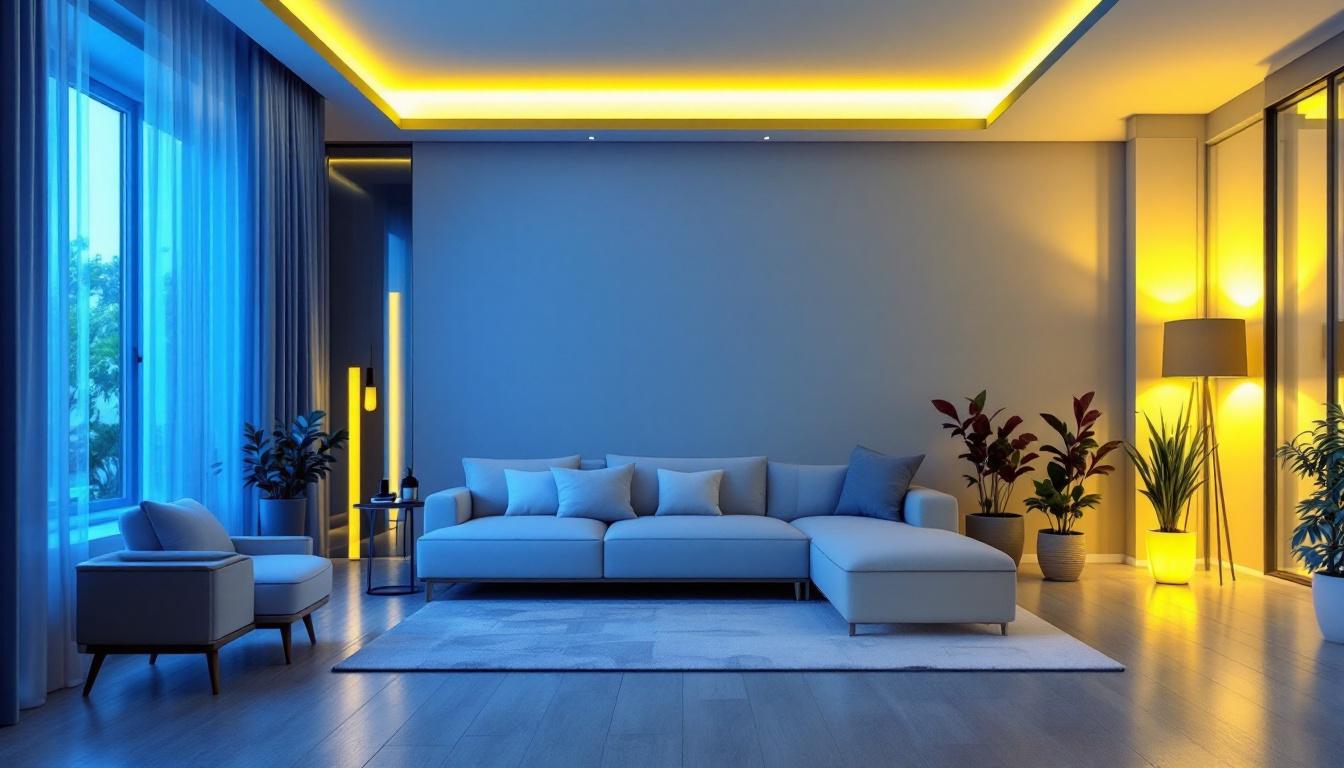
Introduction to Smart House Lighting Systems
As technology continues to evolve, the integration of smart systems into residential environments has become increasingly prevalent. Smart house lighting systems are at the forefront of this evolution, offering homeowners enhanced control, energy efficiency, and convenience. For lighting contractors, understanding the intricacies of these systems is essential for successful installation and compliance with industry standards.
This article delves into the compliance aspects of smart house lighting systems, providing insights into what lighting contractors need to know to navigate this dynamic landscape effectively.
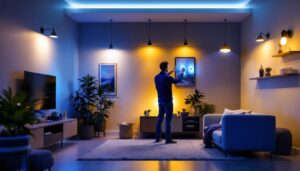
Smart house lighting systems not only provide homeowners with the ability to control their lights remotely via smartphones or voice commands but also incorporate advanced features such as automated scheduling, mood lighting, and energy monitoring. These systems can be programmed to adjust lighting based on the time of day, occupancy, or even the weather, creating a more personalized and efficient living environment. For instance, during daylight hours, smart lights can automatically dim or turn off when natural light is sufficient, significantly reducing energy consumption and costs.
Moreover, the integration of smart lighting with other home automation systems, such as security and HVAC, enhances overall home management. Lighting contractors must be well-versed in the various protocols and standards that govern these integrations, such as Zigbee, Z-Wave, and Wi-Fi, to ensure compatibility and optimal performance. Understanding these technologies not only aids in the installation process but also empowers contractors to provide valuable recommendations to homeowners, helping them make informed decisions about their smart lighting solutions.
Understanding Smart Lighting Technology
Smart lighting technology encompasses a range of products and systems designed to improve the functionality and efficiency of residential lighting. These systems typically include features such as remote control, automation, and integration with other smart home devices. This section will explore the key components that define smart lighting technology.
Key Components of Smart Lighting
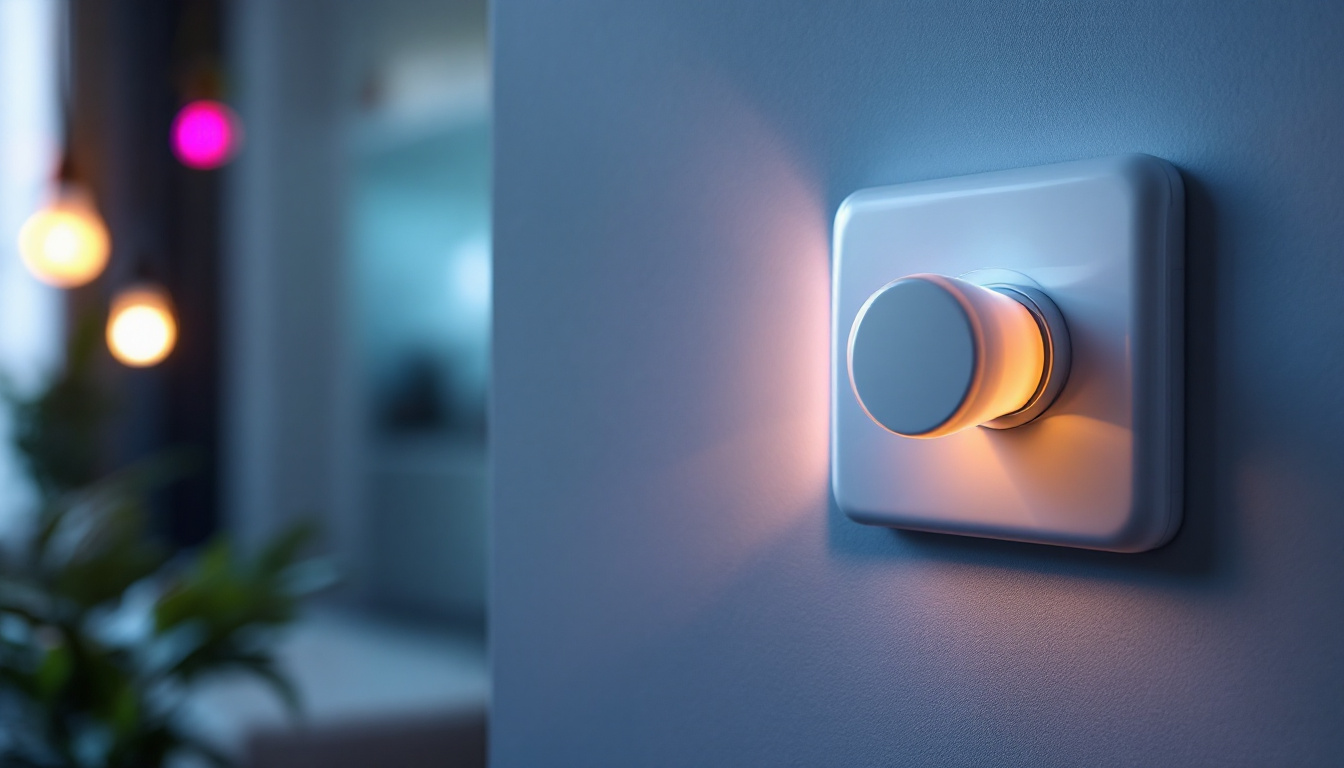
At the heart of smart lighting systems are several key components that work together to create a seamless user experience. These include smart bulbs, lighting controls, and hubs or gateways. Smart bulbs can be controlled via apps or voice commands, allowing users to adjust brightness, color, and even set schedules. Lighting controls, such as dimmers and switches, often feature wireless connectivity, enabling remote access and automation.
Hubs or gateways serve as the central point of communication for smart devices, allowing for interoperability among various products. This integration is crucial for creating a cohesive smart home ecosystem, where lighting can be synchronized with security systems, thermostats, and other devices.
Benefits of Smart Lighting Systems
The benefits of smart lighting systems extend beyond mere convenience. Energy efficiency is a significant advantage, as smart bulbs consume less energy than traditional incandescent bulbs. Additionally, the ability to control lighting remotely can lead to reduced energy costs, as homeowners can turn off lights when they are not needed.
Moreover, smart lighting can enhance security by allowing homeowners to program lights to simulate occupancy when they are away. This feature can deter potential intruders and provide peace of mind. Overall, the combination of energy savings, convenience, and security makes smart lighting an attractive option for modern homeowners.
Compliance Standards for Smart Lighting Systems
Compliance with industry standards is a critical aspect of installing smart lighting systems. These standards ensure safety, reliability, and interoperability among different devices. Lighting contractors must be familiar with the relevant regulations and guidelines to ensure their installations meet compliance requirements.
National Electrical Code (NEC) Compliance
The National Electrical Code (NEC) sets the foundation for electrical safety in residential installations, including smart lighting systems. Contractors must adhere to NEC guidelines to ensure that all wiring, devices, and installations are safe and compliant. This includes proper grounding, circuit protection, and installation practices.
Additionally, NEC updates often include provisions specific to smart technology, addressing issues such as load calculations for smart devices and requirements for wireless communication. Staying informed about these updates is essential for contractors to maintain compliance and ensure the safety of their installations.
Energy Efficiency Standards
Energy efficiency standards play a significant role in the adoption of smart lighting systems. Many regions have implemented regulations that require new lighting installations to meet specific energy efficiency criteria. These standards often focus on luminaire efficacy, which measures the amount of light produced per watt of energy consumed.
Contractors should be aware of local energy efficiency regulations and ensure that the smart lighting products they recommend meet or exceed these standards. This not only benefits the environment but also helps homeowners save on energy costs, making smart lighting a more appealing option.
Installation Best Practices for Smart Lighting Systems
Successful installation of smart lighting systems requires a combination of technical knowledge and practical skills. Lighting contractors should follow best practices to ensure that installations are efficient, safe, and compliant with industry standards. This section outlines key installation practices that can enhance the overall quality of smart lighting projects.
Planning and Design Considerations
Before beginning an installation, thorough planning and design are essential. Contractors should assess the homeowner’s needs, preferences, and existing infrastructure. This includes evaluating the layout of the home, determining the appropriate types of fixtures, and considering the integration of smart controls.
Creating a detailed lighting plan can help ensure that the installation meets the homeowner’s expectations while adhering to compliance standards. This plan should include specifications for fixtures, wiring, and control systems, as well as any necessary adjustments to accommodate smart technology.
Wiring and Connectivity
Proper wiring and connectivity are critical components of smart lighting installations. Contractors should ensure that all wiring complies with NEC standards and is suitable for the specific devices being installed. This may involve using low-voltage wiring for smart controls or ensuring that circuits can handle the load of multiple smart devices.
Additionally, contractors should consider the placement of hubs or gateways to ensure optimal connectivity. Signal strength can be affected by distance and obstacles, so careful positioning is vital for reliable operation. Utilizing mesh networks or range extenders may also enhance connectivity in larger homes.
Testing and Commissioning
After installation, thorough testing is essential to ensure that all components are functioning correctly. Contractors should test each fixture, control, and integration point to verify that the system operates as intended. This includes checking for proper dimming, color changes, and responsiveness to remote commands.
Commissioning the system involves providing the homeowner with a demonstration of how to use the smart lighting features effectively. Educating homeowners about the system’s capabilities and how to troubleshoot common issues can lead to higher satisfaction and fewer service calls in the future.
Challenges in Smart Lighting Compliance
While the benefits of smart lighting systems are clear, contractors may encounter various challenges related to compliance and installation. Understanding these challenges can help contractors navigate potential pitfalls and deliver successful projects.
Rapidly Evolving Technology
The pace of technological advancement in the smart lighting industry can pose challenges for contractors. New products and features are continually being introduced, making it essential for contractors to stay informed about the latest developments. This includes understanding compatibility issues, firmware updates, and emerging standards.
Contractors may need to invest time in ongoing education and training to keep up with these changes. Attending industry conferences, participating in training programs, and engaging with manufacturers can help contractors remain knowledgeable and competitive in the market.
Interoperability Issues
Interoperability is a critical factor in the success of smart lighting systems. With numerous manufacturers producing smart devices, compatibility between products can sometimes be an issue. Contractors must be diligent in selecting products that work seamlessly together, ensuring that homeowners can enjoy the full benefits of their smart lighting systems.
To mitigate interoperability issues, contractors should conduct thorough research on the products they recommend. This includes checking for compatibility with popular smart home platforms and ensuring that devices can communicate effectively with one another.
Future Trends in Smart House Lighting Systems
The future of smart house lighting systems is bright, with several trends emerging that will shape the industry. Lighting contractors should be aware of these trends to position themselves effectively in the evolving marketplace.
Increased Integration with IoT Devices
As the Internet of Things (IoT) continues to expand, smart lighting systems will increasingly integrate with a wider range of devices. This includes security cameras, smart thermostats, and home assistants, creating a more cohesive smart home experience. Contractors should be prepared to work with various IoT devices and understand how they can enhance lighting functionality.
This integration will not only improve convenience but also enable more advanced automation scenarios. For example, lights can be programmed to turn on when a security camera detects motion, enhancing both security and energy efficiency.
Focus on Sustainability
With growing awareness of environmental issues, sustainability will become a more significant focus in the smart lighting industry. Contractors should be prepared to recommend energy-efficient products and solutions that align with homeowners’ sustainability goals. This includes promoting LED technology, smart controls that reduce energy consumption, and systems that utilize renewable energy sources.
As homeowners become more conscious of their environmental impact, offering sustainable lighting solutions can differentiate contractors in a competitive market.
Conclusion
Smart house lighting systems represent a significant advancement in residential lighting technology, offering numerous benefits for homeowners. However, for lighting contractors, navigating the compliance landscape is crucial to ensuring successful installations. Understanding industry standards, installation best practices, and emerging trends will empower contractors to deliver high-quality smart lighting solutions that meet the needs of modern homeowners.
By staying informed and adapting to the evolving landscape, lighting contractors can position themselves as trusted experts in the field of smart lighting, paving the way for future success in this dynamic industry.
Get Your Smart Lighting Solutions from LumenWholesale
Ready to elevate your lighting projects with the latest in smart house lighting systems? Look no further than LumenWholesale for all your lighting needs. We provide contractors with high-quality, spec-grade lighting products at unbeatable wholesale prices. Our extensive selection not only meets but exceeds industry standards, ensuring you deliver reliable and high-performance lighting to every homeowner. With the added benefits of free shipping and bulk buying made simple, you can trust LumenWholesale to supply premium lighting at the best value — without hidden fees or compromises. Wholesale Lighting at the Best Value is just a click away. Enhance your smart lighting installations with the perfect blend of quality, affordability, and convenience at LumenWholesale.