In the world of lighting contracting, the fusion of creativity and technical expertise is essential. As a lighting contractor, ensuring the safety and security of your installations is paramount. This article aims to provide quick tips that can enhance your projects while maintaining a focus on security. From understanding the latest technologies to implementing best practices, these insights will help elevate your work and keep your clients satisfied.
Understanding Security in Lighting Design
Security in lighting design goes beyond simply illuminating a space. It involves strategic planning to deter crime, enhance safety, and create an inviting atmosphere. A well-thought-out lighting plan can significantly reduce the likelihood of accidents and criminal activity.
Assessing the Environment
Before embarking on a lighting project, it is crucial to assess the environment thoroughly. Consider factors such as the location, surrounding architecture, and potential vulnerabilities. For instance, areas that are prone to theft or vandalism require brighter, more focused lighting to deter unwanted activities.
Additionally, understanding the natural light available in the space can inform decisions about artificial lighting. Utilizing a combination of natural and artificial light can create a balanced environment that feels secure and welcoming. For example, integrating skylights or large windows can maximize daylight during the day, reducing the need for artificial lighting and creating a more pleasant atmosphere. Furthermore, the layout of the space should be taken into account; ensuring that pathways, entrances, and exits are well-lit can guide visitors safely and discourage potential intruders.
Choosing the Right Fixtures
The choice of lighting fixtures plays a significant role in both aesthetics and security. Opt for fixtures that are durable and resistant to tampering. LED lights are often a popular choice due to their longevity and energy efficiency, but they also come in various styles that can complement any design.
Moreover, consider fixtures that offer features such as motion sensors or timers. These elements not only enhance security by illuminating areas when movement is detected but also provide energy savings by ensuring lights are only on when needed. Additionally, the color temperature of the lights can impact the perception of safety; warmer tones can create a welcoming ambiance, while cooler tones can enhance visibility in critical areas. Incorporating smart lighting solutions can also provide remote control capabilities, allowing property owners to adjust lighting settings or monitor activity from afar, further enhancing security measures.
Incorporating Technology for Enhanced Security
Modern technology has revolutionized the way lighting contractors approach security. Integrating smart lighting solutions can provide added layers of safety and convenience for clients.
Smart Lighting Systems
Smart lighting systems allow for remote control and automation, enabling users to adjust lighting from their smartphones or other devices. This capability can be particularly beneficial for security purposes, as homeowners can turn lights on or off while away, creating the illusion of occupancy.
Furthermore, many smart lighting systems can be programmed to follow specific schedules or respond to environmental changes, such as dusk or dawn. This adaptability not only enhances security but also contributes to energy efficiency. For instance, lights can be set to gradually brighten at sunset, simulating a natural transition that can deter potential intruders. Moreover, some advanced systems utilize motion sensors that can trigger lights to turn on when someone approaches, ensuring that pathways are well-lit and safe for residents returning home after dark.
Integration with Security Systems
Integrating lighting with existing security systems can create a comprehensive safety solution. For example, linking outdoor lights to a security camera system can ensure that lights illuminate when motion is detected, providing both visibility and deterrence.
Additionally, consider incorporating alarms or notifications that alert homeowners when lights are activated unexpectedly. This feature can be a valuable asset in identifying potential security breaches in real-time. Beyond simple notifications, some systems can also send alerts to local authorities if suspicious activity is detected, creating a proactive approach to home security. Furthermore, the ability to monitor and control these systems remotely means that homeowners can manage their security from anywhere in the world, offering peace of mind whether they are on vacation or simply at work. With the rise of artificial intelligence, some smart lighting systems are even capable of learning the homeowner’s habits and preferences, allowing for a tailored security experience that evolves over time, further enhancing the safety of the home environment.
Best Practices for Outdoor Lighting
Outdoor lighting is a critical component of any security plan. Properly designed outdoor lighting can enhance visibility and deter criminal activity while also improving the overall aesthetic of a property. The right lighting not only serves functional purposes but also contributes to the ambiance and character of outdoor spaces, making them more enjoyable for residents and guests alike.
Layering Light Sources
Layering different types of lighting sources can create a more secure environment. Combining ambient, task, and accent lighting can help eliminate dark spots and provide a well-lit area. Ambient lighting offers general illumination, while task lighting focuses on specific areas, such as walkways or entry points. This strategic combination ensures that every corner of the property is adequately lit, making it safer for those who navigate the space after dark.
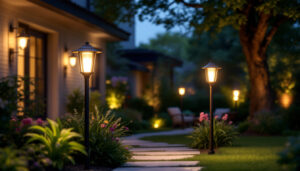
Accent lighting can be used to highlight architectural features or landscaping, adding to the beauty of the property while also ensuring visibility. For instance, illuminating trees or garden beds can create a stunning visual effect that enhances the overall curb appeal. This layered approach not only enhances security but also creates a more inviting atmosphere, encouraging outdoor activities and social gatherings during the evening hours. Furthermore, using energy-efficient LED fixtures can reduce electricity costs while providing bright, effective lighting that lasts longer than traditional bulbs.
Strategic Placement of Lights
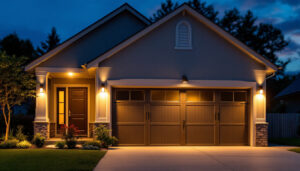
The placement of outdoor lights is crucial for maximizing security. Key areas such as entryways, driveways, and parking lots should be well-lit to discourage trespassers. Additionally, consider installing lights at varying heights to reduce shadows and blind spots. For example, wall-mounted fixtures can illuminate doorways, while pole lights can brighten larger areas like driveways or patios, creating a comprehensive lighting scheme that enhances safety.
Motion-activated lights are particularly effective in outdoor settings, as they can startle intruders and draw attention to suspicious activity. Ensure that these lights are positioned to cover critical areas without creating excessive glare or light pollution. It’s also beneficial to incorporate smart lighting systems that can be controlled remotely, allowing homeowners to adjust lighting settings based on their preferences or even set schedules. This technology not only adds convenience but can also simulate occupancy when the home is unoccupied, further enhancing security measures. Additionally, consider using solar-powered lights in garden areas or along pathways, as they are eco-friendly and can be placed in locations where electrical wiring may be impractical.
Indoor Lighting Security Measures
While outdoor lighting is essential for security, indoor lighting should not be overlooked. Proper indoor lighting can enhance safety and security within a home or commercial space.
Utilizing Timers and Dimmers
Timers and dimmers can be effective tools in creating a secure indoor environment. Timers can be programmed to turn lights on and off at specific intervals, simulating occupancy when homeowners are away. This simple tactic can deter potential intruders who may be monitoring the property.
Dimmers, on the other hand, allow for flexibility in lighting levels. By adjusting the brightness of indoor lights, homeowners can create a cozy atmosphere while still maintaining adequate visibility in key areas.
Emergency Lighting Solutions
Incorporating emergency lighting solutions is vital for ensuring safety during power outages or emergencies. Battery-operated lights or backup generators can provide illumination when it is needed most, guiding occupants to safety.
Consider installing emergency exit signs that are illuminated, ensuring that they are visible even in low-light conditions. This precaution can significantly enhance safety and security, especially in commercial settings.
Educating Clients on Security Practices
As a lighting contractor, educating clients about security practices is essential. Providing them with information on how to optimize their lighting for safety can build trust and enhance their overall satisfaction.
Discussing Maintenance and Upkeep
Regular maintenance of lighting fixtures is crucial for ensuring their effectiveness. Encourage clients to check their outdoor lights periodically for burnt-out bulbs or damaged fixtures. A well-maintained lighting system not only looks better but also functions more effectively in deterring crime.
Additionally, remind clients to clear any obstructions that may block light sources. Overgrown plants or debris can create shadows and dark spots, diminishing the security benefits of outdoor lighting.
Promoting Awareness of Lighting Features
Clients should be made aware of the various features of their lighting systems. For instance, if they have installed smart lighting, ensure they understand how to use the app for remote access and control. Providing a brief tutorial can empower clients to take full advantage of their security features.
Moreover, discuss the importance of using motion sensors and timers effectively. Clients should be informed about the best practices for programming these features to maximize their security potential.
Conclusion: The Future of Security in Lighting
The future of security in lighting is bright, with advancements in technology and design continually evolving. As a lighting contractor, staying informed about the latest trends and best practices is essential for providing clients with the safest and most effective solutions.
By understanding the importance of security in lighting design, incorporating modern technology, and educating clients, lighting contractors can create environments that are not only visually appealing but also secure. Emphasizing these aspects will not only enhance client satisfaction but also establish a reputation for excellence in the industry.
In a world where safety is a top priority, the role of lighting contractors in enhancing security cannot be overstated. By implementing these quick tips and strategies, professionals can ensure that their projects shine brightly while providing peace of mind to their clients.
Illuminate Your Projects with LumenWholesale
Ready to take your lighting projects to the next level? At LumenWholesale, we provide lighting contractors like you with the highest quality, spec-grade lighting products at prices that can’t be beaten. Say goodbye to local distributor markups and hello to a vast selection of reliable, high-performance lighting that meets the highest industry standards. With free shipping on bulk orders, you can stock up on premium lighting solutions without worrying about hidden fees. Elevate your security lighting designs today and give your clients the peace of mind they deserve. Discover the perfect blend of quality, affordability, and convenience at LumenWholesale – Wholesale Lighting at the Best Value.