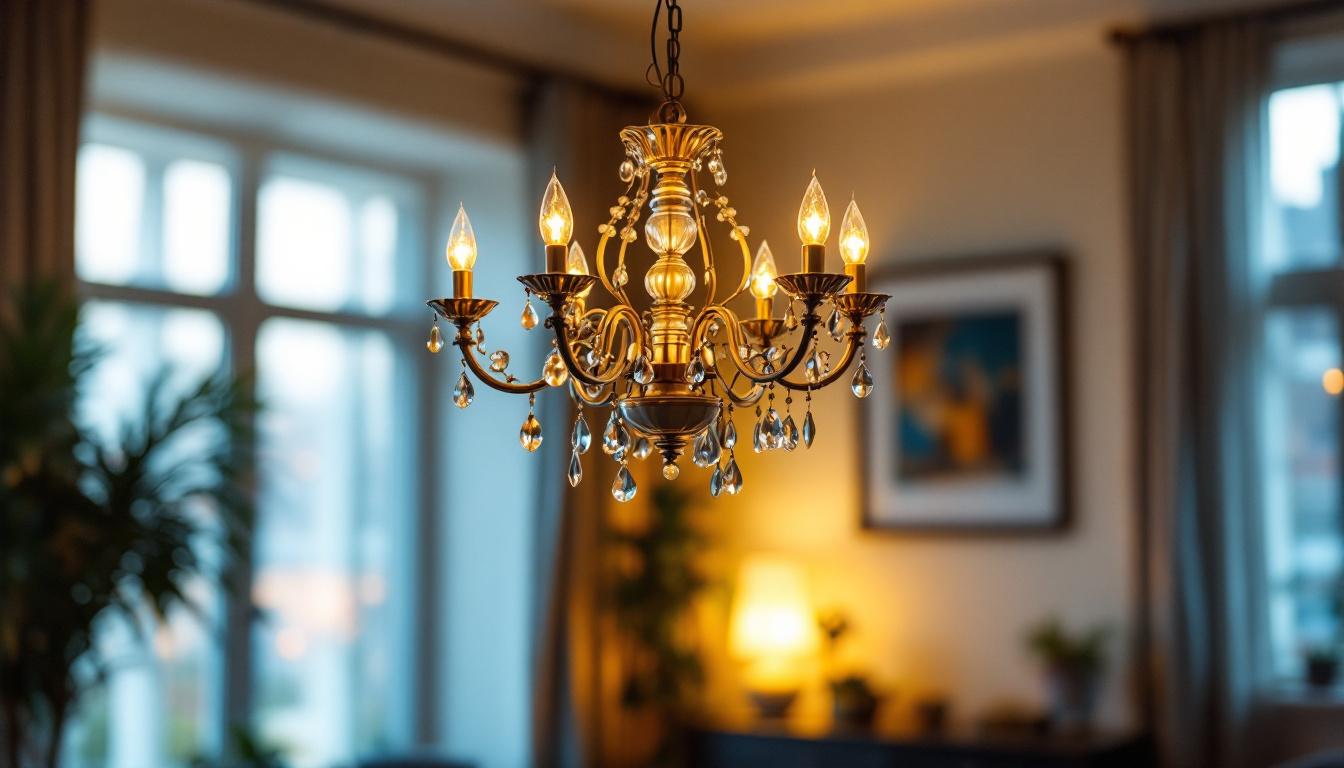
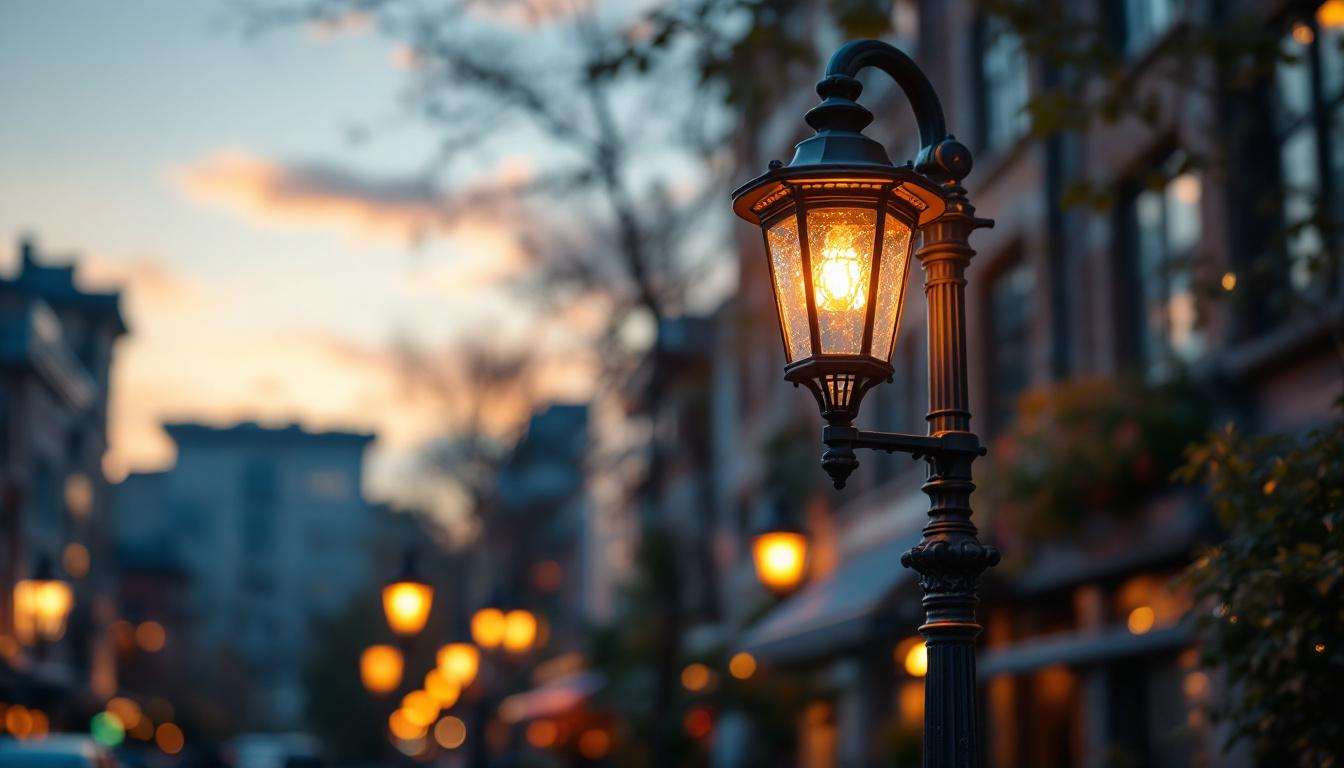
In the realm of interior and exterior design, lighting plays a pivotal role in enhancing aesthetics and functionality. Bright wall lights, in particular, have gained prominence due to their versatility and ability to transform spaces. For lighting contractors, understanding the nuances of bright wall lights is essential for delivering exceptional results to clients. This article delves into key considerations, design options, and installation tips that every lighting contractor should know.
Understanding Bright Wall Lights
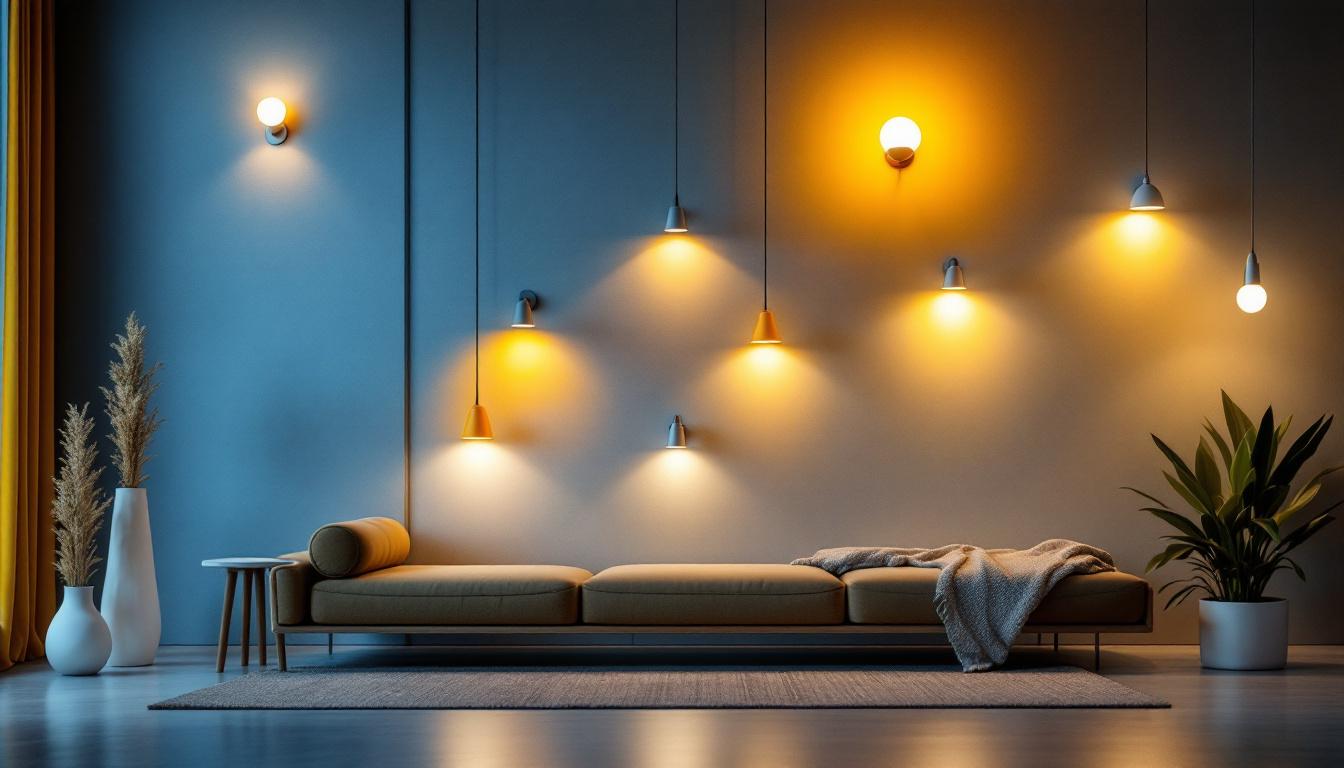
Bright wall lights serve as an essential component in both residential and commercial settings. They provide illumination while also contributing to the overall design theme of a space. These fixtures can be used for various purposes, from accentuating architectural features to providing general lighting. The versatility of bright wall lights makes them a popular choice among designers and homeowners alike, as they can seamlessly blend functionality with aesthetic appeal.
Types of Bright Wall Lights
There are several types of bright wall lights available on the market, each with its distinct characteristics. Understanding these types can help contractors recommend the best options to their clients. From the classic elegance of sconces to the sleek modernity of recessed lights, the variety allows for creative expression in any environment.
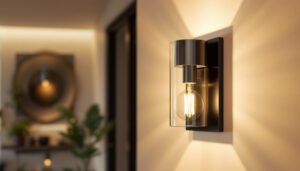
- Wall Sconces: These fixtures are mounted directly onto walls and can serve both functional and decorative purposes. They come in various styles, from modern to vintage, allowing for a wide range of design possibilities. Wall sconces can be used to create a focal point in a room, drawing attention to specific areas or artwork while providing ambient light.
- Recessed Wall Lights: Installed within the wall, these lights provide a sleek and unobtrusive lighting solution. They are ideal for creating a minimalist look and can be used to highlight artwork or architectural features. Their discreet nature allows for a clean aesthetic, making them particularly popular in contemporary designs.
- Adjustable Wall Lights: These fixtures offer flexibility in directing light where it is needed most. They are particularly useful in spaces that require task lighting, such as reading nooks or workstations. The ability to pivot or tilt these lights enhances their functionality, allowing users to customize the lighting to suit their specific needs.
Benefits of Bright Wall Lights
Incorporating bright wall lights into a design scheme offers numerous advantages. For contractors, understanding these benefits can aid in persuading clients to invest in quality lighting solutions. The right wall lighting can transform a space, making it more inviting and functional.
- Enhanced Ambiance: Bright wall lights can dramatically alter the mood of a space. By strategically placing these fixtures, contractors can create warm, inviting atmospheres or vibrant, energizing environments. The color temperature of the bulbs used can also play a significant role in setting the desired ambiance, with warmer tones promoting relaxation and cooler tones encouraging focus.
- Space Optimization: Wall-mounted lights save valuable floor space, making them ideal for smaller rooms or areas where floor lamps may be impractical. This is particularly advantageous in urban settings where space is at a premium. Additionally, wall lights can be positioned at varying heights to create visual interest and depth within a room.
- Energy Efficiency: Many modern wall lights utilize LED technology, which not only reduces energy consumption but also extends the lifespan of the fixtures. This shift towards energy-efficient lighting solutions is not only beneficial for the environment but also helps clients save on utility bills over time. Furthermore, the low heat emission of LEDs reduces the risk of heat damage to surrounding decor.
Moreover, the installation of bright wall lights can enhance safety in both residential and commercial spaces. Well-lit hallways and staircases can significantly reduce the risk of accidents, providing peace of mind for occupants. In outdoor settings, wall lights can illuminate entryways and patios, creating a welcoming environment while also deterring potential intruders. The versatility of these fixtures allows for creative applications that extend beyond mere aesthetics, making them a wise investment for any property owner.
Design Considerations for Bright Wall Lights
When selecting bright wall lights, several design considerations come into play. Lighting contractors must evaluate these factors to ensure the chosen fixtures align with the overall vision of the project.
Style and Aesthetics
The style of wall lights should complement the existing decor of the space. Whether the design is contemporary, traditional, or eclectic, there are wall light options to match every aesthetic. Contractors should encourage clients to consider how the fixtures will harmonize with other elements, such as furniture, color schemes, and architectural details. For instance, a sleek, minimalist sconce might work beautifully in a modern setting, while a vintage-inspired fixture could serve as a striking focal point in a more traditional room. Additionally, the finish of the wall lights—whether matte, polished, or textured—can also enhance the overall design narrative, adding layers of depth and interest to the space.
Light Quality and Color Temperature
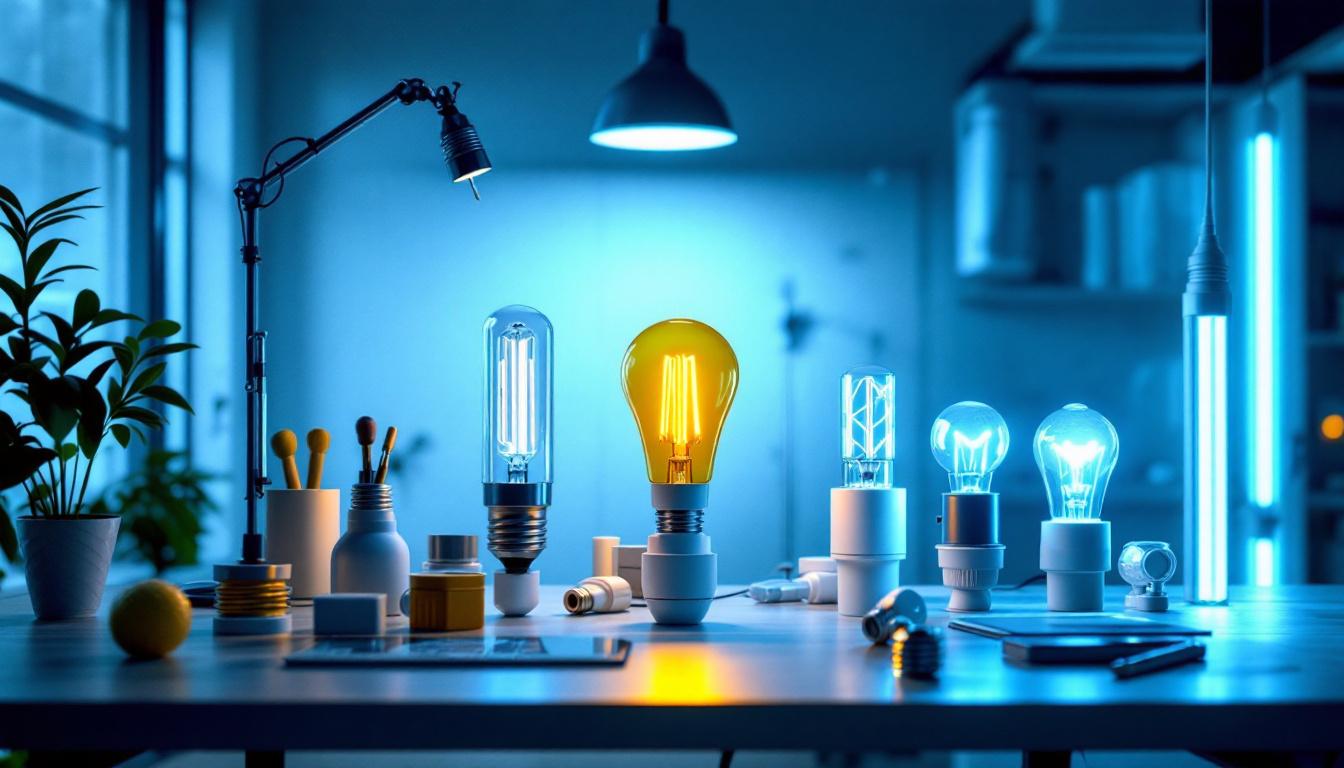
The quality of light emitted by wall fixtures can significantly impact the ambiance of a room. Contractors should educate clients about color temperature, which is measured in Kelvin (K). Warmer tones (2700K-3000K) create a cozy atmosphere, while cooler tones (4000K-5000K) are more energizing and suitable for workspaces. Beyond color temperature, the color rendering index (CRI) is another important aspect to consider. A higher CRI means colors appear more vibrant and true to life, which is particularly beneficial in spaces like art studios or kitchens where accurate color perception is essential. Selecting the right light quality can transform a space, making it feel inviting or invigorating, depending on the desired effect.
Placement and Spacing
Effective placement and spacing of wall lights are crucial for achieving the desired lighting effect. Contractors should consider the height at which fixtures are mounted and the distance between them. A general rule of thumb is to install sconces at eye level, approximately 60-66 inches from the floor, to ensure optimal illumination and aesthetics. However, the specific layout of the room can dictate adjustments to this guideline. For example, in a hallway, wall lights may be spaced closer together to create a continuous flow of light, while in larger rooms, fixtures can be strategically placed to highlight artwork or architectural features. Additionally, considering the direction of the light—whether it’s upward, downward, or both—can further enhance the visual dynamics of the space, allowing for both functional and decorative lighting solutions.
Installation Tips for Lighting Contractors
Proper installation is paramount for ensuring the functionality and longevity of bright wall lights. Below are essential tips that contractors should keep in mind during the installation process.
Electrical Considerations
Before installation, contractors must assess the electrical requirements of the wall lights. Ensuring that the existing wiring can handle the load is crucial. Additionally, using appropriate circuit breakers and ensuring compliance with local electrical codes will prevent potential hazards.
Mounting Techniques
Different types of wall lights may require specific mounting techniques. For instance, wall sconces typically come with mounting brackets, while recessed lights need to be securely fitted within the wall cavity. Contractors should follow manufacturer guidelines to ensure a safe and secure installation.
Testing and Adjustments
After installation, it is essential to test the fixtures to ensure they function correctly. This includes checking for any flickering, ensuring proper alignment, and making adjustments as necessary. A thorough testing process not only guarantees client satisfaction but also reinforces the contractor’s professionalism.
Trends in Bright Wall Lighting
The lighting industry is continually evolving, with new trends emerging that can influence the selection and installation of bright wall lights. Staying updated on these trends is vital for lighting contractors aiming to provide cutting-edge solutions.
Smart Lighting Solutions
With the rise of smart home technology, many clients are seeking wall lights that can be integrated into their smart systems. These fixtures allow users to control brightness, color, and even scheduling through mobile apps or voice commands. Contractors should familiarize themselves with smart lighting options to meet this growing demand.
Sustainable Lighting Options
As sustainability becomes increasingly important, many clients are looking for eco-friendly lighting solutions. Bright wall lights that utilize energy-efficient LEDs and sustainable materials are gaining popularity. Contractors should highlight the benefits of these options, such as reduced energy costs and a smaller carbon footprint.
Bold Designs and Finishes
In recent years, there has been a shift towards bold and unique wall light designs. From geometric shapes to intricate patterns, these fixtures can serve as statement pieces within a space. Contractors should encourage clients to explore unconventional designs that reflect their personal style.
Common Challenges and Solutions
While working with bright wall lights, lighting contractors may encounter various challenges. Understanding these potential issues and their solutions can enhance the overall project experience.
Dealing with Limited Space
In smaller spaces, finding the right wall light can be challenging. Contractors can recommend fixtures that provide ample illumination without overwhelming the area. Opting for wall lights with adjustable features can also help maximize functionality in tight spaces.
Client Misconceptions
Clients may have misconceptions about wall lighting, such as assuming that brighter is always better. Educating clients on the importance of balanced lighting and the role of wall lights in creating layered illumination can help dispel these myths.
Budget Constraints
Budget limitations can often impact the selection of wall lights. Contractors should work closely with clients to identify their priorities and suggest alternatives that fit within their budget without compromising quality. Offering a range of options can help clients make informed decisions.
Conclusion
Bright wall lights are a vital element of modern lighting design, offering both functionality and aesthetic appeal. For lighting contractors, understanding the various types, benefits, and installation techniques of these fixtures is crucial for delivering exceptional results. By staying informed about design trends and addressing common challenges, contractors can enhance their service offerings and meet the evolving needs of their clients.
Ultimately, the right bright wall lights can transform any space, creating an inviting atmosphere and highlighting the unique features of a home or business. As the demand for innovative lighting solutions continues to grow, lighting contractors who embrace these principles will be well-positioned for success in the industry.
Illuminate Your Projects with LumenWholesale
Ready to elevate your lighting projects with the perfect bright wall lights? At LumenWholesale, we provide lighting contractors like you with the highest quality, spec-grade lighting products at prices that simply can’t be beaten. Say goodbye to local distributor markups and hello to our extensive selection that meets rigorous industry standards. Plus, with free shipping on bulk orders, you can stock up on premium lighting solutions without worrying about hidden fees. Transform your spaces with the blend of quality, affordability, and convenience that only LumenWholesale can offer. Wholesale Lighting at the Best Value is just a click away.