Understanding the 60 Watt Type G Bulb: Basics and Benefits
Type G bulbs, often recognized by their globe shape, have become a staple in residential and commercial lighting. Their distinctive round silhouette isn’t just for aesthetics; it plays a crucial role in how light disperses, creating an even and soft glow that’s highly sought after in various applications.
The 60 watt rating is a key specification that lighting contractors encounter regularly. It indicates the bulb’s power consumption and roughly correlates to its brightness output. Traditionally, a 60 watt incandescent bulb produces around 800 lumens, making it suitable for general ambient lighting in living rooms, kitchens, and office spaces.
For contractors, understanding the Type G bulb’s physical characteristics and wattage helps in making informed decisions about fixture compatibility, energy consumption, and lighting quality. The globe shape also minimizes shadows and hotspots, which is why it’s favored in vanity lighting and decorative fixtures.
Moreover, the versatility of the Type G bulb extends beyond its traditional uses. With advancements in technology, LED versions of the Type G bulb have emerged, offering the same warm glow but with significantly lower energy consumption. These LED variants can provide the same brightness as their incandescent counterparts while using only a fraction of the wattage, making them a more sustainable choice for eco-conscious consumers. Additionally, the longevity of LED bulbs—often lasting up to 25,000 hours—means less frequent replacements, reducing waste and maintenance costs over time.
In terms of design, Type G bulbs can also enhance the aesthetic appeal of a space. Their rounded shape allows for creative lighting designs, whether suspended from a ceiling fixture or used in table lamps. Many designers leverage the soft light produced by these bulbs to create inviting atmospheres in restaurants, cafes, and homes alike. Furthermore, with the growing trend of smart lighting, Type G bulbs are now available with smart technology capabilities, allowing users to control brightness and color temperature through mobile apps or voice commands, thereby adding another layer of convenience and customization to modern lighting solutions.
Technical Specifications and Compatibility Considerations
Shape and Size
The Type G bulb is typically spherical, with a diameter that can vary but often falls within the G25 to G30 range (measured in eighths of an inch). For example, a G25 bulb is approximately 3.125 inches in diameter. This size influences the bulb’s fit within fixtures, especially enclosed or decorative ones. The spherical shape not only contributes to the aesthetic appeal of lighting fixtures but also plays a crucial role in the distribution of light, ensuring a more uniform illumination across the intended space.
Contractors must verify fixture dimensions to ensure the bulb fits comfortably without causing heat buildup or mechanical stress. Using a bulb that’s too large can lead to premature fixture wear or even pose fire hazards. Moreover, the choice of bulb size can affect the overall design of a room; for instance, larger bulbs may create a more dramatic effect in high-ceilinged spaces, while smaller bulbs might be better suited for intimate settings. Therefore, understanding the interplay between bulb size and room dimensions is essential for achieving the desired ambiance.
Base Types and Socket Compatibility
Most 60 watt Type G bulbs come with an E26 medium screw base in North America, which is the standard for household lighting. However, variations exist, including candelabra bases (E12) for smaller fixtures. Confirming the base type is essential before installation to avoid mismatches that could delay projects or require additional parts. In addition to the E26 and E12 bases, there are also specialty bases like GU24 and bi-pin bases, which are often used in specific applications such as recessed lighting or track lighting systems.
Additionally, the socket’s voltage rating must match the bulb’s specifications. While 120V is standard for residential use, some commercial or specialty applications might require different voltages. It’s also worth noting that certain fixtures may have built-in transformers that alter the voltage supplied to the bulb, which can impact compatibility. Therefore, a thorough understanding of both the electrical requirements and the fixture design is crucial for ensuring optimal performance and safety.
Wattage and Energy Efficiency
Though 60 watts is a common power consumption level for incandescent Type G bulbs, many contractors now encounter LED equivalents that deliver the same brightness at a fraction of the wattage—often around 8 to 12 watts. This shift impacts energy costs and heat output significantly. The transition to LED technology not only reduces electricity bills but also minimizes the environmental impact associated with energy consumption, making it a more sustainable choice for both residential and commercial applications.
Understanding these differences is crucial when advising clients on upgrades or replacements. While LEDs have a higher upfront cost, their longevity and energy savings often justify the investment. Additionally, many LED options now come with features such as dimmability and color temperature variations, allowing for greater customization in lighting design. As energy efficiency standards continue to evolve, staying informed about the latest advancements in bulb technology will enable contractors to provide the best solutions for their clients, ensuring both satisfaction and compliance with energy regulations.
Applications and Practical Use Cases
Residential Settings
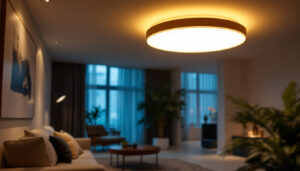
The 60 watt Type G bulb shines in residential environments where soft, diffused light is desired. Bathroom vanities, pendant fixtures over kitchen islands, and decorative chandeliers frequently utilize these bulbs to create inviting atmospheres.
Lighting contractors should consider the bulb’s color temperature options. Warm white (2700K to 3000K) is popular for living spaces, enhancing comfort and relaxation, whereas cooler temperatures might be used in task-oriented areas.
Commercial and Hospitality Environments
In hotels, restaurants, and retail spaces, the aesthetic appeal of the globe shape combined with the right brightness level helps establish ambiance and brand identity. The 60 watt Type G bulb’s ability to provide uniform illumination without harsh shadows makes it ideal for these settings.
Contractors working in these sectors often balance lighting quality with energy codes and regulations. LED Type G bulbs that mimic the incandescent glow are increasingly preferred to meet these demands.
Outdoor and Specialty Uses
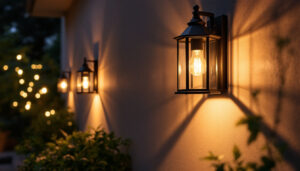
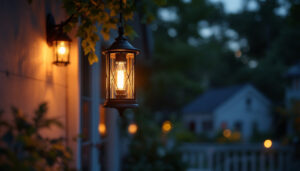
While not traditionally designed for outdoor use, some Type G bulbs come with weather-resistant coatings or are housed in fixtures rated for damp or wet locations. This opens opportunities for contractors to specify these bulbs in covered porches, patios, or decorative outdoor installations.
Specialty bulbs with dimming capabilities or smart features also exist, allowing for greater control and customization in both residential and commercial projects.
Installation Tips and Safety Guidelines
Proper Handling and Installation
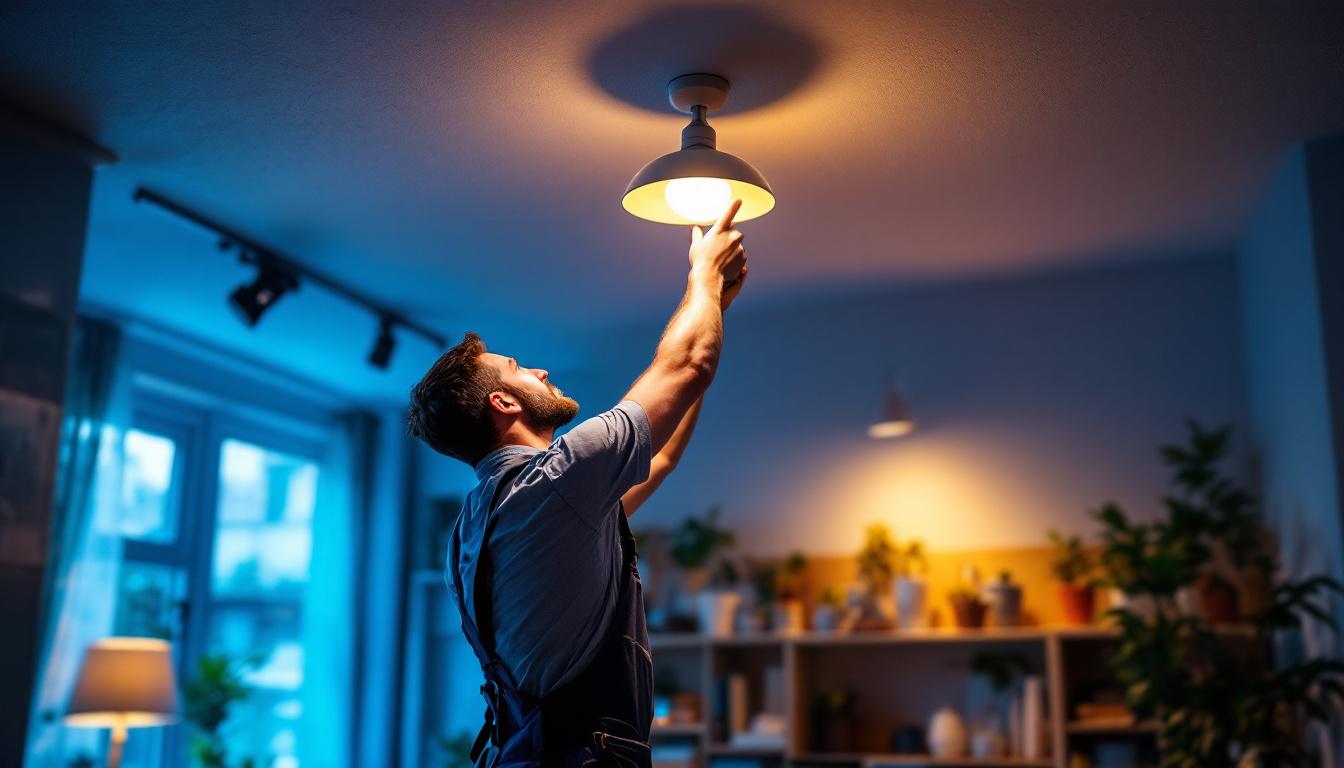
Type G bulbs, especially incandescent versions, can become quite hot during operation. Contractors should advise clients to avoid touching bulbs when they are lit or shortly after turning them off to prevent burns.
When installing, ensure the bulb is screwed in securely but not overtightened, which can damage the socket or bulb base. Using gloves or a clean cloth can prevent oils from hands shortening bulb life, particularly for halogen variants.
Fixture Compatibility and Ventilation
Enclosed fixtures require bulbs rated for such use to avoid overheating. Many incandescent Type G bulbs are not designed for enclosed fixtures, which can lead to heat buildup and potential failure.
LED Type G bulbs generally perform better in these conditions due to lower heat generation, but verifying manufacturer specifications remains essential.
Energy Codes and Regulations
Contractors must stay informed about local energy codes, which increasingly favor energy-efficient lighting solutions. While 60 watt incandescent bulbs are still in use, many jurisdictions encourage or mandate LED replacements for new installations or renovations.
Advising clients on compliance can prevent costly retrofits and improve overall satisfaction with lighting projects.
Common Challenges and How to Address Them
Bulb Longevity and Replacement Frequency
Incandescent Type G bulbs typically have shorter lifespans-around 1,000 hours-compared to LED alternatives that can last 15,000 to 25,000 hours. Frequent replacements can increase maintenance costs and client dissatisfaction.
Contractors should highlight the benefits of LED Type G bulbs, especially in hard-to-reach fixtures, to reduce service calls and improve reliability.
Color Rendering and Light Quality
Color rendering index (CRI) is a critical factor in lighting quality. Incandescent bulbs naturally have a CRI of nearly 100, meaning colors appear vibrant and true. LED bulbs vary widely, so selecting those with a CRI above 80 is advisable for most applications.
Clients in retail or hospitality sectors often prioritize high CRI lighting to showcase products or create appealing environments.
Compatibility with Dimmers and Controls
Not all 60 watt Type G bulbs are dimmable, and this is particularly true for some LED models. Contractors should verify bulb specifications and ensure compatibility with existing or planned dimmer switches.
Smart lighting controls are becoming more common, so understanding integration options can enhance project value and client satisfaction.
Future Trends and Innovations in Type G Bulbs
Lighting technology continues to evolve rapidly. Smart Type G bulbs with Wi-Fi or Bluetooth connectivity allow users to adjust brightness and color temperature remotely, adding convenience and energy savings.
Advances in LED technology have also improved the quality and affordability of globe-shaped bulbs, making them viable replacements for traditional incandescent options without sacrificing aesthetics.
For lighting contractors, staying abreast of these trends ensures they can offer clients cutting-edge solutions that meet both functional and design needs.
Summary: What Lighting Contractors Should Remember
The 60 watt Type G bulb remains a versatile and popular choice across many lighting applications. Understanding its technical details, compatibility, and best use cases empowers contractors to make smart recommendations and installations.
Energy efficiency, safety, and client preferences are key factors that influence bulb selection today. By embracing LED alternatives and smart technologies, contractors can future-proof their projects and deliver superior lighting experiences.
Ultimately, the right knowledge about the 60 watt Type G bulb translates into better performance, fewer callbacks, and higher client satisfaction.
Illuminate Your Projects with LumenWholesale
Ready to elevate your lighting game with the versatile 60 watt Type G bulb and other high-quality lighting solutions? Look no further than LumenWholesale, where we provide contractors with the best in spec-grade lighting products at unbeatable wholesale prices. Say goodbye to middleman markups and hello to a vast selection of industry-standard lighting that ensures every project shines. Plus, with free shipping on bulk orders, you can stock up on premium lighting without the worry of hidden fees. Make the smart choice for energy efficiency, safety, and client satisfaction. Wholesale Lighting at the Best Value is just a click away. Experience the LumenWholesale difference today!